Oolong tea sits in a category all its own — not quite green, not quite black, but something layered and complex in between. If you’ve ever searched for oolong tea how to make it properly, the answer comes down to a handful of variables you can actually control: leaf quality, water temperature, and steeping time. Get those right, and you’ll unlock flavors ranging from buttery and floral to toasty and rich.
This guide walks through everything you need, step by step, whether you’re brewing a quick cup in a mug or working through several short infusions the traditional way. No prior tea knowledge required — just a kettle, some leaves, and a few minutes.
By the end of this guide, you’ll know exactly what to buy, what water temperature to use, how long to steep, and how to fix the two most common complaints people have about their homemade oolong: weak, watery cups and overly bitter ones. We’ll also cover the traditional gongfu approach, so you can decide which style fits how you actually want to drink your tea.
What Is Oolong Tea?
Oolong tea is a partially oxidized tea made from the same Camellia sinensis plant used for green and black tea. The difference lies entirely in processing. Green tea is barely oxidized, black tea is fully oxidized, and oolong lands somewhere in the middle — anywhere from around 10% to 80% oxidation, depending on the style.
That wide oxidation range is exactly why oolong is so versatile. A lightly oxidized oolong can taste almost as fresh and floral as a green tea, while a heavily oxidized one can taste as deep and roasted as a black tea. Learning how to make oolong tea well starts with understanding which end of that spectrum your leaves fall on.
Where Oolong Tea Comes From
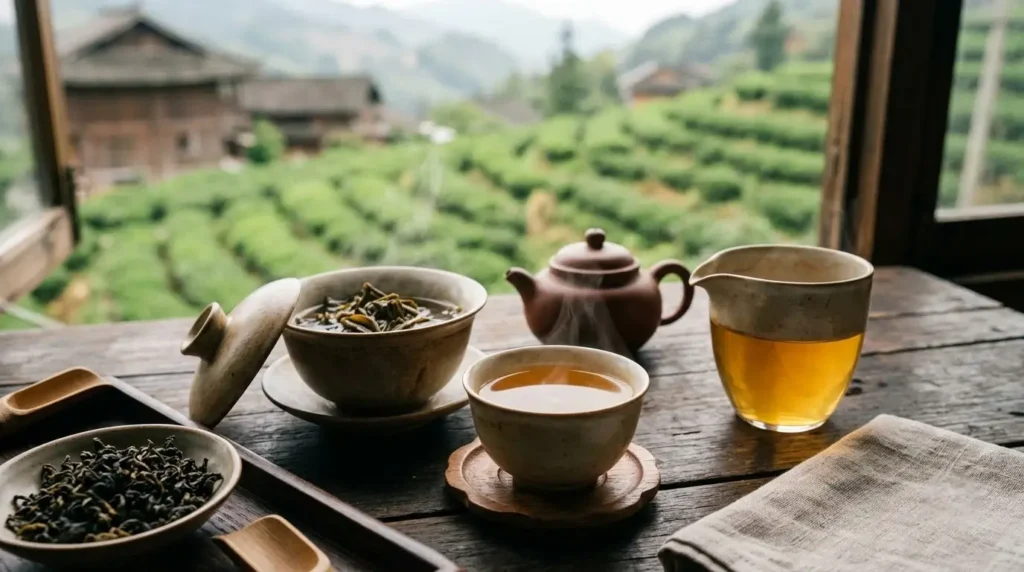
Oolong tea originated in China’s Fujian province and in Taiwan, where it remains a point of national pride. Fujian is known for varieties like Tieguanyin and Wuyi rock teas (yancha), while Taiwan is famous for high-mountain oolongs grown at elevation, which tend to have a sweeter, more delicate character.
Light vs. Dark Oolong
Light oolongs (like Tieguanyin or many Taiwanese high-mountain teas) are only lightly oxidized and roasted. They tend to be green or jade-colored in the cup, with floral, vegetal, and creamy notes. Dark oolongs (like Da Hong Pao or aged Tieguanyin) are more heavily oxidized and often roasted over charcoal or in ovens, producing a darker liquor with notes of dried fruit, toast, and minerals.
This distinction matters because it directly affects how you should brew the tea — light and dark oolongs generally want different water temperatures and steeping times, which we’ll cover in detail below.
There’s also a middle ground worth knowing about: medium-oxidized oolongs, which split the difference in both processing and flavor. These often show up in everyday drinking teas rather than specialty single-origin offerings, and they tend to be the most forgiving style for beginners since they tolerate a wider range of water temperatures and steep times without turning unpleasant.
What You’ll Need to Make Oolong Tea
You don’t need specialized equipment to make a good cup of oolong, though a few simple tools make the process easier and more consistent.
Tea Leaves
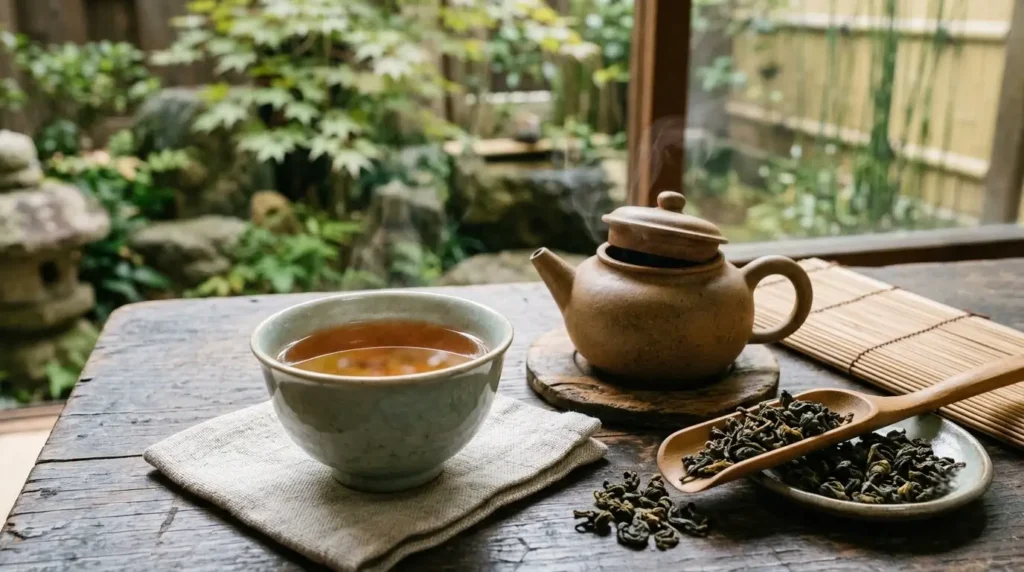
Start with whole or lightly rolled loose-leaf oolong rather than tea bags. Oolong leaves are often rolled into tight balls or twisted strips, and they need room to unfurl and expand during steeping — something a cramped tea bag doesn’t allow. A good rule of thumb is about 1 teaspoon (roughly 2–3 grams) of leaves per 8 ounces of water for a Western-style cup, though rolled oolongs can sometimes need a bit less by volume since they expand significantly.
When buying leaves, look for whole or mostly whole leaves rather than broken bits or dust, which tend to steep out faster and taste flatter. If you can see or smell the tea before buying, tightly rolled oolongs should look glossy and uniform, while twisted dark oolongs should smell deep and slightly toasty rather than musty or stale.
Water
Use filtered or spring water if possible. Tap water with a strong chlorine taste or heavy mineral content can flatten the delicate flavors that make oolong worth drinking in the first place. Water that’s too soft (like distilled water) can also mute flavor, so filtered tap water or a light mineral water is usually the sweet spot.
Teaware
Any of the following will work:
A basic mug with a mesh infuser or tea ball
A small teapot with a built-in strainer
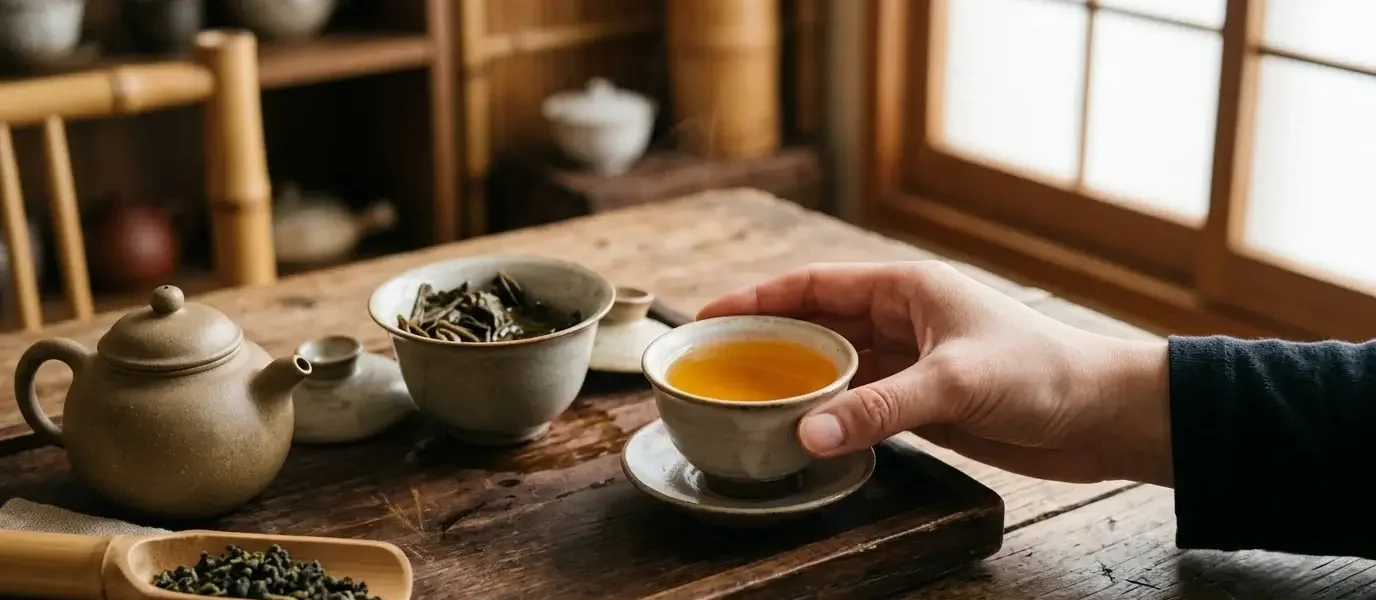
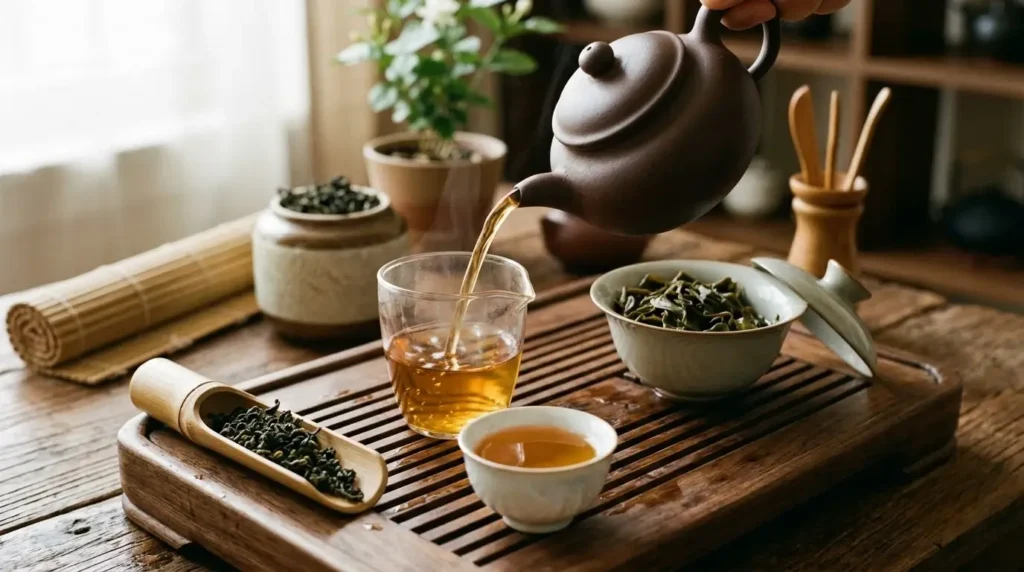
A gaiwan (a lidded bowl traditionally used in Chinese tea brewing) for gongfu-style sessions
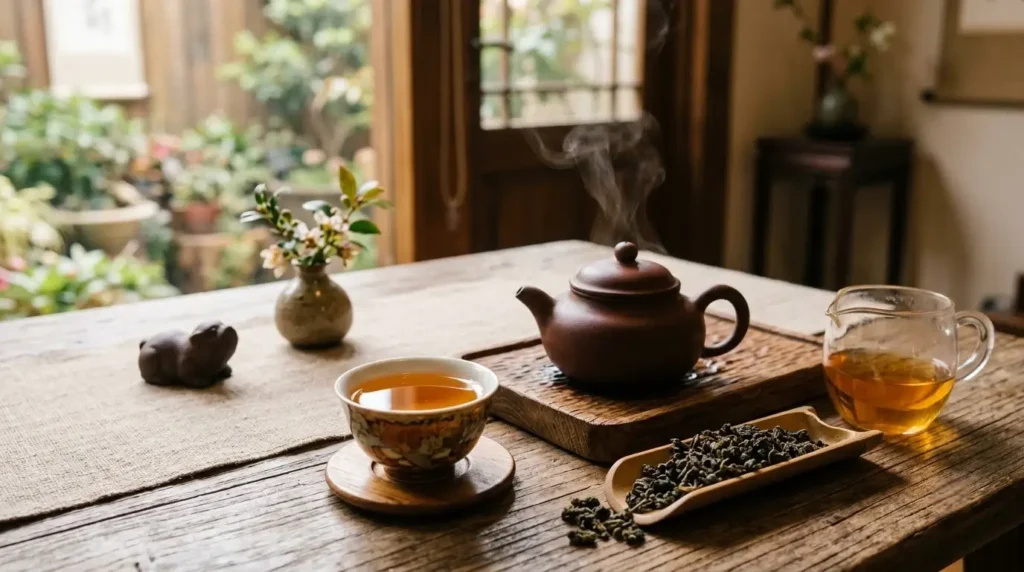
A Yixing clay teapot, favored by many oolong drinkers for how it seasons over time
Optional Tools
A kitchen scale for measuring leaves precisely, a thermometer for dialing in water temperature, and a timer all help you replicate a good cup once you’ve found it. None are strictly required, but they remove a lot of the guesswork.
How you store your leaves matters almost as much as how you brew them. Oolong tea is sensitive to light, air, moisture, heat, and strong odors, all of which can dull its flavor over time.
Keep it airtight. Store leaves in a sealed tin, jar, or resealable bag with as much air pushed out as possible.
Keep it dark. Light breaks down the compounds responsible for flavor and aroma, so an opaque container is better than a clear glass jar left on a counter.
Keep it cool and dry. A cupboard away from the stove is better than anywhere warm or humid, like near a kettle or dishwasher.
Keep it away from strong smells. Tea leaves readily absorb odors from spices, coffee, or cleaning products stored nearby.
Lightly oxidized oolongs are generally best used within about 6–12 months for peak flavor, while heavily roasted, darker oolongs can hold up well for a year or more, and some aged dark oolongs are prized specifically for how they mellow over several years.
How to Make Oolong Tea: Step-by-Step (Western Method)
This is the simplest and most common way to make oolong tea, especially if you’re just getting started. It produces one strong, satisfying cup rather than several small infusions.
Boil your water. Bring water to a full boil, then let it rest off the heat for 1–2 minutes so it cools slightly. Most oolongs prefer water between 185–205°F (85–96°C) rather than a full rolling boil.
Measure your leaves. Add about 1 teaspoon of loose oolong leaves per 8 ounces of water into your infuser or teapot.
Pour the water over the leaves. Pour slowly so the leaves have room to move and begin unfurling.
Steep for 3–5 minutes. Lighter, greener oolongs generally need less time (closer to 3 minutes), while darker, more oxidized oolongs can handle closer to 5 minutes without turning bitter.
Remove the leaves. Take out the infuser or strain the leaves once steeping is done, so the tea doesn’t continue to steep and turn bitter.
Taste and adjust. If the first cup tastes weak, steep slightly longer next time. If it tastes bitter or astringent, shorten the steep time or lower the water temperature slightly.
Many oolong leaves can be re-steeped two or three times using the Western method, with each subsequent steep needing a slightly longer time to draw out the remaining flavor.
How to Make Oolong Tea: Gongfu Style (Traditional Method)
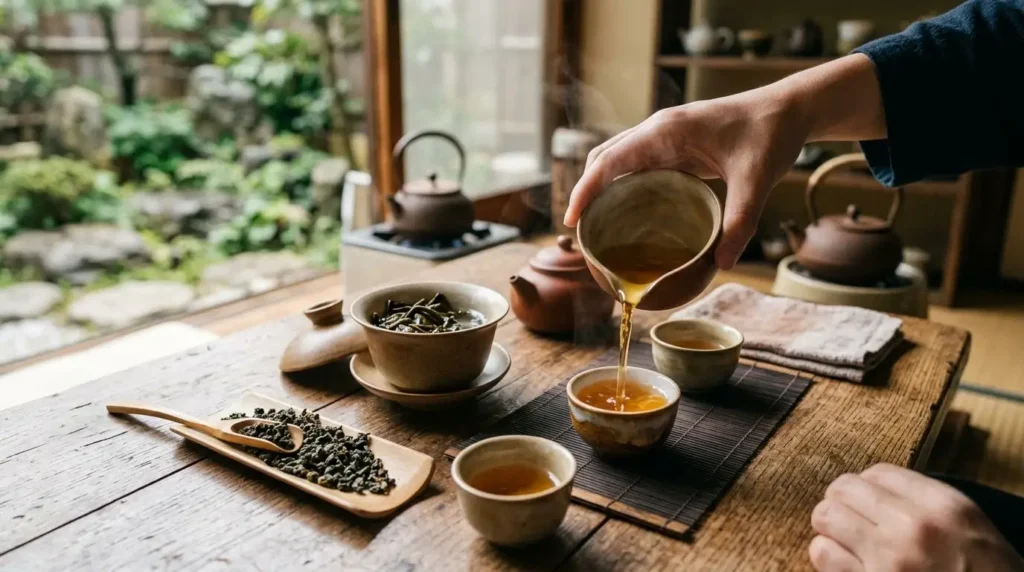
Gongfu brewing is the traditional Chinese approach, and it’s how most serious oolong drinkers eventually end up making their tea. Instead of one long steep, you use a higher ratio of leaves to water and steep multiple times for very short intervals, letting the flavor evolve from one infusion to the next.
Warm your gaiwan or teapot. Rinse it with hot water first to bring the vessel up to temperature.
Add a generous amount of leaves. Use roughly 5–7 grams of oolong for every 100–120 ml of water — noticeably more than the Western method.
Rinse the leaves. Pour hot water over the leaves and immediately drain it off within a few seconds. This “awakens” tightly rolled leaves and washes away any dust, and it isn’t meant to be drunk.
Steep for 10–20 seconds. Pour water over the leaves and steep for a short burst — often as little as 10 seconds for the first real infusion.
Pour off completely and drink. Empty the vessel fully into a serving pitcher or cups so the leaves aren’t left sitting in residual water.
Repeat, adding a few seconds each round. Extend the steep time slightly with each subsequent infusion. Good oolong leaves can often produce 5–8 flavorful infusions this way, each one revealing slightly different notes.
Gongfu brewing takes a little more attention, but it’s arguably the best way to experience everything a high-quality oolong has to offer, since the flavor unfolds gradually across infusions rather than all at once.
Water Temperature and Steeping Time by Oolong Type
Because oolong covers such a wide oxidation range, one-size-fits-all brewing instructions don’t really work. Use this as a starting guide, then adjust based on taste.
Oolong Type
Water Temperature
Western Steep Time
Gongfu Steep Time (1st infusion)
Light/Green (e.g. Tieguanyin, high-mountain)
185–195°F (85–90°C)
3 minutes
10–15 seconds
Medium Oxidized
190–200°F (88–93°C)
3–4 minutes
15 seconds
Dark/Roasted (e.g. Da Hong Pao, aged oolong)
200–205°F (93–96°C)
4–5 minutes
15–20 seconds
If you only remember one rule, remember this: lighter oolongs are more forgiving of longer steeps at lower heat, while darker, more roasted oolongs can handle hotter water without becoming bitter.
Common Mistakes to Avoid When Making Oolong Tea
Using boiling water straight off the heat. A full rolling boil can scald delicate oolong leaves, drawing out excess tannins and producing a flat, bitter cup instead of the rounded flavor oolong is known for. Let the kettle rest a minute or two before pouring.
Steeping too long. Oolong turns bitter and astringent quickly once it’s over-steeped, especially with lighter styles. Set a timer rather than guessing, and pull the leaves out the moment your steep time is up.
Not giving rolled leaves room to expand. Overpacking a small infuser prevents tightly rolled leaves from unfurling fully, which limits how much flavor actually makes it into the water. Use a larger infuser or a teapot without a built-in strainer when possible.
Throwing leaves away after one steep. Good oolong leaves often have several more good infusions left in them, and some of the best flavor shows up in the second or third steep rather than the first.
Using stale or old leaves. Flavor fades with time and exposure to air, light, and moisture, so leaves that have been sitting open in a cupboard for a year or more will taste noticeably flatter than fresh ones.
Ignoring leaf-to-water ratio. Too few leaves produce a weak, watery cup no matter how long you steep, while too many can overwhelm the water and turn bitter fast. Measuring by weight, even roughly, removes most of the guesswork.
Frequently Asked Questions About Making Oolong Tea
What temperature water is best for oolong tea?
Most oolong teas brew best between 185°F and 205°F (85–96°C), with lighter oolongs preferring the cooler end of that range and darker, more roasted oolongs preferring the hotter end.
How long should you steep oolong tea?
For the Western method, 3 to 5 minutes is typical. For gongfu-style brewing, steeps are much shorter — often just 10 to 20 seconds per infusion, repeated several times.
Can you re-steep oolong tea leaves?
Yes. Oolong is one of the best teas for multiple infusions, largely because whole or rolled leaves release their flavor gradually rather than all at once. Western brewing typically allows 2–3 re-steeps, adding a minute or so to each subsequent steep, while gongfu brewing can yield 5–8 or more short infusions from the same leaves, with the flavor often improving after the first round or two.
Does oolong tea have caffeine?
Yes, oolong contains caffeine, generally somewhere between green and black tea, though the exact amount varies by oxidation level, leaf grade, growing region, and how long you steep it. A typical 8-ounce cup often falls in a similar range to black tea, though lighter, less oxidized oolongs can sometimes land closer to green tea.
Why does my oolong tea taste bitter?
Bitterness usually comes from water that’s too hot, a steep time that’s too long, or using too many leaves for the amount of water. Try shortening the steep or lowering the temperature slightly.
What’s the difference between oolong tea and green tea?
Green tea is barely oxidized, while oolong is partially oxidized — anywhere from about 10% to 80% depending on the style. This gives oolong a noticeably deeper, rounder flavor than most green teas.
Final Thoughts on Oolong Tea How to Make
Learning how to make oolong tea really comes down to paying attention to a few key details: good leaves, the right water temperature, and a steep time that matches the oxidation level of your tea. Start with the basic Western method if you’re new to it, and consider trying gongfu-style brewing once you want to explore how a single batch of leaves can change across multiple infusions.
The best way to dial in your perfect cup is simply to make it a few times, adjusting temperature and timing based on taste. Pick up a bag of loose-leaf oolong, put the kettle on, and give it a try today.
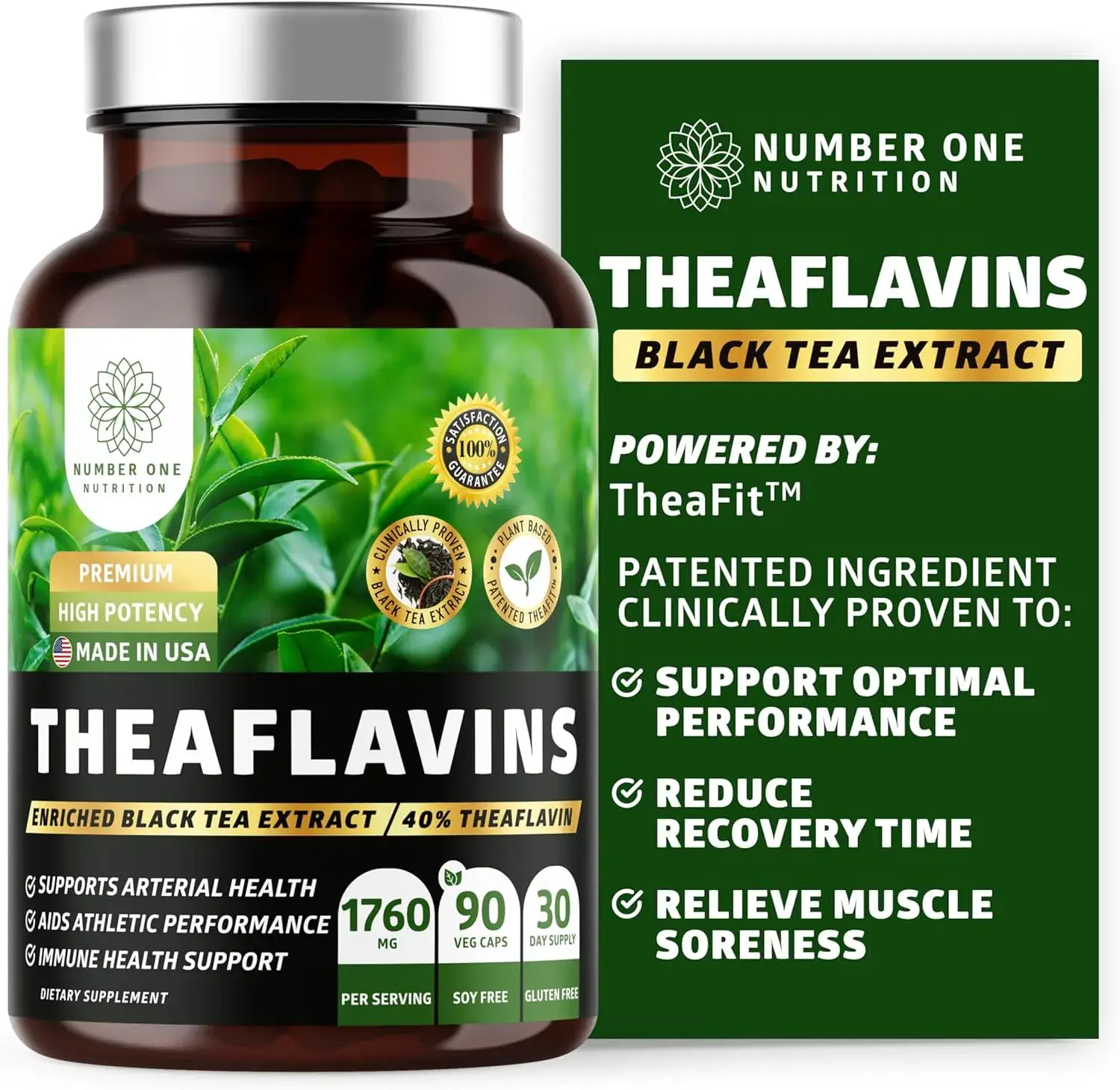
Black Tea Extract that is rich in natural theaflavins and polyphenols that help protect your body from free radicals, promoting overall immune health and well-being
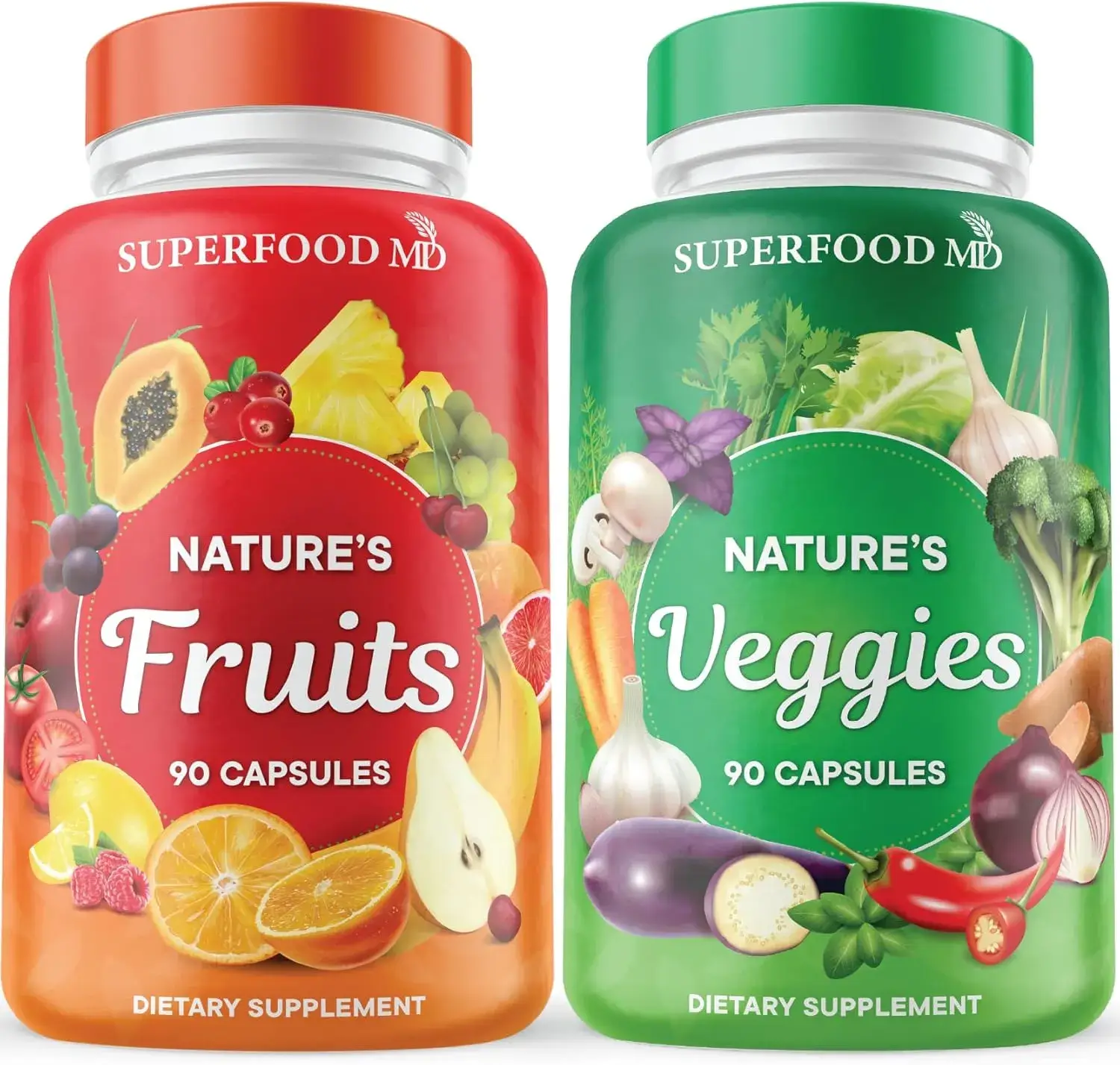
Contains blended amounts of Fruits and Veggies. All natural, with whole foods, fruit and vegetable supplement.Perfect for everyone looking to live a healthier lifestyle.