At midnight, you may toss and turn while watching the clock move toward dawn. You want a natural way to relax without depending on harsh chemicals. Many people choose a warm floral drink and wonder whether this old remedy can bring restful sleep.
You may wonder whether chrysanthemum tea good for sleep is real or simply a soothing myth. Many cultures praise the sleep benefits of chrysanthemum tea, but traditional folklore differs from modern clinical evidence. This article examines how this caffeine-free drink may fit your nightly routine.
We will examine relaxation effects and safety points to help you make informed choices. Herbal drinks may support wellness, but they cannot replace medical advice for chronic insomnia.
Key Takeaways
Understand the historical use of floral infusions in evening rituals.
Learn why caffeine-free options are essential for your bedtime routine.
Distinguish between anecdotal relaxation and proven medical outcomes.
Prioritize safety when introducing new herbs into your diet.
Recognize when it is time to consult a healthcare professional.
What Chrysanthemum Tea Is and Why People Drink It at Night
A better night may begin with the simple, floral notes of a traditional brew. Many now choose Chrysanthemum tea for sleep as a soothing way to shift from busy days to restful evenings.
The flowers, flavors, and traditional uses behind the tea
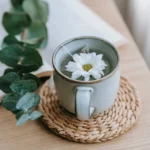
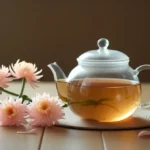
This infusion uses dried petals of the Chrysanthemum morifolium flower. Its flavor can range from light and floral to mildly sweet or earthy, depending on the variety and preparation.
“The beauty of a simple flower lies in its ability to bring a moment of stillness to a chaotic world.”
For centuries, people have enjoyed this chrysanthemum flower tea as a familiar drink for relaxation. These traditional uses are rooted in history but offer a comforting ritual rather than a clinical guarantee of sleep.
How its naturally caffeine-free profile fits an evening routine
Choosing the right bedtime tea matters when you want to avoid substances that might keep you awake. Because this drink is a caffeine-free tea, it gently hydrates without stimulants in coffee or black tea.
Adding this caffeine-free tea to your schedule may help create a steady wind-down period. Replacing stimulating drinks with a warm cup of chrysanthemum flower tea can signal it is time to rest.
Many people find that this bedtime tea fits their nightly habits. Using chrysanthemum tea for sleep as part of your routine may offer several potential advantages:
It provides a warm, comforting sensation before bed.
It is naturally free from stimulants that disrupt sleep cycles.
It encourages a mindful pause at the end of the day.
Is Chrysanthemum Tea Good for Sleep?
You may wonder whether a warm cup of floral tea can help you drift off to sleep. Many people enjoy its delicate flavor, but learning whether chrysanthemum tea is good for sleep requires science and personal experience.
What the available evidence can and cannot show
Current research on this floral infusion mainly examines antioxidants, not direct sedative effects. Studies suggest its compounds may promote relaxation, but limited human clinical data cannot confirm it as a direct sleep inducer.
Separate traditional use from modern clinical proof. Most evidence comes from historical practices or laboratory settings, which may not improve human sleep cycles right away.
Why a calming bedtime beverage may support better sleep habits
Choosing an herbal tea for sleep can signal that your day is ending. Brewing a warm cup creates a mindful pause and may lower stress before bed.
Replacing caffeinated drinks with this caffeine-free option removes a common barrier to sleep. This ritual helps build a consistent routine, a key part of healthy sleep hygiene.
Why you should not treat it as a proven insomnia remedy
Though soothing, the tea is not a natural sleep aid for chronic conditions. Persistent insomnia requires professional care, and relying only on herbal infusions may delay it.
Think of this beverage as a supportive tool for relaxation, not a medical treatment. This distinction helps manage expectations while you enjoy your evening cup.
Feature
Chrysanthemum Tea
Medical Sleep Aid
Primary Purpose
Relaxation & Ritual
Treating Insomnia
Caffeine Content
Naturally Caffeine-Free
None (Usually)
Scientific Status
Traditional/Supportive
Clinically Proven
Best Use Case
Winding Down
Severe Sleep Disorders
How Chrysanthemum Tea May Support Relaxation Before Bed
A simple floral infusion can shape your nightly wind-down, though no beverage acts as a magic switch for sleep. Creating a consistent ritual can signal that your body should rest. Incorporating a warm cup of tea can gently anchor your evening.
Plant compounds studied for antioxidant and calming effects
Chrysanthemum flowers contain phytochemicals that researchers study for possible health benefits. These include flavonoids and other compounds with antioxidant properties, which may support wellness and physical ease.
These compounds are not sedatives. Instead, they may help support your body’s natural balance. A caffeine-free option avoids stimulating effects that can harm your sleep quality.
The possible connection between relaxation, stress, and sleep quality
The link between stress and sleep is well documented, since tension can keep your mind racing after lights-out. Setting aside time to decompress lowers physiological arousal. This shift helps prepare your brain for a restful night.
A calming activity helps bridge a busy day and a quiet night. Focusing on the present moment reduces mental clutter that can block deep, restorative rest. This intentional relaxation before bed buffers you from daily pressures.
How warmth, aroma, and a screen-free pause may contribute to comfort
Tea offers sensory benefits beyond the drink itself. The warmth of the mug in your hands soothes and grounds you. Its delicate floral aroma may encourage slower, deeper breaths.
Pairing tea with a screen-free pause may best improve your sleep quality. Leaving digital devices reduces blue-light exposure and mental stimulation. This quiet time lets your nervous system settle, helping you drift off naturally.
Many people trust this floral brew, but current chrysanthemum sleep research offers a more nuanced view. Traditional use often rests on centuries of personal reports, not modern clinical trials.
Findings from laboratory and traditional-use research
Traditional herbal medicine often uses this flower to encourage relaxation and calm the mind. Laboratory studies of cells and animals examine how plant compounds may affect the nervous system.
Early studies often suggest antioxidant and calming effects. Researchers also study how these compounds may affect neurotransmitters, chemical messengers that help control your sleep-wake cycle.
The limits of applying early research to human sleep problems
Findings from petri dishes or animal studies do not always apply to human health. Human biological systems are more complex than those in controlled laboratory settings.
When reviewing available chrysanthemum tea evidence, keep these limits in mind:
Animal metabolism differs significantly from human digestion.
Dosage levels in lab tests are often much higher than what you would consume in a single cup of tea.
Laboratory environments cannot account for the psychological factors that influence human insomnia.
Why larger clinical studies are still needed
These gaps prevent scientists from confirming this tea as a reliable treatment for sleep disorders. Most current data is preliminary, so it offers a starting point, not a final answer.
The scientific community needs larger, well-designed clinical trials with human participants. These studies could show whether the tea improves sleep duration or meaningfully reduces nighttime awakenings.
Until then, view the tea as a gentle ritual, not a proven medical remedy. Always approach herbal supplements with balance while awaiting stronger chrysanthemum tea evidence.
Potential Benefits Beyond Falling Asleep
Many people focus only on sleep, but a nightly drink can create quiet moments before bedtime. Adding chrysanthemum tea benefits to your evening can gently signal that the day has ended.
How a relaxing ritual may help you wind down
A steady ritual helps you disconnect from daily stress. Focusing on the mug’s warmth and floral scent creates a mindful pause. It helps your nervous system move toward calm.
This planned transition can matter as much as sleep itself. When you protect this time, you choose to release the day’s tension and prepare for more restorative rest.
Possible support for hydration and a soothing nighttime routine
Hydration supports overall health, and a warm, caffeine-free drink can help meet fluid needs. It does so without disrupting your body. Building a soothing nighttime routine around this habit offers comfort and predictability, which many people find deeply grounding.
Because the tea naturally contains no stimulants, it fits a schedule designed for relaxation. It offers a gentle, sensory experience that helps you feel cared for before turning out the lights.
What tea cannot reliably do for sleep duration or sleep disorders
Keep realistic expectations about what a simple drink can do. The ritual may still offer benefits. No scientific evidence shows this tea will significantly increase your sleep duration or cure clinical conditions.
If chronic insomnia or diagnosed sleep disorders trouble you, tea cannot replace professional medical care. View it as a supportive tool for your lifestyle, not a medical treatment for persistent health issues.
How to Prepare Chrysanthemum Tea for a Bedtime Routine
Making a good cup of chrysanthemum flower tea takes basic steps and quality ingredients. Learning how to make chrysanthemum tea helps you enjoy floral notes and prepare for sleep.
Selecting food-grade chrysanthemum flowers or a reputable tea bag
Choose quality dried flowers whenever possible. Look for “food-grade” or “culinary-grade” labels to find safe, pesticide-free blossoms.
Reputable tea brands offer convenient, quality tea bags. Check that the ingredients list only dried chrysanthemum flowers, without additives or artificial flavors.
Brewing temperature, steeping time, and serving size
Do not use water at a rolling, aggressive boil because it can harm the flowers’ delicate flavor. Let boiled water rest for one minute until it reaches about 195°F.
Steep the flowers or tea bag for three to five minutes. Adjust the time for a stronger or milder floral flavor.
Component
Recommendation
Notes
Water Temp
195°F (90°C)
Avoid boiling water
Steep Time
3–5 Minutes
Adjust for strength
Serving Size
6–8 Ounces
Standard mug size
When to drink it without creating extra nighttime bathroom trips
Plan your bedtime tea carefully to avoid unwanted nighttime interruptions. Try to finish your cup at least one hour before sleep.
This schedule gives your body time to process the fluids. Sip slowly and finish early to enjoy the calming ritual without waking during the night.
A warm cup of tea can soothe you, but it works best within an intentional sleep routine. One drink rarely fixes poor sleep when other habits disrupt your rest. Instead, let tea gently signal that your day is ending.
Pairing tea with consistent bed and wake times
Regular habits form the foundation of good sleep hygiene. Going to bed and waking at the same time each day helps regulate your internal body clock. Drinking tea nightly at that time creates a reliable anchor for your consistent sleep schedule.
Syncing tea with bedtime creates a pattern your brain can predict. This consistency tells your brain when it is time to wind down. Over time, the habit can make falling asleep feel more natural.
Combining the ritual with dim lighting, reading, or gentle breathing
Your surroundings strongly affect how well you rest. Dimming lights an hour before bed helps your body produce melatonin, the hormone linked to sleep. Drinking tea while reading a physical book or practicing gentle breathing exercises can also lower your heart rate.
These activities work together to calm your nervous system. Together, they create a peaceful space that supports relaxation. This approach works better than drinking tea in a bright, noisy room.
Reducing caffeine, alcohol, and stimulating screen use in the evening
Even relaxing tea cannot erase the effects of stimulants used late in the day. Caffeine and alcohol can interrupt rest and prevent deep sleep. Blue light from smartphones and computers may also keep your brain alert.
Following a consistent sleep schedule also means removing barriers to rest. Cutting screens and stimulants helps your natural sleep routine take hold. The table below shows how small changes may affect your nightly rest.
Habit
Impact on Sleep
Recommended Action
Evening Caffeine
High Disruption
Switch to herbal tea
Blue Light Screens
Suppresses Melatonin
Use dim, warm lighting
Alcohol Intake
Reduces Sleep Quality
Avoid 3 hours before bed
Inconsistent Bedtime
Confuses Body Clock
Stick to a set schedule
Possible Side Effects, Allergies, and Medication Concerns
Even natural herbal drinks can cause unexpected reactions. Many people find this beverage soothing, but knowing the possible chrysanthemum tea side effects helps protect your well-being.
Recognizing allergic reactions, especially if you react to ragweed-family plants
Chrysanthemums belong to the Asteraceae or Compositae plant family. If you have a known chrysanthemum allergy or react to ragweed, marigolds, or daisies, use caution.
These plant groups often cross-react. Stop using the tea at once if you notice itching, hives, or swelling.
When digestive discomfort, dizziness, or skin irritation warrants stopping
Your body may react differently to new herbal infusions. Stop drinking the tea and consult a professional if you experience any of these symptoms:
Persistent digestive discomfort or stomach upset
Unexplained dizziness or lightheadedness
Skin irritation, rashes, or redness
Why you should ask a healthcare professional about medication interactions
Herbal ingredients may change how your body processes prescription drugs. Ask your doctor about tea and medication interactions if you take blood thinners, diabetes medicine, or high blood pressure drugs.
A medical professional can assess safety based on your health history. Never assume a natural product will not conflict with your treatment plan.
Extra caution during pregnancy, breastfeeding, or before surgery
If pregnant or breastfeeding, you should always consult your healthcare provider before adding new herbal teas to your diet. If you have upcoming surgery, tell your medical team about any herbal supplements you consume.
Some herbs may affect blood clotting or interact with anesthesia. Prioritizing safety helps keep your relaxation routine a positive part of your life.
Who May Benefit From Trying Chrysanthemum Tea
If you want to wind down gently, you may wonder whether this floral drink fits health goals and nightly habits. Many people enjoy its taste, but needs can differ.
People seeking a caffeine-free alternative to evening beverages
Many adults use coffee, black tea, or energy drinks to get through the day. However, these stimulants can remain in your system and disrupt sleep. Choosing a caffeine-free tea offers a soothing warm drink without an unwanted energy jolt.
Adults whose sleep difficulty is connected to occasional stress
If your mind races after a long day, brewing and sipping warm tea can help you feel grounded. This ritual creates a peaceful pause between daytime activity and rest. It may support relaxation, but it is not a proven natural sleep aid for everyone.
Who should avoid self-treating ongoing or severe sleep problems
A simple cup of tea cannot cure every complex health issue. If sleep problems continue, feel severe, or worsen, do not rely only on herbal tea for sleep. Persistent sleep disturbances often need professional evaluation to find underlying conditions requiring medical attention.
When Chrysanthemum Tea Is Not Enough for Better Sleep
A warm cup of herbal tea can soothe your evening, but it cannot cure every sleep problem. Sometimes, your body signals that a serious problem lies beneath the surface. Knowing when tea is not enough can help protect your long-term health.
Warning signs of insomnia or another underlying sleep condition
Watch your sleep closely if problems continue after lifestyle changes. Persistent insomnia symptoms, including long sleep onset and repeated waking, may point to an underlying sleep condition. Feeling exhausted after a full night in bed may signal a problem tea cannot solve.
Occasional stress differs from chronic sleep loss. If poor sleep affects your mood, focus, or physical health, look beyond home remedies. Ignoring these signs can create a hard-to-break cycle of fatigue.
How snoring, gasping, pain, anxiety, or restless legs can change the next step
Loud snoring, gasping for air, or frequent leg movements may signal a need for medical guidance. These signs could point to sleep apnea or restless legs syndrome. Both conditions need specific treatment beyond herbal tea.
Chronic pain or ongoing anxiety can keep your brain and body on high alert. When they block restorative sleep, a qualified expert can provide targeted care. In these cases, relying on tea may delay needed relief.
When to discuss persistent sleep concerns with a healthcare professional
Knowing when to see a doctor for insomnia is essential for your well-being. If you change your habits for several weeks without improvement, schedule a primary care visit. A provider can check for medical issues, medication side effects, or psychological factors.
Do not wait until you feel completely burned out to seek help. A professional can provide a proper diagnosis and create a personalized plan for the root cause. This proactive step can restore your energy and improve your quality of life.
Sleep Concern
Potential Indicator
Recommended Action
Occasional stress
Mild restlessness
Relaxation rituals
Chronic insomnia
Daytime fatigue
Consult a doctor
Gasping or snoring
Sleep apnea
Medical evaluation
Restless legs
Neurological discomfort
Specialist referral
How to Judge Whether It Helps Your Sleep
To judge a new habit, look beyond your feelings. Memory can mislead you because small details from the night fade quickly. A simple sleep tracker or handwritten log reveals patterns in your sleep quality.
Tracking bedtime, wake time, awakenings, and next-day energy
Start by recording when you get into bed and when you wake each morning. Note how often you wake during the night and how you feel when you rise. This sleep tracker approach shows whether your energy improves after adding tea to your sleep routine.
Consistency matters when you gather this information. Keep a log for at least two weeks to spot trends one night may hide. This method removes guesswork and shows your progress clearly.
Testing one change at a time for several nights
Changing your whole lifestyle at once can make results hard to judge. If you change lighting, screen habits, and beverage choice together, you cannot isolate the tea’s benefits. Keep other variables constant for at least five to seven nights while testing the tea.
A positive shift makes it more likely that tea contributes to the result. If nothing changes, consider adjusting your brew’s timing or strength. Patience during testing helps you get accurate results.
Separating the tea’s effects from the rest of your bedtime routine
Your sleep routine combines many habits, and tea is only one part. To judge its impact, drink tea at the same time each night without distractions. Do not pair it with a new book or different pillow, because either could affect your sleep quality.
Isolating the beverage helps you understand how it affects your body. Use the table below to organize observations and compare nights effectively.
Metric
Observation Method
Goal
Bedtime Consistency
Log exact time in bed
Maintain a steady rhythm
Nightly Awakenings
Count interruptions
Reduce mid-night wakeups
Morning Energy
Rate from 1 to 10
Improve next-day alertness
Overall Quality
Subjective rating
Consistent deep rest
Conclusion
Adding a warm cup of floral brew to your evening routine offers a gentle way to unwind. You might find chrysanthemum tea good for sleep by creating a quiet, screen-free moment before bed. This simple ritual signals to your body that the day is ending.
Many people enjoy its calming aroma, but keep your expectations realistic. Current evidence does not support these flowers as a medical treatment for insomnia or chronic sleep disorders. View this beverage as a soothing lifestyle addition, not a cure for lasting sleep problems.
Stay mindful of your personal health needs when exploring new bedtime tea options. Check for possible allergies to plants in the ragweed family before you start. If you take medications, consult your doctor about unwanted interactions.
Protect your long-term health by seeking professional guidance if sleep struggles continue. Knowing the various chrysanthemum tea benefits helps you make informed choices about nightly habits. Enjoy your cup as part of a balanced approach to overall well-being.
Is chrysanthemum tea a proven medical treatment for insomnia?
Many people enjoy it as a soothing evening drink, but it is not a proven insomnia treatment. Use it to support relaxation and healthy bedtime habits, not to replace medical care for chronic sleep disorders.
Does chrysanthemum tea contain any caffeine?
No, chrysanthemum tea is naturally caffeine-free. It offers a warm alternative to traditional teas or sodas without stimulating effects that can harm sleep quality.
What does chrysanthemum tea taste like?
Depending on the flowers used, it may taste floral, mildly sweet, or slightly earthy. Traditional Medicinals and Harney & Sons offer quality options that preserve these delicate flavors.
Can I experience an allergic reaction to this tea?
Yes, especially if you react to ragweed-family plants, such as daisies or marigolds. Stop drinking it and seek professional guidance for skin irritation, dizziness, or digestive discomfort.
How should I prepare my tea to ensure it doesn’t disrupt my sleep?
Use food-grade chrysanthemum flowers or a reputable tea bag, and follow the recommended steeping time. Drink it about an hour before bed to limit nighttime bathroom trips and enjoy a screen-free pause.
Does scientific research confirm that chrysanthemum improves human sleep?
Most current findings come from laboratory and animal research on plant compounds and antioxidants. These studies suggest calming effects, but larger clinical studies must confirm effects on human sleep problems or duration.
How can I incorporate this tea into my sleep hygiene?
Make it part of a relaxing ritual with dim lighting, reading, or gentle breathing. Also keep regular bed and wake times, and limit evening alcohol and caffeine.
Are there specific people who should avoid chrysanthemum tea?
Ask a healthcare professional before using it if you are pregnant, breastfeeding, or scheduled for surgery. Also ask about medication interactions if you take prescription drugs.
When should I stop self-treating and see a doctor for my sleep?
Persistent snoring, gasping, restless legs, or intense anxiety may signal an underlying condition. Discuss these concerns with a doctor instead of relying only on herbal tea.
How can I tell if the tea is actually helping me?
Track your bedtime, wake time, and next-day energy levels. Test the tea as your only routine change for several nights to judge its effect on comfort and rest.
Black Tea Extract that is rich in natural theaflavins and polyphenols that help protect your body from free radicals, promoting overall immune health and well-being
Contains blended amounts of Fruits and Veggies. All natural, with whole foods, fruit and vegetable supplement.Perfect for everyone looking to live a healthier lifestyle.