Ever thought a simple herbal tea could boost your health? Many people look for natural ways to manage high blood pressure and wonder whether lemongrass tea good for high blood pressure is more than just a popular herbal drink. They hope to find relief in aromatic brews.
This condition is often called a silent killer because it shows no symptoms. The best way to keep track of your health is through regular doctor visits.
Some studies hint that lemongrass tea could help with heart health. But, the evidence is not strong. See it as a nice addition to your diet, not a cure-all. Always talk to your doctor before changing your health routine.
Key Takeaways
High blood pressure often lacks clear symptoms, making routine screenings essential.
Current research on herbal infusions remains preliminary and not a substitute for medical care.
Always prioritize professional guidance over anecdotal health advice.
Lifestyle modifications like diet and exercise are proven strategies for heart health.
Enjoy herbal drinks as part of a balanced lifestyle, not as a primary treatment.
What Lemongrass Tea Is and Why Blood Pressure Matters
Before we dive into the link between lemongrass tea and blood pressure, let’s define what this herbal tea is. Knowing about your health choices helps you make better decisions for your daily routine.
How Lemongrass Tea Is Made From Cymbopogon citratus
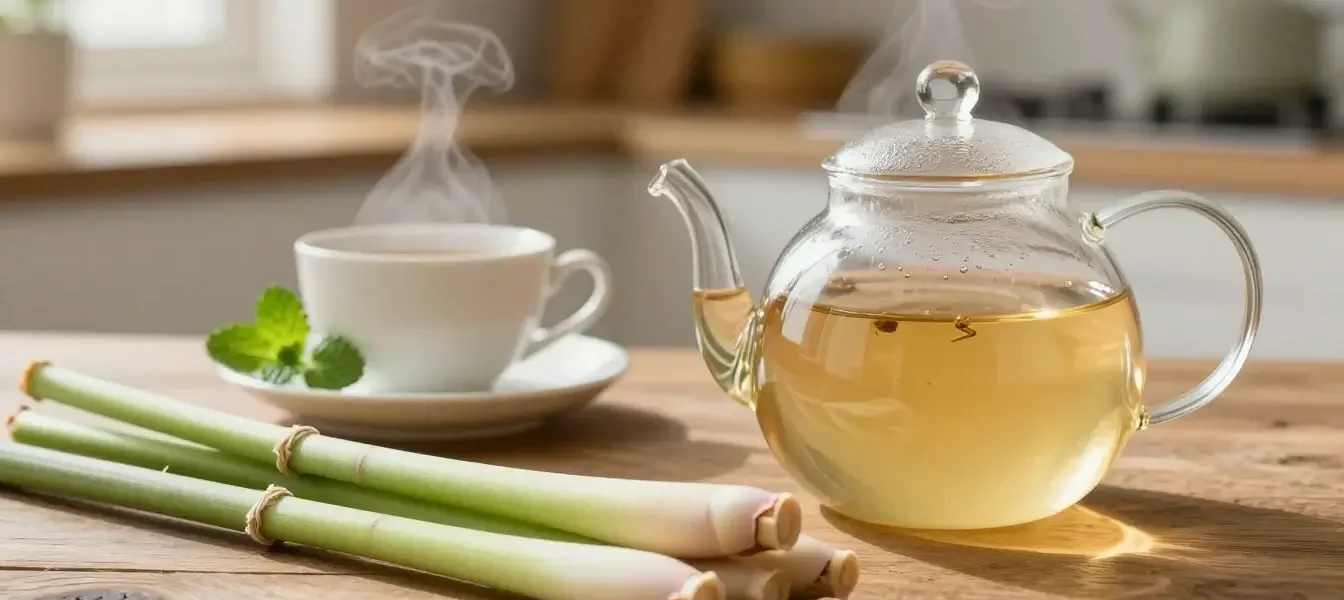
This popular drink comes from Cymbopogon citratus, a tropical grass with a citrusy smell. To make lemongrass tea, you steep the stalks and leaves in hot water. This releases the essential oils.
The amount of active compounds can change with each batch. This makes it hard to know the exact strength of a homemade cup. This difference is why herbal teas are not like standard medicines.
What High Blood Pressure Means for Your Health
Managing high blood pressure is key for long-term health. High blood pressure puts too much strain on your arteries.
This strain can lead to heart disease, stroke, and kidney damage over time. Keeping your blood pressure in check is vital for your organs and life span.
Why a Herbal Tea Cannot Replace Blood Pressure Treatment
While Cymbopogon citratus tea is calming, it can’t replace medical treatment. Herbal teas don’t have the standardization needed for serious heart conditions.
Always stick to your doctor’s treatment plan unless they say to change it. The table below shows why herbal teas and medical treatments are different.
Feature
Lemongrass Tea
Prescribed Medication
Standardization
Varies by preparation
Strictly regulated
Primary Use
Hydration and enjoyment
Disease management
Clinical Oversight
None required
Required by physician
Safety Profile
Generally mild
Clinically tested
Is Lemongrass Tea Good for High Blood Pressure?
If you’re looking to support your heart, you might have heard about lemongrass tea. It’s a drink many enjoy for its unique taste. But, it’s key to know the difference between general wellness and actual medical treatment.
What Possible Benefits May Make Lemongrass Tea Helpful
There are good reasons to add this drink to your routine. Choosing lemongrass tea benefits means you’re opting for a healthier choice over other drinks.
It’s a caffeine-free option compared to coffee or black tea.
It’s a better choice than sugary drinks or juices, cutting down on empty calories.
It helps you stay hydrated, which is vital for your health, making it easier to drink enough water.
Enjoying a warm cup can be calming, helping you deal with daily stress.
Why the Evidence Does Not Prove It Lowers Blood Pressure
Even though it’s refreshing, it’s important to know it’s not a proven herbal tea for blood pressure management. Many people mix up indirect health benefits with a direct effect on blood pressure.
There’s no scientific proof that drinking this tea will lower your blood pressure. While it offers benefits like better hydration or stress relief, these are not enough to replace medical treatment or established health practices.
How Lemongrass Tea Compares With Proven Blood Pressure Strategies
When looking for natural blood pressure support, it’s easy to get lost in wellness trends. Always focus on methods backed by medical science.
The table below shows how lifestyle habits compare to herbal beverages:
Strategy
Impact on Blood Pressure
Evidence Level
Prescribed Medication
High (Direct)
Strong
DASH-Style Diet
High (Direct)
Strong
Regular Exercise
Moderate (Direct)
Strong
Herbal Tea
Low (Indirect)
Limited
Consistency is key to managing heart health. Enjoying a cup of tea is fine as part of a balanced lifestyle. But, it should never be seen as a cure for high blood pressure. Always follow your doctor’s advice to protect your heart.
How Lemongrass Tea Might Affect Blood Pressure
Have you ever thought about how a simple cup of herbal tea could affect your blood pressure? Many people enjoy lemongrass tea for its refreshing taste. But researchers are looking into the lemongrass tea benefits that might happen at a cellular level. It’s important to know the difference between lab results and real-life experiences.
Possible Effects on Blood Vessel Relaxation
Scientists are interested in how lemongrass tea might relax blood vessels. They’ve found that certain compounds in the plant can widen blood vessels. This could help blood flow more smoothly through your arteries.
The Role of Antioxidant and Anti-Inflammatory Compounds
Your body fights oxidative stress, which can harm your heart over time. The lemongrass antioxidants in the plant might help fight these harmful free radicals. By reducing inflammation, they could support better heart health and blood vessel function.
How Mild Diuretic Effects Could Influence Fluid Balance
Some studies suggest lemongrass tea might have a mild diuretic effect. This could help your kidneys release more sodium and water. Lowering fluid volume is a way to reduce pressure on artery walls.
Why These Proposed Effects May Not Be Strong or Consistent
These biological pathways sound promising, but they’re often seen in lab tests or animal studies. The amount of active compounds in a cup of tea is much lower than in research. Several factors can affect how your body responds:
The specific variety and quality of the lemongrass used.
How long you steep the tea, which changes the concentration of nutrients.
Your individual health status and any medications you currently take.
These effects can be subtle, so they might not be enough to manage high blood pressure alone. The table below shows the difference between theoretical benefits and what actually happens in real life:
Mechanism
Theoretical Potentia
Clinical Reality
Vasodilation
High
Limited evidence
Fluid Balance
Moderate
Very mild
Inflammation
High
Inconsistent
Tea should not be relied on as a primary treatment. Always prioritize proven medical strategies. View herbal tea as a gentle addition to your lifestyle, not a cure.
What Research Says About Lemongrass and Blood Pressure
Have you ever wondered what lemongrass tea and blood pressure studies show? Many people love this herb for its taste. But, it’s important to know the medical facts for your health.
Findings From Laboratory and Animal Studies
Scientists test plants in controlled settings to see their effects. In lab and animal studies, lemongrass’s compounds might relax blood vessels and lower inflammation.
These studies hint that lemongrass could affect fluid balance in the body. Yet, remember that results from lab animals or dishes don’t always apply to humans. These findings are just the start of understanding its effects.
What Limited Human Research Can and Cannot Show
Research on lemongrass tea blood pressure is very limited. There’s no solid evidence that drinking this tea will lower your blood pressure.
Human studies haven’t shown its long-term safety or how it works with medicines. Don’t use herbal tea as a replacement for your doctor’s advice.
Why Tea Strength, Dose, and Preparation Affect Results
Finding a standard lemongrass tea dosage is hard for researchers. The amount of active compounds in your tea depends on many things, like the quality of the leaves and the water temperature.
The steeping time also affects the tea’s chemical makeup. Because these factors vary, it’s hard to get a consistent dose.
Important Differences Between Lemongrass Tea and Concentrated Extracts
It’s key to know the difference between regular tea and lemongrass extract vs tea. Extracts have much higher levels of active ingredients than steeped leaves.
These extracts can have unpredictable amounts of compounds. This can be too strong for your body. Always be careful, as supplements are much stronger than herbal teas.
Study Type
Focus Area
Reliability for Humans
Laboratory/Animal
Biological mechanisms
Low (Preliminary)
Small Human Trials
Safety and trends
Moderate (Limited)
Clinical Reviews
Proven medical outcomes
High (Standard)
How to Drink Lemongrass Tea Safely
Adding herbal drinks to your daily routine needs careful thought. It’s important to focus on lemongrass tea safety when looking for herbal tea for blood pressure support. By following simple steps, you can enjoy this tea as part of a healthy lifestyle.
Choosing Plain Lemongrass Tea Without Excess Added Sugar
Opt for plain, high-quality lemongrass tea to avoid additives. Many commercial teas have hidden sugars or artificial sweeteners that can harm your health.
Drinking sugary drinks can make it tough to keep a healthy weight. Weight management is key for heart health. So, picking unsweetened options is a smart, heart-healthy choice.
Preparing a Moderate Cup at Home
Making lemongrass tea at home is easy and lets you control what’s in your cup. You can use fresh stalks or dried leaves for a soothing brew.
Clean your fresh lemongrass stalks well before cutting them.
Steep the pieces in hot, filtered water for about five to ten minutes.
If using commercial tea bags, always follow the specific instructions on the packaging.
How Often You Might Drink It as a Beverage
You can enjoy this tea sometimes or as a regular part of staying hydrated. There’s no set rule on how often, but it’s good to drink in moderation.
“Nature provides us with many gentle tools for wellness, but balance remains the most important ingredient in any health journey.”
Why You Should Avoid Treating Tea as a Blood Pressure Dose
Remember, there’s no set lemongrass tea dosage for blood pressure. Don’t see this tea as a replacement for your medical treatments.
Don’t skip doctor visits or change your meds because of tea. Always consult with your healthcare provider before making big changes to your health plan.
Who Should Be Careful With Lemongrass Tea
Herbal teas are often thought to be safe, but it’s important to know about lemongrass tea safety. Even natural ingredients can affect how your body works. This is true, even if you’re managing health conditions.
Potential Interactions With Blood Pressure Medicines
If you take heart health medicine, watch out for blood pressure medication interactions. Herbs that affect fluid balance or blood vessel tone can change how your drugs work.
Using these substances together can lead to unpredictable effects. It’s essential to talk to your healthcare provider before adding herbal teas to your routine.
Possible Concerns With Diuretics, Diabetes Medicines, and Blood Thinners
Be extra careful if you’re on diuretics, diabetes meds, or blood thinners. These drugs change your body’s chemistry. Adding an herb can make things complicated.
“The interaction between herbal supplements and conventional medicine is a complex field that requires professional oversight to ensure patient safety.” — Medical Wellness Expert
Why Pregnancy and Breastfeeding Require Medical Guidance
Pregnancy and breastfeeding are times to be very careful about what you eat. There’s not much research on lemongrass tea’s safety for pregnant or nursing moms.
Because we don’t fully understand its effects, it’s best to get medical guidance. Always choose professional advice over wellness trends during these sensitive times.
Allergies, Stomach Upset, Dizziness, and Other Possible Side Effects
Adding any new food or drink can cause herbal tea side effects. Some people might feel stomach upset, dizziness, or weakness after drinking it.
Allergic reactions are also possible, if you’re sensitive to similar plants. Watch how your body reacts after your first few cups.
When to Stop Drinking Lemongrass Tea and Contact a Clinician
If you feel persistent discomfort, stop drinking the tea right away. Call your clinician if you have skin rashes, trouble breathing, or a big change in blood pressure.
Your health is a priority. It’s always better to be safe when trying new drinks. If you’re unsure, ask your doctor for advice.
How to Pair Lemongrass Tea With Proven Blood Pressure Habits
Herbal tea, like lemongrass, is nice but it’s best when you also follow good habits. Think of it as a helpful addition to your natural blood pressure support plan. But remember, being consistent is key to keeping your heart healthy for a long time.
Following Your Prescribed Medication Plan
Your doctor gives you a special plan based on your health. It’s very important to take your medicine exactly as told. Never skip a dose or stop taking it because you think herbal teas can replace it.
Reducing Sodium Through the DASH-Style Eating Pattern
The DASH diet for blood pressure is a great way to protect your heart. It focuses on foods like fresh veggies, fruits, whole grains, beans, and nuts. Eating these foods and avoiding salty, processed foods helps your body work better.
Staying Active and Maintaining a Healthy Weight
Being active helps your heart work better. Try to do moderate exercise like walking or swimming most days. This, along with a healthy diet, helps you keep a good weight, which is good for your heart.
Limiting Alcohol, Avoiding Tobacco, and Managing Stress
What you do every day affects your blood pressure. Drinking less alcohol and not smoking are big steps for heart health. Also, finding ways to relax, like meditation or nature walks, can help keep your blood pressure steady.
Using Home Blood Pressure Readings to Track Your Progress
Tracking your home blood pressure monitoring is very helpful. Use a good, upper-arm cuff device to get accurate readings. Keep a log of your readings and share them with your doctor to help them adjust your treatment.
Habit Category
Primary Goal
Key Action
Dietary
Lower Sodium
Follow DASH guidelines
Physical
Heart Efficiency
Daily moderate exercise
Monitoring
Data Tracking
Use validated home devices
Lifestyle
Stress Reduction
Avoid tobacco and alcohol
When to Ask Your Doctor About Lemongrass Tea or High Readings
Managing high blood pressure is a team effort between you and your doctor. Natural remedies like lemongrass tea might seem good, but your doctor knows best how they fit into your health plan.
Questions to Ask Before Adding Herbal Tea to Your Routine
Before starting lemongrass tea, make a list of questions for your doctor. Ask about the tea’s quality and if it could affect your medicines.
Talk about your health, like if you’re pregnant or have chronic conditions. Always verify if the tea is safe with your treatment plan.
Using home blood pressure monitoring is helpful. But remember, these devices are not a substitute for a doctor’s check-up.
Blood Pressure Readings That Need Prompt Medical Attention
If your blood pressure is always high, you should see a doctor. High readings that are way off from usual need quick attention.
“The art of medicine consists of amusing the patient while nature cures the disease.”Voltaire
High readings that keep happening need a doctor’s look. They can check if your lifestyle or medicines need a change to control your high blood pressure.
Recognizing Emergency Symptoms Such as Chest Pain or Severe Shortness of Breath
Some symptoms are emergencies that need quick help. If you have chest pain, can’t breathe well, or feel confused, call for emergency care right away.
Other signs to watch for are fainting, feeling weak, or sudden vision changes. These are serious and should not be ignored, no matter your blood pressure.
Conclusion
Drinking herbal tea can be a calming part of your day. But, lemongrass tea isn’t a proven cure for high blood pressure. It’s a tasty, caffeine-free drink, not a health substitute.
Your heart health needs steady habits. Stick to your doctor’s advice, eat less salt, and exercise regularly. Keeping a healthy weight and managing stress are key for your heart.
Always check with your doctor before trying new herbal teas. This is critical if you have diabetes, kidney disease, or are pregnant. Tell your doctor about any herbal supplements to avoid bad reactions with your medicines.
Knowing when to see a doctor for high blood pressure is important. Go to the doctor if your blood pressure stays high or if you have chest pain or trouble breathing. Taking care of your heart with regular check-ups is essential.
Can lemongrass tea replace my prescribed blood pressure medication?
No, you should never replace your medical treatment with herbal infusions. Lemongrass tea, from the Cymbopogon citratus plant, is relaxing but lacks the active compounds in medicines like Lisinopril or Amlodipine. Always follow your doctor’s treatment plan and consult them before making any changes.
What are the possible health benefits of drinking lemongrass tea for hypertension?
Drinking lemongrass tea can help your heart health indirectly. It’s a great, caffeine-free drink that keeps you hydrated without the blood-pressure-raising effects of caffeine or sugar. Its natural scent may also help manage stress, which can raise blood pressure.
Does scientific research prove that lemongrass tea lowers blood pressure in humans?
Current evidence is limited. Some studies suggest lemongrass’s antioxidants and anti-inflammatory compounds may relax blood vessels. But, these results haven’t been proven in large human trials. Experts say it’s a healthy drink but not a main treatment for high blood pressure.
Are there any side effects or medication interactions I should worry about?
Yes, you should be careful. Lemongrass might have a mild diuretic effect, which could affect your fluid and electrolyte balance if you’re on diuretics like Hydrochlorothiazide. It may also interact with diabetes medications and blood thinners. Pregnant or breastfeeding women should talk to a doctor before drinking it.
How should I prepare lemongrass tea to ensure it stays healthy?
For the best results, steep fresh or dried lemongrass in hot water for five to ten minutes. Choose plain tea or reputable brands like Traditional Medicinals and Bigelow. Avoid adding too much sugar or honey, as it can harm your heart health and weight goals.
What proven lifestyle strategies should I pair with my tea?
For the best results, pair your tea with the DASH-style eating pattern. This diet is low in sodium and high in potassium. Regular exercise, a healthy weight, and using a home blood pressure monitor like an Omron cuff are more effective than herbal remedies alone.
When should I contact a doctor regarding my blood pressure?
Contact your healthcare provider if your home monitor shows consistently high readings or if you have side effects like dizziness or stomach upset after drinking the tea. Seek emergency help if you have chest pain, severe shortness of breath, or sudden weakness, as these could be serious signs.
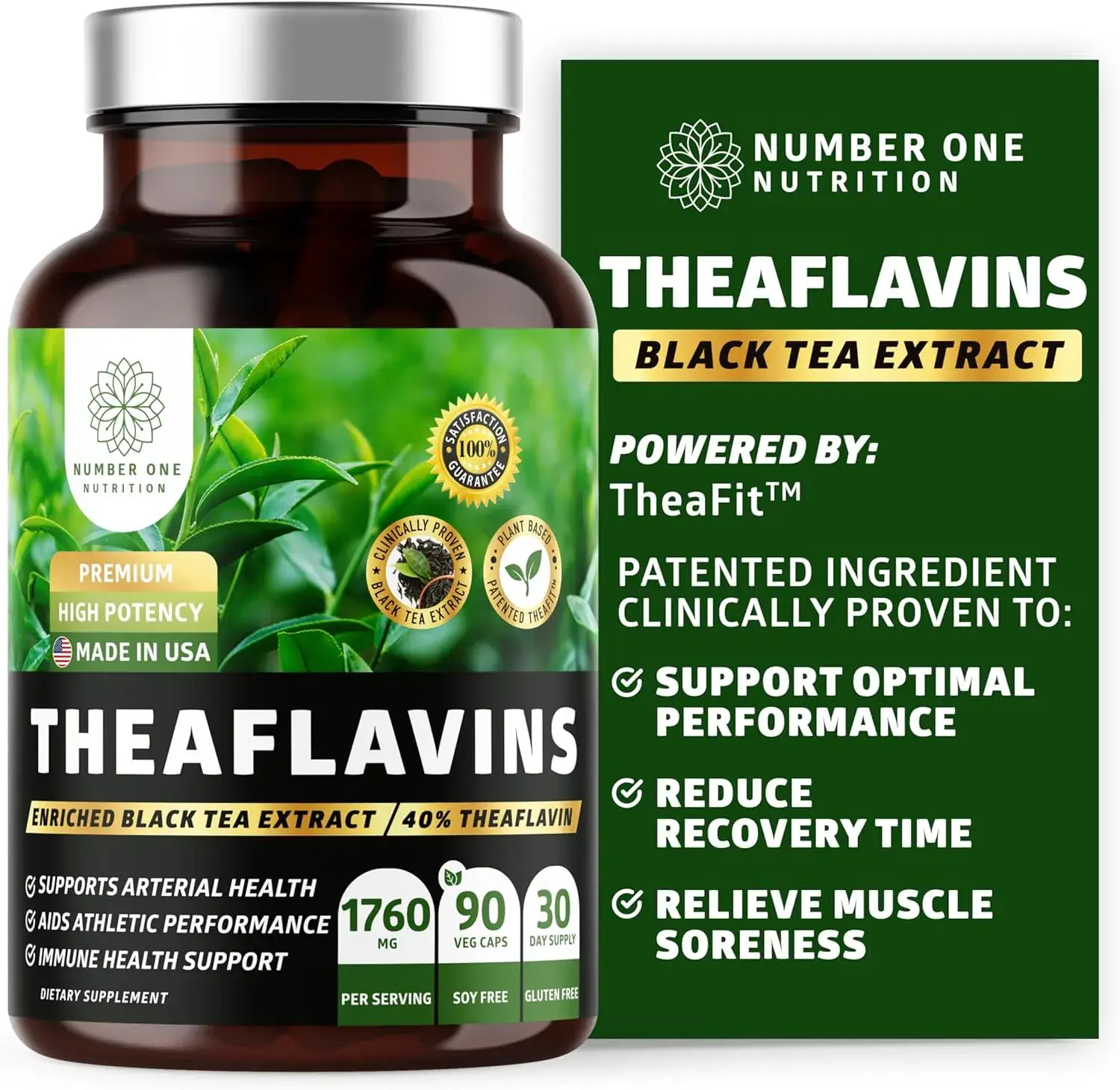
Black Tea Extract that is rich in natural theaflavins and polyphenols that help protect your body from free radicals, promoting overall immune health and well-being
Contains blended amounts of Fruits and Veggies. All natural, with whole foods, fruit and vegetable supplement.Perfect for everyone looking to live a healthier lifestyle.