If your weight-loss routine feels like a grind of restriction and willpower, a simple cup of fruit tea might be the easiest habit you’re missing. The right fruit tea for weight loss won’t melt fat on its own, but it can quietly support the things that actually move the needle: fewer sugary drinks, better digestion, a steadier metabolism, and a moment of calm that keeps stress eating in check.
In this guide, we’re ranking the five fruit teas with the strongest track record for supporting weight loss, explaining exactly why each one works, and showing you how to brew them for the best results. No fads, no miracle claims — just real habits you can start today.
Why Fruit Tea Beats Other Weight-Loss Drinks
Walk down any grocery store aisle and you’ll find dozens of drinks marketed for weight loss — diet sodas, flavored waters, cold-pressed juices, “detox” shots. Most of them either carry hidden sugar, rely on artificial sweeteners that some people find trigger more cravings, or cost far more than a box of loose-leaf tea. Fruit tea sidesteps all of that.
A cup of fruit tea typically has close to zero calories, no added sugar unless you put it there yourself, and none of the artificial additives found in many “diet” beverages. It also gives you something warm and satisfying to hold onto during a craving, which plain water often doesn’t. That combination — near-zero calories, genuine satisfaction, and real (if modest) metabolic support from the tea and fruit compounds themselves — is what makes fruit tea such a practical tool for weight loss, rather than just another trend.
It’s also worth being clear about what fruit tea isn’t. It won’t undo a diet that’s consistently higher in calories than your body needs, and it isn’t a substitute for sleep, movement, or protein-rich meals. Think of it as a lever you can pull alongside those fundamentals — one that makes the healthy choice (water and tea instead of soda and juice) the easy choice.
1. Hibiscus Tea — The Tart Metabolism Booster
Hibiscus tea consistently tops lists of the best fruit tea for weight loss, and for good reason. Made from the dried calyces of the Hibiscus sabdariffa plant, it has a naturally tart, cranberry-like flavor that pairs beautifully with other fruits.
Why It Works
Hibiscus is rich in plant compounds called polyphenols, which research has linked to improved fat metabolism and a modest reduction in the absorption of dietary carbohydrates and fat. Some studies also suggest hibiscus may help lower cortisol, the stress hormone associated with stubborn belly fat. It’s naturally caffeine-free, low in calories, and mildly diuretic, which can ease water-weight bloating.
How to Brew It
Steep 1–2 teaspoons of dried hibiscus (or one tea bag) in 8 oz of hot water for 5–7 minutes.
Add a slice of fresh ginger or a squeeze of lime to soften the tartness.
Serve chilled over ice in summer for a refreshing, sugar-free alternative to soda.
Best Time to Drink It
Because it’s caffeine-free, hibiscus tea works any time of day — many people find it most effective 20–30 minutes before a meal, when it can take the edge off appetite and reduce the urge to reach for a sugary drink instead.
2. Green Tea with Berries — The Antioxidant Powerhouse
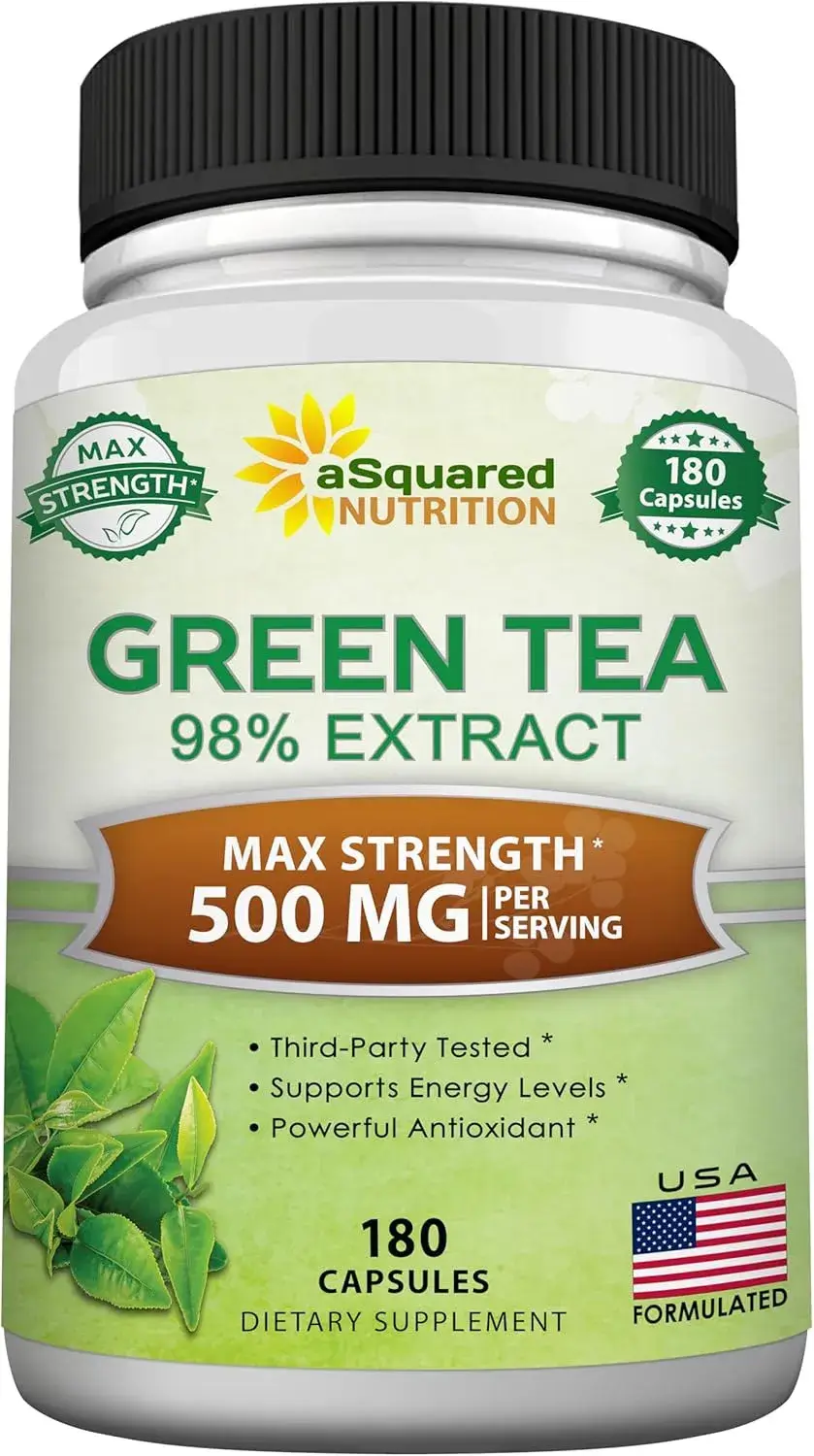
Pairing green tea with fruit like raspberries, blueberries, or strawberries isn’t just about flavor — it combines two of the most studied compounds in the weight-management world: catechins and fruit polyphenols.
Why It Works
Green tea contains a catechin called EGCG, which has been associated in research with a small, temporary boost to calorie burning and fat oxidation, especially when combined with regular activity. Adding berries brings additional antioxidants and a touch of natural sweetness, so you’re less tempted to add sugar or honey.
How to Brew It
Steep green tea leaves or a bag in water just off the boil (175°F/80°C) for 2–3 minutes — boiling water makes it bitter.
Muddle a handful of fresh or frozen berries directly in the pot, or let them steep alongside the tea.
Strain and drink warm, or make a big batch and refrigerate for iced berry green tea.
Best Time to Drink It
Because green tea contains some caffeine, it’s best enjoyed in the morning or early afternoon, ideally about 30 minutes before a workout to make the most of its mild metabolic lift.
3. Rooibos and Apple Tea — The Caffeine-Free, Fat-Friendly Option
Rooibos, or “red bush” tea, is a South African herbal tea with a naturally sweet, nutty flavor that pairs perfectly with dried apple and cinnamon. It’s an underrated pick for anyone who wants weight-loss support without any caffeine at all.
Why It Works
Rooibos contains aspalathin, a unique flavonoid that early research suggests may help regulate blood sugar and reduce stress-related fat storage. Combined with apple’s natural fiber (if you use real dried apple pieces rather than flavoring), this blend can help you feel fuller for longer and curb the blood sugar spikes that often trigger cravings.
How to Brew It
Steep rooibos with dried apple pieces and a cinnamon stick in hot water for 5–8 minutes — rooibos is hard to over-steep, so let it go strong.
Add a splash of oat milk for a dessert-like treat with almost no added sugar.
Batch-brew and keep it in the fridge for a naturally sweet iced tea alternative.
Best Time to Drink It
Rooibos and apple tea makes an excellent evening drink. Its lack of caffeine means it won’t disrupt sleep, and sipping something warm and slightly sweet in the evening can help satisfy cravings that would otherwise send you to the pantry.
4. Citrus and Ginger Fruit Tea — Digestion and Detox Support
Bright, zesty, and warming, a citrus and ginger fruit tea blend is one of the most popular choices for people focused specifically on digestion and bloating — two factors that heavily influence how “light” or “heavy” you feel day to day.
Why It Works
Ginger has long been used to ease digestive discomfort and nausea, and some research suggests it may modestly increase feelings of fullness after meals. Citrus fruits like orange, lemon, and grapefruit add vitamin C and a burst of flavor without added sugar, making this tea a satisfying substitute for fruit juice or flavored soda, both of which are calorie-dense in ways that add up quickly.
How to Brew It
Simmer a few slices of fresh ginger in water for 5 minutes, then remove from heat.
Add orange or lemon slices and a black or green tea bag if you want a caffeine lift, or leave it herbal.
Steep an additional 3–4 minutes, then strain and enjoy hot.
Best Time to Drink It
This blend shines after meals. A warm cup of citrus-ginger tea post-dinner can support digestion and gives you something to sip instead of reaching for dessert.
5. Pomegranate White Tea — The Gentle Everyday Blend
If bold, tart flavors aren’t your thing, pomegranate white tea offers a milder, more approachable route to the same goal. White tea is the least processed of all true teas, which helps it retain a delicate flavor and a strong antioxidant profile.
Why It Works
Pomegranate is one of the richest fruit sources of antioxidant compounds called punicalagins, which have been studied for their potential role in supporting healthy metabolism and reducing inflammation. White tea itself contains a small amount of caffeine along with catechins similar to green tea, giving this blend a gentle, sustained lift rather than a jolt.
How to Brew It
Steep white tea in water around 175°F (80°C) for 3–4 minutes — like green tea, it turns bitter if the water is too hot or the steep too long.
Add a splash of 100% pomegranate juice or a few fresh arils for natural sweetness.
Serve warm as an afternoon pick-me-up, or chilled as a light, low-calorie iced tea.
Best Time to Drink It
Its mild caffeine content makes pomegranate white tea a good mid-morning or early-afternoon choice, especially as a lower-calorie stand-in for a second coffee or an afternoon snack.
How to Brew Fruit Tea for Maximum Weight Loss Benefits
The tea itself matters, but how you prepare and use it matters just as much. A few habits make the difference between “just another cup of tea” and a drink that actually supports your goals:
Skip the sweetener. Even natural sweeteners add calories. Let the fruit do the flavoring work, and give your palate a few weeks to adjust.
Use it to replace, not add. The biggest weight-loss win usually comes from swapping out a sugary soda, juice, or specialty coffee drink for fruit tea, not from adding another beverage on top of your usual intake.
Pair with real food habits. Fruit tea works best alongside a balanced diet and regular movement. Think of it as a supportive habit, not a stand-alone solution.
Batch brew for consistency. Make a pitcher at the start of the week so a cold, ready-to-drink option is always in the fridge when a craving hits.
Here’s a quick side-by-side comparison of all five teas to help you choose:
Fruit Tea
Caffeine
Primary Benefit
Best Time to Drink
Hibiscus
None
Metabolism & reduced fat/sugar absorption
Before meals
Green Tea with Berries
Moderate
Catechins for fat oxidation
Morning / pre-workout
Rooibos & Apple
None
Blood sugar support, curbs cravings
Evening
Citrus & Ginger
None to low
Digestion & fullness
After meals
Pomegranate White Tea
Low
Antioxidants, gentle energy
Mid-morning / afternoon
Frequently Asked Questions
Does fruit tea really help you lose weight on its own?
No single drink causes weight loss by itself. Fruit tea supports weight loss indirectly — by replacing higher-calorie drinks, easing bloating, and supporting metabolism — but it works best as part of an overall healthy diet and activity routine.
How many cups of fruit tea should I drink per day for weight loss?
Most of the teas on this list are well tolerated at 2–3 cups a day. If a blend contains caffeine, like green tea or white tea, keep total daily caffeine in mind and avoid drinking it too late in the day.
Is it better to drink fruit tea hot or cold for weight loss?
Temperature doesn’t change the core benefits. Choose whichever you’ll actually drink consistently — some people find they drink more water-based fluids overall when it’s iced, which itself supports weight management through better hydration.
Can I add honey or sugar to fruit tea and still see benefits?
A small amount occasionally won’t derail your progress, but regularly sweetening your tea adds back the calories you’re trying to cut by choosing tea over soda or juice in the first place. Try tapering the amount gradually instead of cutting it out overnight.
Are there any risks to drinking fruit tea for weight loss?
Hibiscus tea in particular can interact with certain blood pressure medications and is generally not recommended in large amounts during pregnancy. If you’re on medication, pregnant, or managing a health condition, check with your doctor before making any tea a daily habit.
What’s the best fruit tea for weight loss if I’m sensitive to caffeine?
Hibiscus, rooibos-apple, and most citrus-ginger blends are naturally caffeine-free, making them safe to drink any time of day, including right before bed. Green tea with berries and pomegranate white tea both contain some caffeine, so save those for the morning or early afternoon if you’re sensitive.
How long does it take to see results from drinking fruit tea?
There’s no fixed timeline, since fruit tea works best as a supporting habit rather than a standalone treatment. Most people notice the biggest difference after a few weeks of consistently swapping out sugary drinks for tea, once it’s become a genuine habit rather than an occasional choice.
Final Thoughts
The best fruit tea for weight loss isn’t a magic bullet — it’s a small, repeatable habit that nudges your daily routine in a better direction. Whether you start with tart hibiscus before meals, a berry-green tea in the morning, or a caffeine-free rooibos-apple blend in the evening, the key is consistency over intensity.
Pick one blend from this list, brew a pitcher this week, and use it to replace one sugary drink a day. That single swap, repeated daily, is where real, sustainable results come from.
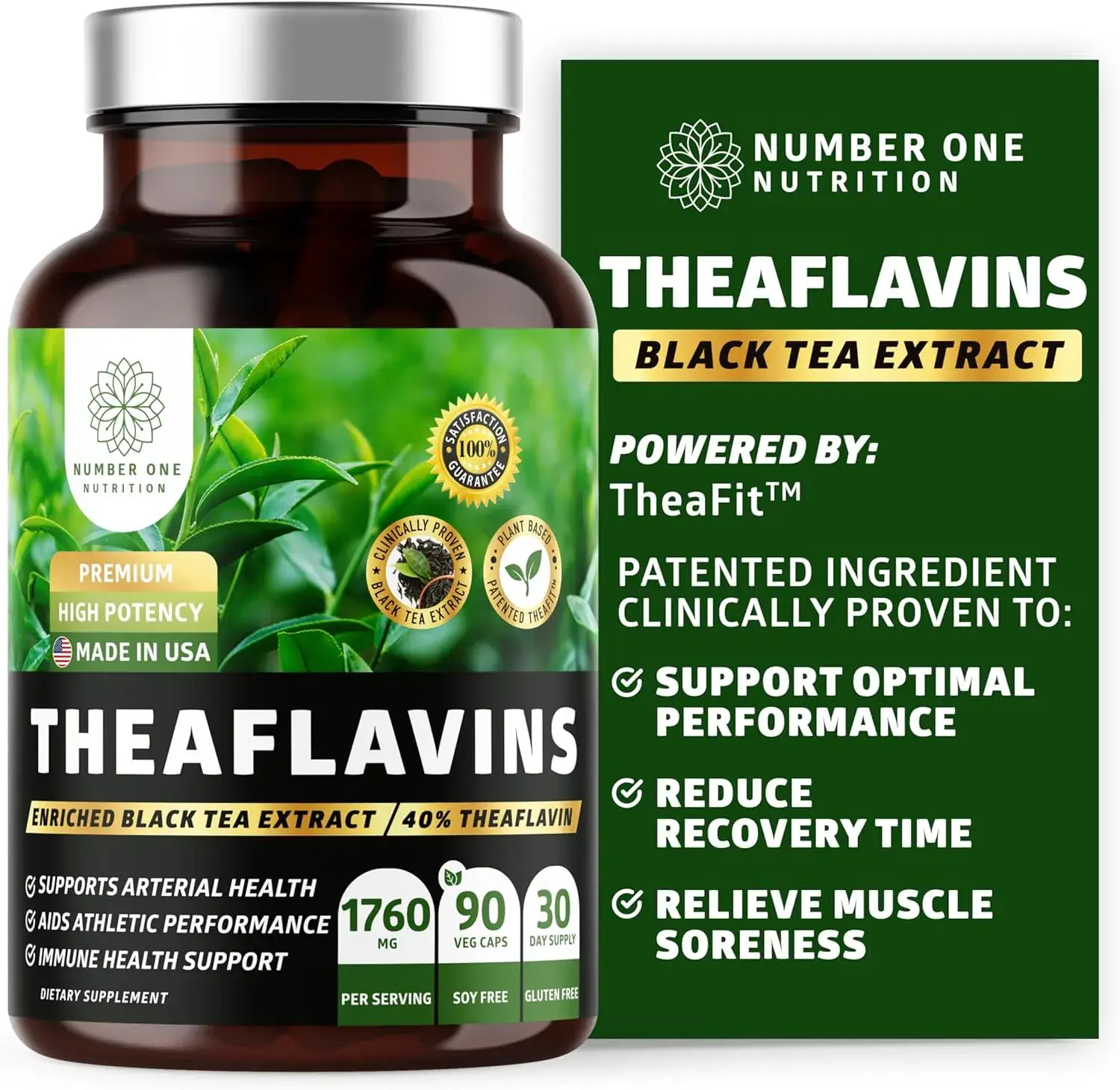
Black Tea Extract that is rich in natural theaflavins and polyphenols that help protect your body from free radicals, promoting overall immune health and well-being
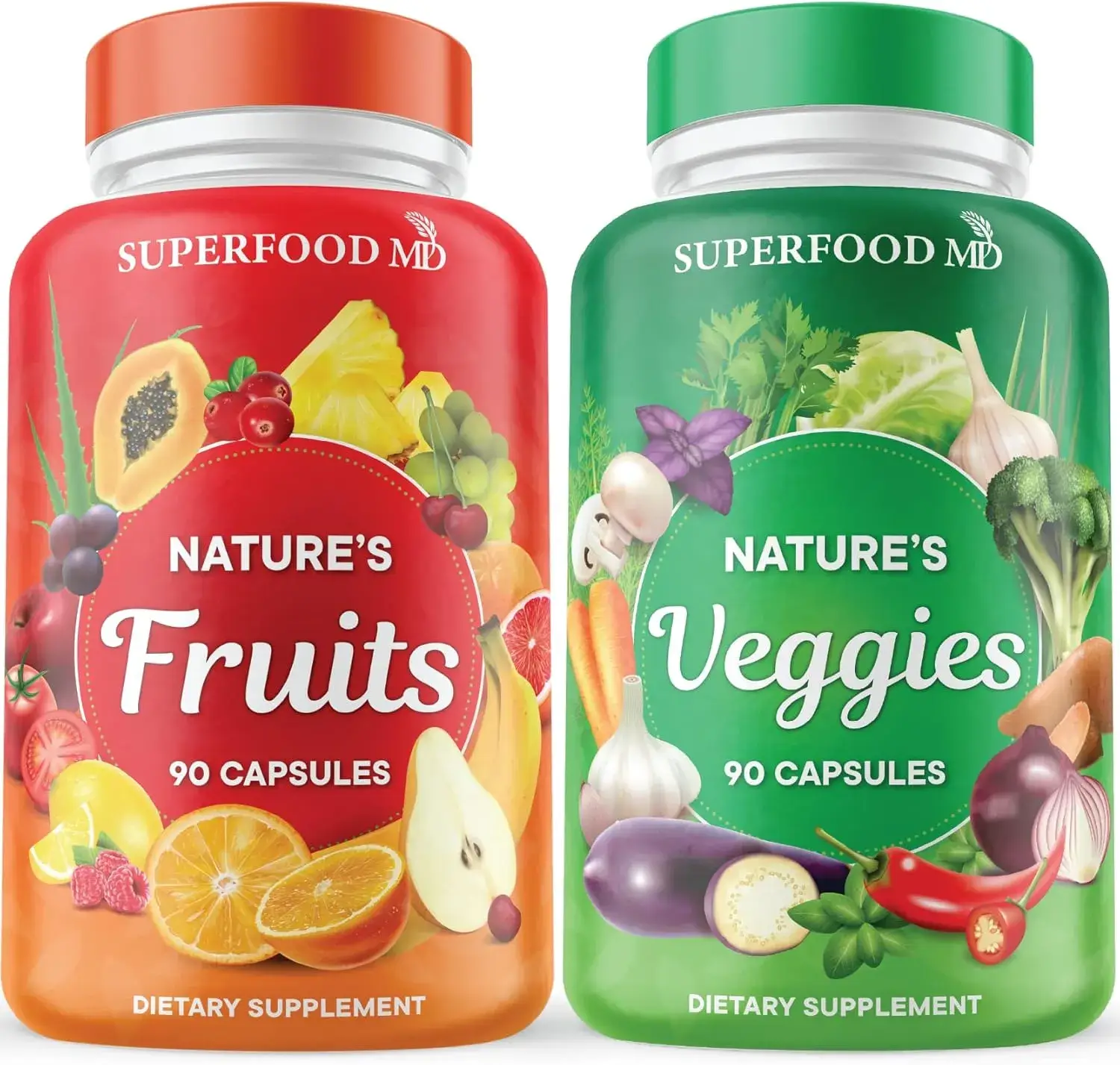
Contains blended amounts of Fruits and Veggies. All natural, with whole foods, fruit and vegetable supplement.Perfect for everyone looking to live a healthier lifestyle.