If you have ever walked past a lawn full of dandelions and wondered whether those “weeds” could help you lose weight, you are not alone. People have brewed dandelion for generations, and it has become a favorite in the herbal tea world. This guide gives you a practical dandelion tea recipe for weight loss, plus an honest look at what the tea can and cannot do.
Here is the short version: dandelion tea is a nearly calorie-free, mildly diuretic drink that can replace sugary beverages and help you feel less puffy. It is not a fat-burning miracle. Used alongside balanced meals and regular movement, though, it can be a pleasant, low-effort habit worth building.
Below you will find the basic recipe, three easy variations, the best times to drink it, and the safety notes you should read before your first cup.
What Is Dandelion Tea and Why Do People Use It for Weight Loss?
Dandelion (Taraxacum officinale) is a common plant that grows almost everywhere. Every part of it is edible, and herbalists have long used it in teas, tonics, and salads. The flavor ranges from lightly bitter and grassy (leaf) to deep, toasty, and coffee-like (roasted root).
Root, Leaf, and Flower: What Is the Difference?
Different parts of the plant make noticeably different teas. Choose based on the taste you want and how much effort you are willing to put in.
Plant Part
Flavor
Best For
Brewing Method
Root (dried)
Earthy, mildly bitter
A gentle daily tea
Simmer 10–15 minutes
Root (roasted)
Toasty, coffee-like
Replacing a morning coffee
Simmer 10–15 minutes
Leaf
Grassy, fresh, slightly bitter
A light afternoon cup
Steep 5–10 minutes
Flower
Mild, faintly sweet
Occasional, delicate infusions
Steep 5 minutes
Why the Weight Loss Connection?
There are three main reasons dandelion tea shows up in weight loss conversations:
It is almost calorie-free. A plain cup contains close to zero calories, so it is an easy swap for soda, juice, or a sweetened latte.
It has a mild diuretic effect. Dandelion has traditionally been used to encourage urination, which may reduce temporary water retention and bloating.
It supports a routine. A warm, slightly bitter drink before a meal can become a mindful pause that helps some people slow down and eat less impulsively.
Does Dandelion Tea Really Help You Lose Weight?
This is the question that matters most, and the honest answer is: probably a little, and mostly indirectly. No tea melts fat on its own, and dandelion is no exception.
What the Research Suggests
Most of the interesting findings come from laboratory and animal studies. Some of that work has found that dandelion extracts may slow the enzyme that helps break down dietary fat, and may influence how the body handles fat and blood sugar. Those results are promising, but they were not produced by drinking a mug of tea, and they do not prove the same effect in people.
High-quality human trials on dandelion tea and weight loss are, at the time of writing, very limited. Anyone who promises specific results, such as “lose 10 pounds in a week,” is overselling.
The Water Weight Factor
Because dandelion is a natural diuretic, you may notice that your rings feel looser or your stomach feels less bloated after a few days. That is a real change on the scale, but it is water, not body fat. It also tends to come back if you become dehydrated and rehydrate afterward.
Where Dandelion Tea Genuinely Helps
The most reliable benefit is behavioral. If you replace two sweetened drinks a day with a cup of unsweetened dandelion tea, you can cut a few hundred calories from your week without feeling deprived. Over months, that kind of small, repeatable change adds up.
Realistic Expectations
Expect a lighter, less bloated feeling within days, not dramatic fat loss.
Expect the best results when the tea replaces higher-calorie drinks.
Expect nothing if the rest of your eating and activity stay the same.
Dandelion Tea Recipe for Weight Loss: Ingredients and Step-by-Step Instructions
This is the base dandelion tea recipe for weight loss that I recommend starting with. It is simple, uses ingredients you can find at most health food stores, and makes one generous mug.
A small drizzle of raw honey (optional, and it adds calories, so use sparingly)
Equipment
Small saucepan with a lid
Fine-mesh strainer
Your favorite mug
Instructions
Combine. Add the dried dandelion root, ginger slices, and water to the saucepan.
Bring to a boil. Heat over medium-high until the water reaches a rolling boil.
Simmer. Reduce the heat, cover, and simmer for 10 to 15 minutes. Roots need longer than leaves to release their flavor.
Strain. Pour the tea through the strainer into your mug.
Finish. Stir in lemon juice and, if you like, a tiny amount of honey.
Sip warm. Drink it slowly, ideally before or between meals.
Using dried leaf instead? Skip the simmer. Pour just-boiled water over the leaf and steep, covered, for 5 to 10 minutes.
Tips for Better Flavor
Roasting the root in a dry pan for a few minutes before brewing gives the tea a deeper, more coffee-like taste.
If the tea tastes too bitter, shorten the steep time or use a little less plant material.
Lemon and ginger balance bitterness without adding meaningful calories.
Batch Prep and Storage
If mornings are hectic, brew a larger batch so a healthy choice is always within reach. Multiply the recipe by four, simmer for the same amount of time, strain, and let the tea cool before pouring it into a glass jar.
Store it in the refrigerator for up to two days.
Reheat gently on the stove or in the microwave, or drink it cold.
Keep dried root and leaf in an airtight container away from light and heat, where it stays flavorful for several months.
Making the tea easy to grab matters more than it sounds. Habits stick when they take almost no willpower.
Three Easy Variations to Keep Your Routine Interesting
Any habit is easier to keep when it does not get boring. These variations use the same core ingredient but change the flavor and the occasion.
1. Roasted Dandelion Root “Coffee-Style” Tea
Use 2 tablespoons of roasted dandelion root for every 2 cups of water. Simmer covered for 15 minutes, strain, and add a splash of unsweetened milk or plant milk if you like. It makes a caffeine-free morning ritual that feels close to coffee.
2. Fresh Dandelion Leaf Tea with Lemon and Ginger
Roughly chop a small handful of young, clean dandelion leaves. Add them to a mug with two ginger slices, pour over hot water, and steep for 8 minutes. Finish with lemon. This version is bright, light, and good for the afternoon.
3. Iced Dandelion Mint Cooler
Brew a double-strength batch of leaf or root tea, let it cool, and pour it over ice with fresh mint and a lemon wheel. Keep a jug in the fridge for up to two days. It is a strong substitute for sweet iced tea in warm weather.
How and When to Drink Dandelion Tea for the Best Results
A good recipe is only half of the picture. How you fit the tea into your day makes a difference to both comfort and consistency.
How Much Should You Drink?
Most people do well with one to three cups per day. Start with one cup for a few days to see how your body responds, then increase if you feel fine. More is not better here, especially because of the diuretic effect.
Best Time of Day
Morning: A warm cup can replace your usual sweet or milky drink.
30 minutes before meals: A small cup may help you feel settled and less likely to overeat.
Early afternoon: A good slot for iced versions when energy dips.
Avoid late evening: Extra bathroom trips can interrupt your sleep.
Pair It with Habits That Actually Move the Needle
The tea works best as a supporting player. Pair it with protein and fiber at meals, a daily walk, and enough sleep. Those are the changes that drive lasting results.
What a Sample Day Might Look Like
Here is one simple way to fit the tea into an ordinary day without overthinking it:
Breakfast: A mug of roasted dandelion root tea alongside eggs or oatmeal instead of a sugary coffee drink.
Before lunch: A small cup of lemon-ginger leaf tea while you get your meal ready.
Mid-afternoon: Iced dandelion mint cooler in place of a soda or juice.
Evening: Switch to a non-diuretic herbal tea, such as chamomile, so your sleep is not interrupted.
How Dandelion Tea Compares with Other Popular Teas
Green tea and oolong contain caffeine and antioxidants, and they are the teas most often studied for metabolism. Dandelion tea is caffeine-free, which makes it a better fit if you are sensitive to stimulants or drink tea later in the day. Many people simply rotate them: green tea in the morning, dandelion in the afternoon. Neither replaces the fundamentals of nutrition and exercise.
Track Progress Sensibly
Weigh yourself no more than once or twice a week, and pay attention to how your clothes fit, your energy, and your digestion. Daily fluctuations, especially from water, can be discouraging and misleading.
Side Effects, Risks, and Who Should Skip Dandelion Tea
Dandelion is generally well tolerated in food-like amounts, but “natural” does not mean “right for everyone.” A few precautions are worth knowing.
Possible Side Effects
Mild stomach upset, heartburn, or loose stools
Increased urination
Skin irritation for people who handle the fresh plant or sap
Allergies
Dandelion belongs to the daisy family. If you are allergic to ragweed, daisies, chrysanthemums, marigolds, or similar plants, you may react to dandelion as well. Stop drinking it if you notice itching, rash, or swelling.
Health Conditions and Medications
Check with your doctor or pharmacist first if you:
Have gallstones, a bile duct blockage, or kidney problems
Take diuretics, lithium, blood thinners, or diabetes medication
Take certain antibiotics, since dandelion may affect how some are absorbed
Are pregnant or breastfeeding, since safety data is limited
Sourcing Safely
If you forage, only pick from areas you are sure are free of pesticides, herbicides, and road pollution, and never from a lawn that has been treated. When in doubt, buy certified organic dried root or leaf from a reputable supplier.
Frequently Asked Questions About Dandelion Tea for Weight Loss
Can I drink dandelion tea every day?
For most healthy adults, one to three cups a day is considered reasonable. Listen to your body, take breaks if you notice digestive upset, and speak with a healthcare professional if you take medication or have a medical condition.
How long does dandelion tea take to work?
You may notice less bloating within a few days, since the effect is mostly related to water balance. Changes in body fat, if they happen, will depend on your overall diet, activity, and sleep and will take weeks to months.
Is dandelion root or leaf better for weight loss?
Neither has been proven superior. Root tends to be favored for a deeper, coffee-like drink, while leaf is commonly chosen for its diuretic reputation and lighter flavor. Pick the one you will actually enjoy drinking consistently.
Does dandelion tea burn belly fat?
No tea can target fat in one area of the body. Dandelion may help you feel less bloated around the midsection, but reducing belly fat requires an overall calorie balance, movement, and time.
Can I add sweetener to dandelion tea?
You can, but keep it minimal. A teaspoon of honey adds roughly 20 calories, which is fine occasionally, but heavy sweetening cancels out the main advantage of the tea. Lemon, ginger, cinnamon, or mint are better flavor boosters.
Conclusion: Is This Dandelion Tea Recipe for Weight Loss Worth Trying?
Dandelion tea will not do the work for you, but it can be a smart, gentle addition to a healthier routine. This dandelion tea recipe for weight loss is easy to make, nearly calorie-free, and flexible enough to enjoy hot, iced, or coffee-style.
To recap: it may ease water retention, it works best when it replaces sugary drinks, and it should be one part of a routine that includes nutritious food, movement, and rest. Check in with a healthcare professional first if you have a health condition or take medication.
Ready to give it a go? Brew your first cup tomorrow morning, keep it simple, and see how you feel after a week. Small, steady habits are what make a real difference over time.
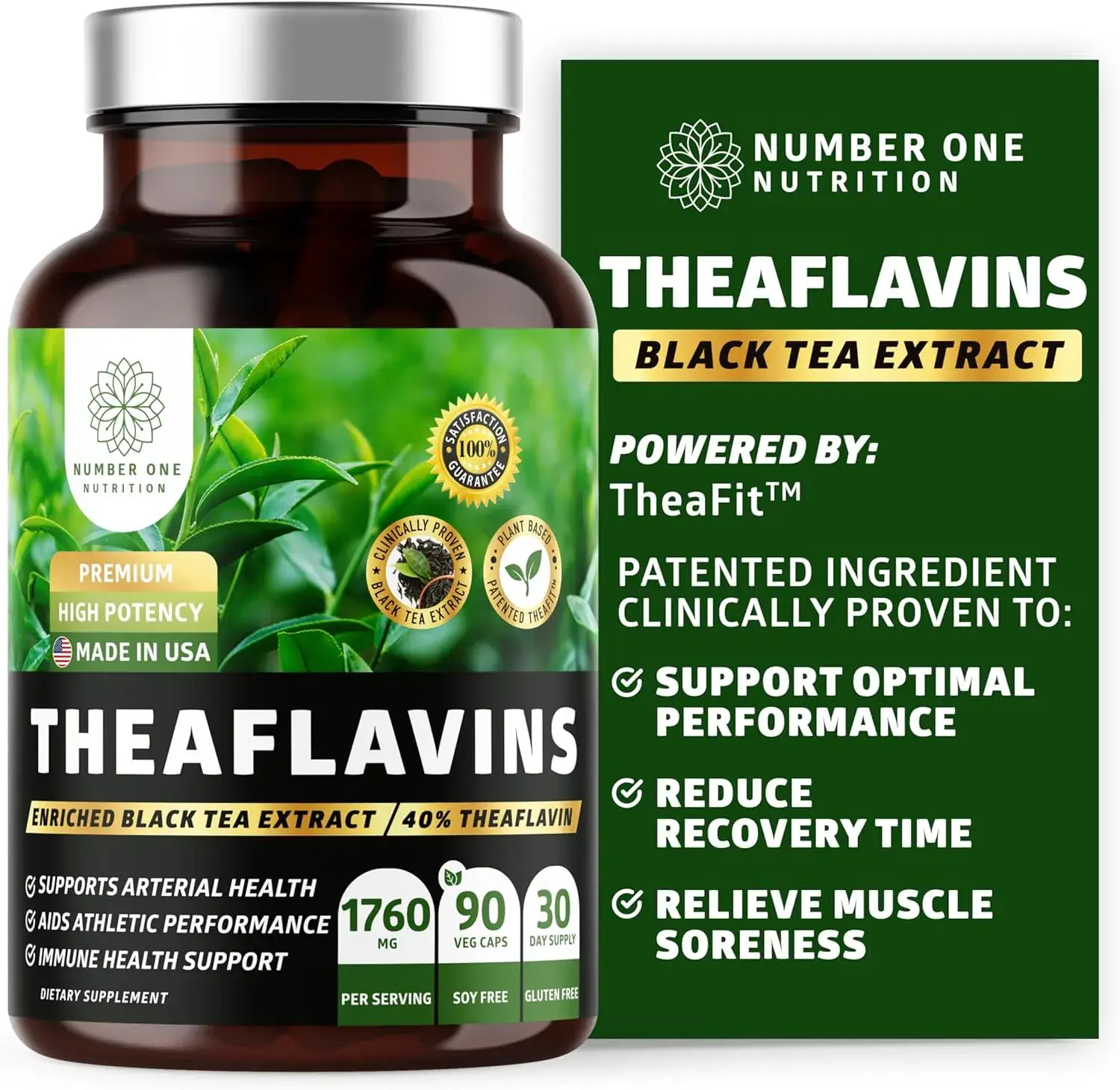
Black Tea Extract that is rich in natural theaflavins and polyphenols that help protect your body from free radicals, promoting overall immune health and well-being
Contains blended amounts of Fruits and Veggies. All natural, with whole foods, fruit and vegetable supplement.Perfect for everyone looking to live a healthier lifestyle.