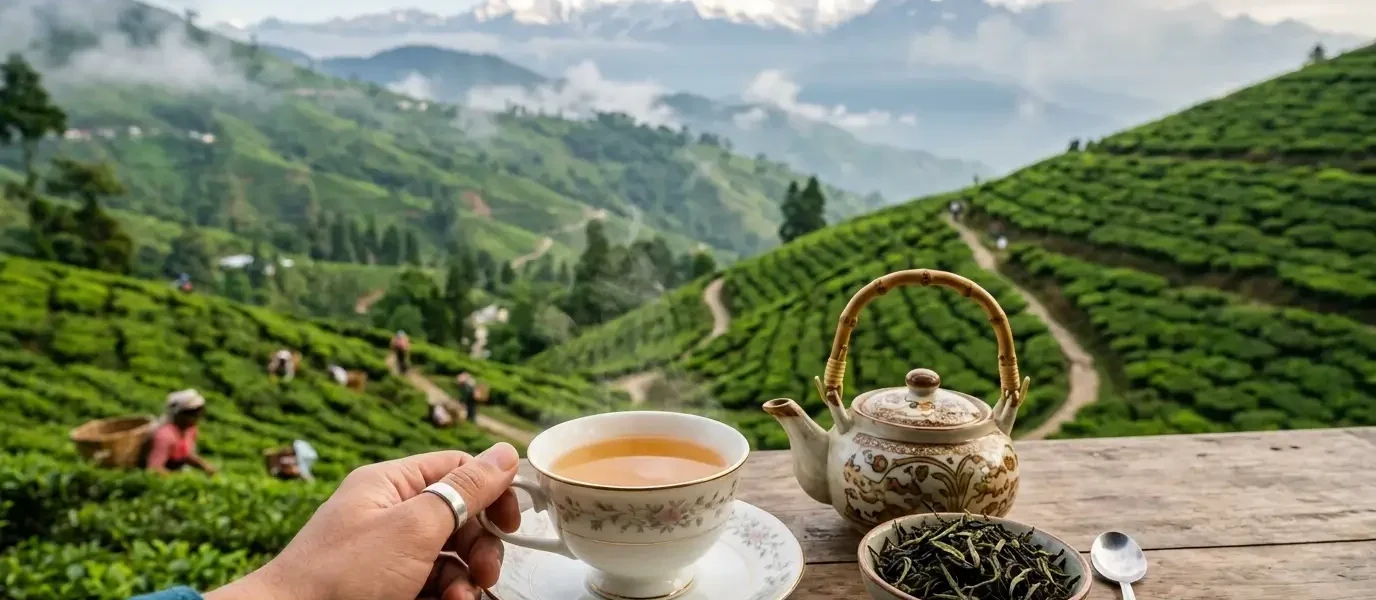
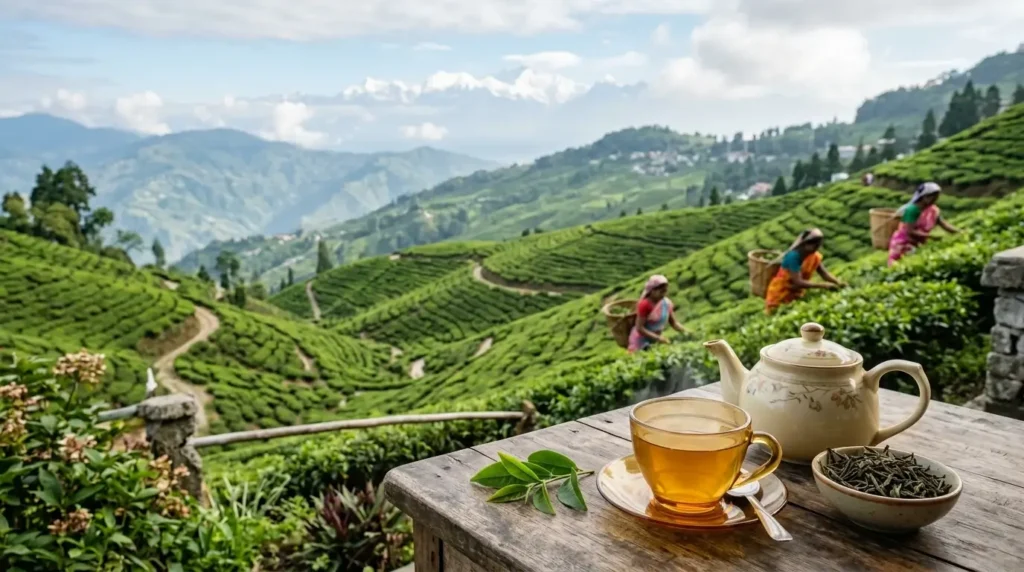
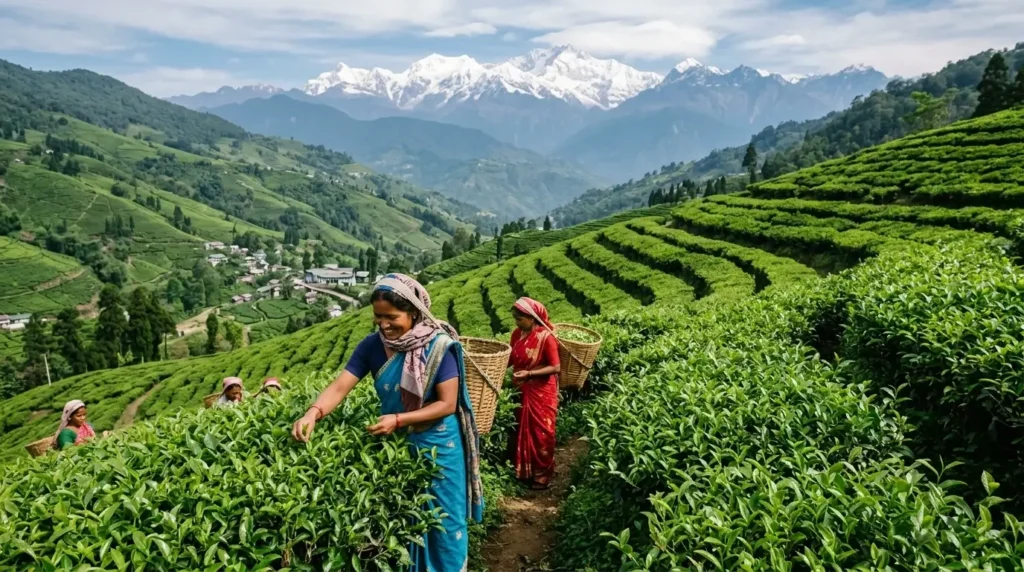
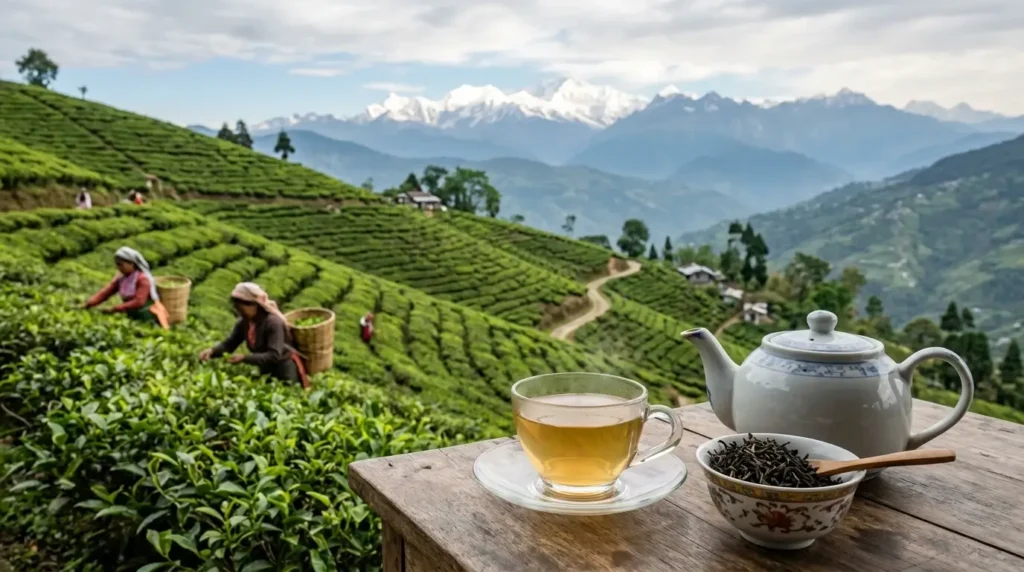
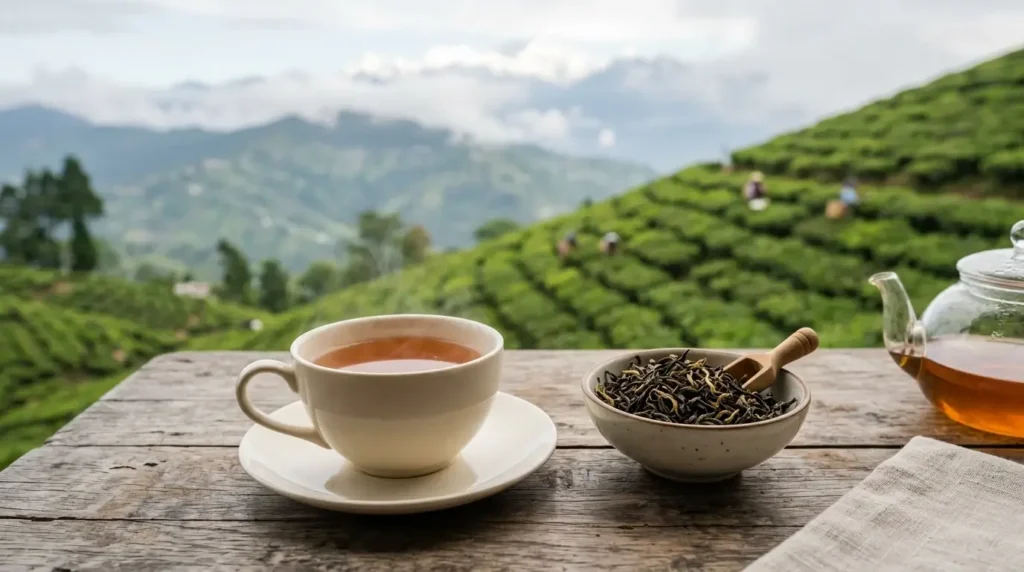
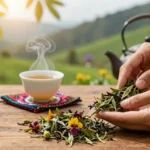
There’s a reason Darjeeling tea is called the “Champagne of Teas.” Grown in the misty Himalayan foothills of West Bengal, India, this extraordinary tea has captivated tea lovers around the world for over a century — not just for its delicate, muscatel flavor, but for a surprisingly impressive list of health benefits.
But like any powerful natural beverage, Darjeeling tea isn’t without its caveats. Drinking too much, or drinking it at the wrong time, can lead to some unwanted side effects.
In this comprehensive guide, we break down everything you need to know about Darjeeling tea benefits and side effects — from its rich antioxidant profile to its caffeine content, digestive effects, and safe daily intake. Whether you’re a longtime fan or exploring it for the first time, this article will help you drink smarter and feel better.
What Is Darjeeling Tea?
Darjeeling tea is a type of tea produced exclusively in the Darjeeling district of West Bengal, India, at elevations ranging from 600 to 2,000 meters above sea level. It is harvested from the Camellia sinensis plant — the same plant that gives us green, white, oolong, and black teas — but its unique terroir (climate, soil, and altitude) gives it a flavor profile that is entirely its own.
Origin and Geography
The Darjeeling region sits at the base of the Himalayas, bordering Nepal, Bhutan, and Sikkim. Its cool temperatures, heavy rainfall, and nutrient-rich soil create the perfect conditions for slow-growing tea plants that develop complex, aromatic compounds. Only tea grown in this specific geographical region — certified by the Tea Board of India — can legally carry the “Darjeeling” label.
Types of Darjeeling Tea
Darjeeling tea is harvested in multiple “flushes” throughout the year, each producing a tea with a distinct flavor and health profile:
First Flush (March–April): The earliest harvest of the year. Light, delicate, and floral with a fresh green character. Highest in polyphenols and antioxidants.
Second Flush (May–June): The most famous flush, known for its iconic muscatel flavor — a grape-like, amber-hued tea with rich body. Typically higher in caffeine.
Monsoon Flush (July–September): A heavier, more robust tea used often for blending. Lower in price but less refined in flavor.
Autumnal Flush (October–November): Smooth, full-bodied, with a nutty, copper character. A good everyday tea with balanced caffeine.
What Makes It Unique?
Beyond geography, Darjeeling tea contains a high concentration of theaflavins, thearubigins, and catechins — powerful plant compounds that distinguish it from mass-produced teas. The muscatel character is caused by the feeding of a leafhopper insect (Jacobiasca formosana), which triggers the plant to produce terpenes that give the tea its distinctive grape-honey aroma.
Nutritional Profile of Darjeeling Tea
Understanding what’s inside Darjeeling tea is the first step to understanding why it’s so good — and occasionally, so risky — for your health.
Key Compounds: Polyphenols, Catechins, and EGCG
Darjeeling tea is extraordinarily rich in polyphenols, a class of antioxidants found in plants. The most important are:
Epigallocatechin gallate (EGCG): The most potent tea catechin, associated with anti-cancer, anti-inflammatory, and metabolism-boosting properties.
Theaflavins and Thearubigins: Formed during oxidation, these compounds are linked to cardiovascular protection and gut health.
Quercetin and Kaempferol: Flavonoids with anti-inflammatory and immune-supporting activity.
First flush Darjeeling tends to retain more EGCG due to lighter oxidation, while second flush varieties are richer in theaflavins.
Caffeine Content
Darjeeling tea is a moderate-caffeine tea. A typical 8 oz (240 ml) cup contains approximately 50–75 mg of caffeine, compared to 80–100 mg in coffee. The caffeine content varies by flush — second flush teas are generally higher in caffeine than first flush ones.
Vitamins and Minerals
Darjeeling tea also provides trace amounts of:
Fluoride – supports dental health
Potassium – supports heart and muscle function
Manganese – supports bone density and enzyme activity
L-theanine – an amino acid that promotes calm focus and reduces anxiety
Top Health Benefits of Darjeeling Tea
Here’s where things get exciting. Science-backed evidence consistently points to Darjeeling tea as one of the most beneficial teas you can drink — when consumed in moderation.
1. Rich in Powerful Antioxidants
Darjeeling tea is a potent source of dietary antioxidants. The polyphenols in Darjeeling tea — especially EGCG and theaflavins — neutralize free radicals in the body, reducing oxidative stress linked to aging, chronic disease, and cellular damage. Regular tea drinkers have been shown in multiple studies to have lower markers of oxidative stress compared to non-tea drinkers.
2. Supports Heart Health
The flavonoids in Darjeeling tea have been associated with a reduced risk of cardiovascular disease. They help:
Lower LDL (“bad”) cholesterol levels
Reduce arterial inflammation
Improve endothelial function (the lining of blood vessels)
Lower blood pressure in people with hypertension
A large meta-analysis published in the European Journal of Preventive Cardiology found that drinking 3 or more cups of tea per day was associated with a significantly lower risk of heart disease and stroke.
3. Aids Digestion
The tannins in Darjeeling tea have mild astringent properties that can help calm digestive inflammation. Drinking a cup after meals may reduce bloating and support gut motility. Some studies also suggest that tea polyphenols support a healthy gut microbiome by promoting beneficial bacteria while inhibiting harmful strains like H. pylori.
4. May Support Weight Loss
Darjeeling tea can be a useful addition to a weight management routine. Its combination of caffeine and catechins has been shown to mildly increase thermogenesis (calorie burning) and fat oxidation. While it won’t replace diet and exercise, research indicates that regular tea consumption may help modestly reduce body fat over time — particularly around the abdominal area.
5. Boosts Mental Alertness and Focus
The unique combination of caffeine and L-theanine in Darjeeling tea creates a state of calm, focused alertness — sometimes described as “alert relaxation.” Unlike coffee, which can cause jitteriness, the L-theanine in tea modulates caffeine’s stimulant effects, leading to smoother, more sustained energy without the crash.
6. Supports Immune Function
The antioxidants and flavonoids in Darjeeling tea support a well-functioning immune system. EGCG has demonstrated antiviral, antibacterial, and anti-inflammatory properties in laboratory studies. Regular moderate consumption may help your body fight off common infections more effectively.
Your skin is one of the most visible indicators of your internal health — and Darjeeling tea may offer meaningful benefits here, too.
Anti-Aging Properties
The polyphenols in Darjeeling tea protect skin cells from UV-induced oxidative damage, one of the primary drivers of premature aging. EGCG in particular has been studied for its ability to protect collagen from breakdown, reducing the appearance of fine lines and wrinkles with regular consumption.
Reduces Skin Inflammation
Conditions like acne, eczema, and rosacea are often linked to chronic inflammation. The anti-inflammatory polyphenols in Darjeeling tea — consumed or sometimes even applied topically as a cooled compress — can help soothe reactive skin and reduce redness.
Hydration and a Natural Glow
Staying hydrated is foundational to healthy skin, and herbal teas are a great way to increase fluid intake without added sugar. Replacing sugary drinks with Darjeeling tea can improve skin clarity, reduce puffiness, and give your complexion a naturally brighter appearance over time.
Darjeeling Tea for Weight Loss
Weight management is one of the most searched topics in wellness, and Darjeeling tea has legitimate supporting evidence here — though with important nuance.
Metabolism-Boosting Properties
Caffeine is a well-documented metabolic stimulant. When combined with tea catechins, it has shown synergistic effects on resting energy expenditure in clinical trials. Research published in the American Journal of Clinical Nutrition found that tea extracts increased fat oxidation measurably during moderate exercise.
Catechins and Fat Oxidation
EGCG, the primary catechin in Darjeeling tea, inhibits an enzyme called COMT (catechol-O-methyltransferase), which breaks down norepinephrine — a hormone that signals fat cells to release stored fat. This mechanism helps your body burn fat more efficiently, especially during physical activity.
How to Use It as Part of a Weight Loss Plan
To maximize weight loss benefits from Darjeeling tea:
Drink 2–3 cups per day, ideally 30 minutes before exercise
Avoid adding sugar or full-fat milk, which add calories and may blunt antioxidant absorption
Pair with a balanced diet rich in whole foods
Drink one cup mid-morning and one in the early afternoon to sustain energy without disrupting sleep
Side Effects of Darjeeling Tea
As much as Darjeeling tea is a health powerhouse, it’s not without risks — particularly when consumed in excess or at the wrong times. Here’s what to watch for.
1. Caffeine Sensitivity
With 50–75 mg of caffeine per cup, Darjeeling tea can cause problems for caffeine-sensitive individuals. Symptoms include heart palpitations, increased blood pressure, headaches, and irritability. If you’re sensitive to caffeine, limit yourself to 1–2 cups per day and avoid drinking it in the afternoon or evening.
2. Interferes with Iron Absorption
This is one of the most clinically significant side effects of tea consumption. The tannins in Darjeeling tea bind to non-heme iron (the type found in plant-based foods) and reduce its absorption significantly. This is particularly problematic for:
Vegetarians and vegans who rely on plant sources of iron
People with anemia or low iron stores
Pregnant women with increased iron needs
Solution: Avoid drinking Darjeeling tea within 1 hour before or after iron-rich meals. Drink it between meals instead.
3. Pregnancy and Breastfeeding Cautions
Pregnant women are advised to limit caffeine intake to under 200 mg per day (WHO guidelines). Two to three cups of Darjeeling tea would approach this limit quickly, especially when combined with other dietary caffeine sources. High caffeine intake during pregnancy has been associated with low birth weight and increased miscarriage risk in some studies. Consult your healthcare provider before drinking Darjeeling tea regularly during pregnancy.
4. Digestive Issues from Overconsumption
While moderate consumption supports digestion, drinking too much Darjeeling tea — especially on an empty stomach — can cause nausea, stomach cramps, acid reflux, and constipation (due to tannins tightening the gut lining). Always drink tea after eating, not on an empty stomach, to minimize digestive discomfort.
5. Anxiety and Sleep Disruption
Caffeine consumed in the afternoon or evening can significantly disrupt sleep quality and duration. Even if you don’t feel particularly “wired,” research shows that caffeine consumed up to 6 hours before bedtime measurably reduces sleep quality. For people already prone to anxiety, the stimulant effects of caffeine can amplify anxious feelings. Switch to herbal tea or caffeine-free rooibos after 2 PM if sleep is a concern.
How to Brew and Drink Darjeeling Tea the Right Way
Getting the most out of Darjeeling tea isn’t just about buying quality leaves — how you brew it matters enormously for both flavor and health benefits.
Ideal Brewing Temperature and Time
Flush Type
Water Temperature
Steep Time
Flavor Profile
First Flush
80–85°C (176–185°F)
2–3 minutes
Floral, light, grassy
Second Flush
85–90°C (185–194°F)
3–4 minutes
Muscatel, fruity, amber
Autumnal Flush
90–95°C (194–203°F)
3–5 minutes
Full-bodied, nutty, smooth
Note: Never use boiling water (100°C/212°F) for Darjeeling tea — it scorches the delicate leaves and destroys heat-sensitive polyphenols.
Best Time to Drink Darjeeling Tea
Morning (7–9 AM): A gentle caffeine boost to start your day. Pair with breakfast to mitigate iron absorption effects.
Mid-morning (10–11 AM): Ideal for focus and productivity without disrupting cortisol rhythms.
After lunch (1–2 PM): Great for digestion support. Drink 30–60 minutes after eating.
Avoid after 3 PM if you’re sensitive to caffeine or want to protect sleep quality.
How Much Is Too Much?
Most health experts suggest 2–4 cups of Darjeeling tea per day as a safe and beneficial range for most healthy adults. Beyond 4–5 cups, the cumulative caffeine and tannin load may start to cause the side effects listed above. Listen to your body — and if you have specific health conditions, consult your doctor.
Frequently Asked Questions (FAQ)
Is Darjeeling tea better than green tea?
Both are excellent sources of antioxidants, but they differ in profile. Green tea retains more EGCG due to minimal oxidation, while Darjeeling’s second flush is higher in theaflavins. If you enjoy a floral, complex flavor and want a moderate caffeine lift, Darjeeling is a wonderful choice. For maximum catechin concentration, first flush Darjeeling is closest to green tea in chemistry.
Can I drink Darjeeling tea every day?
Yes — for most healthy adults, 2–4 cups per day is considered safe and beneficial. Daily consumption supports antioxidant intake, heart health, and mental clarity. Just be mindful of the timing and avoid drinking it on an empty stomach or immediately before bed.
Does Darjeeling tea help with weight loss?
It can be a helpful tool, but it’s not a magic solution. The caffeine-catechin combination modestly boosts metabolism and fat oxidation. When combined with a healthy diet and regular exercise, Darjeeling tea can support your weight loss goals — but it works alongside lifestyle changes, not instead of them.
Can pregnant women drink Darjeeling tea?
In moderation, yes — but with caution. Pregnant women should cap their total daily caffeine intake at 200 mg. One to two cups of Darjeeling tea, accounting for other caffeine sources, is likely safe for most pregnancies. Always consult your OB or midwife for personalized advice.
Does Darjeeling tea affect iron levels?
Yes, the tannins in Darjeeling tea can inhibit non-heme (plant-based) iron absorption when consumed with meals. To avoid this, drink tea between meals rather than with iron-rich foods, and consider adding a squeeze of lemon — the vitamin C can help counteract tannin interference with iron from food consumed later.
What is the best way to store Darjeeling tea?
Store loose leaf Darjeeling tea in an airtight, opaque container away from heat, light, moisture, and strong odors. A dedicated tea tin is ideal. Properly stored, Darjeeling tea retains its flavor and health-supporting compounds for 12–24 months. First flush teas are most delicate and are best consumed within 6–12 months of harvest.
Conclusion: Balancing the Darjeeling Tea Benefits and Side Effects
This extraordinary tea offers a genuinely impressive range of health benefits: powerful antioxidant protection, cardiovascular support, digestive comfort, mental clarity, and even a modest boost to weight management. It delivers all of this in a cup that’s as pleasurable to drink as it is good for you.
The side effects are real, but largely avoidable. Drink it at the right times, in reasonable quantities, and with awareness of your own health needs — and Darjeeling tea becomes one of the most rewarding daily habits you can build.
Start with a high-quality loose leaf first or second flush Darjeeling, brew it at the right temperature, and enjoy 2–3 cups throughout your morning and early afternoon. Your body — and your taste buds — will thank you.
Ready to start your Darjeeling journey? Look for teas bearing the official Darjeeling GI tag, which guarantees authenticity. Once you taste the real thing, you’ll understand exactly why it’s called the Champagne of Teas.
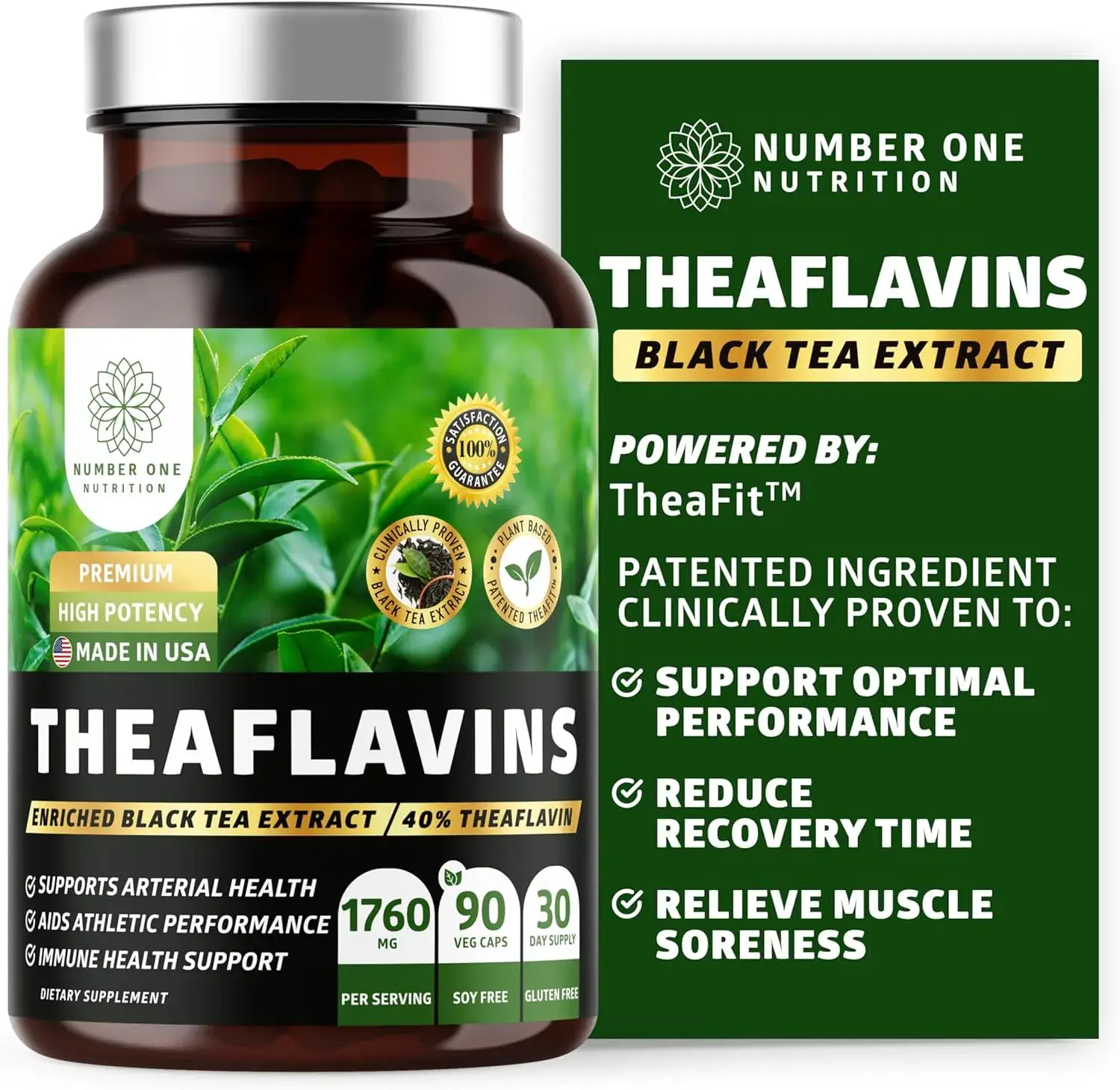
Black Tea Extract that is rich in natural theaflavins and polyphenols that help protect your body from free radicals, promoting overall immune health and well-being
Contains blended amounts of Fruits and Veggies. All natural, with whole foods, fruit and vegetable supplement.Perfect for everyone looking to live a healthier lifestyle.