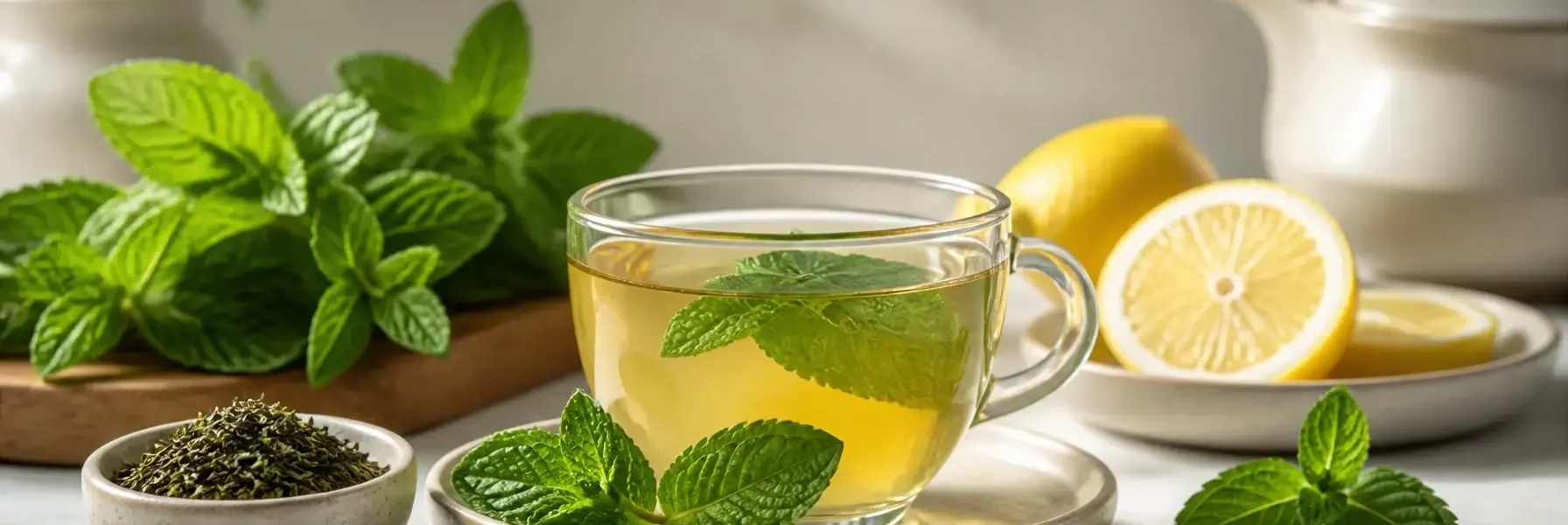
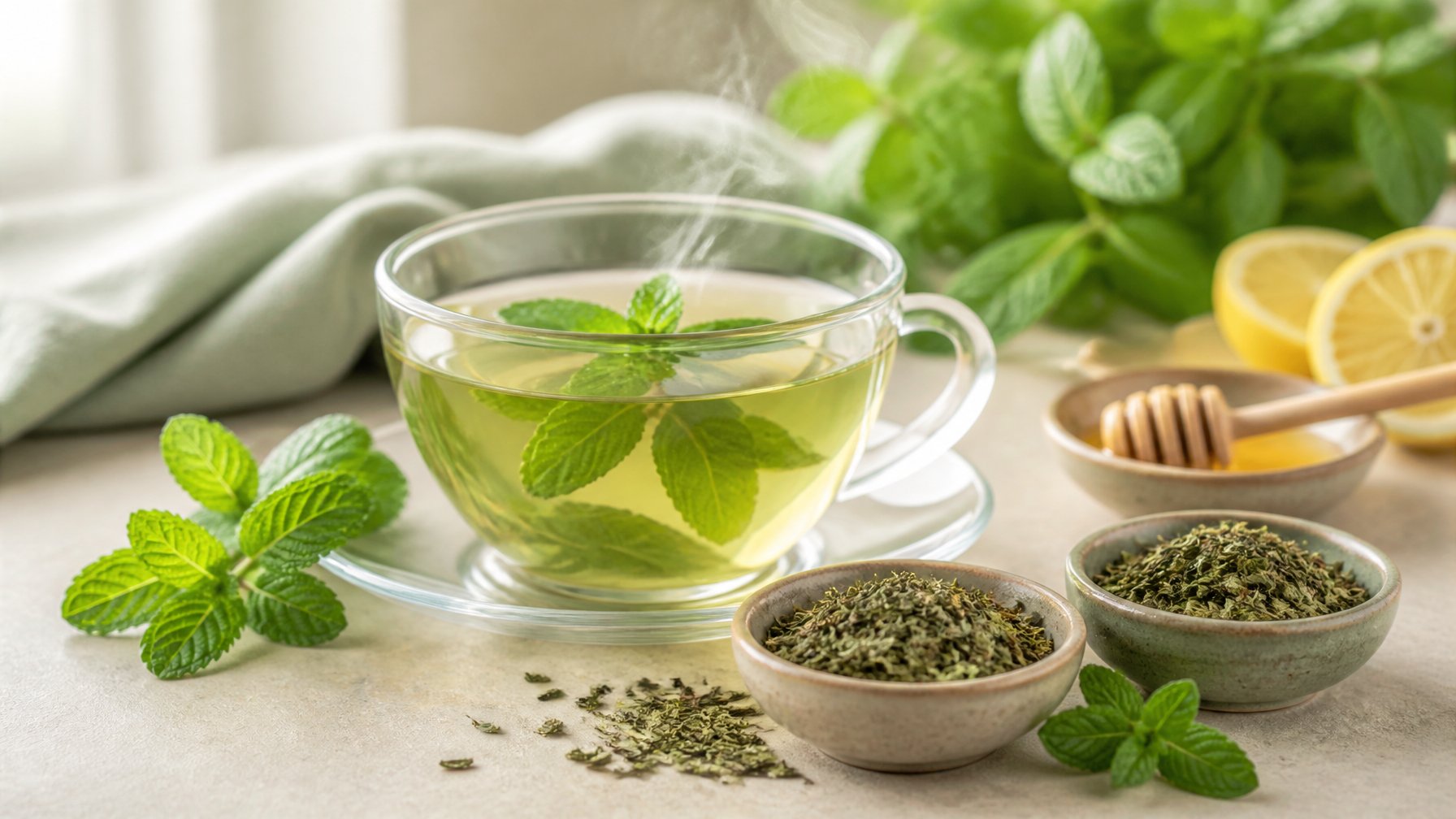
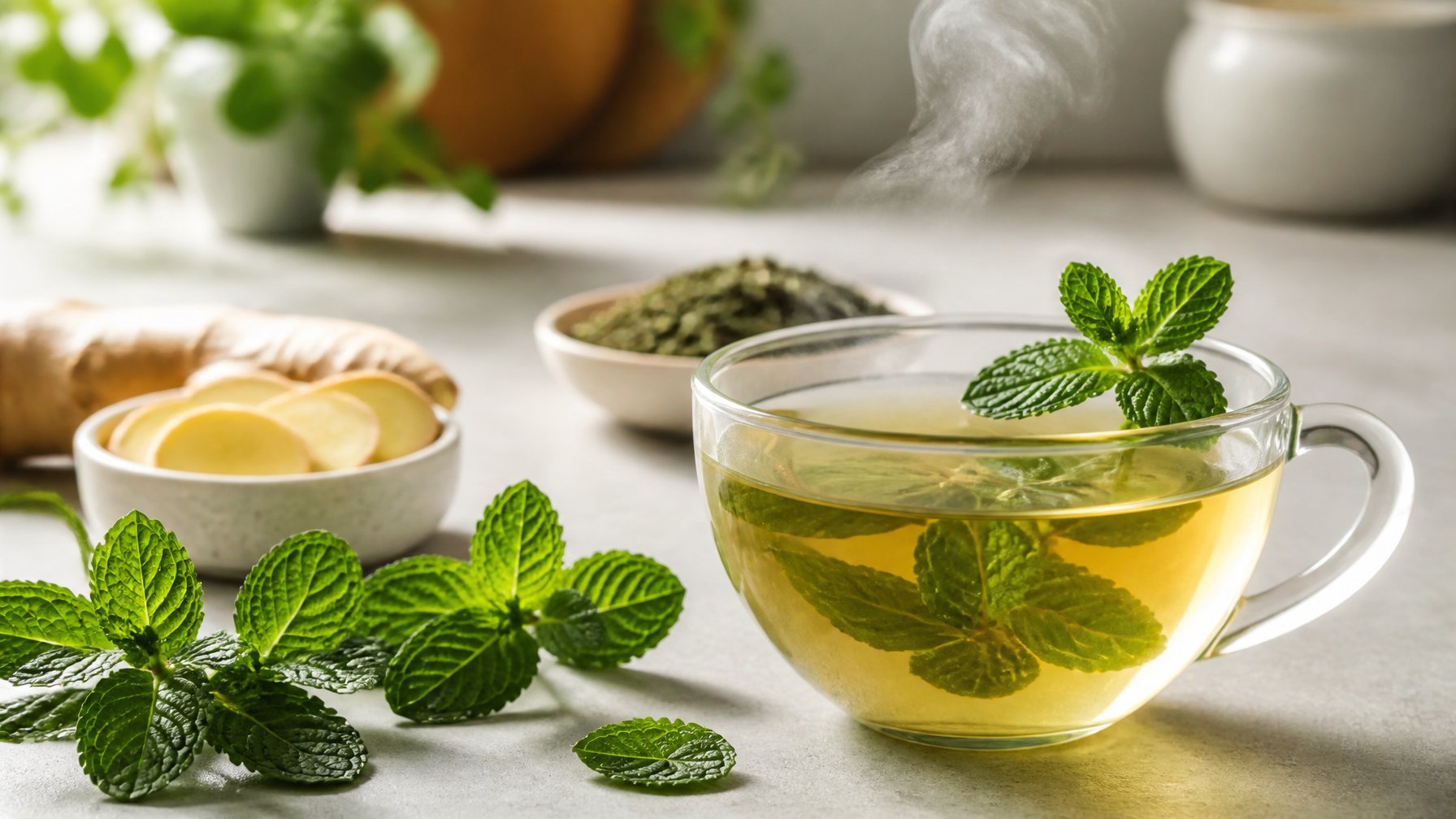
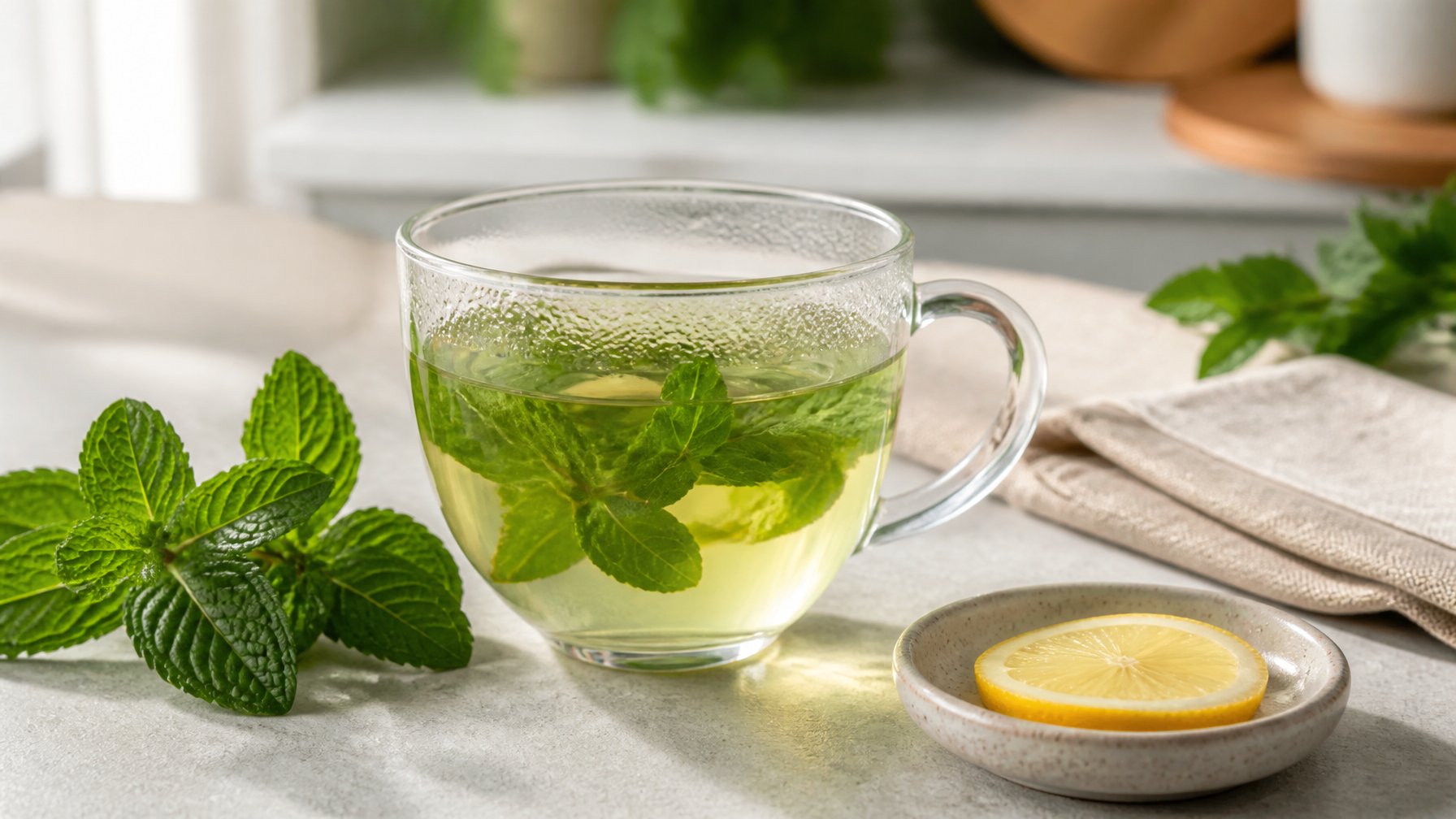
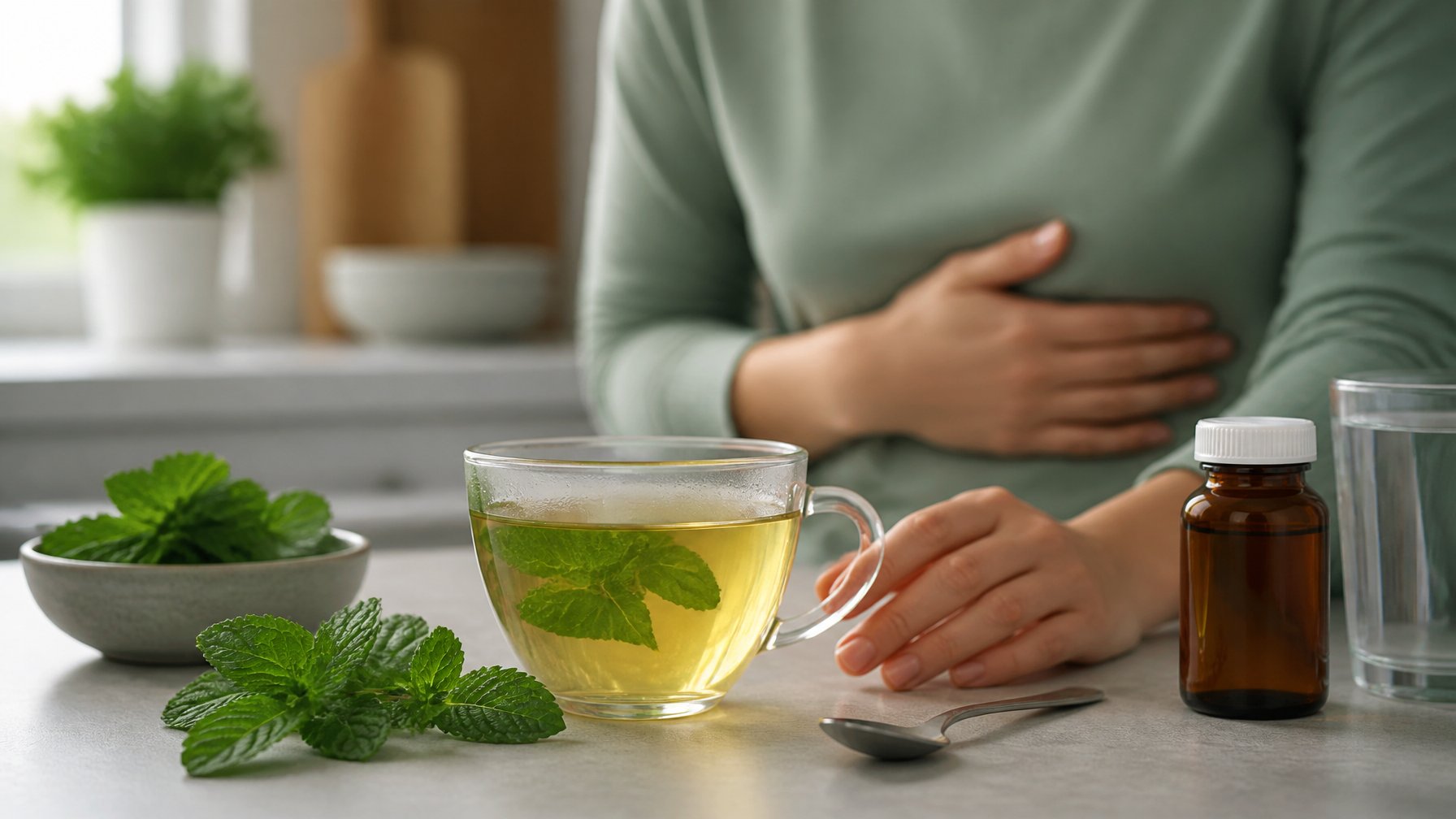
A warm cup of mint tea can settle an upset stomach, ease bloating, and help you relax at the end of the day. It is a caffeine-free herbal infusion, so you can drink it in the evening without losing sleep.
When it comes to mint tea benefits and side effects, mint tea may support digestion, help with occasional gas and cramping, and add to your daily hydration, but it can worsen acid reflux and interact with certain medications, so most people should stick to about one to three cups a day.
That balance between help and harm depends on a few things: which mint you use, how strong you brew it, and what else is going on with your health. The rest of this article breaks down what the research actually shows, who should be careful, and how to brew a cup that tastes good and treats your body well.
Key Takeaways
Peppermint and spearmint are the most common types of mint tea, and each one affects your body a little differently.
Mint tea is best known for easing digestive discomfort, though its other health claims have weaker support.
People with acid reflux or who take certain medications should limit mint tea or ask a doctor first.
What Mint Tea Contains and How Varieties Differ
Mint tea comes from the leaves of plants in the Mentha genus, and the two most common kinds are peppermint and spearmint. Each type carries a different mix of essential oils and plant compounds, which changes the taste and the effects you feel.
Peppermint, Spearmint, and Other Mint Types
Mint belongs to the Lamiaceae family, often called the mint family. More than 20 species grow worldwide, but only a few end up in your cup.
Here are the main ones:
Type
Botanical name
Flavor
Notes
Peppermint
Mentha piperita
Sharp, cooling
A natural hybrid of spearmint and water mint
Spearmint
Mentha spicata
Sweeter, milder
Lower in menthol, gentler on the stomach
Wild mint
Mentha arvensis
Strong, grassy
Often used for menthol extraction
Moroccan mint
Mentha spicata var.
Sweet, brisk
Spearmint blended with green tea and sugar
You can brew mint tea from spearmint, peppermint, or orange mint leaves, using either fresh mint leaves or dried ones.
If you want a bold, tingly cup, choose peppermint. For something softer, spearmint is the gentler option.
Key Plant Compounds and Nutrition
The flavor and the effects both come from essential oils stored in the leaves.
Menthol and menthone dominate peppermint oil. Menthol triggers cold receptors in your mouth, which is why peppermint tea feels cooling.
Carvone is the main compound in spearmint. It gives that sweeter taste and contains very little menthol.
Rosmarinic acid is a polyphenol found in both types. It acts as an antioxidant.
Flavonoids such as luteolin and hesperidin also show up in mint leaves.
As for nutrition, a plain cup of mint tea has almost no calories, fat, or protein. You get trace amounts of vitamin C, potassium, and manganese, but not enough to count toward daily needs.
The real value sits in the antioxidant polyphenols the drink provides, not in vitamins or minerals.
Caffeine Content and Prepared Blends
Pure mint tea is naturally caffeine-free. It is a herbal infusion, or tisane, not a true tea from the Camellia sinensis plant.
That makes it a reasonable choice in the evening.
Blends are a different story. Moroccan mint tea mixes spearmint with gunpowder green tea, so a cup can hold roughly 25 to 45 mg of caffeine.
Check the label before you buy. Some supermarket boxes combine mint with black tea, green tea, or yerba mate, and packaged versions may also include added sugar or flavorings.
If you want zero caffeine, look for bags or loose leaf labeled 100% peppermint or 100% spearmint, or simply steep fresh leaves you grow yourself.
Digestive Support: What the Evidence Suggests
Mint tea is best known as a digestive aid, and most of that reputation comes from menthol, a natural muscle relaxant that eases tension in the smooth muscle of your GI tract. The strength of the evidence depends on what you’re treating and whether you’re drinking tea or taking peppermint oil capsules.
Bloating, Gas, and Indigestion
Herbalists have long classified mint as a carminative, meaning it helps your body move trapped gas along instead of holding it. The antispasmodic properties of menthol relax the muscles lining your intestines, which can reduce the cramping and pressure that come with bloating.
A warm cup after a heavy meal may also help food move more comfortably through your system.
Keep in mind that mint tea works gently. Most people notice mild relief rather than a dramatic change, and mint tea for bloating and indigestion is generally considered a supportive habit, not a treatment.
A few practical tips:
Steep 5–7 minutes for a stronger effect, but avoid oversteeping, which turns the flavor bitter
Sip slowly about 20–30 minutes after eating
Skip it if you have reflux, since the same muscle-relaxing action can loosen the valve at the top of your stomach
Irritable Bowel Syndrome and Abdominal Discomfort
This is where the tea-versus-oil distinction matters most. Enteric-coated peppermint oil capsules have the strongest research behind them for IBS, with studies showing reduced abdominal pain, cramping, and bloating.
The coating matters because it lets the oil reach your intestines instead of releasing in your stomach.
Mint tea contains far less menthol than a capsule dose. That means peppermint oil capsules for IBS symptoms are the evidence-backed option, while tea offers milder, less predictable support.
If you have IBS, talk with your doctor before starting peppermint oil. It can interact with certain medications and isn’t right for everyone.
Nausea and Occasional Upset Stomach
Many people reach for mint tea when their stomach feels unsettled, and there’s reasonable logic behind it. The relaxing effect on stomach muscles may ease the tight, queasy feeling that comes with mild nausea.
It’s also caffeine-free, so you can drink it in the evening without affecting sleep.
Research on peppermint tea as a digestive remedy points more toward comfort and symptom relief than a proven anti-nausea effect. The aroma alone seems to help some people feel better.
One important exception: if your nausea comes with heartburn, mint may make things worse rather than better.
Beyond digestion, mint tea is often used for calm, congestion, and oral care. The evidence behind these uses varies a lot, and some of it comes from peppermint oil studies rather than the brewed tea.
Relaxation, Stress, and Sleep
Mint tea is naturally caffeine-free, which makes it a reasonable evening drink if you are cutting back on coffee.
The warm liquid and menthol aroma can feel calming, and some people report mild relaxation effects after a cup. But that is not the same as treating anxiety or insomnia.
Most research on mint and stress reduction uses concentrated essential oil in aromatherapy, not tea. Human studies on brewed mint tea and sleep quality are limited.
What you can reasonably expect:
Likely: a relaxing routine and no caffeine to disrupt sleep
Possible: less tension from the aroma and warmth
Not supported: replacing treatment for anxiety disorders or chronic insomnia
If mint tea helps you wind down, it is a low-risk habit. Just skip it close to bedtime if reflux is an issue, since peppermint can relax the valve at the top of the stomach.
Cold, Congestion, and Sore Throat Comfort
Menthol in peppermint creates a cooling sensation in your nose and throat. That feeling makes breathing seem easier, but it does not actually shrink swollen nasal tissue the way a drugstore decongestant does.
Steam from a hot cup can loosen mucus temporarily. Warm liquids also coat and soothe a sore, scratchy throat.
For cold and flu symptoms, mint tea is comfort care, not a cure. It will not shorten an infection.
A few practical notes:
Add honey for extra throat coating (not for children under 1 year)
Inhale the steam for a minute before sipping
Menthol is sometimes linked to relief from tension headaches, though most of that evidence involves topical oil on the skin
People with seasonal allergies sometimes find the same cooling effect helpful, but mint does not block histamine.
Oral Health, Focus, and Antioxidant Activity
Mint contains antibacterial compounds that may slow the growth of bacteria linked to bad breath and plaque. That is why peppermint shows up in so many toothpastes and rinses.
Drinking unsweetened mint tea can freshen breath, but it does not replace brushing or flossing.
For focus and cognitive function, the research again centers on peppermint aroma. Small studies suggest the scent may improve alertness on short tasks. Effects are modest and short-lived.
Mint leaves also supply antioxidants such as rosmarinic acid and flavonoids. These help counter free radicals and oxidative stress, and some have anti-inflammatory activity in lab settings.
Claim
Strength of evidence
Fresher breath, antibacterial action in the mouth
Moderate
Short-term alertness from aroma
Limited
Antioxidant content in the leaves
Well documented
Direct benefits for skin health from drinking tea
Weak
Keep expectations grounded. A cup of tea delivers far smaller doses than the extracts used in most studies.
Risks, Reflux, and Medication Precautions
Mint tea is gentle for most people, but it can make heartburn worse, interact with certain drugs, and trigger allergic symptoms in a small number of drinkers. Knowing your own health history helps you decide how much is safe.
Why Peppermint Can Worsen Heartburn
Peppermint contains menthol, which relaxes smooth muscle. That includes the lower esophageal sphincter, the ring of muscle that keeps stomach acid where it belongs.
When that muscle loosens, acid can move back up into your esophagus. The result is heartburn, a sour taste, or chest burning.
This matters most if you already have gastroesophageal reflux disease (GERD) or a hiatal hernia. In those cases, peppermint tea can worsen acid reflux symptoms rather than settle your stomach.
Spearmint has less menthol, so some people tolerate it better. Still, heartburn and reflux aggravation are the most commonly reported complaints with peppermint tea.
If a cup leaves you with burning after meals, try drinking it earlier in the day or switching to chamomile or ginger.
Who Should Seek Personalized Medical Advice
Some conditions and prescriptions call for a conversation with your doctor before you make mint tea a daily habit.
Situation
Why it matters
GERD or hiatal hernia
Menthol relaxes the sphincter and may trigger reflux symptoms
Gallstones or gallbladder obstruction
Mint can stimulate bile flow and may cause pain
Kidney stones
Ask your doctor if mint fits your overall plan
Taking cyclosporine
Peppermint may affect how the drug is processed
Blood pressure or blood sugar medication
Mint may add to the effect, so monitoring is wise
Antacids
Timing matters, since mint may reduce their benefit
Pregnancy or breastfeeding
Small amounts of tea are common, but check first
Concentrated peppermint oil is much stronger than tea. Those medication interactions and cautions apply more forcefully to oil and supplements than to a brewed cup.
Peppermint oil is also not recommended for infants and young children.
Possible Allergic Reactions and When to Stop
True mint allergy is uncommon, but it does happen. Mint belongs to the Lamiaceae family, alongside basil, oregano, and sage.
Watch for these signs after drinking:
Itching in the mouth, throat, or on the skin
Hives or a red rash
Swelling of the lips, tongue, or face
Sneezing, watery eyes, or a runny nose
Nausea or stomach cramps
Stop drinking mint tea if any of these show up. Mild symptoms usually fade on their own.
Swelling of the throat, trouble breathing, or dizziness needs emergency care right away. These are signs of a serious reaction, and allergic responses to mint should never be ignored.
Very large amounts of mint tea can also cause stomach upset or headaches, even without an allergy. One to two cups a day suits most healthy adults.
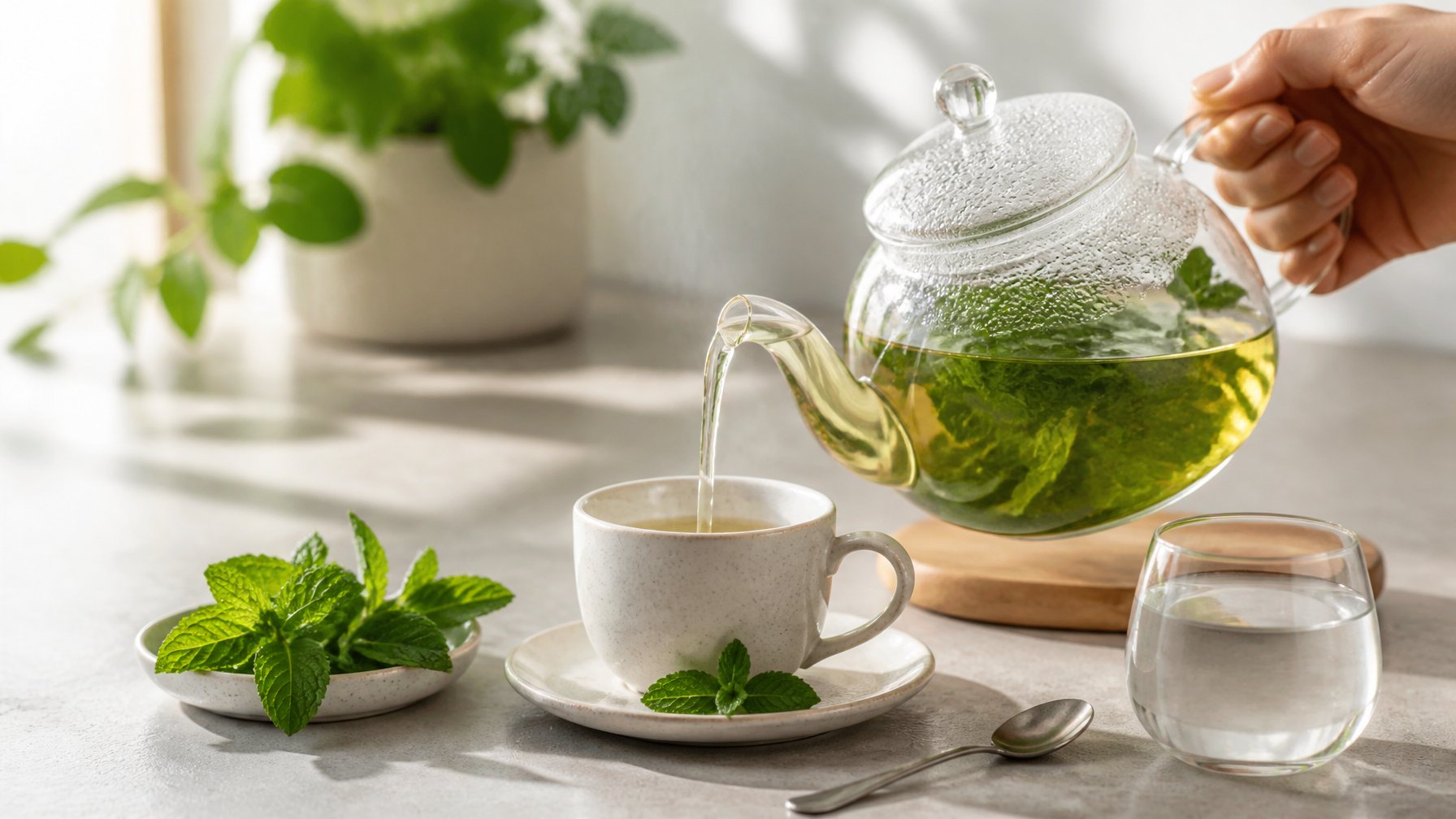
Making mint tea takes about 10 minutes and needs only two things: mint leaves and hot water. From there, you can serve it hot or cold, add honey or lemon, and pick a time of day that fits your body and your goals.
Simple Hot Fresh Mint Tea Method
Start with about 10 to 15 fresh mint leaves per cup. Rinse them under cool water, then gently press or tear them so the oils come out.
Heat water to just under boiling, around 200°F (93°C). Pour it over the leaves and cover the cup.
Steep for 5 to 10 minutes. A shorter steep gives you a light, sweet cup. A longer one brings out a stronger, cooler menthol taste.
Strain out the leaves and drink. If you use dried mint instead, one teaspoon per cup works well.
Peppermint and spearmint are both good choices, though mint tea can also be made from orange mint leaves if you have it growing.
Iced and Flavor Variations
For iced mint tea, brew a double-strength batch first. Use twice the leaves, let it cool at room temperature, then pour it over ice so it does not turn watery.
You can also cold-brew it. Put fresh mint leaves in a jar of cold water and leave it in the fridge for 6 to 12 hours.
Add-ins that work well:
Add-in
What it does
Honey
Adds sweetness and coats a sore throat
Lemon
Brightens the flavor and adds vitamin C
Cinnamon
Adds warmth and a mild spice note
Ginger
Pairs with mint for stomach comfort
Stir honey in after the tea cools slightly. Skip added sugar if you are drinking mint tea to support weight loss, since it is naturally calorie-free.
Daily Intake, Timing, and Practical Tips
Most healthy adults can drink 2 to 3 cups a day without trouble. Mint tea is caffeine-free, so it counts toward your daily hydration.
Timing matters more than you might think:
After meals — helps with gas, bloating, and a full feeling
Evening — a calm, caffeine-free option before bed
Avoid right after eating if you have acid reflux — peppermint can relax the valve at the top of your stomach and make heartburn worse
Skip peppermint if you have GERD or a hiatal hernia, and choose spearmint instead. Talk to your doctor before drinking mint tea every day if you are pregnant, take prescription medication, or have gallstones.
Store fresh mint leaves upright in a glass of water in the fridge. They stay usable for about a week.
Frequently Asked Questions
Mint tea is a caffeine-free herbal drink that may ease bloating, calm nausea, and clear a stuffy nose, but it can also trigger heartburn in some people. The answers below cover daily limits, drug interactions, and who should skip it.
What are the main health benefits of drinking mint tea?
Mint tea is best known for helping your digestive system. The menthol in peppermint relaxes the muscles in your gut, which can reduce gas, cramping, and bloating after a meal.
It may also help with nausea and bad breath. Because it has no caffeine, many people drink it in the evening to wind down.
Breathing in the steam can loosen mucus and make a stuffy nose feel clearer. Mint tea is also a caffeine-free herbal drink with antioxidants, which help protect your cells from damage.
Spearmint and peppermint are not the same. Spearmint has less menthol and a milder taste, while peppermint, spearmint, or orange mint leaves can each be used to brew a cup.
What side effects can occur from drinking mint tea?
The most common problem is heartburn. Peppermint relaxes the ring of muscle between your stomach and esophagus, which lets stomach acid move up.
Drinking too much can make this worse. Excessive amounts can lead to heartburn and other stomach discomfort.
Other possible side effects include:
Allergic reactions — rash, itching, or throat irritation in people sensitive to mint
Mouth sores — reported by some people who drink strong peppermint tea often
Headache or dizziness — uncommon, and usually tied to very concentrated mint
Is it safe to drink mint tea every day?
For most healthy adults, yes. One to three cups a day is a common range and is generally well tolerated.
Pay attention to how you feel. If you notice heartburn or an upset stomach, cut back to one cup or switch to spearmint, which is gentler.
Daily mint tea is safe for most people within moderate limits, though people with certain health conditions or on specific medications should be more careful.
When should you avoid drinking mint tea?
Skip mint tea or talk to your doctor first if you have:
GERD or acid reflux — mint can worsen symptoms
A hiatal hernia — same reason as reflux
Gallstones — peppermint may increase bile flow and cause pain
A known mint allergy
Mint tea can also interact with some medications, including drugs for acid reflux, blood pressure, and diabetes. Peppermint oil affects an enzyme in the liver that helps break down certain drugs.
Give young children plain mint tea only with a pediatrician’s approval. Menthol should not be applied near the face of infants.
Can mint tea affect blood pressure, the liver, or the kidneys?
Mint tea does not raise blood pressure the way caffeinated drinks can, since it has no caffeine. Some small studies suggest peppermint may slightly lower blood pressure, so ask your doctor if you take blood pressure medication.
For healthy kidneys and liver, normal amounts of mint tea are not a concern. Concentrated peppermint oil supplements are different and have been linked to liver strain in rare cases at high doses.
If you have liver or kidney disease, check with your doctor before drinking mint tea daily. Herbal teas can change how your body processes medication.
Does mint tea provide benefits for women’s health or skin?
Spearmint tea has been studied for hormone-related concerns. Research suggests it may lower androgen levels in women with PCOS, which can reduce unwanted facial hair over several weeks.
That same effect may help with hormonal acne, though results vary. Mint tea is not a replacement for acne treatment or PCOS medication.
Peppermint tea may ease menstrual cramps because it relaxes smooth muscle. Pregnant and breastfeeding people should ask a doctor before drinking it regularly, since research on safety during pregnancy is limited.
Final Thoughts on Mint Tea Benefits and Side Effects
Mint tea can be a simple, caffeine-free drink that may support digestion, provide comfort for occasional stomach upset, and fit easily into a relaxing daily routine. At the same time, peppermint may worsen heartburn for some people, and certain health conditions or medications may require extra caution. Understanding both the potential benefits and risks can help you choose the right type of mint, brew it appropriately, and enjoy it in a way that works best for you.
Black Tea Extract that is rich in natural theaflavins and polyphenols that help protect your body from free radicals, promoting overall immune health and well-being
Contains blended amounts of Fruits and Veggies. All natural, with whole foods, fruit and vegetable supplement.Perfect for everyone looking to live a healthier lifestyle.