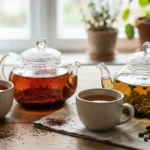
Ever wondered if your coffee maker can brew a perfect cup of tea? You’re not alone. Many of us have both tea and coffee at home but only one brewing device.
Imagine easily switching between your favorite coffee and tea with just one machine. It’s not only convenient but also opens up new possibilities for tea lovers who also enjoy coffee.
Learning how to brew tea with coffee maker equipment is easier than you think. It can even improve your tea-brewing experience. In this article, we’ll show you how to make a great cup of tea with your coffee maker.
Key Takeaways
Discover the convenience of brewing tea using your coffee maker.
Learn how to switch between coffee and tea brewing with ease.
Understand the simple steps to make a perfect cup of tea using your coffee maker.
Explore the versatility of using one machine for multiple beverages.
Enhance your tea-brewing experience with minimal equipment.
The Surprising Versatility of Your Coffee Maker
Did you know your coffee maker can do more than just brew coffee? It’s designed to make great coffee, but it can also brew tea. This makes it easy and efficient to enjoy your favorite tea.
Beyond Coffee: What Your Machine Can Really Do
Your coffee maker is more versatile than you think. It can handle different tea brewing methods. Some even have special settings for tea, making it easy to get the perfect cup.
Benefits of Using a Coffee Maker for Tea
Using your coffee maker for tea has many benefits. It lets you use the machine you already have, saving space in your kitchen. This is great if you have limited room.
Time and Convenience Advantages
Brewing tea with your coffee maker saves time and adds convenience. Just add tea leaves or bags, and the machine does the rest. Here are some benefits:
Quick and easy brewing process
No need for additional kitchen gadgets
Consistent results with every brew
By using your coffee maker for tea, you can enjoy a perfectly brewed cup easily.
Coffee vs. Tea Brewing: Understanding the Differences
Knowing the differences between coffee and tea brewing is key to making the perfect cup. Even though you can use your coffee maker for tea, there are important things to keep in mind for the best results.
Temperature Requirements for Different Beverages
Coffee and tea need different water temperatures. Coffee is brewed with hot water between 195°F and 205°F. Tea, on the other hand, needs a range of temperatures based on its type.
For example, black tea is brewed with boiling water. But green tea is best with cooler water, around 170°F to 180°F.
Beverage Type
Recommended Temperature
Coffee
195°F – 205°F
Black Tea
212°F (Boiling)
Green Tea
170°F – 180°F
Steeping vs. Filtering Methods
The way coffee and tea are brewed also differs. Coffee uses a filter to separate the grounds from the liquid. Tea, on the other hand, can be steeped with tea bags or loose leaves.
The steeping time is also different. It greatly affects the flavor of the tea.
Flavor Extraction Considerations
Flavor extraction is another area where coffee and tea brewing differ. Coffee’s flavor comes from the filtering process. Tea’s flavor, on the other hand, is extracted through steeping.
By understanding these differences, you can adjust your coffee maker to brew tea well. This way, you’ll always have a delicious and flavorful cup.
Understanding Different Coffee Makers for Tea Brewing
Not all coffee makers are the same for brewing tea. Knowing their differences is important. The type of coffee maker you use can change how your tea tastes and feels.
Drip Coffee Makers
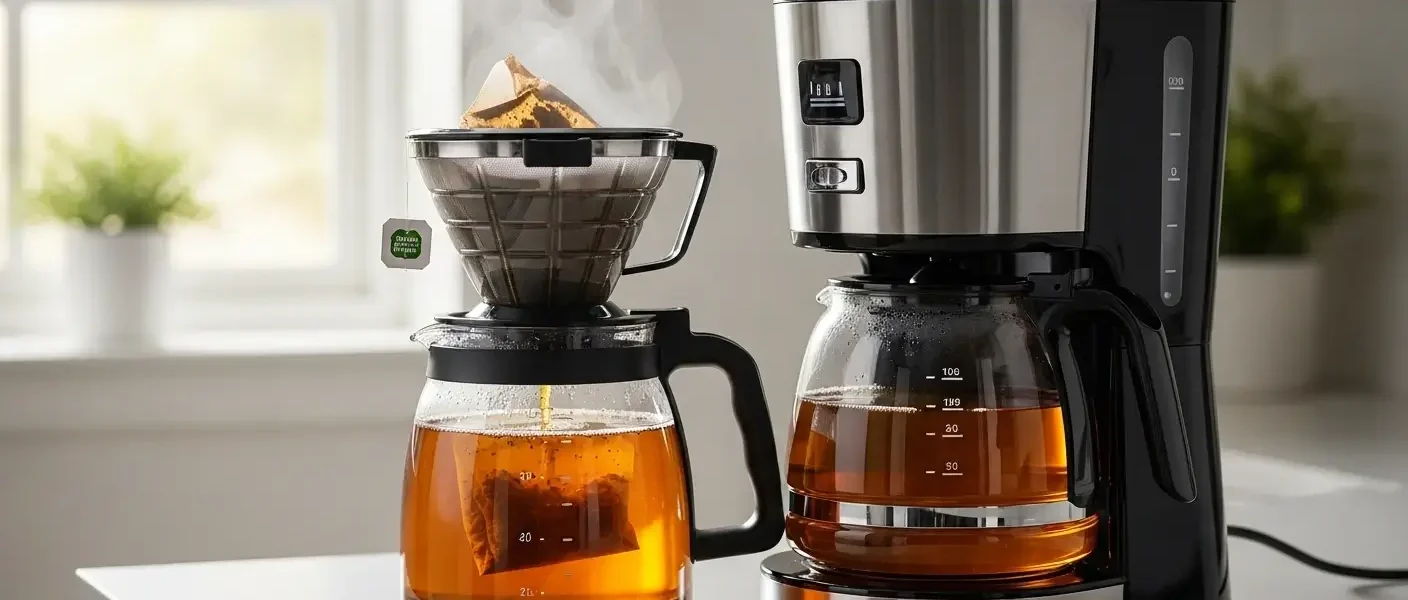
Drip coffee makers, like those from Mr. Coffee and Cuisinart, are easy to use. You can brew tea by adding loose-leaf tea or tea bags to the filter basket.
Pros: Convenient, easy to clean, and can brew large quantities.
Cons: May not allow for precise temperature control, and the flavor can be affected by coffee residue.
Single-Serve Pod Machines
Single-serve pod machines, like Keurig and Nespresso, make brewing tea easy. They use special tea pods.
Pros: Quick, easy, and mess-free. Offers a variety of tea flavors through different pods.
Cons: Limited to the types of tea available in pod form, and can be more expensive in the long run.
French Press and Pour-Over Adaptability
Manual brewing methods like French press and pour-over are great for tea. They let you control brewing parameters like temperature and steeping time.
Pros: Allows for a high degree of control over brewing parameters, which can result in a more flavorful cup.
Cons: Requires more effort and can be messy.
Model-Specific Considerations
When picking a coffee maker for tea, think about the model’s features. Some models have a tea-brewing setting or let you control brewing temperature more precisely.
Look for models with adjustable brewing temperature for optimal tea flavor.
Consider the material of the machine and its impact on taste.
By knowing what your coffee maker can do, you can make it better for brewing tea.
Before you start making tea with your coffee maker, gather the necessary supplies. This will ensure that you can brew your tea to the perfect flavor and strength.
Tea Selection Considerations
Choosing the right type of tea is key. Think about the flavor you like, whether it’s strong or light. Black tea works well in coffee makers, but green tea might need special brewing.
Water Quality Importance
Using fresh, filtered water is vital for great-tasting tea. Bad water can make your tea taste bad. So, use a water filter if your tap water isn’t good.
Additional Tools and Accessories
To make your tea brewing better, think about reusable filters or infusers. These tools keep tea leaves out of your drink and make cleaning up easier.
Reusable Filters and Infusers
Reusable filters and infusers are a great addition to your tea brewing setup. They let you use loose-leaf tea and keep leaves out of your cup.
Preparing Your Coffee Maker for Tea
Before you start brewing tea in your coffee maker, it’s essential to prepare the machine properly. This involves a few key steps to ensure your tea tastes great and your machine continues to function well.
Thorough Cleaning to Remove Coffee Residue
The first step in preparing your coffee maker for tea is to give it a thorough clean. Coffee residue can significantly affect the flavor of your tea, making it taste bitter or unpleasantly rich. To clean your coffee maker, run a mixture of water and white vinegar through the brewing cycle. This helps remove any built-up coffee oils and residue. After cleaning, run a few cycles of just water to rinse out the vinegar taste.
Setting Up the Machine Properly
Once your coffee maker is clean, you need to set it up correctly for tea brewing. If you’re using loose-leaf tea, you’ll need a tea filter or infuser that fits in the coffee maker’s filter basket. Make sure it’s securely in place to prevent tea leaves from getting into the pot. For tea bags, simply place the bag in the filter basket as you would a coffee filter.
Water Temperature Adjustments
Different types of tea require different water temperatures for optimal brewing. While coffee makers are typically set to brew coffee at around 200°F, some teas, like green tea, require lower temperatures. Check if your coffee maker allows you to adjust the brewing temperature. If not, you can let the water cool for a few minutes before brewing to achieve the right temperature.
Safety Precautions
When brewing tea in your coffee maker, always ensure that the machine is clean and free of coffee residue to avoid flavor contamination. Also, be mindful of the type of tea you’re brewing and its temperature requirements to prevent overheating or underheating the water.
How to Brew Tea with Coffee Maker: Step-by-Step Guide
Using your coffee maker to brew tea is easier than you think. It gives you great results. You don’t need a separate device for your favorite tea.
Loose Leaf Tea Method
For loose-leaf tea, use a filter or tea infuser in your coffee maker’s basket. Add the right amount of loose-leaf tea to the filter. Use 1 teaspoon for every 8 oz of water.
Tea Bag Approach
Tea bags are easy. Just put one or more bags in the basket, based on your tea strength. This method is simple and doesn’t need extra gear.
Timing Your Brew Perfectly
The brewing time varies by your coffee maker and tea type. Black tea takes 3-5 minutes, green tea 2-3 minutes, and herbal teas 5-7 minutes.
Strength Adjustments
To change the tea’s strength, adjust the tea leaves or bags. More leaves or longer steeping makes it stronger. Less or shorter steeping makes it weaker.
Tea Type
Brewing Time
Tea Leaves/Bags
Black Tea
3-5 minutes
1-2 teaspoons or 1-2 bags
Green Tea
2-3 minutes
1 teaspoon or 1 bag
Herbal Tea
5-7 minutes
1-2 teaspoons or 1-2 bags
Tea expert Harold McGee says, “Brewing tea is about time, temperature, and tea quality.” Try different factors to find your perfect cup.
“If you’re using a coffee maker for tea, you’re off to a good start. It’s all about finding that balance.”– Tea enthusiast
Not all teas are the same when it comes to brewing in a coffee maker. The right tea can make a delicious cup, while the wrong one might not taste good.
Black Teas That Work Well
Black teas are strong and can handle the coffee maker’s brewing. Earl Grey and English Breakfast are great because of their bold flavors. They keep their taste even after brewing.
Green Tea Considerations
Green tea is more delicate and needs extra care in a coffee maker. Choose full-leaf or long-leaf green teas for better results. Avoid green tea bags with small holes or finely ground tea to prevent bitterness.
Herbal Tea Options
Herbal teas, or tisanes, can also be brewed in a coffee maker. Peppermint and chamomile teas have strong flavors that work well. But, some herbal teas might need different brewing times.
Teas to Avoid in Coffee Makers
Some teas don’t do well in coffee makers. Delicate white teas and matcha powders can get over-extracted easily. It’s best to skip tea bags with tiny holes or very fragile tea leaves.
Health Benefits of Different Tea Varieties
Teas offer different health benefits. Green tea is full of antioxidants, while black tea is good for the heart. Herbal teas like peppermint help with digestion, and chamomile promotes relaxation. Choosing the right tea for your coffee maker can bring great taste and health perks.
Enhancing Your Coffee Maker Tea Experience
Make your tea time better by trying new brewing and flavoring methods with your coffee maker. This machine can make a wide range of teas, from simple to complex.
Flavor Additions and Infusions
Boost your tea with different flavors and infusions. Try adding lemon, orange, or grapefruit slices for a citrusy taste. You can also spice things up with cinnamon, ginger, or cardamom for warmth and depth.
Creating Tea Concentrates
Make your tea more special by creating concentrates. Brew a stronger tea to make a concentrate that can fill many cups. This is great for iced tea or when you have guests over.
Iced Tea Possibilities
Your coffee maker is perfect for iced tea too. Just brew hot tea, then cool it in the fridge. Or, use the concentrate method for iced tea by mixing it with cold water.
Sweetening Options
There are many ways to sweeten your iced tea. You can use sugar, honey, or artificial sweeteners. Try different ones to see what you like best.
Troubleshooting Common Issues
Using your coffee maker to brew tea is handy, but problems can pop up. Knowing how to fix these issues will make your tea-brewing better.
Weak or Bitter Tea Solutions
Weak or bitter tea might come from the wrong tea-to-water ratio or brewing temperature. Changing these can make your tea taste better.
Dealing with Clogging Problems
Clogging happens from tea leaves or scale buildup. Clean and descale your coffee maker often to avoid this.
Addressing Unwanted Flavor Transfer
Residual coffee flavors can get into your tea. Clean your coffee maker well before making tea to avoid this.
Machine-Specific Challenges
Every coffee maker is different. For example, drip coffee makers need more cleaning than single-serve ones.
When to Seek Professional Help
If you can’t fix issues with basic steps, it’s time to get help from a pro or think about a new coffee maker.
Issue
Possible Cause
Solution
Weak Tea
Insufficient tea leaves
Increase tea leaves
Bitter Tea
Oversteeping or high temperature
Adjust steeping time or temperature
Clogging
Scale buildup or tea residue
Regular descaling and cleaning
By fixing these common problems, you can make your tea-brewing with your coffee maker better.
To get the most out of your coffee maker for both coffee and tea, regular maintenance is key. This keeps your machine working well and your drinks tasting great.
Regular Cleaning Routines
It’s important to clean your coffee maker often. Use a mix of water and white vinegar to remove old coffee oils and tea. Clean it every 1-2 months, based on how much you use it.
Descaling Procedures
Descaling is also vital. Mineral deposits from water can slow down your machine. Use a descaling solution or water and lemon juice every 3-6 months.
Extending Machine Lifespan
To make your coffee maker last longer, dry it after cleaning and descale often. Always check your user manual for the best care tips.
Natural Cleaning Solutions
If you like eco-friendly cleaning, try baking soda and water for the outside. Lemon juice is also a good natural descaling agent.
By following these tips, you can enjoy coffee and tea from your coffee maker for many years.
Conclusion: Enjoying the Best of Both Worlds
You’ve found out your coffee maker is more than just for coffee. It’s great for brewing tea too. You’ve learned how to make tea with your coffee maker, trying different ways and methods.
Using your coffee maker for tea has many advantages. It’s easy, flexible, and lets you try many teas. You can mix and match flavors to make your own special teas. Whether you like black, green, or herbal teas, your coffee maker can make it just right.
Keep your coffee maker in good shape to make the best tea. This way, you’ll always get a perfect cup of tea. Your coffee maker will be ready to help you brew tea to perfection.
FAQ
Can I use any type of tea in my coffee maker?
Many teas work well in coffee makers, but some are better than others. Black, green, and herbal teas are good choices. The best tea for you depends on your machine and taste.
How do I clean my coffee maker for tea brewing?
Clean your coffee maker with a mix of water and white vinegar. Use equal parts. Then, rinse with fresh water. This keeps your tea tasting fresh.
Can I use loose-leaf tea in my coffee maker?
Yes, loose-leaf tea is fine. Just use a reusable filter or infuser. It helps the tea steep right and makes cleaning easier.
Why is my tea coming out weak or bitter?
Weak or bitter tea might come from wrong tea-to-water ratios or steeping times. Or, it could be from water that’s too hot or cold. Try adjusting these to get a better taste.
Can I make iced tea with my coffee maker?
Yes, you can make iced tea. Brew a strong tea concentrate and chill it. Or, brew tea over ice for a cool drink.
How do I prevent flavor transfer from coffee to tea?
Clean your coffee maker well between uses to avoid flavor transfer. A cleaning cycle or hot water can remove coffee flavors.
Are there any teas that I should avoid brewing in my coffee maker?
Avoid delicate teas like white tea or some herbal blends in your coffee maker. They might not taste good. Also, teas with small leaves or particles might go through the filter.
Can I adjust the strength of my tea when using a coffee maker?
Yes, you can change the tea strength by adjusting leaves or bags and steeping time. Try different amounts and times to find your favorite.
Is it safe to use my coffee maker for both coffee and tea?
Yes, it’s safe to use your coffee maker for both. Just clean it well between uses. This stops flavors from mixing.
How often should I descale my coffee maker?
Descale your coffee maker every 3-6 months, depending on water quality and use. It prevents mineral buildup.
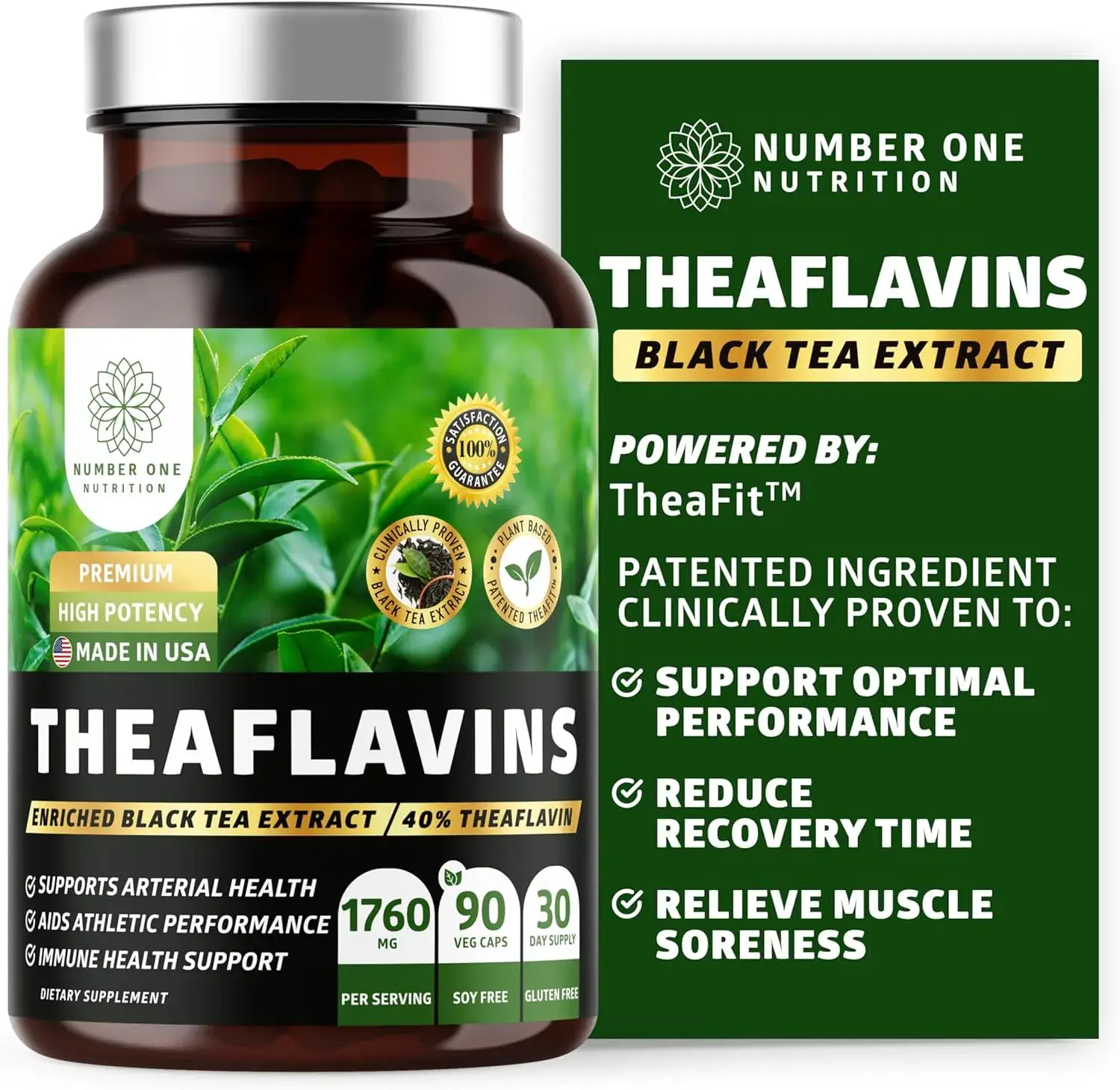
Black Tea Extract that is rich in natural theaflavins and polyphenols that help protect your body from free radicals, promoting overall immune health and well-being
Contains blended amounts of Fruits and Veggies. All natural, with whole foods, fruit and vegetable supplement.Perfect for everyone looking to live a healthier lifestyle.