Finding the best genmaicha tea on Amazon doesn’t have to be overwhelming when you know what to look for. Genmaicha is a special type of Japanese green tea, usually made with Bancha and roasted rice, creating a unique nutty flavor profile that sets it apart from traditional green teas. In fact, this distinctive blend has gained popularity among tea enthusiasts seeking something beyond standard green tea varieties. In this guide, I’ll walk you through five exceptional genmaicha options available on Amazon, specifically covering what each tastes like, how to make genmaicha tea properly, and the pros and cons of each brand to help you choose the best genmaicha for your preferences.
Key Takeaways
Discover the perfect genmaicha tea for your taste preferences and budget with these essential insights from our comprehensive Amazon review.
• Genmaicha combines green tea with roasted rice, creating a unique nutty, toasty flavor that’s gentler and less caffeinated than pure green tea
• Buddha Teas and Starwest Botanicals offer certified organic options with convenient tea bags, perfect for health-conscious consumers seeking clean ingredients
• Culinary Teas Genmaicha Extra Green elevates the experience by adding ceremonial-grade matcha, creating a creamy, sweet profile ideal for tea lattes
• Yamamotoyama provides authentic Japanese restaurant taste at just $2.30 for 16 bags, making it the best budget-friendly option for beginners
• Brewing temperature matters significantly – use 80-90°C water and steep for 1-3 minutes to avoid bitterness while extracting optimal nutty flavors
The beauty of genmaicha lies in its approachability – the roasted rice reduces caffeine content to 6.5-15mg per cup while adding comforting, popcorn-like aromas that make it perfect for afternoon or evening enjoyment. Whether you’re new to Japanese tea or seeking an everyday alternative to coffee, these five options provide authentic flavors that pair beautifully with sushi, tempura, and rice-based dishes.
Art of Tea Kyoto Genmaicha
Art of Tea’s Kyoto Genmaicha represents one of the more accessible entry points into Japanese tea culture. The blend combines Yanagi Bancha leaves with roasted rice, creating a brass yellow liquor that delivers a rounded finish with light astringency.
What Does Art of Tea Kyoto Genmaicha Taste Like?
The flavor profile hits you immediately with its nutty, pecan-like aroma. I found the taste to be noticeably sweeter than other genmaicha blends I’ve tried, with buttery notes that coat the palate. The green tea contributes grassy and vegetal undertones, while the roasted rice brings that characteristic popcorn-like quality many people associate with genmaicha.
What makes this particular blend interesting is how the sweetness dominates. The buttered toast notes come through strongly, accompanied by hints of seaweed, spinach, and a touch of umami. These elements create a well-balanced cup that doesn’t lean too heavily on astringency. The mouthfeel is light yet smooth, making it pleasant to drink without any harsh edges.
The roasted rice softens what might otherwise be a more assertive green tea. This combination produces a malty-sweet taste that spreads across your tongue, with grain-like notes following close behind. Even after multiple infusions, the intense nuances remain present. The white mochi rice used in the blend develops a fragrant aroma during roasting that contributes to the overall experience.
How to Make Art of Tea Kyoto Genmaicha
Brewing genmaicha properly makes a significant difference in what ends up in your cup. For this blend, start with water temperature around 70-80°C. The lower temperature allows the full-bodied aroma to unfold, highlighting both the tea’s sweetness and the spiciness of the roasted rice.
Use approximately 2-3 grams of tea per 60-200ml of water, depending on your preferred strength. For instance, if you want a more concentrated cup, stick to the lower water volume. The steeping time runs relatively short at 1-1.5 minutes for the first infusion[62][73].
Water temperature plays a role in what flavors you extract. Higher temperatures on the spectrum will accentuate the rice’s natural aroma, while slightly cooler water coaxes out the sweetness of the green tea. I’ve found that experimenting within the 80-90°C range gives you control over which characteristics you want to emphasize[62].
Additionally, this tea handles multiple steepings well. The roasted rice continues to provide flavor even after the tea leaves have released most of their essence, allowing you to brew it five times or more before the flavor runs out. Each subsequent infusion requires slightly hotter water and longer steeping time.
Pros and Cons
Pros:
Sweeter flavor profile compared to typical genmaicha blends
Low caffeine content suitable for afternoon or evening consumption
Gentle on the stomach, reducing astringency found in pure green tea
Multiple steeping capability provides good value
Approachable taste for those new to Japanese tea
Nutty, comforting aroma creates a soothing experience
Cons:
Sweetness may be too pronounced for those preferring traditional bitter green tea
Requires attention to water temperature for optimal results
Light body might feel less substantial to some drinkers
Quality can vary depending on the rice-to-tea ratio in different batches
The Wrap Up
Art of Tea Kyoto Genmaicha works well as a daily drinking tea. The balanced combination of buttery sweetness and light astringency makes it accessible whether you’re experienced with Japanese teas or just starting out. The low caffeine content means you can drink it throughout the day without concerns about sleep disruption.
On account of the roasted rice addition, the caffeine level comes in at roughly 10-15mg per cup, compared to 30mg in regular green tea. This reduction happens because the rice replaces a portion of the tea leaves in each serving. The gentle nature of this blend also means it’s less likely to cause stomach discomfort, something I appreciate when drinking tea on an empty stomach.
The tea pairs well with food, particularly sushi, buttery fish, or fried tempura specialties. The astringency cleanses the palate between courses, allowing you to fully appreciate different flavors. I’ve also found it works with dark chocolate, where the umami notes complement the richness.
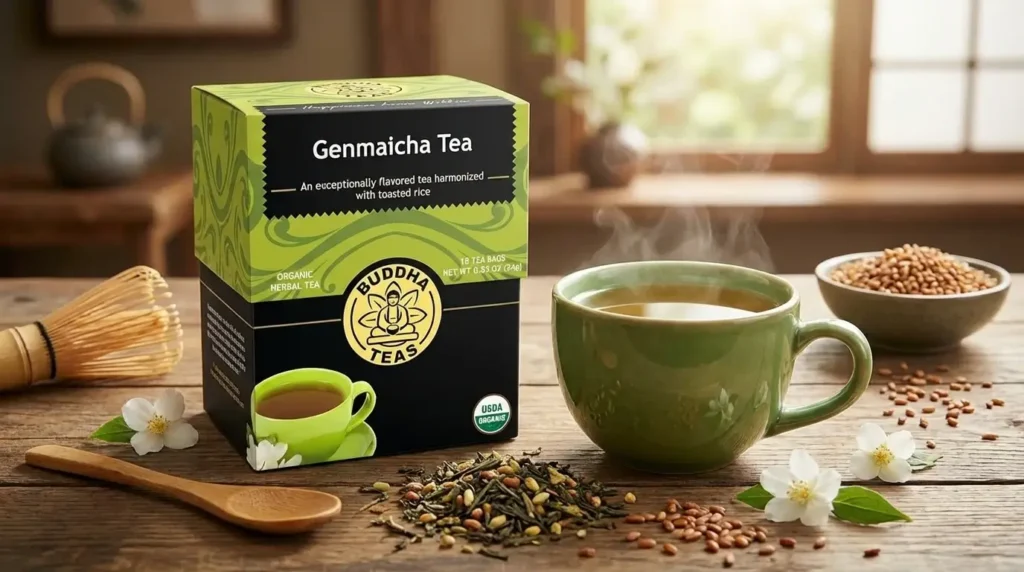
Buddha Teas Organic Genmaicha Green Tea Bags
Buddha Teas delivers an organic take on traditional Japanese genmaicha, sourcing their green tea leaves from certified organic Japanese farms and pairing them with roasted brown rice. This blend honors the historical roots of genmaicha while maintaining modern organic standards, giving you a tea bag option that prioritizes clean ingredients without artificial sweeteners or additives.
What Does Buddha Teas Genmaicha Taste Like?
The flavor profile leans toward mild and roasted rather than intensely grassy. I’ve noticed the rice contributes a gentle, toasted quality that makes this blend appealing if you typically find herbal or sweet teas less interesting. The nutty sweetness comes through with an inviting aroma that Buddha Teas describes as beloved by green tea enthusiasts worldwide.
What sets this particular genmaicha apart is how the roasted rice softens the overall character. The mild roasted flavor creates an approachable cup that doesn’t overwhelm with astringency or bitterness. This gentleness on the palate makes it suitable even later in the day, particularly for anyone who finds stronger teas like sencha or matcha too intense.
The taste balances those fresh, grassy notes typical of green tea with warm, nutty undertones from the rice. Meanwhile, the toastiness spreads across your palate with hints of cereal and popcorn-like qualities. Some people compare the flavor to warm baked grains with a subtle sweetness that lingers after each sip. The nutty taste profile works well alongside food, notably harmonizing with sushi, buttery fish, or fried tempura dishes where the tea cleanses your palate between courses.
How to Make Buddha Teas Genmaicha
Brewing this tea requires less precision than you might expect. Genmaicha generally tolerates a range of temperatures and steeping times, making it forgiving for those new to Japanese green tea. Start with water heated to approximately 90-95°C. This temperature range sits higher than what you might use for delicate sencha, but the rice content allows the blend to handle the heat without developing excessive bitterness.
For tea bags, use one bag per cup and steep for 2-3 minutes to develop a smooth, balanced flavor. The brewing time extracts the tea’s layered character without pulling too much astringency from the leaves. If you prefer a lighter cup, reduce the steeping time to 1 minute. Conversely, steeping longer produces a stronger taste, though I’d recommend staying under 3 minutes to avoid bitterness.
Water quality matters more than you might think. Fresh filtered water preserves the tea’s nuanced flavors and delivers a cleaner finish. Heat your water to the recommended temperature using a thermometer or temperature-controlled kettle to maintain consistency.
Accordingly, you can also try a flash brew method using near-boiling water with a steeping time of just 20 seconds. This approach extracts flavor quickly while minimizing any harsh notes. The tea bags allow for multiple infusions, with the roasted rice continuing to provide flavor even after the leaves have released most of their essence.
Pros and Cons
Pros:
Certified organic with clean ingredients, free from artificial additives
Contains L-theanine for calming effects and mental clarity
Convenient tea bag format for easy preparation
Forgiving brewing process suitable for beginners
Gentle on the stomach, reducing discomfort from stronger teas
OU Kosher certified
Suitable for afternoon or evening consumption due to mild caffeine
Cons:
Tea bags may limit flavor extraction compared to loose leaf versions
Milder taste might feel less substantial for those preferring bold teas
Rice dilutes caffeine and antioxidant concentration compared to pure green tea
Not a concentrated source of EGCG or polyphenols
May interact with certain medications affecting blood pressure or blood clotting
The Wrap Up
Buddha Teas Organic Genmaicha works well as a daily drinking option when you want something certified organic in a convenient format. The hearty, roasted taste provides an easy and healthy way to start your day. Essentially, this tea belongs in any tea collector’s cupboard as a reliable genmaicha option.
The caffeine level makes it versatile for different times of day. At 6.5-12mg per cup, it contains significantly less caffeine than coffee or traditional black tea. This reduction happens because the rice replaces a portion of the tea leaves in each serving. The presence of L-theanine alongside this mild caffeine creates a sense of tranquility and mental clarity without the jitters you might experience from stronger beverages.
For those sensitive to stomach issues, this blend offers a gentler alternative. The roasted rice reduces the risk of discomfort sometimes experienced with pure green tea. I’ve found it particularly useful when drinking tea on an empty stomach or pairing it with meals. The value lies in its balance: a mild green tea with comforting roasted notes, low bitterness, and an easy presence in daily life.
If you’re looking for potent antioxidant concentrations, this tea won’t match pure green tea or matcha. However, it provides mild antioxidant support through naturally occurring catechins and polyphenols from the green tea leaves. The roasted rice adds nutrients found in whole grains, contributing to the overall nutritional profile. Best appreciated for taste and approachable health benefits rather than potency, Buddha Teas Genmaicha delivers a traditional yet sophisticated tea that honors Japanese tradition.
Culinary Teas takes a different approach with their Genmaicha Extra Green, blending ceremonial grade matcha with quality bancha and roasted rice. This fusion has been popular for decades in Japan as everyday tea, but their version stands out due to the tea ceremony grade matcha they use. The result is a harmonious cup with a savory, slightly sweet profile and satisfying roasted notes.
What Does Culinary Teas Genmaicha Taste Like?
The flavor profile presents itself as toasty, nutty, and slightly sweet. What catches your attention first is the bright green liquid, which differs significantly from the typical pale-yellow color of standard genmaicha. This visual difference comes from the matcha addition, which contributes natural sweetness to the full nutty flavor of the genmaicha.
The taste experience starts with the rice adding a nutty quality and roasted aroma. I’ve found the matcha brings a creamy element that mixes with the popped rice, creating a flavor reminiscent of buttered popcorn. This creaminess becomes almost addictive, making it easy to drink cup after cup throughout the afternoon.
Specifically, the blend delivers light and fresh natural sweetness. The matcha elevates this tea beyond typical genmaicha, providing an extra pop that keeps the cup grounded with well-toasted rice. Reviewers describe it as having a smooth, sweet taste that balances toasted rice, green tea, and creamy matcha elements. The combination feels exotic yet harmonious, offering a more complex flavor than plain genmaicha.
The toasty aroma matches the stereotypical popcorn scent, with hints of butter coming through. This aromatic quality makes it very fragrant and flavorful. The sweetness surprises many first-time drinkers, particularly how well it integrates with the toasty elements.
How to Make Culinary Teas Genmaicha
Brewing this blend requires attention to water temperature and steeping time for optimal results. Use 4oz of boiled water with 2 grams or 1 rounded teaspoon of tea leaves. The first steep should last 30 seconds.
For the second cup, use boiled water again but reduce the steeping time to just 15 seconds. This adjustment accounts for how matcha behaves in water. The matcha does not dissolve in the brewing water but exists in suspension. Your first cup will likely contain more matcha than the second, making it sweeter. The second cup will have more genmaicha flavor and still delivers a wonderful tea experience.
You can make multiple infusions with this tea. Each bag yields 10-12 cups per 1 oz[131]. The brewing instructions on the package suggest using 1-2 teaspoons in 475ml (8oz) of water heated to 170-180°F, with a steeping time of 2-4 minutes[131]. This longer method works well if you prefer a more traditional approach.
The small serving size means a little goes a long way. At first, the package might seem small, but you’ll find it lasts longer than expected due to the concentrated flavor.
Pros and Cons
Pros:
Ceremonial grade matcha elevates the flavor beyond standard genmaicha
Bright green cup color provides visual appeal
Natural sweetness from matcha balances the nutty rice flavor
Multiple steeping capability offers good value
Small serving size means the product lasts longer
Very fragrant and flavorful blend
Family-owned business with freshness methods ensuring quality
Supports Ethical Tea Partnership for sustainable tea industry
Medium caffeine content suitable for morning consumption
Versatile enough for tea lattes and baking applications
Cons:
Higher price point compared to basic genmaicha (ranges from $5.25 for 1oz sample to $64.95 for 16oz bag)
Matcha suspension may settle, requiring stirring between sips
First and second steeps taste noticeably different
May be too sweet for those preferring traditional bitter green tea
Requires precise timing for optimal flavor extraction
The Wrap Up
Culinary Teas Genmaicha Extra Green with Matcha earned a 5.00 out of 5 rating based on 8 reviews. Customers report drinking it at least once daily, with many calling it their absolute favorite. The extra pop from the matcha elevates this tea, while the well-toasted rice keeps it grounded.
This blend works exceptionally well for tea lattes. The fragrant and flavorful character makes it versatile enough to try in baking applications. Some users serve it with brown sugar, or make large batches with frozen peaches as ice for a refreshing variation.
Culinary Teas operates as a small family-owned partnership specializing in tea and accessories. They employ a freshness method ensuring minimal oxygen and light exposure, protecting the tea from premature aging and scent contamination. Your tea gets packaged after you order it, preventing unnecessary shelf time. The packaging design maintains freshness while you use it at home.
For those seeking a flavorful, invigorating tea experience that combines traditional and modern flavors, this blend delivers on all fronts. The smoky, rich addition to Japanese tea varieties provides a unique treat worth exploring.
Starwest Botanicals Organic Genmaicha Tea
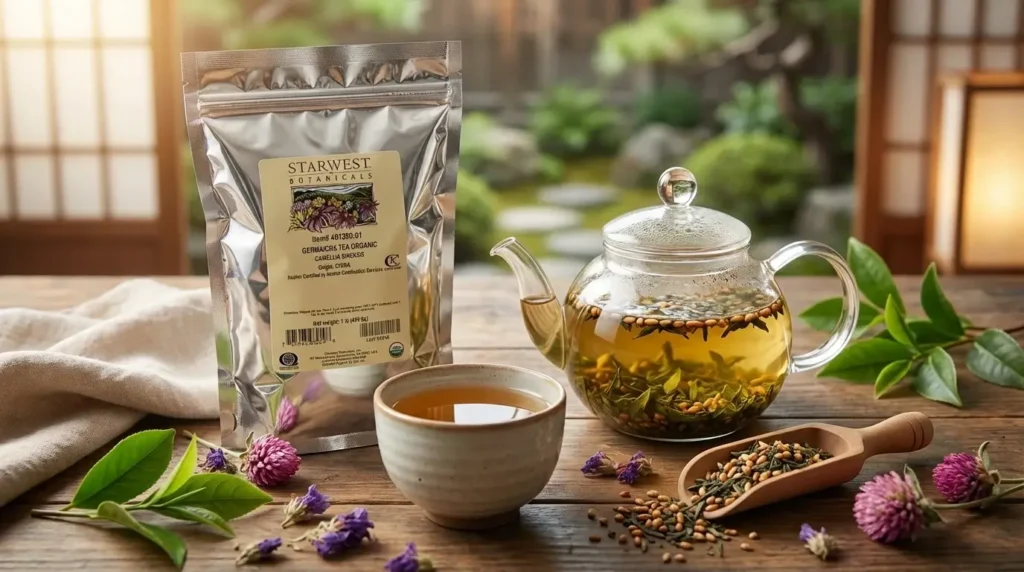
Starwest Botanicals offers a traditional combination of freshly harvested green tea leaves with roasted brown rice, creating a blend that captures both seasonal essences in one cup. The organic ingredients include Camellia sinensis green tea and Oryza sativa roasted brown rice, delivering a mild, toasty aroma alongside warm, nutty flavors.
What Does Starwest Botanicals Genmaicha Taste Like?
The flavor experience brings together contrasting seasonal profiles. The green tea leaves carry the soothing taste of Spring, while the roasted grain contributes nutty flavors and aromas reminiscent of Fall. These elements complement and enliven each other rather than competing for dominance.
The taste itself presents as mild and approachable. You’ll notice the toasty aroma first, followed by warm nutty notes that develop across your palate. The roasted brown rice adds that characteristic popcorn quality, blending fresh grassy notes from the green tea with toasted sweetness from the rice. The combination creates depth without heaviness, offering earthiness without bitterness.
What makes this blend interesting is its balanced harmony. The base green tea brings fresh, grassy notes with gentle astringency, while the roasted rice adds warm, nutty, toasty aromas reminiscent of baked grains. Each sip offers an inviting smoothness that lingers on the palate. The nutty sweetness from the rice pairs with the refreshing grassiness from the green tea, making for a cup that feels pleasant and easy to enjoy.
How to Make Starwest Botanicals Genmaicha
Brewing this tea differs from delicate green teas in one significant way: it tolerates higher temperatures. Use hot water that’s boiling vigorously to bring out the full aroma. This approach works because the roasted rice content, along with the later-harvested leaves typically used in genmaicha, contains fewer astringent compounds that might turn bitter at high temperatures.
For loose-leaf preparation, measure 2 tablespoons (10g) of tea leaves and add them to a kyusu or teapot. Pour 240ml (8oz) of boiling water at 100°C (212°F) to cover the tea leaves. Brew for 30 seconds without stirring or disturbing the leaves.
Conversely, if you prefer a gentler approach, you can use water heated to 175-185°F (80-85°C) with a steeping time of 2-3 minutes. This cooler method preserves sweetness and prevents bitterness from developing during the brew. For instance, measuring 1 teaspoon (2-3 grams) of loose-leaf genmaicha per 8 oz of water ensures a harmonious balance between the vibrant green tea leaves and the comforting roasted rice.
Water quality affects the final cup. Using fresh, filtered water preserves the tea’s nuanced flavors and delivers a clean, refreshing finish. The blend can often be enjoyed through 2-3 infusions, with each revealing new layers of flavor and aroma.
Pros and Cons
Pros:
USDA certified organic green tea and roasted brown rice
Versatile serving options work hot or cold
Suitable for early dining and afternoon dishes
Traditional combination honoring Japanese tea heritage
Mild flavor profile accessible to new tea drinkers
Tolerates higher brewing temperatures without becoming bitter
Affordable pricing compared to sencha or other Japanese green teas
Multiple infusions possible for extended value
Cons:
Contains caffeine, which may not suit evening consumption for sensitive individuals
Loose-leaf format requires measuring and straining equipment
Quality depends on finding the ideal rice-to-tea ratio that suits your taste
May be too mild for those preferring strong, bold teas
The Wrap Up
Starwest Botanicals Organic Genmaicha works well as an everyday tea for various meal occasions. The tea’s versatility shines through its ability to pair with early dining and afternoon dishes. Accordingly, the balanced flavor profile makes it approachable whether you’re serving it hot during cooler months or cold during warmer weather.
The organic certification ensures you’re getting clean ingredients without pesticides or additives. The traditional combination of green tea and roasted rice creates a cup that feels both grounding and refined. For those seeking an affordable, easy-brewing tea that supports casual enjoyment throughout the day, this blend delivers consistent quality. The bright flavor of Japanese green tea and the toasted aroma of brown rice create a balanced harmony that works particularly well alongside sushi and rice-based dishes.
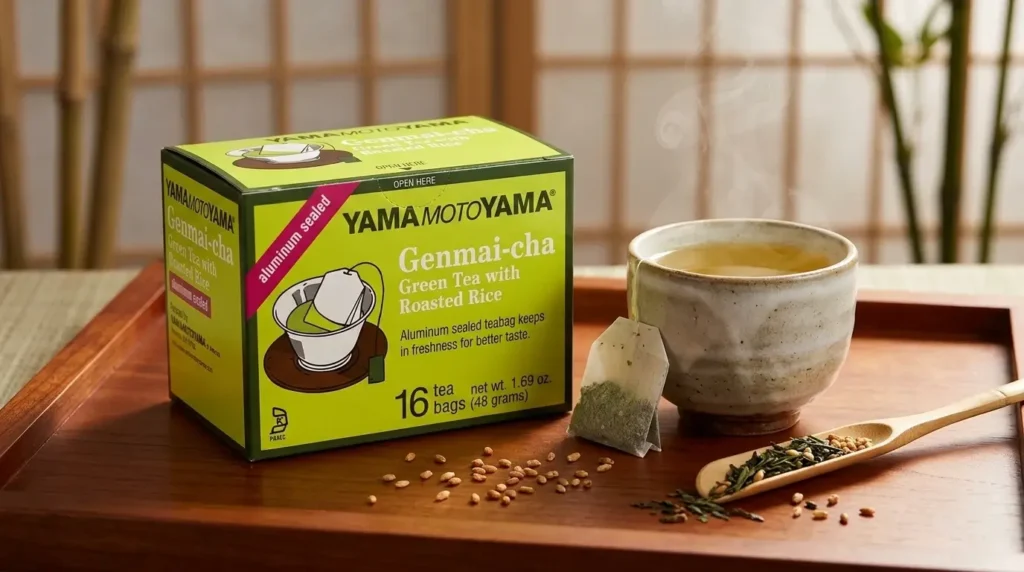
Yamamotoyama has established itself as a go-to brand for authentic Japanese genmaicha, with a rich history as a comforting tea enjoyed with family and friends in Japan. The company blends roasted rice with fresh green steamed tea leaves, resulting in a distinct toasty flavor that sets it apart in the market. I’ve found this brand particularly appealing due to its widespread use in Japanese restaurants across the United States, making it a familiar taste for anyone who enjoys restaurant genmaicha.
What Does Yamamotoyama Genmaicha Taste Like?
The flavor profile delivers a lovely popcorn aroma paired with a nice nutty taste. What surprised me most was how the brown rice creates a roasty flavor reminiscent of coffee, yet it doesn’t overpower the subtle tea notes. This characteristic makes it particularly appealing if you’re primarily a coffee drinker looking to explore green tea options.
The toasted rice dominates the experience with sweet and toasty flavors. Even after multiple cups using the same leaves, as the green tea flavor steeps out, the roasted rice remains enduring in its character. The standard green tea flavor greets you first, but the aftertaste brings all the nuttiness from the rice. Note that the flavor is consistently rich rather than weak and short-lived, which some attribute to Yamamotoyama’s superior skill in roasting their rice compared to other brands.
How to Make Yamamotoyama Genmaicha
For tea bags, boil water and cool to 170-190°F (80-90°C). Place one tea bag in your cup and add 8 oz of hot water. Steep for 1-3 minutes and remove the tea bag.
The organic loose leaf version offers flexibility. While the package recommends boiling water, brewing at 80°C produces good results. You might even go higher to 85°C if desired, though pushing the time or temperature too far creates bitterness and astringency. For instance, using a temperature-controlled electric kettle helps you heat water to temperatures below boiling for optimal tea preparation.
Pros and Cons
Pros:
Affordable price point at $2.30 for 16 bags
Available in both regular and decaf versions for caffeine-sensitive individuals
Organic loose leaf option for those seeking certified organic ingredients
Aluminum-sealed bags maintain freshness
Superior rice roasting quality creates enduring flavor
Widely used in Japanese restaurants, offering authentic taste
Very consistent product quality
Cons:
Tea bags may not be as flavorful as loose leaf versions
Not ideal for extended steeping beyond 2-3 infusions in tea bag format
Requires attention to temperature to avoid bitterness
Rice flavor may be too dominant for those preferring tea-forward profiles
The Wrap Up
Yamamotoyama brings exceptional value as an authentic Japanese genmaicha. The brand’s direct connection to traditional Japanese tea culture shows in every cup. Customers who lived in Japan confirm this tea matches exactly what they drank there. The availability of decaf versions makes it accessible for anyone sensitive to caffeine while maintaining the same quality and taste.
The organic option demonstrates Yamamotoyama’s commitment to providing tea grown and processed well, ideally with direct connection to growers rather than just reselling from wholesale markets. This attention to sourcing delivers one of the best genmaicha options available. The consistent quality makes it a reliable choice whether you’re new to Japanese tea or seeking an everyday drinking option that delivers authentic flavor without breaking your budget.
Comparison Table: The 5 Best Genmaicha Tea on Amazon
Popcorn aroma, nutty taste, roasty coffee-like flavor, sweet and toasty
80-90°C (170-190°F)
1-3 minutes
Not mentioned
Decaf version available; aluminum-sealed bags; widely used in Japanese restaurants
Budget-conscious buyers; authentic Japanese restaurant taste; caffeine-sensitive individuals (decaf option)
Conclusion
Overall, each genmaicha option I’ve covered brings something different to your cup. If you’re seeking organic certification and convenience, Buddha Teas or Starwest Botanicals fit the bill. For elevated flavor with matcha, Culinary Teas delivers exceptional quality. Art of Tea works wonderfully as a sweeter daily drinker, while Yamamotoyama offers authentic Japanese restaurant taste at an unbeatable price.
Your ideal choice depends on your budget, desired caffeine level, and whether you prefer tea bags or loose leaf. I’d recommend starting with Yamamotoyama for its affordability, then exploring premium options as you develop your palate. After all, discovering your perfect genmaicha makes each cup more enjoyable.
FAQs
Q1. Can I drink genmaicha tea every day? Yes, most people can safely enjoy genmaicha daily. However, it’s recommended to limit your consumption to 1-3 cups per day to avoid potential side effects from caffeine and other compounds. Since genmaicha contains less caffeine than regular green tea (typically 10-30mg per cup), it’s generally well-tolerated for daily consumption.
Q2. How does genmaicha compare to sencha in terms of health benefits? Sencha generally has a higher nutrient profile compared to genmaicha. While genmaicha’s older tea leaves may contain more minerals, sencha’s younger leaves are richer in caffeine, L-theanine, and antioxidants. However, genmaicha offers the advantage of lower caffeine content, making it suitable for those who want to moderate their intake while still enjoying green tea benefits.
Q3. Does genmaicha have less caffeine than regular green tea? Yes, genmaicha typically contains 20-40% less caffeine than pure green tea like sencha. This is because the roasted rice replaces a portion of the tea leaves in each serving, resulting in approximately 10-30mg of caffeine per cup compared to regular green tea’s higher levels. This makes genmaicha an excellent choice for afternoon or evening consumption.
Q4. What’s the best way to brew genmaicha tea? Genmaicha is forgiving and can be brewed with water temperatures ranging from 70-95°C (170-200°F). For optimal results, use 1-2 teaspoons of tea per 8 oz of water and steep for 1-3 minutes. Unlike delicate green teas, genmaicha tolerates higher temperatures well due to its roasted rice content, and it can be re-steeped multiple times.
Q5. Where can I buy quality genmaicha tea online? Quality genmaicha is available on Amazon from reputable brands like Yamamotoyama, Buddha Teas, and Ippodo. However, tea enthusiasts often recommend purchasing from specialized tea vendors to ensure authenticity and freshness. Look for organic certifications and customer reviews to help identify high-quality products.
Black Tea Extract that is rich in natural theaflavins and polyphenols that help protect your body from free radicals, promoting overall immune health and well-being
Contains blended amounts of Fruits and Veggies. All natural, with whole foods, fruit and vegetable supplement.Perfect for everyone looking to live a healthier lifestyle.