Quick Comparison Summary: Oolong Tea vs Green Tea Benefits
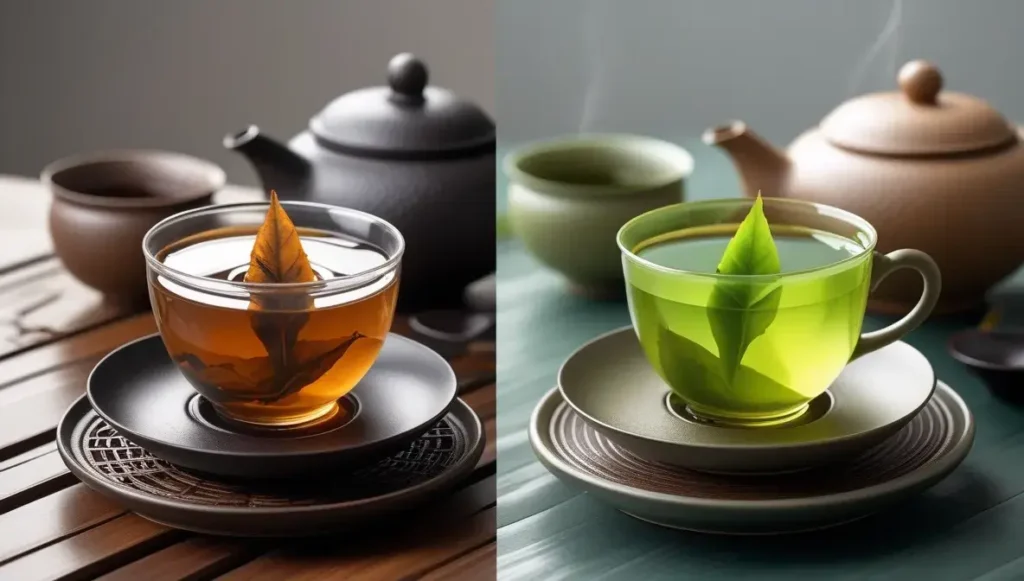
Oxidation & Processing: Both come from Camellia sinensis, but oolong tea is partially oxidized (8%–85%) via sun-withering, bruising, and roasting, while green tea is 0% oxidized (steamed or pan-fired immediately after harvest).
Weight Loss & Fat Oxidation: Clinical trials show oolong tea boosts 24-hour energy expenditure by 2.9% and fat oxidation by 12%, giving it a slight edge for triglyceride breakdown and lipid metabolism, while green tea excels via concentrated EGCG catechins.
Caffeine Content (Per 8 oz Cup): Oolong tea averages 30 to 50 mg (typically ~38 mg), making it stronger than green tea’s 25 to 35 mg (~29 mg). Both contain L-theanine for calm, jitter-free focus.
Cognitive & Antioxidant Edge: Green tea provides higher unoxidized EGCG catechins and has been linked to a 64% lower risk of cognitive decline in older adults. Oolong combines catechins with polymerized theaflavins and thearubigins for strong blood sugar and cholesterol balance.
Best Brewing Water Temperature: Steep oolong tea hotter at 185°F–205°F (85°C–96°C) for 3–5 minutes; steep green tea gentler at 175°F–185°F (80°C–85°C) for 2–3 minutes to prevent bitterness.
Oolong Tea vs Green Tea: Master Comparison Table
See how oolong tea and green tea stack up across oxidation, caffeine, clinical health markers, and ideal brewing parameters:
Characteristic
Oolong Tea (Wu Long)
Green Tea (Lu Cha)
Winner / Best Use
Oxidation Level
Partial oxidation (8%–85%)
Unoxidized (0%)
Oolong offers wider flavor range
Primary Origins
Taiwan & Fujian Province (Wuyi, Anxi)
China (~80% global supply) & Japan
Distinct regional terroir
Processing Method
Sun-withering, bruising, rolling & roasting
Steaming (Japanese) or pan-frying (Chinese)
Oolong develops complex aroma
Flavor Profile
Floral, creamy, stone-fruit to toasted nutty
Grassy, vegetal, fresh seaweed or steamed greens
Oolong is smoother & less astringent
Caffeine (per 8 oz cup)
~38 mg (Range: 30–50 mg)
~29 mg (Range: 25–35 mg)
Oolong for morning; Green for afternoon
Key Antioxidants
Mixed catechins, theaflavins & thearubigins
Concentrated unoxidized catechins (EGCG)
Green for pure EGCG; Oolong for diversity
Weight Loss & Fat Burn
+2.9% energy expenditure; +12% fat oxidation
Enhances resting fat oxidation via EGCG
Slight edge to Oolong for fat breakdown
Blood Sugar & Heart
Breaks down triglycerides; supports insulin sensitivity
Lowers LDL cholesterol & oxidative stress
Both strongly cardioprotective
Water Temperature
185°F–205°F (85°C–96°C) for 3–5 mins
175°F–185°F (80°C–85°C) for 2–3 mins
Oolong tolerates hotter water
Daily Safe Intake
2–3 cups/day (morning & early afternoon)
2–5 cups/day (morning through late afternoon)
Green allows higher daily volume
When comparing oolong tea vs green tea benefits, many tea drinkers are surprised to discover that oolong—despite representing only about 2% of global tea production—rivals and sometimes outperforms green tea in fat oxidation and triglyceride metabolism. Meanwhile, green tea remains the gold standard for concentrated EGCG catechins and long-term neuroprotection. In this updated guide, we break down the exact science behind both brews so you can pick the right cup for weight loss, heart health, blood sugar balance, and daily energy.
Processing and Origin Differences
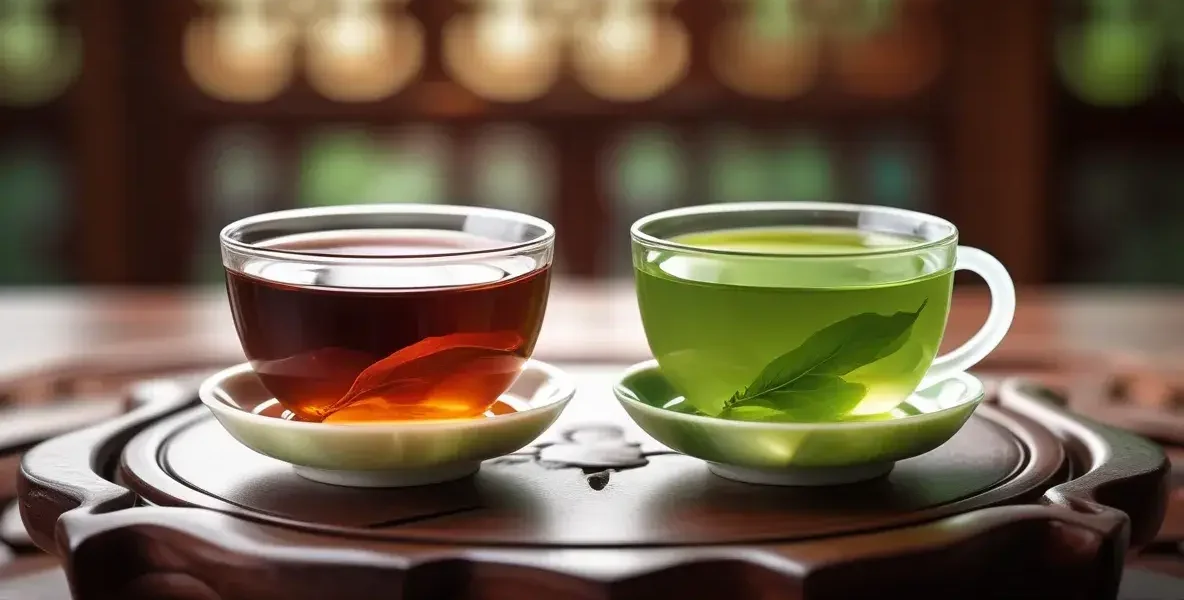
Partial oxidation (8–85%) places oolong tea right between unoxidized green tea and fully oxidized black tea.
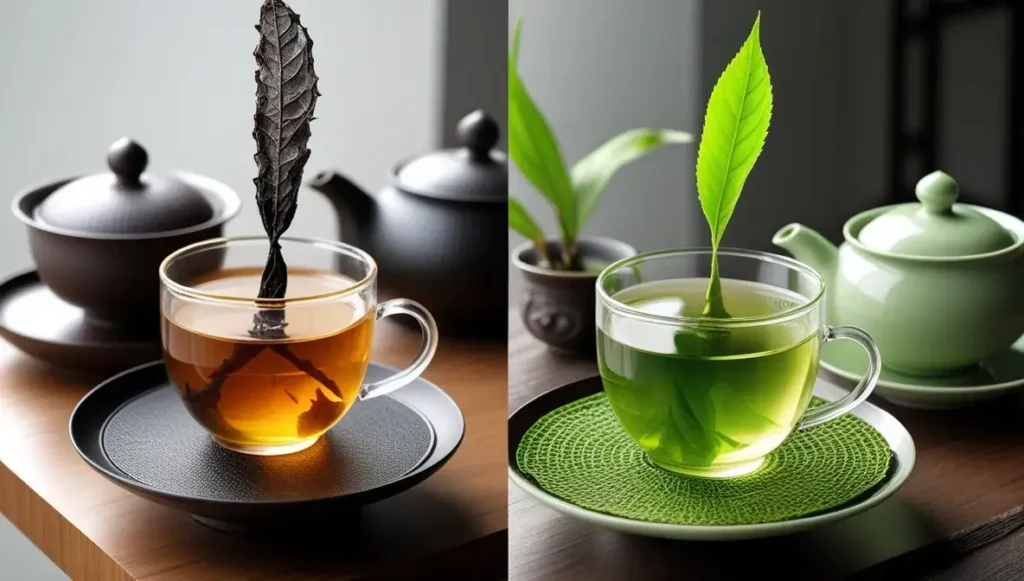
Oxidation Levels: 8–85% in Oolong vs 0% in Green Tea
The primary distinction between these two Camellia sinensis teas lies in enzymatic oxidation. Oolong tea undergoes carefully controlled partial oxidation ranging from 8% (light, floral Taiwanese High Mountain oolongs) up to 85% (dark, charcoal-roasted Wuyi Rock oolongs). During bruising and withering, polyphenol oxidase converts simple catechins into complex theaflavins and thearubigins. Conversely, green tea halts oxidation immediately after plucking, preserving 0% oxidation and keeping its catechins in their raw monomeric state.
Geographic Origins & Craftsmanship
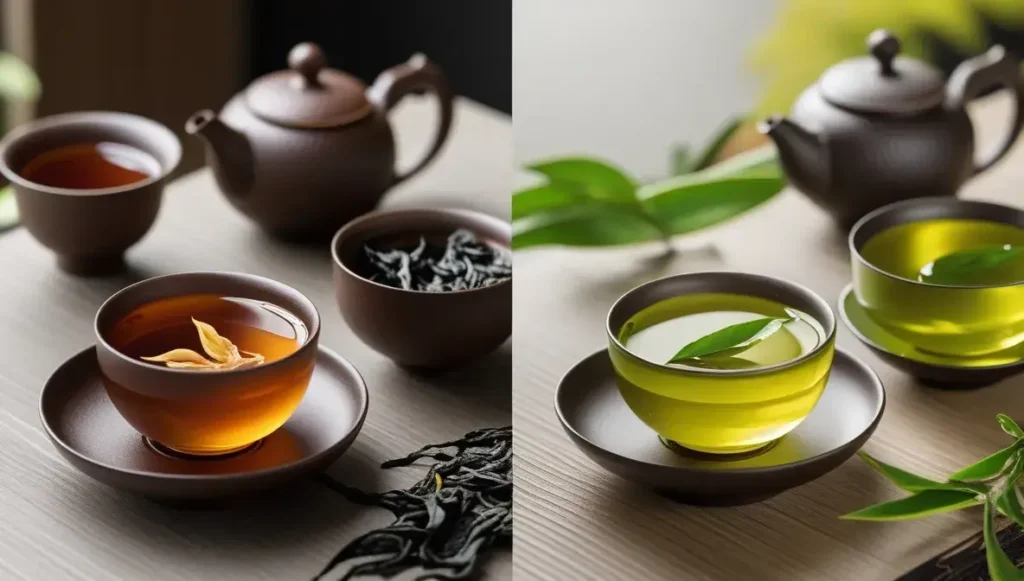
Oolong production centers in Taiwan (Alishan, Lishan, Dong Ding) and China’s Fujian Province (Anxi Tieguanyin and Wuyi Mountain rock teas). Green tea dominates mainland China (about 80% of world output, including Dragon Well/Longjing) and Japan (steamed Sencha, Gyokuro, and Matcha). Pan-firing produces nuttier Chinese green teas, whereas steaming yields marine, umami-rich Japanese green teas.
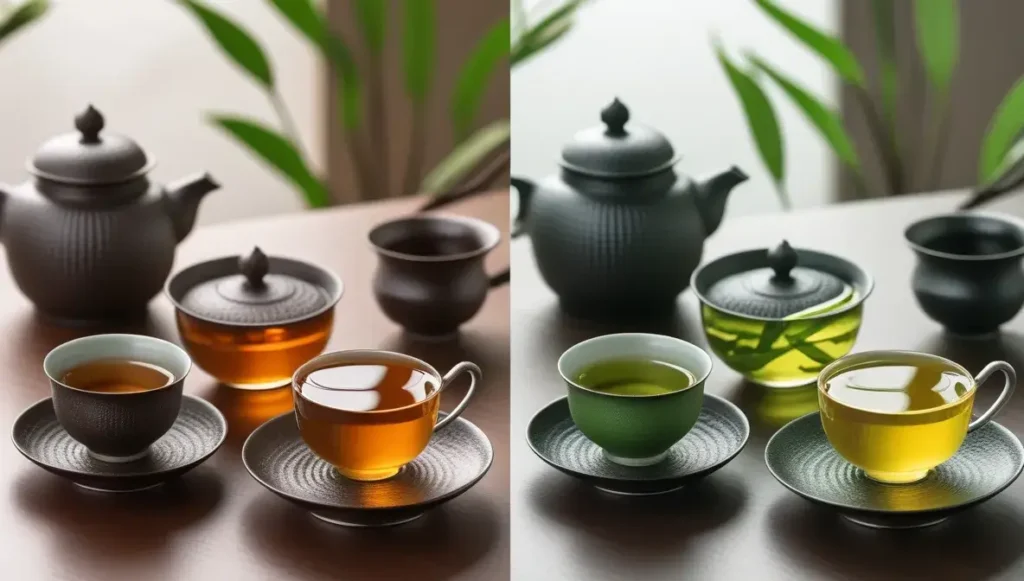
Oolong delivers ~38 mg caffeine with creamy stone-fruit notes, while green tea offers ~29 mg with crisp vegetal flavor.
Caffeine Content: 38 mg vs 29 mg per 8 oz Cup
A standard 8-ounce cup of brewed oolong tea delivers roughly 38 mg of caffeine (30–50 mg range), compared to about 29 mg (25–35 mg range) in standard green tea. Both provide less than half the caffeine of drip coffee (95–165 mg) and supply natural L-theanine, an amino acid that crosses the blood-brain barrier to foster calm, sustained concentration without jitteriness.
Best Water Temperature & Steeping Time
How to Brew Oolong Tea: Heat filtered water to 185°F–195°F (85°C–90°C) for lightly oxidized green oolongs, or 195°F–205°F (90°C–96°C) for dark roasted oolongs. Steep 3 to 5 minutes; whole rolled leaves can be re-steeped 4–6 times.
How to Brew Green Tea: Use cooler water at 175°F–185°F (80°C–85°C) and steep for only 2 to 3 minutes. Boiling water scorches unoxidized leaves and releases excessive bitter tannins.
Health Benefits of Oolong Tea vs Green Tea
1. Weight Loss & Fat Oxidation
Controlled metabolic studies show oolong tea increases 24-hour energy expenditure by 2.9% and boosts fat oxidation by 12% compared to water—translating to roughly 67–79 extra calories burned daily. Green tea also supports healthy weight management via EGCG-driven thermogenesis, especially when paired with regular exercise.
2. Heart Health & Cholesterol Balance
Oolong tea polyphenols activate lipase enzymes that help break down triglycerides in the bloodstream and lower LDL cholesterol. Similarly, meta-analyses published in the American Journal of Clinical Nutrition confirm green tea consistently reduces total cholesterol and LDL oxidation.
3. Blood Sugar & Insulin Sensitivity
Long-term observational cohorts link daily tea drinking to roughly a 17% lower risk of type 2 diabetes. In clinical trials on patients with type 2 diabetes, consuming 1,500 ml of oolong tea daily alongside standard care produced significant reductions in fasting blood glucose.
4. Cognitive Support & Neuroprotection
While L-theanine in both teas improves attention and working memory, green tea’s concentrated EGCG profile has been strongly linked to long-term brain protection—with cohort studies reporting up to a 64% lower risk of cognitive impairment among regular older green tea drinkers.
5. Dental & Bone Mineral Density
Both teas supply trace natural fluoride (0.3–0.4 mg per cup in green tea; 0.1–0.2 mg in oolong) to help protect tooth enamel, alongside polyphenols that support osteoblast bone formation.
Limit oolong to 2–3 cups earlier in the day if sensitive to caffeine; green tea allows 2–5 cups daily.
Best Time to Drink: Drink oolong tea in the morning or early afternoon (at least 6 hours before bed) for steady energy and post-meal lipid digestion. Choose lighter green tea in the late morning or afternoon.
Daily Intake Limits: Aim for 2–3 cups of oolong or 2–5 cups of green tea daily. Stay below the FDA’s 400 mg/day adult caffeine ceiling (200 mg/day during pregnancy; see our tea pregnancy caffeine guide).
Iron Absorption Tip: Because tea tannins can modestly reduce non-heme iron absorption, individuals with iron-deficiency anemia should enjoy both teas between meals rather than with iron-rich foods.
Conclusion: Which Brew Should You Choose?
Enjoy oolong for fat metabolism and rich aroma, or green tea for EGCG brain and cellular support.
Choose oolong tea if your top priorities are fat oxidation, post-meal triglyceride support, a smooth floral-to-roasted taste without bitterness, and a slightly stronger ~38 mg caffeine lift. Choose green tea if you want maximum unoxidized EGCG, long-term cognitive protection, lower caffeine (~29 mg), and an affordable 2–5 cup daily wellness habit. Many tea enthusiasts drink green tea in the morning and roasted oolong after lunch for the best of both worlds.
Medical & Wellness Disclaimer: The content published on Tea World is for educational and informational purposes only and is not intended as medical advice, diagnosis, or treatment. Always consult a qualified physician or healthcare provider before using herbal infusions or botanical supplements, especially if you are pregnant, nursing, taking prescription medications, or managing an existing health condition.
Black Tea Extract that is rich in natural theaflavins and polyphenols that help protect your body from free radicals, promoting overall immune health and well-being
Contains blended amounts of Fruits and Veggies. All natural, with whole foods, fruit and vegetable supplement.Perfect for everyone looking to live a healthier lifestyle.