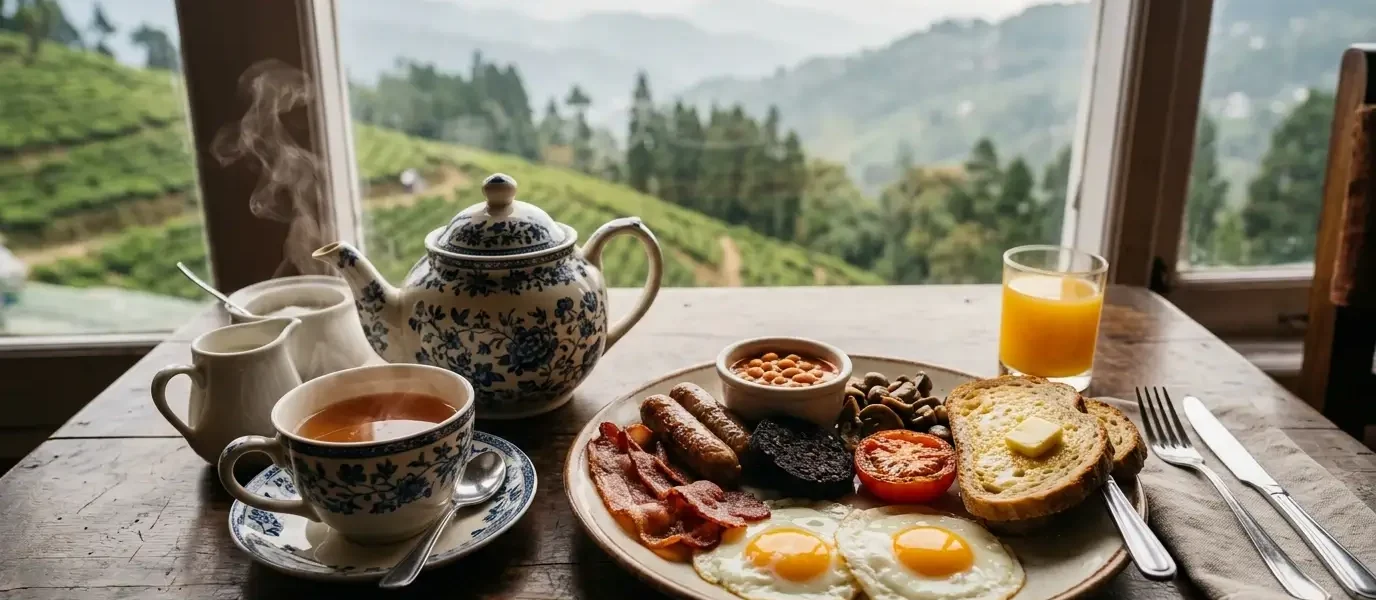
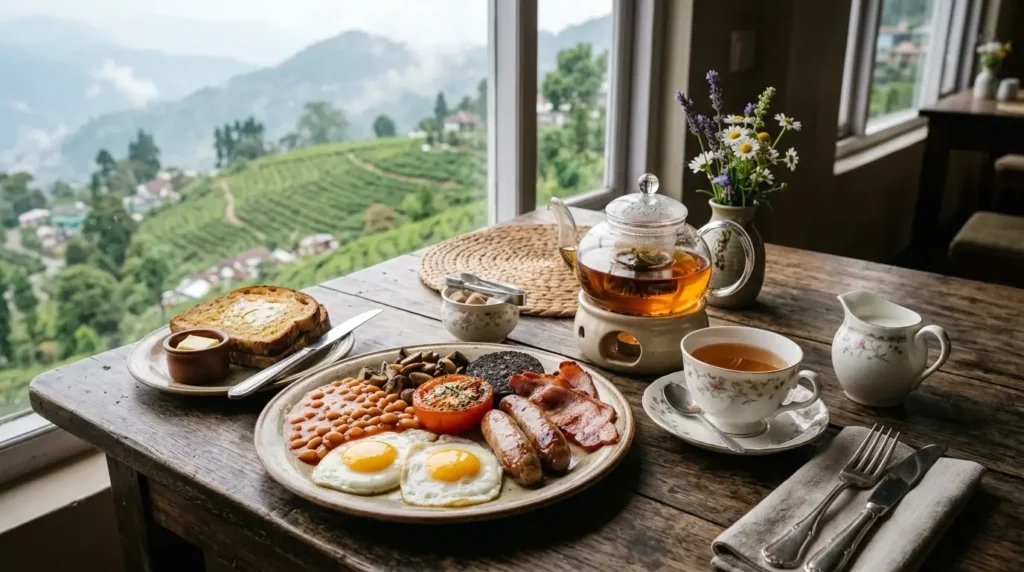
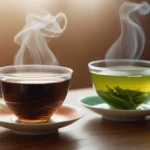
Choosing between darjeeling tea vs english breakfast can feel overwhelming when both are beloved black teas with distinct personalities. Darjeeling tea, often called the “Champagne of teas,” offers musky-sweet tasting notes similar to muscat wine. This Indian-grown tea from the Darjeeling region brings delicate, floral flavors that change with each harvest flush. English Breakfast tea, on the other hand, delivers a robust, malty punch that’s ideal for your morning routine. While Darjeeling tea taste leans toward subtle and refined, English Breakfast brings bold strength, especially when blended with Assam leaves. In this guide, we’ll break down everything from flavor profiles and caffeine content to brewing methods, helping you decide which tea deserves a spot in your cup.
Key Takeaways
Understanding the differences between Darjeeling and English Breakfast tea helps you choose the perfect cup for any occasion.
• Darjeeling offers delicate, floral complexity – This “Champagne of teas” delivers light, muscatel flavors best enjoyed plain or with lemon to preserve its nuanced character.
• English Breakfast provides bold morning strength – This robust blend combines teas from multiple regions, creating full-bodied flavor that pairs perfectly with milk and hearty breakfast foods.
• Choose based on timing and taste preference – Pick English Breakfast for energizing mornings and strong caffeine kick; select Darjeeling for refined afternoon tea sessions.
• Brewing methods differ significantly – Darjeeling requires lower temperatures (80-90°C) and shorter steeping (2-4 minutes), while English Breakfast needs boiling water and 3-5 minutes for optimal extraction.
Both teas deserve space in your collection since they serve different purposes – English Breakfast for daily energy and tradition, Darjeeling for sophisticated tea appreciation and lighter moments.
What Is Darjeeling Tea?
Origins and Growing Regions
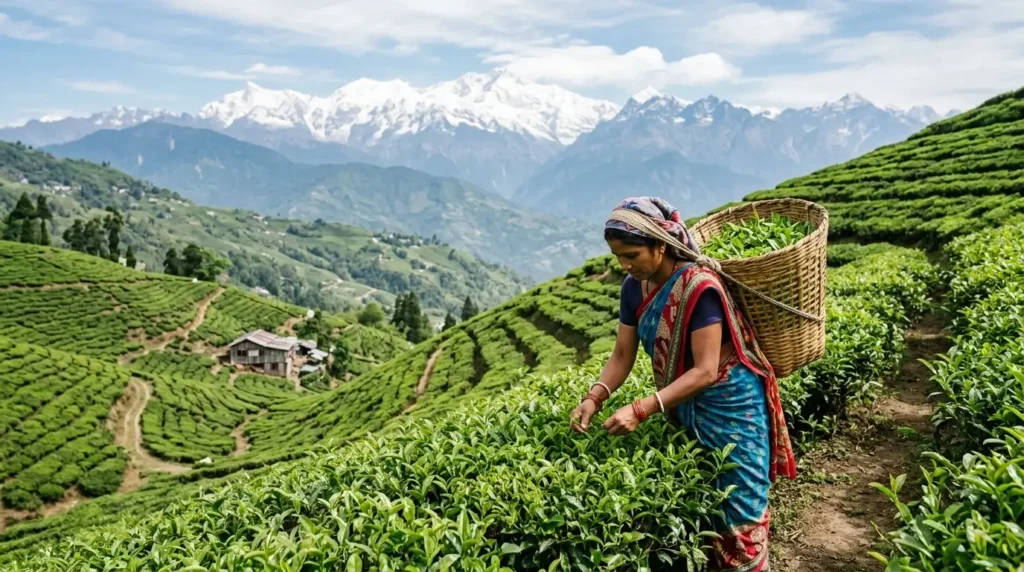
Darjeeling tea grows exclusively in the Darjeeling and Kalimpong districts of West Bengal, India, nestled in the Himalayan foothills. The region began producing tea in 1841 when Archibald Campbell first planted Camellia sinensis var. sinensis seeds. The first commercial gardens appeared in 1856, and by 1866, 39 tea estates operated in the area. Production reaches approximately 10 million kilograms annually across 17,500 hectares. Since 2004, “Darjeeling tea” has held geographical indication status, legally protecting tea from 87 registered gardens.
Darjeeling First Flush vs Second Flush
First flush arrives in spring, typically late February through May, harvesting the first tender shoots after winter dormancy. These young leaves create a light, floral tea with gentle astringency and pale lemon to golden color. Second flush follows in May and June, producing more mature leaves with Darjeeling’s signature muscatel flavor. The muscatel note develops after insects (Empoasca leafhoppers and Homona coffearia) attack the plant, triggering compounds that create this distinctive musky, grape-like taste. Correspondingly, second flush delivers fuller body and darker amber color compared to first flush’s delicate profile.
Flavor Profile and Taste Notes
First flush Darjeeling offers vegetal notes with fruity and floral undertones, creating an explosively aromatic yet light cup. Second flush presents robust muscatel character alongside honey, oak, and harmonious floral-fruity nuances. The brew ranges from pale lemon to rich amber with varying brightness, depth, and body. Organoleptic characteristics include mellow, smooth, round, delicate, mature, sweet, lively, dry, and brisk qualities.
Oxidation Level and Processing
Women hand-pluck approximately 20,000 shoots to produce 1 kilogram of finished tea. Leaves undergo withering for up to 20 hours, rolling for 10-50 minutes to bruise cells, and oxidation at 80% humidity and 70-80°F for three to four hours. First flush oxidizes for less than 15 minutes, while second flush oxidizes for 2-3 hours. Drying at 250°F stops oxidation and reduces moisture to approximately 2%.
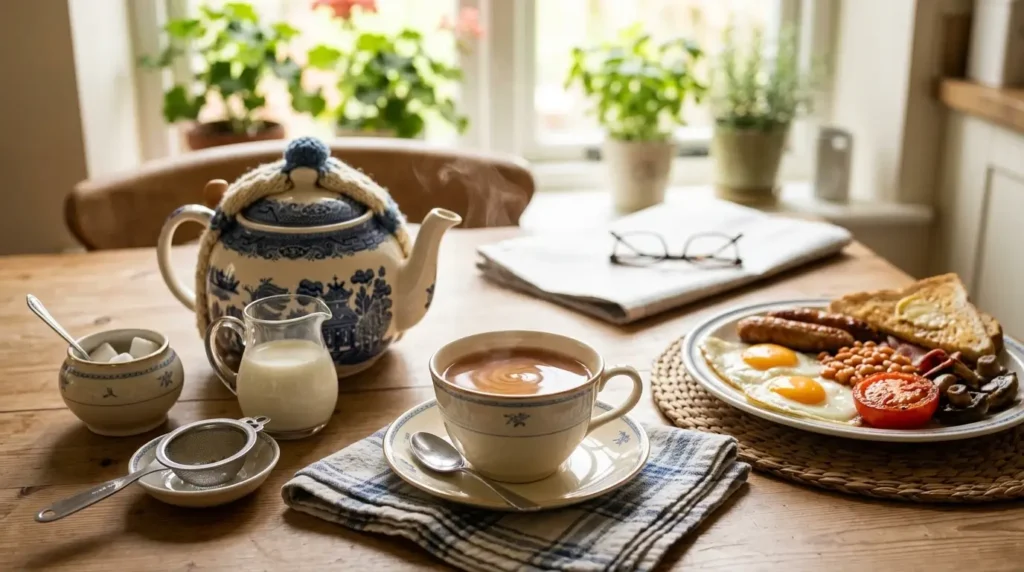
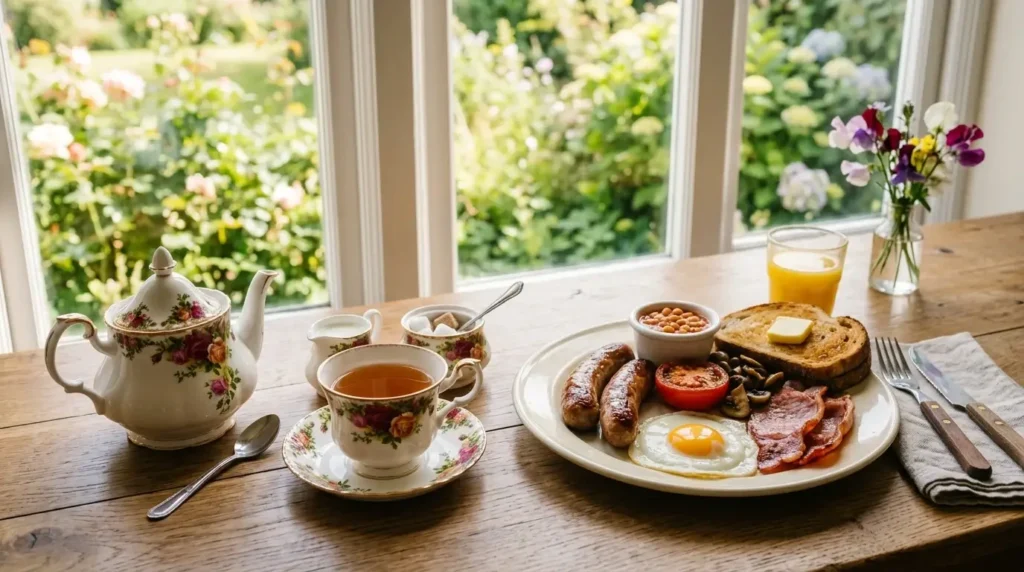
English Breakfast tea represents a blend rather than a single-origin tea, built around the concept of bold, brisk black tea designed to start your day. No standardized recipe exists across makers. Traditionally, blenders combined aromatic Chinese black tea such as Keemun with Ceylon from Sri Lanka and Assam for deeper, more brisk bite. The tradition likely originated with tea traders in 17th and 18th century England, who imported varieties from China including pouchong oolong, orange pekoe, and congou. After British colonization established tea industries in India and Sri Lanka in the mid-1800s, and later in Kenya, teas from those countries entered blenders’ repertoires.
Most modern blends source leaves from different estates in East Africa, Ceylon, and Assam to produce characteristically full-bodied brews. Assam, Ceylon, and Kenyan teas predominate, with Keemun sometimes included in more expensive blends. The exact proportions vary by maker, allowing each to create distinct house blends.
Strength and Body Characteristics
English Breakfast delivers full-bodied, robust character blended specifically to go well with milk and sugar. The richness means it can be enjoyed with milk and sometimes sweetened with sugar, although quality blends can be smooth enough to drink plain. The flavor profile features bold notes similar to coffee with roasted character, nutty undertones, and sweet and bitter notes. Black teas in these blends undergo longer oxidation during processing, giving the signature rich taste. By the same token, this strength stands up to morning routines and complements traditional hearty English breakfasts.
Traditional Preparation Methods
Brewing requires water between 205 and 212 degrees Fahrenheit. Add one teaspoon of loose leaf tea per cup to a tea strainer. Steep for three to five minutes, with longer times producing stronger flavor. Remove the tea strainer and add milk or sweetener as desired. Fresh water and proper steeping produce smooth cups without bitterness.
Darjeeling Tea vs English Breakfast: Key Differences
Taste Comparison: Delicate vs Bold
Darjeeling delivers light, aromatic flavor built on clarity rather than weight. English Breakfast, in contrast, relies on body to deliver satisfaction with malty, dense, and coating characteristics. Darjeeling tastes less bitter than other teas, offering sweet, fruity, and earthy notes. English Breakfast brings bold strength with nutty undertones and both sweet and bitter notes. First flush Darjeeling feels almost oolong-like in its delicate profile, while second flush develops muscatel flavors.
Caffeine Content Differences
Darjeeling contains approximately 50 milligrams of caffeine per 8-ounce cup, though some sources indicate around 120 mg for stronger brews. English Breakfast averages 47 mg per 8-ounce cup, with ranges from 60-90 mg depending on blend strength. Both deliver caffeine more smoothly than coffee due to lower tannin content and higher amino acid presence.
Color and Appearance
Darjeeling brews range from golden yellow to amber or orange, with first flush producing lighter, clearer liquor. English Breakfast steeps darker brown with deeper body.
Astringency and Mouthfeel
Darjeeling feels light, smooth, and precise. English Breakfast delivers thick, coating mouthfeel ideal for milk. Darjeeling has lower tannin density owing to high-altitude growing conditions.
Best Brewing Temperature and Time
First flush Darjeeling requires 80-85°C for 2-3 minutes. Second flush handles 85-90°C for 3-4 minutes. English Breakfast needs boiling water at 212°F steeped for 3-5 minutes.
English Breakfast works best when you need strong caffeine kick in the morning. Bold black teas like English Breakfast deliver the highest caffeine content among morning teas. The robust character wakes you up and pairs naturally with hearty breakfast foods like toast, eggs, and cereal.
For Afternoon Relaxation
Darjeeling suits afternoon tea sessions better. First flush Darjeeling serves as an enchanting afternoon tea, offering delicate flavors without overwhelming heaviness. For true relaxation without caffeine, consider herbal options like chamomile or peppermint instead.
With Milk and Sugar vs Plain
English Breakfast traditionally pairs with milk and sugar, which complement its strong flavor while mellowing bitterness. Darjeeling tastes best enjoyed black or with lemon to preserve its delicate flavor. Adding milk to Darjeeling, particularly first or second flush, can mask the high natural flavors.
For Tea Beginners vs Enthusiasts
Ceylon teas offer full-bodied yet approachable profiles for beginners, not overly intense with just the right astringency. English Breakfast provides good starter tea for experimenting with brewing times. Darjeeling first flush appeals to both novice drinkers and tea connoisseurs, though its nuanced character requires appreciation.
Pairing with Food
English Breakfast complements hearty, savory foods like eggs, sandwiches, scones, and chocolate desserts. Darjeeling pairs better with delicate pastries, macaroons, smoked salmon, and light creamy cheese like goat’s cheese.
Comparison Table: Darjeeling Tea vs English Breakfast Tea
Attribute
Darjeeling Tea
English Breakfast Tea
Origin
Darjeeling and Kalimpong districts, West Bengal, India (Himalayan foothills)
Blend of teas from multiple regions (East Africa, Ceylon/Sri Lanka, Assam, sometimes Keemun from China)
Type
Single-origin tea
Blended tea
Flavor Profile
Light, aromatic, delicate; First flush: vegetal, fruity, floral; Second flush: muscatel, honey, oak
Bold, robust, malty; coffee-like with roasted character, nutty undertones, sweet and bitter notes
Taste Characteristics
Sweet, fruity, earthy, less bitter, mellow, smooth, delicate
First flush: less than 15 minutes; Second flush: 2-3 hours
Longer oxidation during processing (specific time not mentioned)
Production
Approximately 10 million kg annually across 17,500 hectares
Not mentioned
Special Characteristics
Called “Champagne of teas”; Muscatel flavor from insect attacks; Geographical indication status since 2004
Designed to start your day; Tradition from 17th-18th century England
Suitable For
Both beginners and tea connoisseurs (especially first flush)
Beginners; good for experimenting with brewing times
Conclusion
The Darjeeling vs English Breakfast debate ultimately comes down to your personal preferences. English Breakfast wins for morning energy and pairing with milk, while Darjeeling excels as an afternoon tea with delicate, nuanced flavors. Overall, I’d suggest picking English Breakfast if you want bold strength and value tradition. Choose Darjeeling if you appreciate subtle complexity and lighter body. Both deserve a place in your tea collection, so why not try both?
Q1. Is Darjeeling tea stronger than English Breakfast tea? No, Darjeeling tea is not stronger than English Breakfast. Darjeeling offers a lighter, more delicate flavor with floral and fruity notes, sometimes described as the “Champagne of teas.” English Breakfast, on the other hand, is bold and robust with a strong, malty character and earthy, nutty taste that stands up well to milk and sugar.
Q2. Which tea is better for someone who dislikes bitter flavors? If you prefer sweeter, less bitter flavors, Ceylon tea or Earl Gray would be better choices than Darjeeling or English Breakfast. Ceylon has natural citrusy and honeyed notes with smooth sweetness, while Earl Gray’s bergamot infusion provides a bright, floral character with perceived sweetness. However, any black tea can taste bitter if oversteeped, so proper brewing time is essential.
Q3. What makes Darjeeling tea special compared to other black teas? Darjeeling tea is unique due to its distinctive muscatel flavor, which develops when insects attack the tea plants, creating a musky, grape-like taste. Grown exclusively in the Himalayan foothills of West Bengal, India, it has held geographical indication status since 2004. Its delicate, aromatic profile with floral and fruity notes sets it apart from bolder black teas.
Q4. Should I add milk to Darjeeling tea or English Breakfast tea?English Breakfast tea is traditionally enjoyed with milk and sugar, as its robust flavor complements these additions while mellowing any bitterness. Darjeeling, however, is best served black or with just lemon to preserve its delicate, nuanced flavors. Adding milk to Darjeeling can mask its natural floral and fruity characteristics.
Q5. Which tea is better for beginners to try first? Ceylon tea or English Breakfast are excellent starter teas for beginners. Ceylon offers a balanced, medium-bodied profile that’s not overly intense, while English Breakfast is affordable and great for experimenting with different brewing times and ratios. Both provide approachable flavors without the complexity that requires an experienced palate to fully appreciate.
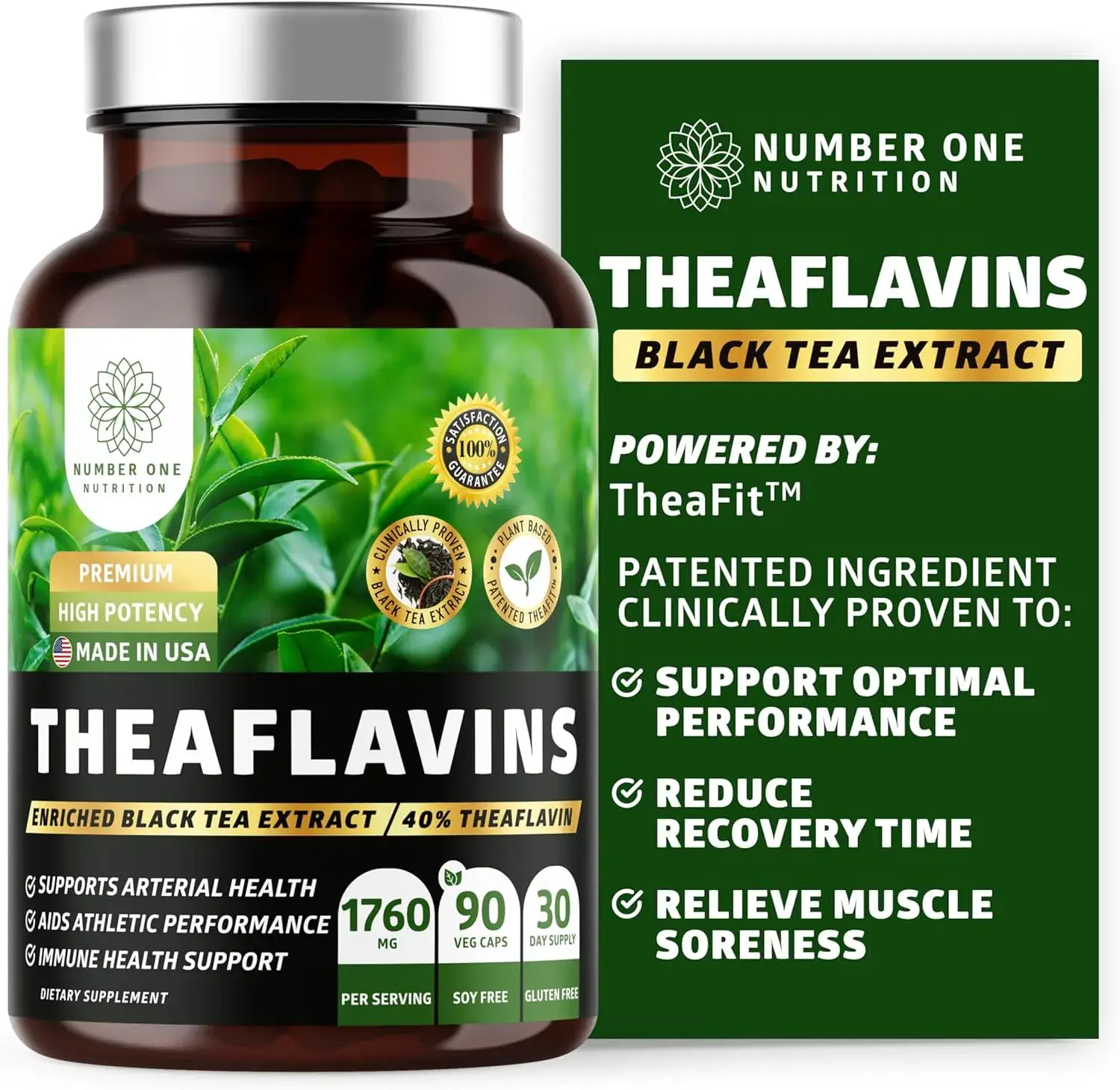
Black Tea Extract that is rich in natural theaflavins and polyphenols that help protect your body from free radicals, promoting overall immune health and well-being
Contains blended amounts of Fruits and Veggies. All natural, with whole foods, fruit and vegetable supplement.Perfect for everyone looking to live a healthier lifestyle.