You may know sencha tea as a common Japanese green tea, but you may not know how it affects your health. When you drink sencha, you get antioxidants, moderate caffeine, and plant compounds that support heart health, focus, and metabolism.
Sencha tea offers antioxidant support, gentle energy, and possible heart and metabolic benefits, but it can also cause sleep issues, stomach upset, or iron absorption problems if you drink too much.
Understanding what sencha tea is and how it works in your body helps you decide how much to drink and when to avoid it. When you learn the sencha tea benefits and side effects, you can enjoy this Japanese green tea in a way that fits your daily routine.
Key Takeaways
Sencha tea provides antioxidants and moderate caffeine that support focus and overall health.
Drinking too much may cause sleep problems, stomach irritation, or reduced iron absorption.
Proper brewing and moderate intake help you gain benefits while lowering risk.
Understanding Sencha: Origins and Types
Sencha is the most common form of Japanese green tea, and it plays a central role in daily life in Japan. To understand its benefits and side effects, you need to know where it comes from and how different types affect flavor, caffeine, and nutrients.
Brief History and Cultural Significance
You drink sencha as a brewed leaf tea made from Camellia sinensis. Farmers steam the leaves soon after harvest to stop oxidation. This process keeps the tea green and fresh in taste.
In Japan, sencha falls under the broad category of ryokucha, which means green tea. It makes up most of the tea consumed in Japanese homes. Unlike matcha, which you whisk as a powder during tea ceremonies, you prepare sencha for daily use and casual settings.
Modern sencha production developed during the Edo period. Steaming replaced pan firing, which created the bright green color and grassy taste you expect today. You now find both conventional and organic sencha grown without synthetic pesticides.
Types of Sencha and Processing Methods
The main difference between types of sencha comes from harvest time and steaming length. These steps change taste, texture, and strength.
Common types of sencha:
Shincha – The first harvest of the year. It tastes fresh and slightly sweet.
Asamushi sencha – Lightly steamed (asamushi). It has a clear yellow-green color and a clean, mild flavor.
Fukamushi sencha – Deep steamed (fukamushi). It produces a darker, cloudy cup with a stronger taste.
Powdered sencha – Finely ground leaves, but not the same as matcha. You still brew it differently.
Deep steaming breaks the leaves into smaller pieces. This can increase body and intensity in the cup. Light steaming keeps the leaves more intact and gives you a lighter finish.
If you want detailed background on processing and grades, this guide on Sencha green tea: history, grades, and health benefits explains how producers sort and classify different harvests.
Sencha vs Other Green Teas
You often compare sencha with matcha, gyokuro, and bancha. Each comes from Camellia sinensis, but growing and processing methods differ.
Matcha is shade-grown and ground into powder. You drink the whole leaf, which raises caffeine and nutrient intake per cup. Sencha is brewed and strained, so you consume an infusion, not the leaf itself.
Gyokuro also grows in shade before harvest. This boosts sweetness and increases certain amino acids. It usually costs more and tastes richer than sencha.
Bancha comes from later harvests. It has a milder flavor and often lower caffeine.
If you want a clear comparison between brewed sencha and powdered tea, this overview of sencha vs matcha differences explains how brewing style and caffeine content set them apart.
Nutritional Profile of Sencha Tea
Sencha tea nutrition comes from steamed whole leaves, not powder. You get a mix of antioxidants, amino acids, caffeine, and small amounts of vitamins and minerals in each cup.
Key Compounds and Micronutrients
Sencha tea leaves contain high levels of polyphenols, especially catechins. The most studied catechin is EGCG (epigallocatechin gallate). EGCG acts as a strong antioxidant that helps protect your cells from damage.
Steaming the leaves helps preserve these antioxidants. This process keeps more catechins intact compared to some other teas.
You also get tannins, which give sencha its slightly bitter taste. Tannins have antioxidant activity, but they can also affect iron absorption if you drink tea with meals.
Sencha provides small amounts of fluoride, which supports tooth enamel. The exact amount depends on soil and growing conditions.
Sencha is rich in catechins and other natural plant compounds that shape its nutrient profile.
Caffeine Content and L-Theanine
Sencha contains moderate caffeine content, usually about 20–40 mg per cup. The exact amount depends on how much leaf you use and how long you steep it.
You get less caffeine than coffee, but enough to feel more alert. Brewing with hotter water and longer steep times increases caffeine levels.
Sencha also contains L-theanine, an amino acid found almost only in tea. L-theanine promotes calm focus. It can reduce the jittery feeling that caffeine sometimes causes.
This balance of caffeine and L-theanine supports steady energy and mental clarity. As explained in this overview of Japanese sencha tea health benefits and risks, the combination helps you feel alert but relaxed at the same time.
Calorie and Vitamin Content
Plain sencha tea has almost zero calories. If you drink it without sugar or milk, it does not add meaningful calories to your diet.
Sencha naturally contains small amounts of vitamin C, especially when the leaves are fresh. Vitamin C supports immune function, but the amount in brewed tea is modest.
You also get trace minerals from the leaves, including small levels of potassium and fluoride. These amounts vary based on how the tea grows and how you prepare it.
As noted in this review of sencha tea facts and nutritional compounds, sencha shares many core nutrients with other green teas, including antioxidants and plant-based micronutrients.
Your brewing method affects nutrient levels. Short steeps and cooler water preserve more delicate compounds, while longer steeps increase tannins and caffeine.
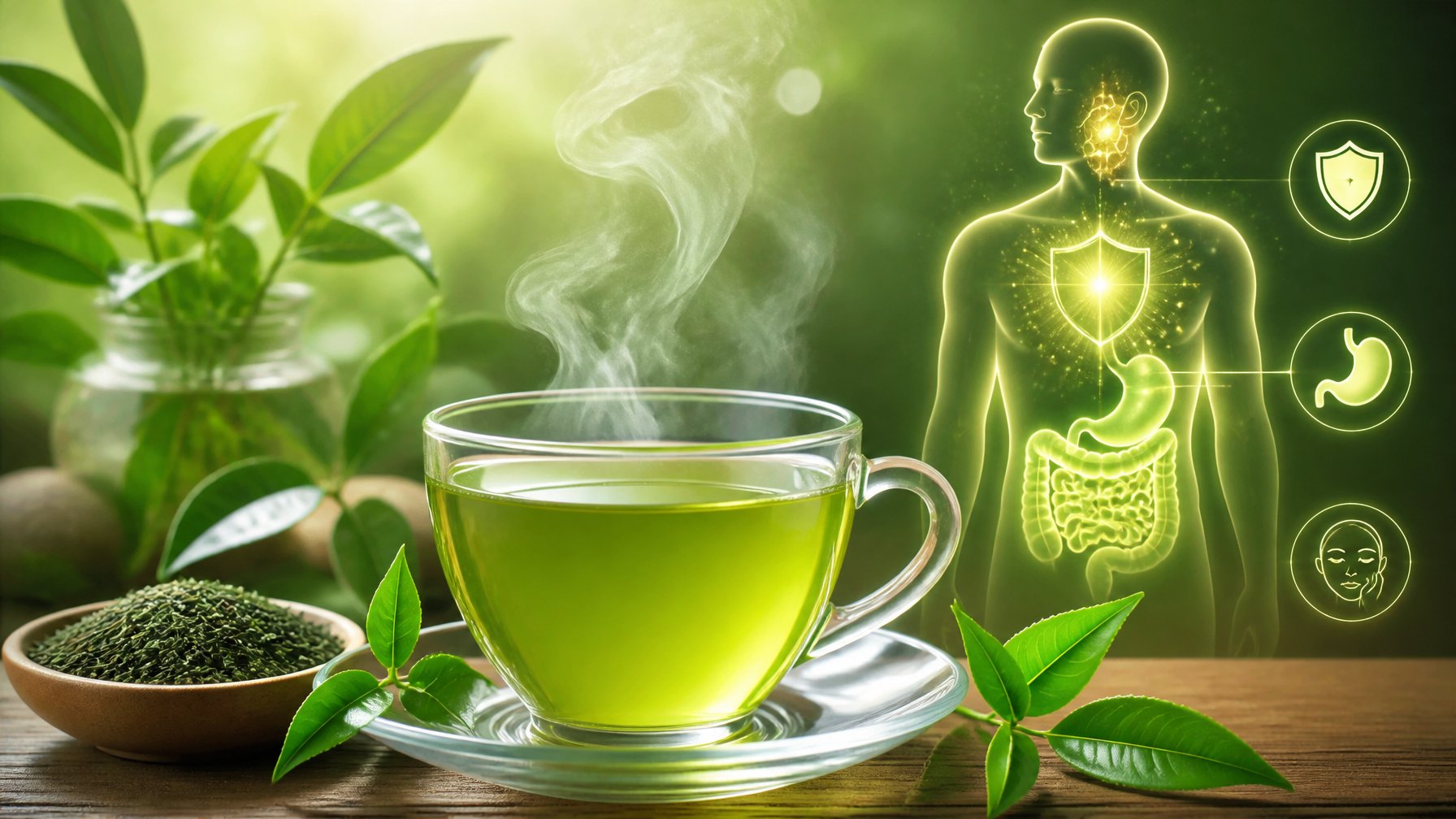
Sencha green tea gives you antioxidants, steady energy, and support for heart and metabolic health. Its mix of catechins and mild caffeine can help protect your cells, improve focus, and support weight management.
Powerful Antioxidant Effects
Sencha tea benefits start with its high level of antioxidants, especially catechins. One key catechin is epigallocatechin gallate (EGCG), which helps protect your cells from damage caused by free radicals.
Free radicals can build up from stress, pollution, and normal body processes. Over time, they can harm cells and raise the risk of chronic disease. The catechins in sencha green tea help reduce this oxidative stress.
Sencha also contains vitamin C, which supports your immune system. Together, these compounds help your body defend itself each day.
Support for Heart Health
Your heart benefits from the same catechins found in sencha tea. Studies on green tea show that these compounds may help lower LDL cholesterol and support healthy blood vessels.
When your blood vessels stay flexible, blood flows more easily. This can reduce strain on your heart over time.
Sencha makes up a large share of green tea consumed in Japan, where these patterns appear. You should still focus on diet, exercise, and medical care. However, adding 1–3 cups of sencha green tea to your routine may support heart health as part of a balanced lifestyle.
Weight Management and Metabolism
Sencha tea benefits include support for weight management and metabolism. Catechins, especially EGCG, may increase fat oxidation, which means your body burns fat more efficiently.
Sencha also contains mild caffeine. This can slightly boost metabolism and increase calorie use. The effect is modest, but it can add up when paired with healthy habits.
Some research notes that green tea may aid in weight control when combined with exercise and a balanced diet.
Sencha does not cause rapid weight loss. You will see the most benefit when you replace high-calorie drinks with unsweetened green tea and stay active.
Cognitive and Mood Enhancements
Sencha green tea supports focus and brain function through its blend of caffeine and L-theanine. Caffeine increases alertness. L-theanine promotes calm.
Together, they create gentle energy without the sharp spike and crash linked to coffee. You may feel steady concentration instead of restlessness.
This balanced effect makes sencha useful for work, study, or long tasks. You stay alert, but you do not feel overstimulated.
Immune System, Digestion, and Skin Support
Sencha green tea supports your immune system, gut, and skin through antioxidants, vitamin C, and plant compounds. These nutrients help your body defend against illness, support digestion, and protect skin from daily stress.
Immune Defense and Illness Prevention
Sencha green tea gives you antioxidants such as catechins and vitamin C. These compounds support your immune function by helping your body respond to bacteria and viruses.
Vitamin C plays a key role in white blood cell activity. Some reviews note that sencha provides meaningful levels of this nutrient, which may help strengthen your body’s natural defenses.
Catechins, including EGCG, also act as anti-inflammatory compounds. They help limit cell damage caused by free radicals. Less oxidative stress means your immune system can focus on real threats instead of repairing damaged cells.
Drinking sencha daily may offer steady support, but it does not replace medical care or vaccines. You still need a balanced diet, sleep, and proper hygiene to maintain strong immune defense.
Oral and Digestive Health
Sencha contains catechins with natural antibacterial effects. These compounds can help reduce harmful bacteria in your mouth.
Lower bacteria levels may support oral health by reducing plaque buildup and bad breath.
For digestion, sencha provides tannins and other plant compounds that may support a balanced gut. These compounds show mild anti-inflammatory effects, which can help calm minor digestive discomfort.
Many people find that warm sencha feels gentle on the stomach. However, if you drink it on an empty stomach, the tannins may cause mild nausea. If that happens, drink it with food or reduce the strength of your brew.
Benefits for Skin Appearance
Your skin faces daily stress from sunlight, pollution, and normal aging. Sencha green tea supplies antioxidants that help protect skin cells from this damage.
Vitamin C supports collagen production. Collagen keeps your skin firm and smooth. Regular intake of sencha may contribute to healthier-looking skin.
Catechins also show anti-inflammatory effects. Lower inflammation can help reduce redness and support clearer skin over time.
Sencha does not erase wrinkles or treat skin disease. Yet when you combine it with sunscreen, hydration, and a healthy diet, it can play a helpful role in your long-term skin health.
Sencha tea is safe for most people, but it can cause problems if you drink too much or have certain health issues. The main concerns involve caffeine, stomach irritation, iron absorption, and possible contaminants.
Caffeine Sensitivity and Related Concerns
Sencha contains caffeine, though less than coffee. If you are sensitive to caffeine, even 1–2 cups may trigger symptoms.
Common sencha tea side effects linked to caffeine include:
Anxiety or nervousness
Faster heart rate
Headaches
Insomnia
Restlessness
You may also notice shaky hands or trouble focusing. Drinking sencha late in the day can disrupt sleep, especially if you already struggle with insomnia.
Some people are more sensitive than others. If you have anxiety, heart rhythm problems, or high stress levels, caffeine may worsen your symptoms.
Many experts suggest limiting intake to 2–3 cups per day if you are caffeine‑sensitive. Reduce your intake or switch to a low‑caffeine option if you notice sleep or mood changes.
Stomach Upset and Nausea
Sencha can irritate your stomach, especially if you drink it on an empty stomach. The natural compounds in green tea may increase stomach acid in some people.
You may feel:
Nausea
Mild stomach pain
Bloating
Acid discomfort
Caffeine can also relax the lower esophageal sphincter. This may worsen acid reflux if you already deal with heartburn.
If you have a sensitive stomach, drink sencha after a meal instead of before. Use warm, not boiling, water to reduce bitterness and irritation.
High intake raises the risk of digestive issues. Reports note that excess use can lead to restlessness and stomach upset. Pay attention to how your body responds and adjust your intake as needed.
Iron Absorption and Anemia
Sencha contains tannins. These compounds can reduce iron absorption from plant foods.
If you drink sencha with meals, your body may absorb less non‑heme iron. Over time, this may raise your risk of iron deficiency.
You face higher risk if you:
Follow a vegetarian or vegan diet
Have heavy menstrual periods
Already have low iron levels
Have been diagnosed with anemia
To lower your risk, drink sencha between meals instead of with food. Pair iron‑rich meals with vitamin C foods, such as citrus or bell peppers, to improve iron absorption. If you have anemia, speak with your doctor before making sencha a daily habit.
Pesticide, Fluoride, and Heavy Metal Issues
Tea plants can absorb substances from soil and water. This includes fluoride and trace amounts of heavy metals.
Fluoride occurs naturally in tea leaves. In normal amounts, it is not harmful for most adults. However, very high intake over time may raise concerns, especially if you also get fluoride from water and dental products.
Low‑quality tea may also contain pesticide residues. Choose reputable brands that test for purity and safety.
Buy from trusted sellers, avoid extremely cheap bulk products, and store your tea in a dry place. These steps reduce your exposure to unwanted contaminants while allowing you to enjoy sencha more safely.
Best Practices for Enjoyment and Preparation
You control the flavor, strength, and benefits of brewed sencha by adjusting water temperature, steeping time, and portion size. Small changes in how you handle sencha tea leaves can prevent bitterness and help you enjoy a clean, balanced cup.
How to Make Sencha Tea
Start with fresh, cold water and quality sencha tea leaves. Measure 1 teaspoon of loose leaves per 8 ounces of water.
Heat the water to 160–175°F (70–80°C). Do not use boiling water. High heat can make brewed sencha taste bitter and sharp.
Place the leaves in a teapot or infuser. Pour the hot water over them and steep for 1–2 minutes.
Strain the tea fully into your cup. Do not let the leaves sit in water after steeping, as this can cause over‑extraction.
Many sencha tea leaves can handle a second short brew. For the second infusion, steep for about 30–60 seconds.
Optimizing Steeping Time and Temperature
Steeping time and water temperature directly affect taste and caffeine level. Hotter water and longer steeping increase bitterness and astringency.
Use this quick reference:
Factor
Recommended Range
What Happens if Too High
Water temperature
160–175°F
Bitter, harsh flavor
Steeping time
1–2 minutes
Overly strong taste
Leaf amount
1 tsp per 8 oz
Too thick or too weak
If your brewed sencha tastes grassy but smooth, you likely used the right settings. If it tastes dry or sharp, lower the temperature or shorten the steeping time.
Use a thermometer or let boiled water cool for several minutes before pouring. Small adjustments improve consistency.
Tips for Daily Consumption
Drink sencha earlier in the day if you are sensitive to caffeine. An 8‑ounce cup usually contains about 20–35 mg of caffeine, which is less than coffee but still noticeable.
Avoid drinking sencha with iron‑rich meals. The tannins in green tea can reduce iron absorption. Instead, have your tea between meals.
Limit intake if you are pregnant or breastfeeding and track your total daily caffeine. Most experts suggest staying under 200 mg per day.
Stick to 2–3 cups daily unless your healthcare provider advises otherwise. Rotate with water and other non‑caffeinated drinks to stay hydrated.
Final Thoughts on Sencha Tea Benefits and Side Effects
Sencha tea can be a simple daily habit that delivers antioxidants, steady energy, and potential heart and metabolic support. However, drinking too much may lead to sleep disruption, stomach discomfort, or reduced iron absorption—especially for sensitive individuals. Stick to mindful portions, brew it gently, and choose high-quality leaves to enjoy sencha safely and consistently.
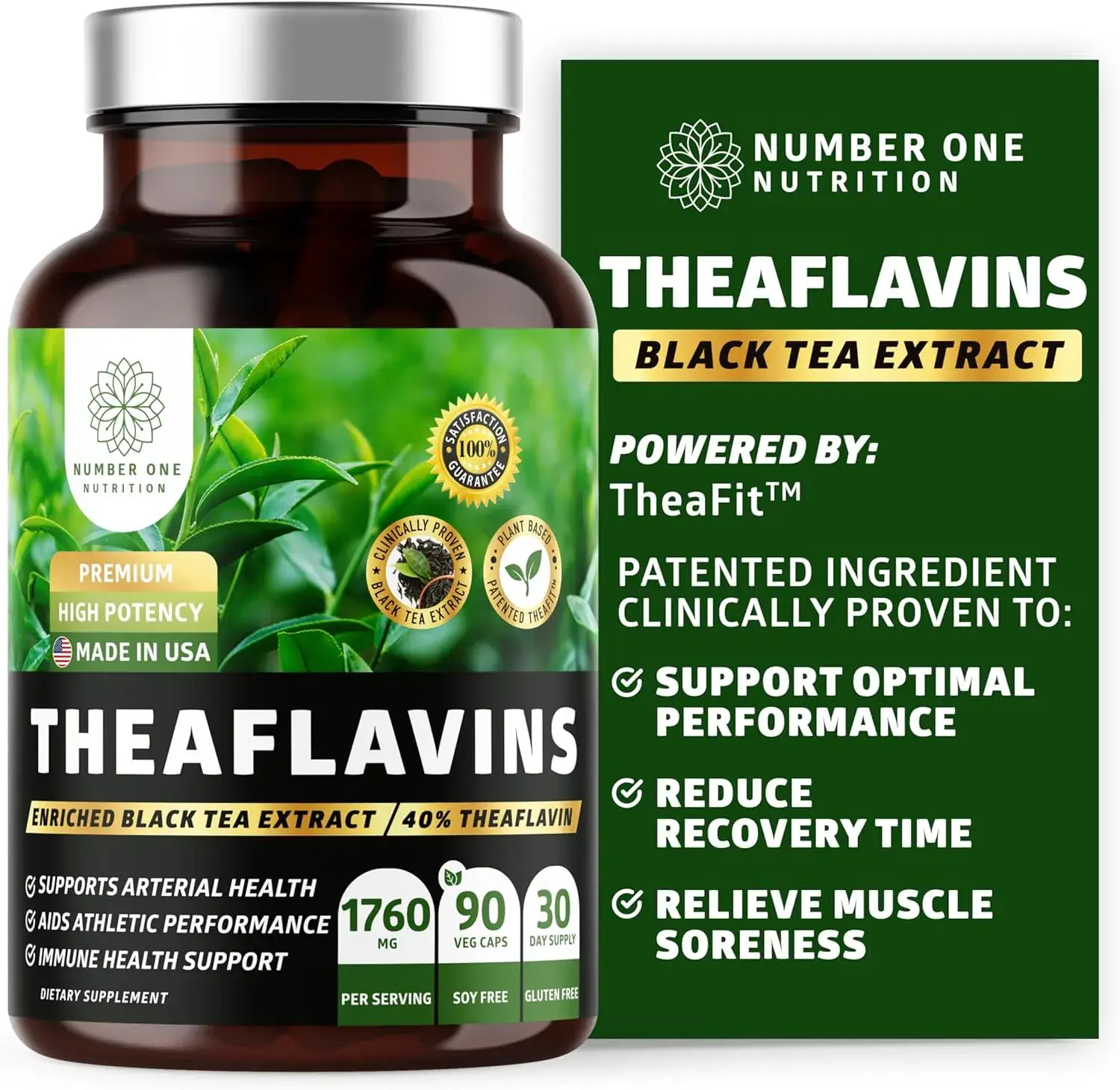
Black Tea Extract that is rich in natural theaflavins and polyphenols that help protect your body from free radicals, promoting overall immune health and well-being
Contains blended amounts of Fruits and Veggies. All natural, with whole foods, fruit and vegetable supplement.Perfect for everyone looking to live a healthier lifestyle.