You can drink green tea in the morning for a mild caffeine boost, and having it after breakfast may help you avoid stomach upset. Your cup also contains L-theanine, which, together with caffeine, can support alertness and attention.
Your morning green tea usually provides less caffeine than coffee, making it a useful choice if you want a smaller dose. Your comfort matters, too: how much you drink and how strongly you brew it affect how you feel.
Key Takeaways
Enjoy your tea after breakfast if it upsets your stomach.
Expect a modest boost in alertness.
Keep your brew light if caffeine makes you jittery.
When to Have Your First Cup
Choose your first cup based on your stomach comfort, meal schedule, and response to caffeine. If you have low iron, leave time between green tea and meals.
Before or After Breakfast: Choose Based on Stomach Comfort
Drinking green tea on an empty stomach may leave you feeling sick or worsen heartburn. If you notice either problem, eat breakfast before you drink tea. Start with a small cup and avoid a strong brew while you check your response.
If you feel comfortable drinking tea before food, you do not need to change that habit. Your choice of tea before or after breakfast depends on your stomach and caffeine sensitivity.
Try a shorter steep if your first cup tastes too strong. If tea causes discomfort even after breakfast, reduce your serving or skip it. You do not need to push through nausea to keep a morning routine.
Between Meals: Timing Tea Around Iron Absorption
Green tea contains plant compounds that reduce your absorption of iron from plant foods when you drink it with a meal. This matters more if you have low iron or eat mostly plant foods.
Drinking green tea about an hour after breakfast gives you a simple starting point. If you have iron deficiency, leave one to two hours between tea and iron-rich meals, and ask your clinician about timing.
For green tea between meals, choose a midmorning break that leaves space after breakfast and before lunch. Take iron supplements with water and follow the timing instructions from your pharmacist. Adding vitamin C foods, such as peppers or oranges, also helps your body absorb plant iron.
Why There Is No Universal Best Time
The best time to drink green tea depends on your wake-up time, breakfast habits, and sleep schedule. Your morning cup should fit those needs.
Green tea contains caffeine, so your green tea timing also affects how alert you feel. You may prefer a cup after breakfast if caffeine makes you shaky before food. Decaf offers another option, though it still contains a little caffeine.
Keep your serving size and brewing method steady while you test different times. Pay attention to nausea, heartburn, jitters, and trouble sleeping. Use those signs to adjust your first cup, and count caffeine from coffee and other drinks too.
What a Morning Cup Can—and Cannot—Do
Morning green tea provides caffeine for alertness and plant compounds linked to long-term health. Its effects on fat burning are small, and lasting weight loss depends on your eating and activity habits.
Caffeine and L-Theanine May Support Calm Alertness
An 8-ounce cup of brewed green tea contains about 20–50 milligrams of caffeine, depending on the leaves and brewing time. Caffeine helps you feel more awake by blocking signals that make you feel sleepy.
Green tea also contains caffeine and L-theanine, an amino acid studied for its effects on attention. Together, these compounds may support calm alertness. Your response depends on the dose, your sleep, and how sensitive you are to caffeine.
Start with one cup and notice how you feel. If you get shaky, feel anxious, or notice a racing heartbeat, reduce the amount. If morning green tea upsets your stomach, try drinking it with a small snack.
EGCG and Other Polyphenols: Potential Long-Term Benefits
Your cup supplies polyphenols, plant compounds that include a group called catechins. EGCG, short for epigallocatechin gallate, is one of green tea’s main catechins. Researchers study these compounds for their effects on blood vessels, cholesterol, and blood sugar.
Some studies link regular green tea intake with better heart health. Trials also suggest small improvements in certain cholesterol levels. These findings support drinking tea as one part of a healthy routine, alongside balanced meals, movement, and enough sleep.
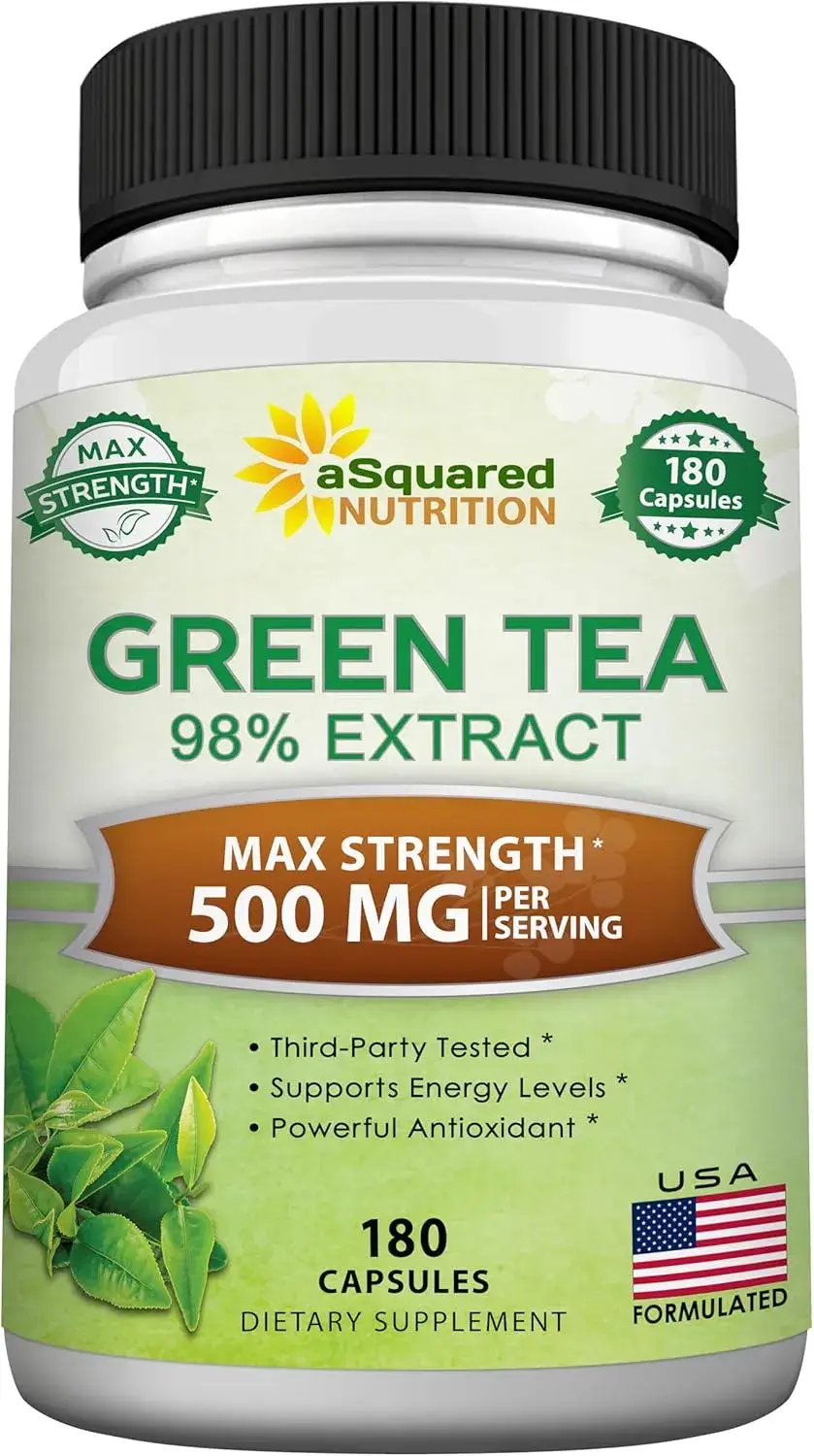
Choose unsweetened green tea to avoid added sugar. Keep concentrated green tea extracts separate from your daily tea habit: high-dose extracts carry a risk of liver injury, especially when you take them on an empty stomach.
Fat Oxidation Does Not Guarantee Weight Loss
Fat oxidation means your body uses fat for fuel. Caffeine and catechins may briefly increase this process, including during exercise. The size of the effect varies with the dose and your regular caffeine intake.
Your body uses both fat and carbohydrates throughout the day. Losing body fat requires a steady gap between the energy you eat and the energy you use. A short rise in fat oxidation does not guarantee that gap.
Unsweetened morning green tea helps reduce your calorie intake when it replaces a sugary drink. Adding sugar, honey, or sweetened milk increases its calories. For weight management, focus on portions, regular activity, and habits you can keep.
Green Tea vs. Coffee for Your Morning Routine
Green tea gives you less caffeine per cup than brewed coffee. Your serving size, sleep, and response to caffeine help determine how alert or jittery you feel.
How Caffeine Content and Serving Size Compare
When you compare caffeine in green tea and coffee, use the same serving size. An 8-ounce cup provides these approximate amounts:
Drink
Caffeine
Brewed green tea
30–50 mg
Brewed coffee
80–100 mg
Your drink’s caffeine level depends on how you brew it. Tea variety, water temperature, and steeping time affect green tea’s caffeine content. Coffee beans and brewing methods also change the amount.
Check your mug size. A 16-ounce coffee holds two 8-ounce servings, so it delivers roughly twice the caffeine at the same strength. If you want a smaller morning dose, choose green tea or pour a smaller coffee. Count caffeine from other drinks throughout your day, too.
Why Jitters and Energy Levels Vary by Person
Your body breaks down caffeine at its own pace. Genes, medicines, and regular caffeine use affect your response. Poor sleep and stress also influence how you feel after your morning drink.
A larger caffeine dose raises your risk of jitters, anxiety, and a racing heart. If coffee leaves you shaky, green tea’s lower dose may suit you better.
Green tea also contains L-theanine, a natural compound that may support attention alongside caffeine. The amount varies by tea and brewing method.
Pay attention to your response over several mornings. Track your serving size, alertness, and sleep that night. If you feel restless or sleep poorly, reduce your dose or move your last caffeinated drink earlier.
Your morning green tea may trigger nausea, worsen heartburn, or reduce iron absorption from food. Your caffeine intake, medicines, and pregnancy status also affect how much you should drink and when.
Nausea, Reflux, and Empty-Stomach Discomfort
Drinking green tea on an empty stomach may leave you feeling sick or cause stomach pain. Tea contains tannins, plant compounds that contribute to its bitter taste and stomach discomfort.
If your morning cup causes nausea, try a smaller serving after breakfast. Brew it for less time to reduce its strength, and avoid drinking several cups in a row.
Green tea’s caffeine may worsen reflux if you already get heartburn. Watch for a burning feeling in your chest or a sour taste after drinking it. Cut back or stop if symptoms return, and seek medical advice for ongoing pain. Drinking large amounts raises the risk of digestive discomfort and other side effects.
Low Iron, Pregnancy, and Medication Considerations
Tea’s plant compounds reduce your absorption of iron from plant foods, including beans and leafy greens. If you have low iron, drink green tea between meals, leaving about one to two hours between tea and iron-rich meals or iron supplements.
During pregnancy, keep your total caffeine below 200 milligrams a day, unless your care team gives you a different limit. Count coffee, tea, chocolate, energy drinks, and medicines that contain caffeine.
Ask your pharmacist about green tea interactions with prescription medicines, especially if you take blood pressure medicine or blood thinners. Green tea reduces absorption of nadolol, a blood pressure drug. Keep your intake consistent if you take warfarin, and check before changing it.
Caffeine Sensitivity and Protecting Your Sleep
An 8-ounce cup of brewed green tea contains roughly 20 to 50 milligrams of caffeine. The amount varies with the tea, serving size, and brewing time.
If caffeine makes you shaky, anxious, or gives you a racing heartbeat, choose a smaller cup or decaffeinated green tea. Decaffeinated tea still contains a small amount of caffeine.
Your green tea timing matters because caffeine stays in your body for hours. Keep caffeinated tea at least six hours before bedtime, and move it earlier if sleep problems continue. Include every cup in your daily caffeine count, even when you spread them throughout the morning.
How to Brew a Comfortable, Enjoyable Cup
Use water below boiling, keep your steep short, and start with a small cup. Choose decaffeinated green tea if caffeine leaves you shaky or affects your sleep.
Adjust Water Temperature and Steeping Time to Reduce Bitterness
For your morning green tea, start with water at 175°F (80°C) and a two-minute steep. This fits the 70–85°C brewing range and two- to three-minute steep described in the brewing advice.
Use one tea bag or about one teaspoon of loose leaves for each eight ounces of water. Check your package for directions, since leaf size and tea type affect brewing.
Remove the bag or strain the leaves when your timer ends. If your tea tastes bitter, lower the temperature or shorten your next steep by 30 seconds.
For stronger flavor, add a little more tea on your next brew. Fresh water and careful steeping help you get a pleasant cup.
Start With a Small Serving and Track Total Caffeine
Start with four to six ounces if you are new to morning green tea or sensitive to caffeine. If you feel sick after drinking it on an empty stomach, try having it with breakfast.
An eight-ounce cup of brewed green tea commonly contains about 30–50 milligrams of caffeine. Your tea type, leaf amount, and brewing method affect the total, so check the label when it lists caffeine content.
Count caffeine from coffee, energy drinks, supplements, and other tea you drink that day. For most healthy adults, the FDA cites 400 milligrams daily as an amount generally free from harmful effects.
Treat that figure as an upper reference point. Reduce your intake if you notice jitters, a racing heart, or poor sleep.
When to Choose Decaffeinated Green Tea
Choose decaffeinated green tea if you enjoy the taste but feel restless or shaky after regular tea. It also suits mornings when you want to save most of your caffeine intake for another drink.
Decaf still contains a small amount of caffeine. Check the package for a stated amount, especially if your clinician has advised you to limit caffeine closely.
If you are pregnant, keep your total caffeine below 200 milligrams a day, following guidance from the American College of Obstetricians and Gynecologists. Include every drink and food that contributes caffeine.
Brew your decaf tea using the package’s temperature and timing instructions. Start with a small serving and adjust the strength to your taste.
Fit Tea Around Exercise Without Overstating the Benefits
Your morning green tea supplies caffeine that may support alertness before exercise. Research on fat use during workouts includes concentrated extracts, which differ from the tea you brew.
What Small Studies Suggest About Pre-Workout Fat Oxidation
Small studies suggest green tea compounds may increase fat oxidation, which means using fat for energy, during moderate exercise. Your response depends on the dose, caffeine intake, and exercise routine.
Some research points to daily use before exercise as more promising than a single cup before one workout. Treat these findings as early evidence, since studies use different products and involve small groups.
Your body uses both fat and carbohydrates during exercise. Long-term fat loss depends on your food intake and activity over time.
For practical green tea timing, try a cup 30–60 minutes before your morning workout. Have it with a light snack if drinking tea on an empty stomach causes nausea. Keep water available during exercise.
Why Green Tea Extract Findings Do Not Necessarily Apply to Brewed Tea
Green tea extracts deliver measured doses of plant compounds, including EGCG, a type of antioxidant. When you brew tea, the amount of EGCG and caffeine varies with the leaves, water temperature, and brewing time.
Some extract studies use amounts that require several cups of tea to match. Check whether a study tested brewed tea, capsules, or a drink with added caffeine before using its findings to shape your routine.
You also need to consider safety. Concentrated green tea extracts have caused liver injury in some people, especially when taken on an empty stomach.
Choose brewed tea if you enjoy it, and count its caffeine alongside coffee or supplements. Reduce your intake if you notice shaking, nausea, or sleep problems.
Your morning green tea provides caffeine for alertness and plant compounds called antioxidants. Drinking it between meals, keeping it away from bedtime, and brewing it for two to three minutes helps you manage stomach upset, sleep, and taste.
Is it safe to drink green tea on an empty stomach in the morning?
You can drink green tea on an empty stomach if it agrees with you. Some people feel nausea or stomach discomfort after drinking it without food.
If you feel sick, try a weaker brew after a small snack. Drinking green tea between meals is another option.
What are the benefits of drinking green tea every morning?
You get caffeine, which helps you feel more alert, and L-theanine, a compound that may support attention. An 8-ounce cup contains about 20 to 50 milligrams of caffeine, depending on how you brew it.
Green tea also provides antioxidants called catechins. Unsweetened tea adds very few calories to your daily diet.
Can drinking green tea in the morning help with weight loss?
Green tea’s caffeine and catechins may slightly increase how much energy your body uses. Any weight-loss effect is small, and morning timing offers no established extra benefit.
Replacing a sugary drink with unsweetened green tea lowers your calorie intake. Your food choices, activity, and sleep remain central to managing your weight.
Is it better to drink green tea in the morning or at night?
Morning is a better choice if caffeine disrupts your sleep. Leave at least six hours between your last caffeinated cup and bedtime, and allow more time if you remain sensitive.
If you have low iron, keep tea one to two hours away from meals. Tea compounds can reduce how much iron you absorb from plant foods.
How should you prepare green tea for your morning routine?
Use one tea bag or about one teaspoon of loose leaves per 8 ounces of water. Heat your water to about 175–185°F (80–85°C), then steep for two to three minutes.
Remove the leaves or tea bag promptly to limit bitterness. Follow your tea’s package directions if they give different brewing times.
How long does it take to notice the benefits of drinking green tea regularly?
You may notice caffeine’s effect on alertness within 30 to 60 minutes. The effect depends on your caffeine tolerance and the strength of your tea.
Changes in measures such as cholesterol take weeks to months to assess. You have no fixed timeline or guarantee of seeing a change from drinking green tea.
Black Tea Extract that is rich in natural theaflavins and polyphenols that help protect your body from free radicals, promoting overall immune health and well-being
Contains blended amounts of Fruits and Veggies. All natural, with whole foods, fruit and vegetable supplement.Perfect for everyone looking to live a healthier lifestyle.