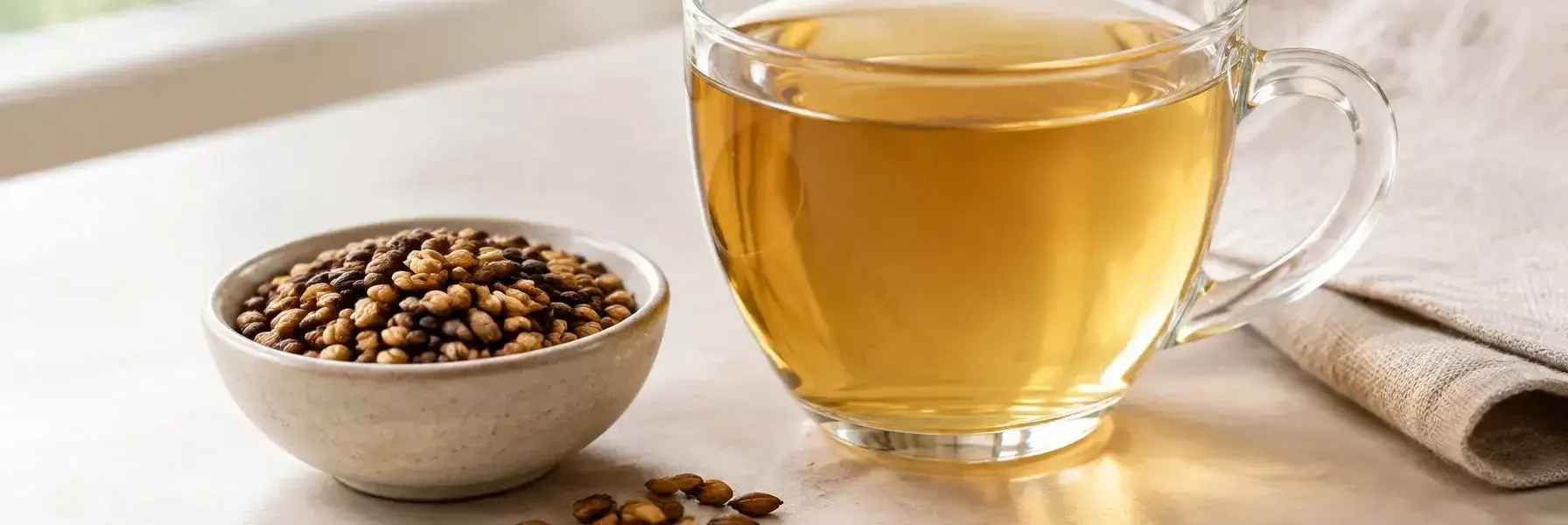
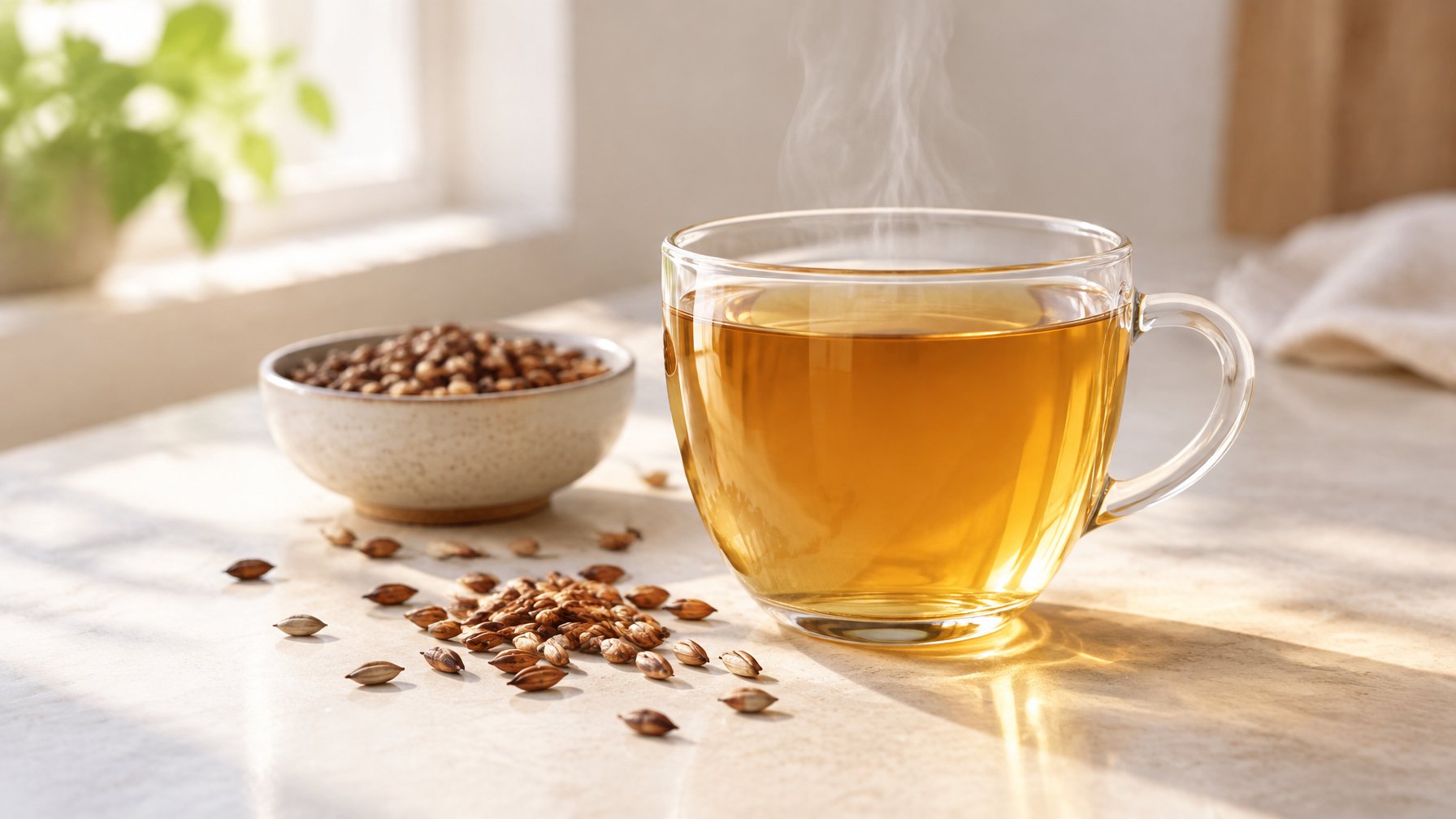
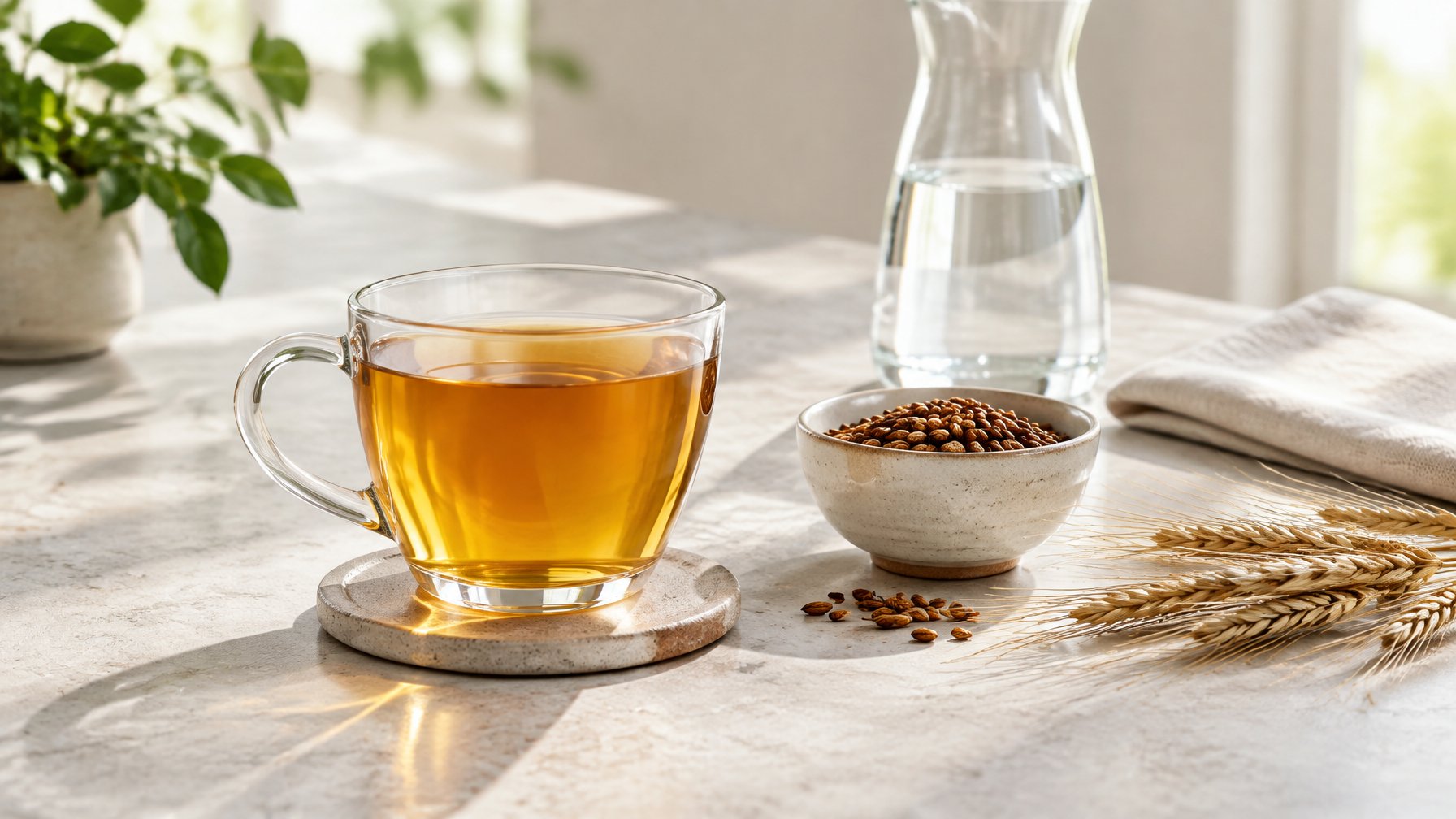
If you’re wondering does barley tea break a fast, the short answer is usually no. Plain barley tea, also called mugicha, usually does not break an intermittent fasting window. Unsweetened barley tea contains very few calories, so you can generally drink it while fasting. However, strict fasts may avoid any calorie intake, even in small amounts.
The type of drink matters. Barley tea differs from barley water, which may contain dissolved nutrients and more calories. Sugar, honey, milk, or cream can also end your fasting window. Learn how preparation affects your fast, what benefits barley tea may offer, and which precautions matter.
Key Takeaways
Plain, unsweetened barley tea usually fits an intermittent fasting window.
Barley water may affect fasting differently from brewed tea.
Add-ins such as sugar, milk, and honey can break your fast.
The Short Answer: Plain Barley Tea Is Usually Fasting-Friendly
Plain barley tea usually fits an intermittent-fasting routine because steeping roasted barley in water transfers very few calories. Your answer changes if you add sugar, honey, milk, or other calorie-containing ingredients, or if your fast requires water only.
Why Steeped Roasted Barley Tea Has Negligible Calories
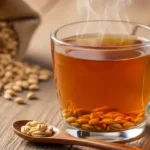
Barley tea, also called mugicha or boricha, comes from roasted barley grains steeped in hot water. Unlike barley water, you normally remove the grains and drink the infusion. This leaves a negligible calorie content, often under 5 calories per 8-ounce serving, according to barley tea fasting guidance.
For many people, that small amount does not meaningfully affect a fasted state. You can drink plain, unsweetened tea while fasting without adding sugar or milk. Check the label if you buy bottled barley tea because some products contain sweeteners or other added calories.
Do not confuse barley tea with barley water. Barley water may include cooked grains, sugar, lemon, or other ingredients, which can add calories and may interrupt your fast. Avoid honey, cream, milk, sugar, and syrups during your fasting window.
When a Strict Fast May Require Plain Water Only
A strict water fast allows only plain water. If you follow this approach, skip barley tea even when it contains almost no calories. The roasted grain infusion may not meet your rules, and some people avoid all tea while fasting to keep the conditions exact.
Your goal also matters. If you fast for religious, medical, or laboratory reasons, follow the specific instructions you received. A clinician may tell you to consume only plain water, especially before a procedure or blood test.
For routine intermittent fasting, unsweetened barley tea may be acceptable. If you notice hunger, stomach discomfort, or other symptoms after drinking it, choose plain water instead. Additives such as sugar, honey, milk, and cream can clearly end a calorie-free fast.
Barley Tea vs. Barley Water: An Important Difference
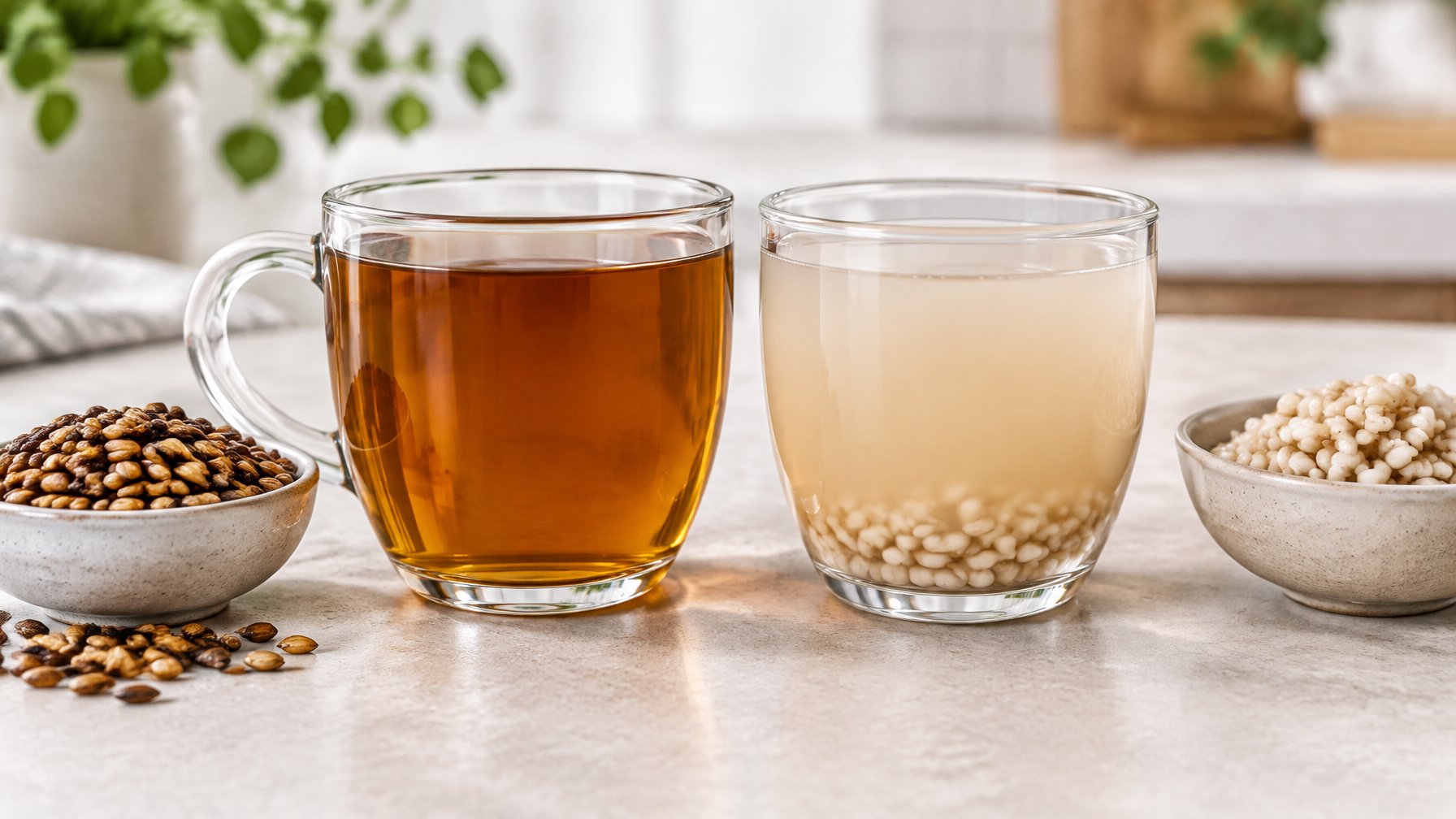
Barley tea and barley water come from the same grain, but they contain different amounts of grain material. Plain tea usually has very few calories, while barley water may contain starch and carbohydrates, especially when you drink the cooking liquid with small grain particles.
What Makes Roasted Barley Tea Different
Barley tea, also called mugicha in Japan and boricha in Korea, comes from roasted barley kernels. You steep the roasted grain in hot or cold water, then remove the kernels or strain the drink through a tea bag. The water extracts flavor and some compounds, but it does not contain the full grain.
Plain, unsweetened barley tea usually contains little energy—often less than 5 calories per 8-ounce serving. For many people, that small amount does not meaningfully affect an intermittent fast.
Your drink may contain more calories if you add sugar, honey, milk, or syrup. Lemon juice adds only a small amount when you use a little, but larger amounts still add calories and carbohydrates.
Why Barley Water Can Contain Starch and Carbohydrates
Barley water comes from simmering whole barley kernels in water. Cooking softens the grain and allows some starch and other carbohydrates to move into the liquid. If you leave grain pieces in the drink or blend them, you consume more of the barley itself.
Recipes often strain barley water, but the final carbohydrate and calorie content can vary. Sweeteners raise the calorie count further, and lemon juice can add a small amount of carbohydrate. This differs from tea, where you mainly drink water that has contacted roasted grain.
If you follow a strict water-only fast, barley water does not fit because it can contain calories and carbohydrates. A comparison of barley tea and barley water explains that barley water uses cooked kernels, while roasted barley tea uses steeped roasted grain.
How to Identify the Drink You Have
Check how the drink was made before deciding whether it fits your fasting plan.
Tea bag labeled barley tea, mugicha, or boricha: Usually roasted barley steeped in water. Choose it plain and unsweetened.
Loose roasted barley steeped and strained: This is also barley tea and usually contains very little grain material.
Whole barley simmered until soft: This is barley water and may contain starch and carbohydrates.
Drink with visible grains or a cloudy, thick texture: It likely contains more barley solids.
Added sugar, honey, syrup, or milk: These ingredients add calories and break a strict fast.
Barley contains gluten, so you should avoid barley tea and barley water if you have celiac disease or a medically diagnosed gluten allergy.
Plain tea usually adds little or no energy, so it may fit a calorie-free fast. Your result depends on the drink’s ingredients and your fasting goal. Sugar, honey, milk, cream, collagen, and other additions can raise calorie intake and trigger a stronger metabolic response. Plain barley tea is generally low in calories, but check the label because some products include grains, sweeteners, or flavoring powders.
Insulin, Blood Sugar, and the Fasted State
During a fast, your blood sugar and insulin levels usually fall as your body uses stored fuel. Plain, unsweetened tea generally has little effect on this process. Sweetened barley tea can raise blood sugar, while milk and other protein-containing additions can produce a larger insulin response.
Your fasting goal matters. If you fast mainly to reduce calorie intake, a small amount of unsweetened tea may fit your plan. If you want the strictest fast, drink only water or plain tea without sweeteners, milk, or supplements. Milk, sugar, honey, and collagen powder can end a fasting window. People with diabetes or glucose-lowering medication should monitor blood sugar and follow medical advice.
Ketosis, Fat Oxidation, and Weight Control
As insulin levels decline, your body can increase fat oxidation, meaning it uses more stored fat for energy. With a long enough fasting period, the liver may produce ketone bodies, creating a state called ketosis. Plain barley tea has little nutritional content and usually does not prevent these changes.
Tea does not directly cause meaningful fat loss. Weight loss still depends mainly on your total calorie intake, food choices, activity, sleep, and how consistently you follow your plan. Adding sugar, cream, or calorie-containing powders can reduce the calorie deficit that supports weight control. Plain steeped barley tea has a very lean nutritional profile, but brewed tea is not the same as eating barley grains.
Autophagy and Cellular Repair: What Is Known
Autophagy is a cell process that breaks down and recycles damaged components. Fasting may influence autophagy through changes in nutrients, insulin, energy use, and other metabolic signals. However, the timing and level of autophagy in humans remain difficult to measure, and tea alone has not been proven to start a specific amount of cellular repair.
Avoid treating barley tea as a special autophagy enhancer. Unsweetened tea may fit a fast because it contributes few calories, but it does not replace the effects of fasting duration, adequate nutrition, and regular sleep. Metabolic fasting does not always require absolute zero calories, yet stricter goals may call for water and plain drinks only.
Add-Ins That Can End a Fasting Window
Plain, unsweetened barley tea contains little to no energy, but added ingredients can change that. Sugar, dairy, oils, and some flavored drinks may provide calories, trigger digestion, or increase cravings during your fasting window.
Sugar, Honey, and Sweetened Tea
Sugar and honey contain calories and carbohydrates, so they break a strict fast. Even a small spoonful adds energy that your body can use and may raise blood glucose. Sweetened barley tea, bottled barley tea, and café versions may contain more sugar than you expect.
Check the nutrition label on ready-to-drink products. Look for total calories, added sugars, and carbohydrates rather than relying on words such as “natural” or “light.” Honey still breaks a fast even though it comes from a natural food.
Sugar and honey can also reinforce cravings for sweet drinks. If you want to preserve a fasting window, drink barley tea plain. Add sweeteners during your eating window instead.
Milk, Cream, and MCT Oil
Milk and cream add calories, protein, fat, or carbohydrates. They therefore break a strict fast, even when you add only a small amount. Larger servings may also stimulate digestion more than plain tea.
MCT oil contains fat and calories, so it breaks a calorie-free fast. Some people use it during fasting for energy or appetite control, but that approach represents a modified fast rather than a strict fast. Measure it carefully because oils are calorie-dense.
Creamers may contain sugar, milk solids, or added oils. Read the ingredient list and nutrition panel, especially for flavored creamers. If your goal requires a clean, zero-calorie fasting period, choose plain barley tea, water, or unsweetened tea instead.
Artificial Sweeteners, Flavored Tea, and Lemon
Artificial sweeteners usually provide little or no energy, but their effect depends on your fasting goal and the product. A zero-calorie sweetener may fit a weight-loss plan for some people, yet its sweet taste can increase cravings. Some products also include bulking agents or carbohydrates.
Flavored tea does not automatically break a fast. Pure barley tea with natural flavoring and no calories can remain fasting-friendly, while sweetened blends, syrups, or powdered mixes can add energy. Check the label instead of judging by taste.
A small squeeze of lemon adds few calories, but lemon juice still counts as an intake. It may fit a flexible fast, while a strict fast excludes it. Diet soda usually contains no calories, but carbonation, acidity, and sweet taste may affect cravings or digestion.
Plain barley tea can fit some fasting plans because it usually contains little energy and no caffeine. Your fasting goal matters: avoiding calories is different from a strict water-only fast, so check your plan before drinking it.
Reading Labels for Added Sugar and Calories
Choose barley tea made only from roasted barley and water. Avoid bottled versions with sugar, honey, syrup, milk, cream, or artificial sweeteners if you want to limit calories or sweet taste during your fast. Flavored products may also contain fruit juice or other calorie-containing ingredients.
Check the nutrition label and ingredient list. A tea bag may list few or no calories, but brewed strength and serving size can differ. Plain barley tea is generally considered fasting-friendly when it contains no added calories.
If you follow a strict water fast, use water instead. Some reports describe barley-based drinks as supplying carbohydrates, especially when barley remains in the drink. Do not confuse barley tea with barley water, which may contain dissolved or extracted carbohydrate.
Caffeine-Free Hydration and Electrolyte Considerations
Barley tea is naturally caffeine-free, so it will not add to your daily caffeine intake. This can help if caffeine makes you feel nervous, affects your sleep, or causes stomach discomfort. Water remains the simplest drink for hydration; sparkling water can also work if it has no sugar or calories.
Barley tea does not provide a reliable amount of electrolytes. If you sweat heavily, exercise for a long time, or lose fluids through vomiting or diarrhea, ask a health professional whether electrolyte water is appropriate. Avoid sweetened sports drinks during a calorie-free fast.
Do not assume every “barley” drink works the same way. Read the label for sodium, potassium, carbohydrates, and added sugar. A caffeine-free drink can still contain calories and may affect your fasting plan.
When to Choose Barley Tea Instead of Other Teas
Choose barley tea when you want a caffeine-free, roasted flavor instead of water. It may suit you better than black coffee, green tea, black tea, white tea, oolong tea, sencha, or matcha when you want to avoid caffeine during your fasting window.
Herbal choices such as chamomile tea, rooibos tea, and ginger tea are also usually caffeine-free when plain. Fruit tea needs closer label checking because dried fruit, flavor powders, or sweeteners may add calories. Matcha differs from steeped tea because you consume the powdered leaf, so it contains caffeine and small amounts of nutrients.
For a calorie-free fast, choose unsweetened barley tea, plain herbal tea, or water. If you want caffeine, plain green tea or black coffee may fit your plan, but track your total caffeine intake and avoid additions such as milk or sugar.
Potential Health Benefits and Sensible Precautions
Unsweetened barley tea can add fluids without caffeine or meaningful calories, but it does not provide the same compounds as tea made from Camellia sinensis. Its possible benefits come mainly from roasted barley compounds, while gluten exposure and personal medical needs require attention.
Polyphenols, Antioxidants, and Oxidative Stress
Roasted barley tea contains polyphenols, including compounds with antioxidant activity. These compounds may help limit oxidative stress in laboratory studies, but evidence does not show that barley tea prevents cancer, slows aging, or treats disease. Its antioxidant profile also differs from green tea, which contains catechins such as EGCG (epigallocatechin gallate), and from black tea, which contains theaflavins.
You should view barley tea as a flavorful drink, not a treatment for inflammation, liver health, brain health, cognitive function, or mental clarity. Research on barley tea’s health effects remains limited, and brewing strength can change the amount of its compounds. Available evidence supports modest claims rather than broad health promises.
Gut Health, Heart Health, and Metabolic Benefits
Unsweetened barley tea may support hydration and can replace sugary drinks. That swap may help reduce added sugar intake, which matters for weight control and type 2 diabetes risk. However, drinking the tea does not supply the fiber found in barley grains, so it should not be expected to improve the gut microbiome or digestion in the same way as eating whole barley.
Some studies suggest barley compounds may affect cholesterol levels, blood sugar, or heart health, but these findings often involve barley foods or extracts rather than the tea itself. Barley tea also provides little potassium, calcium, or vitamin C. Avoid treating it as a source of these nutrients or as a method for managing obesity, cholesterol, or metabolic disease.
Caffeine Sensitivity, Medications, and When to Seek Clinical Advice
Plain barley tea is generally caffeine-free, so it may suit you if caffeine causes restlessness, a fast heartbeat, poor sleep, or anxiety. It does not provide the relaxation effects linked with L-theanine in some green or black teas. Check the label, because blended products may contain caffeinated tea leaves.
Barley comes from a gluten-containing grain. You should avoid barley tea or confirm safe processing if you have celiac disease, a wheat allergy, or another gluten-related disorder. People with celiac disease or gluten sensitivity need particular caution. Ask a clinician before using it during pregnancy, while taking medicines, or when managing kidney, liver, blood sugar, or digestive conditions. Seek medical advice for swelling, breathing trouble, severe stomach pain, or other signs of an allergic reaction.
Plain, unsweetened barley tea usually has very few calories, but brewed strength and preparation can vary. Added sugar, milk, honey, or drinking barley water with grain particles can add calories and may end your fast.
Can I drink barley tea while fasting?
You can usually drink plain, strained barley tea during a calorie-focused intermittent fast. Keep it unsweetened and avoid milk, cream, honey, and sugar.
Some fasting plans allow beverages with very few calories, while stricter fasts permit only water. A plain barley tea serving may contain fewer than 5 calories, but check your product label when available.
Does roasted barley tea contain calories or carbohydrates?
Roasted barley tea made by steeping and straining barley generally contains little energy. The amount can increase if the drink includes loose grain, fine particles, sugar, or other ingredients.
Search results give conflicting carbohydrate estimates, so do not assume every product is calorie-free. If you need a strict zero-calorie fast, choose water instead.
Which teas are safe to drink during intermittent fasting?
Plain black tea, green tea, white tea, and many herbal teas usually fit a calorie-free fasting plan. Drink them without sugar, milk, cream, honey, syrups, or other calorie-containing additions.
Plain tea without additives generally contains negligible calories. Read the label for flavored blends because some contain sweeteners or added ingredients.
Can barley tea affect autophagy or ketosis during a fast?
A small amount of energy from plain, strained barley tea is unlikely to have the same effect as eating a meal, but research does not establish a precise calorie limit for stopping autophagy. If autophagy is your main goal, water provides the clearest choice.
Unsweetened barley tea is also less likely to affect ketosis than drinks containing sugar or carbohydrates. The grain itself, sweeteners, and barley water with dissolved starch may have a greater effect.
Is it safe to drink barley tea on an empty stomach?
Most people can drink plain barley tea on an empty stomach without problems. Stop or reduce it if you notice nausea, stomach pain, bloating, or reflux.
Barley contains gluten. If you have celiac disease, gluten sensitivity, or a wheat-related allergy, avoid standard barley tea unless the product is confirmed safe for you.
How much barley tea can I drink per day?
You can usually drink several cups of plain barley tea if it causes no symptoms and replaces some of your usual fluids. It contains no caffeine, so caffeine limits generally do not apply.
Keep water as your main fluid, especially during longer fasts. Avoid large amounts of sweetened barley tea because added sugar increases calories and can end your fast.
Does Barley Tea Break a Fast? Final Thoughts
Plain, unsweetened barley tea is generally compatible with intermittent fasting because it contains very few calories. However, barley water and additions such as sugar, honey, milk, or cream may affect your fasting window. If you follow a strict fast, plain water may still be the safest choice.
Black Tea Extract that is rich in natural theaflavins and polyphenols that help protect your body from free radicals, promoting overall immune health and well-being
Contains blended amounts of Fruits and Veggies. All natural, with whole foods, fruit and vegetable supplement.Perfect for everyone looking to live a healthier lifestyle.