Is lemongrass green tea good for you? The short answer is yes, and the science backs it up. A 2015 study found that drinking lemongrass tea increased urine output more than other beverages among 105 participants, while research from 2011 showed it could help lower systolic blood pressure in male volunteers. What makes this combination particularly interesting is how lemongrass and green tea work together to deliver multiple health benefits.
In this article, I’ll walk you through the science-backed health benefits of lemongrass tea, including its anti-inflammatory and antioxidant properties, how to brew it properly, and who should avoid it. We’ll explore what lemongrass is good for and whether this caffeine-free beverage deserves a spot in your daily routine.
Key Takeaways
Lemongrass green tea combines two powerful ingredients that work synergistically to deliver multiple health benefits, from digestive support to cardiovascular protection.
• Proven digestive benefits: Lemongrass tea shows 88% protection against gastric ulcers and increases urine output, helping reduce bloating and water retention.
• Cardiovascular support: Studies show green tea lowers total cholesterol by 4.66 mg/dL and LDL by 4.55 mg/dL, while lemongrass reduces systolic blood pressure.
• Moderate caffeine content: Contains approximately 20mg caffeine per cup, balanced with L-theanine for focused energy without jitters or crashes.
• Not for everyone: Pregnant women, those with kidney disease, and people on blood thinners or sedatives should avoid this tea due to potential interactions.
• Simple preparation: Steep 1-2 lemongrass stalks with green tea for 5 minutes; start with one cup daily and increase gradually if tolerated well.
The combination delivers antioxidants, anti-inflammatory compounds, and metabolic support through complementary pathways. While generally safe for most adults, always consult your doctor before adding it to your routine, especially if you have existing health conditions or take medications.
What Is Lemongrass Green Tea?
Understanding the Lemongrass Plant
Lemongrass comes from the Cymbopogon plant family, with the species Cymbopogon citratus being the variety most commonly used for tea. An estimated 55 species of lemongrass exist, but only a few are cultivated for culinary and medicinal purposes. Native to South and Southeast Asia, this tropical grass now grows in countries across Africa, Australia, and the Americas.
The plant goes by several names depending on the region: tanglad in the Philippines, citronella grass, barbed wire grass, and silky heads. What makes lemongrass distinct is its flavor profile. It tastes lemony without the astringent or tangy notes of actual lemons. The flavor is mildly sweet with a crisp, brisk finish and a complete absence of bitterness.
On its own, lemongrass tea is naturally caffeine-free. When you brew just lemongrass leaves or stalks, you can drink it any time of day without affecting sleep patterns.
How Lemongrass and Green Tea Work Together
When lemongrass and green tea are combined, the result is a blend that balances the earthy, slightly grassy notes of green tea with the bright, citrus-forward finish of lemongrass. The tea steeps into a clear, lime-gold liquor with a brisk mouthfeel.
The citral compounds found in lemongrass help soothe the stomach, while green tea provides sustained focus without the crash. Green tea brings powerful antioxidants and metabolic support to the blend, while lemongrass contributes its traditional digestive benefits. This pairing addresses multiple health aspects through complementary pathways, working together rather than delivering isolated benefits.
Does Lemongrass Green Tea Have Caffeine?
Yes, lemongrass green tea contains caffeine because of the green tea component. The blend provides approximately 20mg of caffeine per tea bag, which is moderate compared to coffee. This amount delivers a gentle, sustained energy boost without the jitters.
What makes the caffeine in this blend particularly balanced is the presence of L-theanine, a naturally occurring compound in green tea. L-theanine works alongside caffeine to provide focused vitality and calm alertness, making lemongrass green tea suitable for mornings or early afternoons.
Science-Backed Health Benefits of Lemongrass Green Tea
Research on lemongrass and green tea shows measurable health effects across multiple body systems. Studies document improvements in digestive function, cardiovascular markers, cellular protection, and metabolic processes.
Supports Digestive Health and Reduces Bloating
Lemongrass demonstrates protective effects against gastric ulcers. Research found that lemongrass essential oil produced an 88% protective index against ethanol-induced gastric lesions and 76% protection against aspirin-induced ulceration. The citral compounds in lemongrass stimulate digestive enzyme production and relax intestinal smooth muscles, helping reduce bloating and gas. A 2015 study including 105 participants found that drinking lemongrass tea increased urine output more than other beverages, which helps flush excess fluid and reduces water retention.
May Help Lower Cholesterol Levels
A human pilot study gave 22 hypercholesterolemic subjects 140 mg daily of lemongrass essential oil and found meaningful reductions in serum cholesterol. Green tea adds to this effect. A meta-analysis of 14 randomized controlled trials found green tea consumption significantly lowered total cholesterol by 4.66 mg/dL and LDL cholesterol by 4.55 mg/dL. The compounds work through different pathways: lemongrass inhibits LDL oxidation while green tea improves lipid clearance.
Contains Powerful Antioxidants That Fight Free Radicals
Both ingredients deliver antioxidants that neutralize free radicals. Lemongrass contains chlorogenic acid, isoorientin, and swertiajaponin, while green tea provides catechins, particularly EGCG. These compounds protect cells from oxidative damage linked to premature aging and disease development.
Can Help Reduce Inflammation in the Body
Citral in lemongrass inhibits inflammatory pathways by reducing production of IL-1b, IL-6, and TNF-α. A zebrafish study found that lemongrass essential oil significantly decreased neutrophil migration compared to controls, demonstrating anti-inflammatory effects at the cellular level.
May Support Weight Management and Metabolism
Catechins and caffeine in green tea increase energy metabolism. A meta-analysis of 11 randomized controlled trials found green tea supplementation reduced body weight by a mean of 1.31 kg versus placebo. Lemongrass acts as a natural diuretic, helping eliminate excess water weight and reduce bloating.
Promotes Relaxation and May Reduce Anxiety
A 2011 study of 72 male volunteers found those drinking lemongrass tea experienced a moderate drop in systolic blood pressure and significantly lower heart rate. Inhaling lemongrass essential oil reduced anxiety in dental patients through its effects on GABA-A receptors. Similarly, the calming aroma combined with the ritual of preparing warm tea promotes relaxation.
Making lemongrass green tea requires simple steps and basic ingredients. You can brew it with fresh lemongrass stalks, dried lemongrass, or pre-blended tea bags.
For fresh lemongrass, start by washing 1-2 stalks and cutting them into 1 to 2-inch pieces. Pour 1 cup of boiling water over the chopped lemongrass and steep for at least 5 minutes. If using dried lemongrass, measure 1 to 3 teaspoons per cup. Strain the liquid and your lemongrass tea is ready.
To add the green tea component, you have two options. Boil water with lemongrass pieces for 5 minutes, then remove from heat and add green tea leaves or a tea bag. Let them steep together for an additional 5 minutes before straining. Alternatively, brew lemongrass and green tea separately, then combine them.
For iced tea, prepare the hot version first, let it cool to room temperature, then refrigerate. You can store leftover lemongrass green tea in the refrigerator for up to 3 days.
Best Time to Drink Lemongrass Green Tea
Drinking lemongrass green tea in the morning kickstarts metabolism and aids digestion throughout the day. The caffeine content from green tea provides gentle energy without jitters.
After meals, a cup helps relieve bloating and supports smooth digestion. The citral compounds in lemongrass stimulate digestive enzymes during this window.
In the evening, lemongrass green tea promotes relaxation and reduces stress before bedtime. If you’re sensitive to caffeine, opt for pure lemongrass tea at night instead.
Recommended Daily Intake
Start with one cup daily. If you tolerate this well, you can gradually increase your intake. Most sources recommend 1 to 3 cups per day, spaced evenly throughout the day.
Stop drinking the tea or reduce consumption if you experience any side effects. There isn’t sufficient research to establish a standard dosage for specific health conditions, so consult a doctor for personalized recommendations.
Potential Side Effects and Who Should Avoid It
Common Side Effects to Watch For
Most people tolerate lemongrass green tea well, but some experience mild side effects. Common reactions include dizziness, drowsiness, dry mouth, increased urination, and tiredness. You might also notice increased hunger or digestive discomfort such as nausea or diarrhea, particularly when consuming large quantities.
Allergic reactions are rare but can occur. Watch for skin rash, itching, difficulty breathing, or rapid heart rate. Seek medical attention immediately if you experience these symptoms.
Research indicates that high doses or prolonged use may affect kidney function. One study found decreased estimated glomerular filtration rate and increased serum creatinine with daily consumption, especially at higher doses or after 30 days of use. Low blood pressure is another concern, as lemongrass can lower blood pressure levels.
Who Should Not Drink Lemongrass Green Tea
Do not drink lemongrass green tea if you are pregnant, as it may stimulate menstrual flow and potentially cause miscarriage. Breastfeeding women should also avoid it due to insufficient safety data.
Skip this tea if you have a low heart rate, low potassium levels, or take prescription diuretics. Children under 18 and individuals with heart disease, liver disease, or kidney disease should not consume lemongrass.
Drug Interactions and Precautions
Green tea can interfere with cardiovascular medications including warfarin, simvastatin, and nadolol. Lemongrass may interact with sedatives, increasing drowsiness. It can also affect medications metabolized by liver enzymes, particularly CYP450 substrates. Consult your doctor before drinking lemongrass green tea if you take any medications.
Final Verdict: Is Lemongrass Green Tea Good for You?
Lemongrass green tea delivers real health benefits backed by science, from supporting digestion and reducing inflammation to providing powerful antioxidants. The blend is simple to brew and works well at different times throughout the day.
However, it’s not suitable for everyone. If you’re pregnant, have kidney issues, or take certain medications, skip this tea. For others, I recommend starting with one cup daily and consulting your doctor before making it part of your routine, especially if you have existing health conditions.
Q1. What happens if I drink lemongrass green tea every day? Drinking lemongrass green tea daily can provide digestive support, antioxidant protection, and anti-inflammatory benefits. Most people can safely consume 1 to 3 cups per day. However, it’s best to start with one cup daily and monitor how your body responds before increasing intake.
Q2. What are the side effects of lemongrass green tea? Common side effects include dizziness, drowsiness, dry mouth, increased urination, and tiredness. Some people may experience increased hunger or digestive discomfort. In rare cases, allergic reactions like skin rash, itching, or difficulty breathing can occur. High doses or prolonged use may affect kidney function.
Q3. How much caffeine does lemongrass green tea contain? Lemongrass green tea contains approximately 20mg of caffeine per tea bag, which comes from the green tea component. This is a moderate amount compared to coffee and provides gentle, sustained energy without jitters. Pure lemongrass tea without green tea is naturally caffeine-free.
Q4. Can lemongrass green tea help with digestive issues? Yes, lemongrass green tea supports digestive health by stimulating digestive enzyme production and relaxing intestinal muscles. Research shows lemongrass essential oil provides significant protection against gastric ulcers. The tea can help reduce bloating, gas, and stomach discomfort when consumed after meals.
Q5. Who should avoid drinking lemongrass green tea? Pregnant and breastfeeding women should avoid lemongrass green tea due to safety concerns. People with low heart rate, low potassium levels, kidney disease, liver disease, or heart disease should not consume it. Those taking medications like blood thinners, sedatives, or cardiovascular drugs should consult their doctor first.
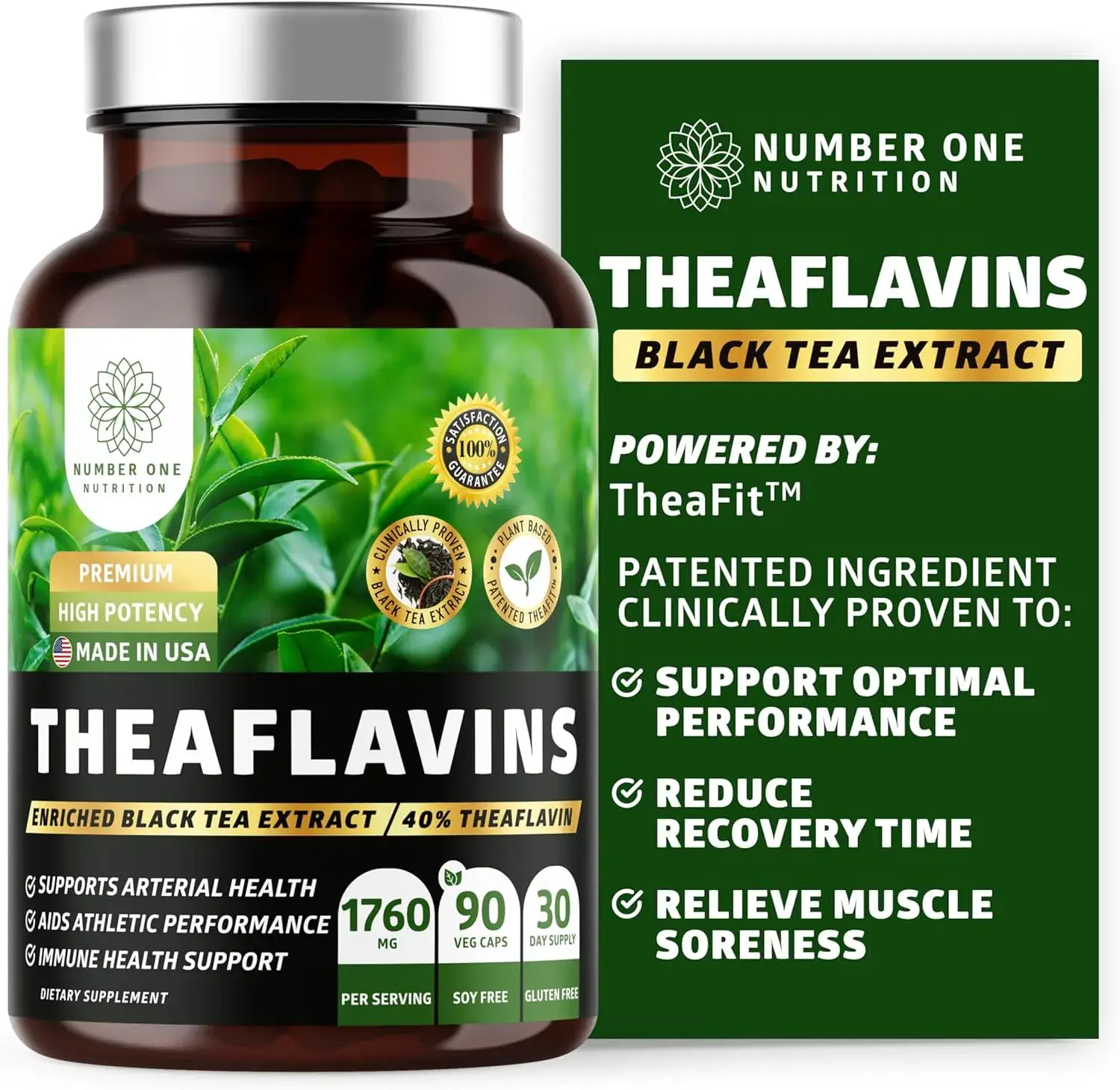
Black Tea Extract that is rich in natural theaflavins and polyphenols that help protect your body from free radicals, promoting overall immune health and well-being
Contains blended amounts of Fruits and Veggies. All natural, with whole foods, fruit and vegetable supplement.Perfect for everyone looking to live a healthier lifestyle.