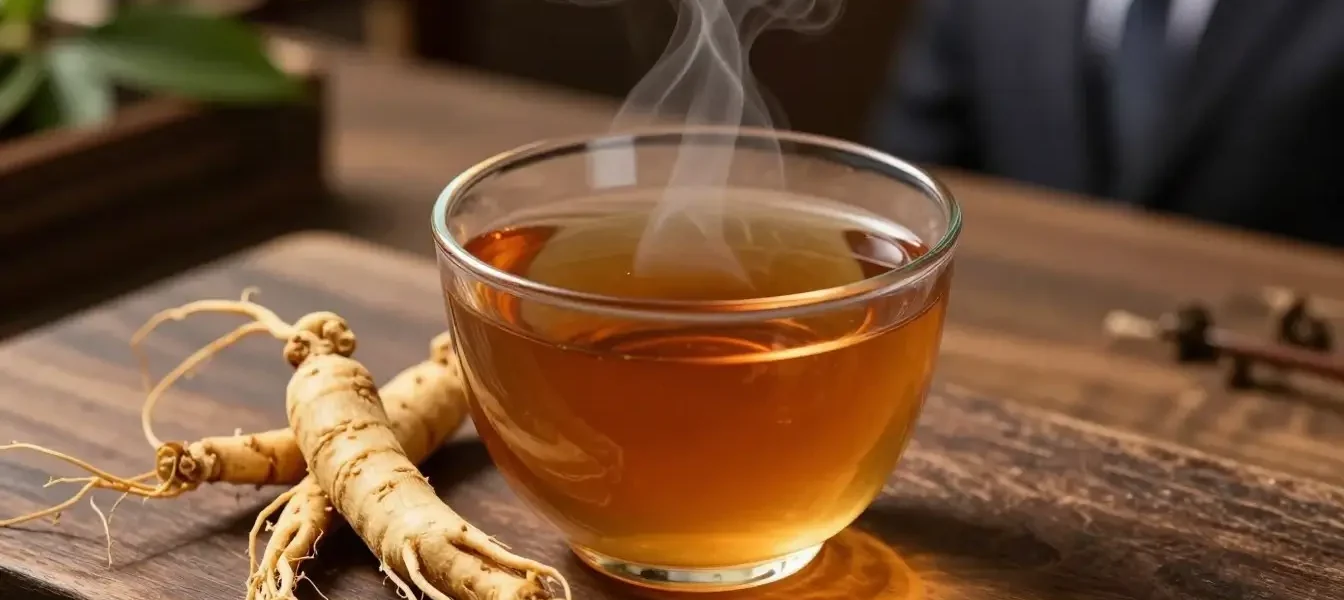
Ever thought your daily herbal tea might have more effects than just boosting energy? Many turn to this ancient root for vitality. But, it’s key to know about ginseng tea side effects for men.
Natural supplements might seem safe, but your body can react in complex ways. Taking a cautious approach helps you control your health.
This guide will help you understand common ginseng tea side effects. Knowing these details lets you make smart choices. You can enjoy your wellness routine while keeping your health safe.
Key Takeaways
Ginseng is a popular herbal supplement, but it requires mindful consumption.
Understanding possible risks helps you avoid health problems.
Always watch how your body reacts to herbal intake.
It’s wise to talk to a professional before starting new supplements.
Balance is key to safely adding natural roots to your life.
Understanding the Popularity of Ginseng Tea
Ginseng tea for men is loved for its mix of old wisdom and new needs. It’s a root that has stayed popular for thousands of years. Its ability to connect ancient traditions with today’s health goals is key to its appeal.
Historical Context and Traditional Uses
For ages, ginseng was seen as a powerful adaptogen in traditional medicine. It was used to boost longevity, strength, and mental sharpness. In many cultures, it was a rare gift from nature, given to those wanting to balance their bodies.
This herb’s history is tied to its role in supporting the body under stress. It helped the body adapt to challenges, becoming a key part of holistic health. Its long history makes it a trusted choice today.
Why Men Turn to Ginseng for Vitality
Now, many see this tea as a vital part of their men’s health supplements. Modern life needs focus and energy, leading to a search for natural boosts. The Panax ginseng benefits offer a natural way to stay energized without the jitters of caffeine.
The table below shows how our view of this herb has changed from ancient times to now:
Feature
Traditional Use
Modern Application
Primary Goal
Longevity and balance
Daily energy and focus
Method of Use
Raw root decoctions
Convenient tea bags
Target Benefit
Overall vitality
Performance optimization
Accessibility
Rare and expensive
Widely available
What Are the Side Effects of Ginseng Tea for Men?
Before adding this herbal tea to your daily routine, it’s good to know how your body might react. Many people feel more energetic, but it’s important to be aware of possible ginseng tea side effects. Your individual sensitivity affects how you react to these herbal compounds.
Common Mild Reactions to Watch For
When you start drinking this tea, you might notice small changes in your body. Some men feel a bit jittery or get mild headaches at first. These signs mean your body is getting used to the tea’s active ingredients.
It’s key to focus on herbal tea safety and listen to your body. If you feel too energized or have a slight stomach issue, it’s a sign to slow down. Cutting back or making your tea less strong can usually fix these problems quickly.
Distinguishing Between Ginseng Varieties
Not all ginseng roots are the same, and knowing the differences is important. Panax ginseng, or Asian ginseng, is often seen as more stimulating and warming. On the other hand, American ginseng is thought to have a cooling effect.
Because each type affects your body differently, it’s important to pay attention to which one you’re drinking. If one type bothers you, the other might be better for you. To keep things safe, try different types to find the one that works best for you without causing ginseng tea side effects.
Impact on Blood Pressure and Cardiovascular Health
It’s key to know how your morning coffee or tea affects your heart. Herbal teas can give you energy, but they can also impact your heart health. Taking care of your health lets you enjoy your favorite drinks without worry.
How Ginseng Interacts with Hypertension
The link between ginseng and blood pressure is complex. It can differ a lot from one person to another. Some studies say it might relax blood vessels, while others warn of higher pressure in some people. If you have high blood pressure, be careful with this supplement.
“True health is not merely the absence of disease, but the presence of vitality and balance in every system of the body.”— Traditional Wellness Proverb
It’s important to know that not all ginseng is the same. What works for one person might not work for you. Always talk to a doctor before adding new supplements.
Monitoring Your Heart Rate While Supplementing
Watching how your body reacts is the best way to stay safe. When you start a new supplement, notice how you feel before and after. Tracking your ginseng and blood pressure can help your doctor understand your health better.
Here are some easy steps to keep an eye on your heart health:
Use a home monitor to check your blood pressure at the same time each day.
Keep a journal of your daily intake and any physical sensations you notice.
Watch for signs of over-stimulation, such as a racing heart or sudden dizziness.
By being careful, you can learn how ginseng and blood pressure work in your body. Remember, your health is the most important thing. Small changes can make a big difference in your well-being.
Many people drink tea to wake up. But, when you drink it can affect your sleep. Ginseng tea, known for its natural energy boosters, can disrupt sleep if drunk too late.
Knowing how it works helps you enjoy tea without losing sleep. By changing when you drink it, you can stay alert during the day and sleep well at night.
The Stimulant Nature of Panax Ginseng
The root of ginseng contains compounds that boost your mind and body. These are great for starting your day.
But, these compounds also keep your nervous system active. Drinking it too close to bedtime can make it hard to relax and sleep.
Strategies for Timing Your Tea Consumption
To get the most from natural energy boosters, finish your tea before sunset. Experts say drinking it before noon or early afternoon is best to avoid sleep issues.
If you’re sensitive to caffeine or herbal stimulants, make your tea weaker in the afternoon. Watching how your body reacts to different times can also help.
Consumption Time
Expected Energy Level
Sleep Impact
Early Morning
High
None
Early Afternoon
Moderate
Minimal
Late Evening
Low
High Risk of Insomnia
By following these simple timing tips, you can enjoy Panax ginseng benefits without harming your sleep. Finding the right balance is all about being consistent.
Gastrointestinal Discomfort and Digestive Issues
When you start using new herbal supplements, it’s key to keep your digestive health tips in mind. Many people feel a bit sensitive in their stomach at first. Listening to your body is the best way to make sure your wellness journey stays positive.
Managing Upset Stomach and Nausea
If you feel a bit nauseous after drinking your tea, try having a small, light snack with it. Drinking herbal tea on an empty stomach can sometimes cause acidity or discomfort. Eating a few crackers or a piece of fruit can help protect your digestive lining.
Drinking plenty of water throughout the day also helps your body process new ingredients better. If the symptoms don’t go away, try switching to a milder tea or drink it less often. Consistency is key, but your comfort should always come first.
The Importance of Brewing Strength and Dosage
The strength of your brew affects how your body reacts to the herbs. Many people steep their tea for too long, making it too strong for their stomach. Start with a shorter steep time to see how your body reacts to the active compounds.
Also, watch how much you drink each day. It’s better to start with a small cup and gradually increase it as you get used to it. By following these digestive health tips, you can slowly build up your tolerance over time.
Brewing Method
Steep Time
Stomach Impact
Light Infusion
2-3 Minutes
Gentle and soothing
Standard Brew
5 Minutes
Moderate intensity
Strong Decoction
10+ Minutes
High risk of irritation
Hormonal Interactions and Testosterone Levels
The link between your endocrine system and herbal tea is complex. You might see ads claiming certain roots boost hormone levels quickly. But, it’s wise to be skeptical of such claims.
Looking into testosterone and ginseng online can be confusing. Some people say it works wonders, but scientific studies often show a different picture. It’s key to separate personal stories from solid research.
Debunking Myths Versus Scientific Reality
Many believe drinking this tea boosts hormone levels fast. But, most studies say it supports overall health, not hormone levels like synthetic boosters. Scientific evidence doesn’t back up the idea of quick hormone spikes.
“True health is not found in a single supplement, but in the balance of your entire lifestyle and daily habits.”
Looking for a quick fix might be a letdown. Instead, see it as a gentle support, not a replacement for medical care. Understanding testosterone and ginseng means seeing your body as a complex system, not a simple machine.
Potential Effects on Endocrine Balance
Instead of changing hormone levels, the herb might help manage stress better. By lowering cortisol, it could help your body keep hormone levels balanced. This indirect help is where the real value is for men.
Think about these points when trying herbal tea:
Stress reduction: Lowering daily stress can stabilize your hormones.
Overall vitality: Feeling more energetic can lead to better physical activity.
Consistency: Using it regularly and in moderation is safer than seeking quick fixes.
The connection between testosterone and ginseng is subtle. Focus on your overall health. See herbal tea as a gentle addition, not a main solution for hormone health.
It’s important to know about herbal medicine interactions to stay healthy. Ginseng is a popular choice, but it can affect how your body handles other substances. This can lead to unexpected effects.
Risks When Combining with Blood Thinners
Using blood-thinning medications with ginseng can be risky. Ginseng might make these drugs less effective. This could increase your risk of heart problems.
If you’re taking anticoagulants, be aware of these risks:
Reduced efficacy of blood-thinning medication.
Increased risk of clotting events.
Unpredictable changes in your blood chemistry.
Consulting Your Doctor About Prescription Conflicts
Talk to your doctor before adding new supplements. They can check if your current meds might interact with herbal ingredients. This is the best way to avoid herbal supplement risks.
Here’s a table to help you check your meds:
Medication Category
Potential Interaction
Action Required
Blood Thinners
Reduced effectiveness
Consult Physician
Diabetes Drugs
Blood sugar drops
Monitor levels
Antidepressants
Increased stimulation
Medical review
Always prioritize your safety by talking to your doctor. Managing herbal medicine interactions well lets you enjoy your tea safely.
Psychological Effects and Mood Changes
Feeling jittery after your morning cup? You’re not alone. Many turn to natural energy boosters to get through the day. But, these herbs can sometimes change your mood unexpectedly. Knowing how your body reacts is key to staying emotionally balanced.
Managing Anxiety and Nervousness
Enjoying herbal tea doesn’t mean you can’t manage anxiety naturally. If your heart races or you feel uneasy, try making small changes. These can make a big difference in how you feel all day.
Here are some tips to keep your nerves calm:
Reduce your serving size: Start with a weaker brew to see how your body responds.
Time your intake: Avoid drinking tea late in the afternoon to prevent sleep-related stress.
Monitor your mood: Keep a brief journal to track how you feel after each cup.
Recognizing Signs of Over-Stimulation
Your body sends clear signals when it’s had too much. Spotting these signs early helps avoid discomfort. Over-stimulation can also show up as mental restlessness or trouble focusing.
Look out for these signs you might need a break:
A persistent feeling of being “on edge” or irritable.
Difficulty concentrating on simple tasks due to racing thoughts.
Unexplained restlessness or a feeling of physical tension.
If these symptoms last, it’s smart to stop using it for a few days. Listening to your body is the best way to make sure supplements help, not harm, your well-being.
Allergic Reactions and Sensitivity Warnings
Some men might have unexpected reactions to ginseng tea. It’s key to focus on herbal tea safety when trying new supplements. Knowing the risks helps you enjoy ginseng’s benefits while keeping your health safe.
Identifying Symptoms of an Allergic Response
Spotting ginseng allergy symptoms early is important. Most reactions show up on the skin or in the lungs soon after drinking. You might notice subtle changes that mean your body is reacting badly.
Look out for these signs:
Itchy skin or hives.
Mild swelling of the lips, tongue, or throat.
Watery eyes or sudden sneezing.
A tingling feeling in the mouth.
When to Seek Immediate Medical Attention
While most reactions are mild, some are serious. If you have trouble breathing, chest tightness, or severe swelling, get help right away. These are signs of a serious allergic response that can’t be ignored.
Start with a small amount of tea or do a skin test to check your tolerance. If you’re allergic, talk to a doctor before trying new things. Being ready for these rare issues helps keep you safe.
Your body is unique, and finding the right amount of ginseng tea is a journey. It’s about listening to your body and adjusting as needed. This way, you can find a routine that supports your health goals.
Starting Small to Gauge Tolerance
Start with a small amount when you first try ginseng tea. This lets you see how your body reacts without feeling overwhelmed. Consistency is key, but don’t rush to find your optimal ginseng dosage.
Notice how you feel after drinking it a few times. If you feel any discomfort, you can lower the amount. This careful approach helps you find the right balance for your body.
“Moderation is the golden rule for any supplement. When you respect your body’s limits, you unlock the true potentia of nature’s remedies.”
Cycling Your Intake to Prevent Long-Term Side Effects
Consider a cycling schedule to keep your tea effective. This means taking it for a set time, then taking a break. It helps your body stay responsive to the tea’s benefits.
Using the right amount of ginseng tea and taking breaks can also prevent side effects. Many experts suggest a cycle of three weeks on and one week off. This keeps your routine fresh and effective for your long-term health.
Phase
Dosage Level
Goal
Initial Week
Low (1/2 cup)
Assess tolerance
Maintenance
Moderate (1 cup)
Steady support
Rest Period
Zero
Prevent tolerance
By following these guidelines, you can safely improve your health. Remember, your optimal ginseng dosage may change over time. Stay tuned to your body’s evolving needs.
Quality Control and Sourcing Your Tea
Not all ginseng products are the same. Your body can feel the difference. When you add men’s health supplements to your routine, the quality of the ingredients matters a lot. Choosing trusted brands means you get the benefits you need without risks.
Why Purity Matters in Herbal Supplements
Purity is key for herbal therapy to work well. High-quality herbal supplements give you the good stuff you need for energy. But, cheap stuff might have fillers or weak extracts that don’t help and could even harm you.
“The efficacy of any botanical product is fundamentally tied to the integrity of its supply chain and the rigor of its testing protocols.”— Herbal Medicine Research Institute
Avoiding Contaminants in Low-Quality Products
Bad products might have harmful stuff like heavy metals, pesticides, or mold. These can upset your stomach or cause health problems over time. Always check labels for third-party tests to make sure it’s safe.
When buying your daily tea, look for clear labels. Find brands that show a certificate of analysis for each batch. This way, you skip the bad stuff and get quality herbal supplements that help you stay healthy.
Feature
High-Quality Ginseng
Low-Quality Ginseng
Sourcing
Verified Organic Farms
Unknown/Mixed Origins
Testing
Third-Party Lab Verified
No Public Testing Data
Additives
Pure Root Extract
Fillers and Artificial Flavors
Safety
Contaminant-Free
Potential Pesticide Residue
Conclusion
Ginseng tea is a favorite for boosting energy naturally. You can add this tradition to your life safely.
Knowing about herbal supplement risks makes you more confident in natural health. Always choose high-quality products from trusted brands like Numi Organic Tea or Traditional Medicinals.
Your body is different, so watch how you feel after drinking ginseng tea. This helps make sure it’s good for you in the long run.
Talking to your doctor is key to staying safe. They can help you avoid bad reactions with medicines.
Be proactive about your health by being both curious and careful. Learning about natural remedies helps you stay healthy.
What are the most common ginseng tea side effects for men that I should watch for?
Many men enjoy ginseng tea for its energy boost. But, you might feel mild side effects like headaches, jitteriness, or digestive upset. It’s important to watch how your body reacts to it. This ensures it helps you without causing discomfort.
Can drinking this herbal tea interfere with my sleep patterns?
Yes, it can. The root acts as a stimulant. Drinking it late in the day may lead to insomnia or restlessness. To keep your sleep healthy, drink it in the morning. This way, you stay alert during the day without losing sleep at night.
How does ginseng tea affect my blood pressure and heart rate?
Ginseng’s active compounds can affect your heart and blood pressure. For some, it might raise blood pressure or heart rate. If you have hypertension, watch your blood pressure closely. Talk to a doctor, like at the Cleveland Clinic, before making it a daily habit.
Are there specific medications that I should avoid combining with ginseng?
Be careful with blood thinners like Warfarin (Coumadin). Ginseng can change how these drugs work. Always talk to your doctor to avoid drug-herb interactions.
Does ginseng tea actually increase testosterone levels in men?
There’s a lot of marketing hype about this. Some studies suggest it supports energy and balance. But, it’s not proven to replace hormonal therapy. See it as a supportive adaptogen, not a testosterone booster.
What is the difference between Asian (Panax) and American ginseng?
The type you choose is important. Asian ginseng is warming and stimulating, great for energy. American ginseng is cooling and gentler, good for those with anxiety or nervousness.
Why is it important to cycle my intake of this tea?
A: Cycling your intake helps prevent tolerance. Take it for two to three weeks, then a week off. This keeps it effective for your daily vitality and avoids long-term side effects.
How can I ensure the purity and quality of the tea I buy?
Choose reputable brands like Traditional Medicinals or Nature’s Way. High-quality tea is less likely to cause gastrointestinal discomfort. It also has a consistent level of ginsenosides.
What should I do if I experience an allergic reaction?
Rarely, you might have an allergic reaction like skin rashes or trouble breathing. If you see signs of severe sensitivity, get immediate medical attention. Start with a small amount to check your tolerance.
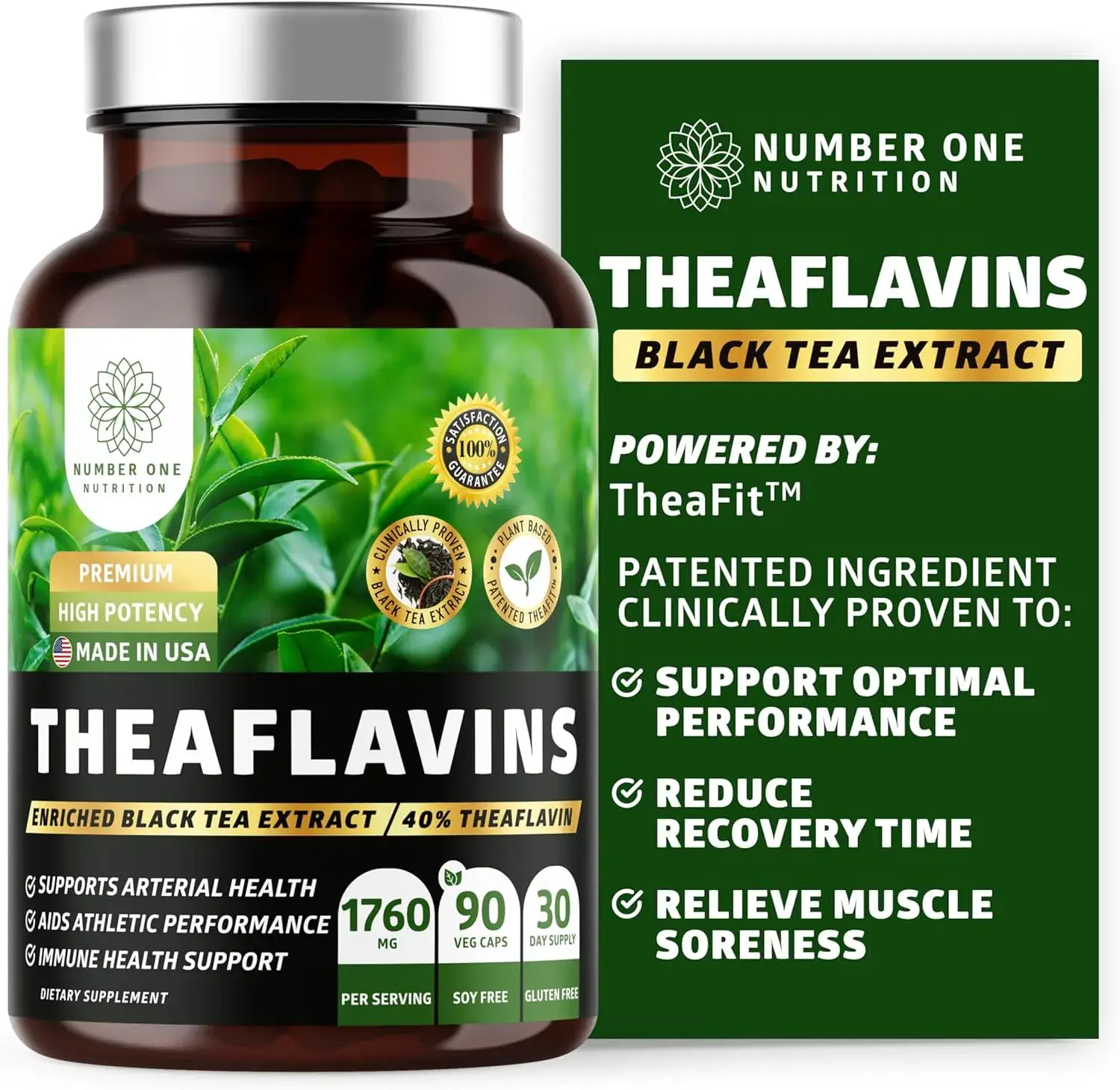
Black Tea Extract that is rich in natural theaflavins and polyphenols that help protect your body from free radicals, promoting overall immune health and well-being
Contains blended amounts of Fruits and Veggies. All natural, with whole foods, fruit and vegetable supplement.Perfect for everyone looking to live a healthier lifestyle.