Ever stopped mid-sip, wondering if your favorite tea could affect your baby? Many expectant moms face a maze of food choices. It’s key to balance what you want with what doctors say in your pregnancy wellness guide.
Knowing what’s in your tea is important for making smart choices. You should feel sure about every choice you make for your health. Let’s look into if jasmine tea safe for pregnancy is a real worry or just a myth.
Key Takeaways
First, talk to your doctor before changing what you eat.
How much caffeine is in your tea can really vary.
It’s best to drink in moderation, even when you’re expecting.
Even natural ingredients can be comforting, but quality and where they come from are critical.
Learning how certain plants affect you during pregnancy can empower you.
Understanding the Composition of Jasmine Tea
Before you take another sip, it helps to know exactly how jasmine tea is crafted. This beverage is more than just a fragrant drink. It’s a complex blend of botanical elements that create a unique sensory experience.
What is Jasmine Tea?
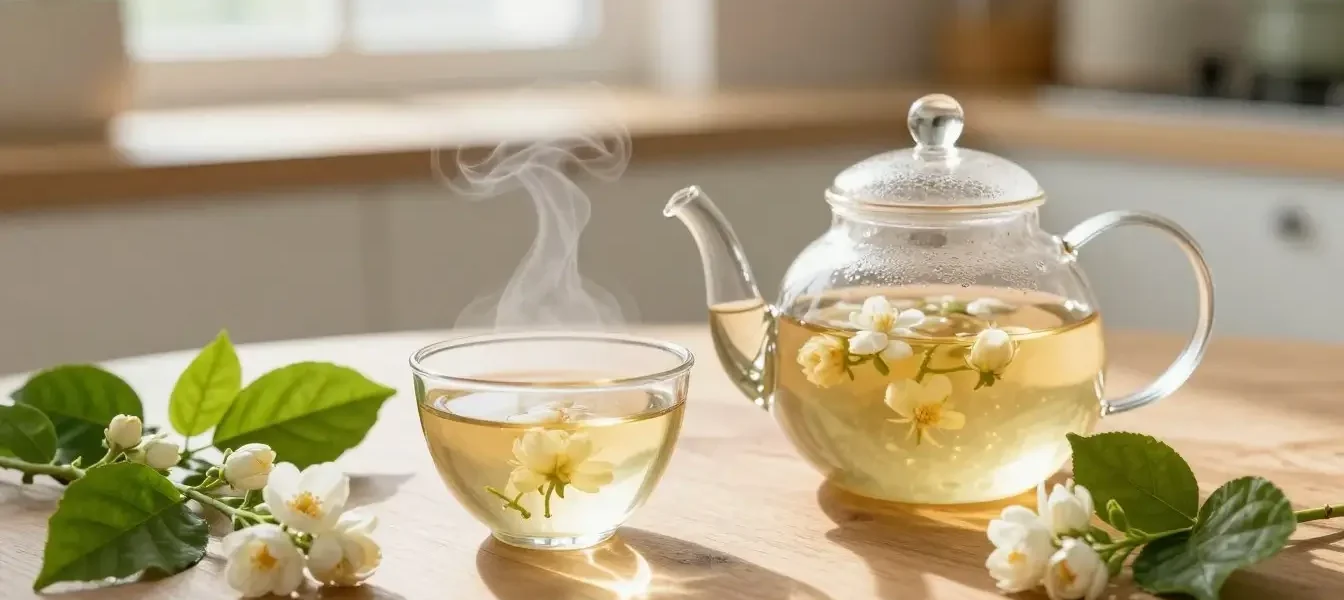
Jasmine tea is a scented tea variety where leaves are infused with fresh jasmine blossoms’ aroma. Unlike flavored teas with artificial oils, high-quality versions use natural flower essence. This traditional method ensures a pure, authentic taste in every cup.
“The finest tea is like a conversation between the earth and the sky, captured in a single, fragrant leaf.” — Traditional Tea Master
The Base Leaves: Green, Black, and White Tea
The foundation of your tea is the base leaf, which affects caffeine content and nutrition. Most jasmine teas use green tea, which is key for green tea pregnancy safety due to caffeine levels. White and black teas are also used, but green tea is the most popular for its delicate floral notes.
Choosing the right base is essential for your wellness journey. Understanding how these leaves interact with your body helps you make better choices. Remember, the base leaf determines the strength of your brew.
The Jasmine Scenting Process
The magic happens during the scenting process, where tea leaves are layered with fresh jasmine blossoms overnight. As the flowers open, they release their scent, which the dry tea leaves absorb. This process is repeated several times to achieve the perfect aroma.
Beyond the pleasant smell, there are notable jasmine flower benefits that contribute to the drink’s appeal. This natural infusion process avoids harsh chemicals, keeping the tea’s integrity. When you prioritize quality, your tea remains a safe and soothing part of your day. It keeps green tea pregnancy safety in mind while enjoying the subtle jasmine flower benefits.
Is jasmine tea safe for pregnancy?
Are you wondering if jasmine tea is safe during pregnancy? It’s natural to be careful about what you eat when you’re expecting. Making smart choices helps you feel good about your health and your baby’s.
General Safety Guidelines for Herbal Teas
When it comes to herbal tea pregnancy safety, focus on quality and honesty. Many herbal teas are safe, but check the ingredients for additives or strong herbs that might not be good during pregnancy.
Choosing well-known brands that are open about their sources is wise. Always listen to your body and watch how you feel after trying something new. If you have health issues, talking to your doctor is the best way to feel sure.
Evaluating the Evidence on Jasmine Tea
Jasmine tea is made by adding jasmine flowers to green, black, or white tea leaves. Because it’s based on tea leaves, the talk often includes green tea pregnancy safety. Most say it’s okay to drink these teas in small amounts during a healthy pregnancy.
The main worry is caffeine, which is in the tea plant. Jasmine flowers are usually safe, so the focus is on the tea leaves. Choosing high-quality leaves helps avoid bad stuff.
Moderation as the Key to Safety
Remember, moderation is key for any drink during pregnancy. Even safe drinks can cause problems if you drink too much. Enjoying your tea in small amounts is a good way to keep it safe.
See your tea time as a delightful ritual instead of just drinking water. Drinking water and eating well helps you enjoy jasmine tea safely. Being careful with your habits keeps you and your baby healthy and happy.
The Role of Caffeine During Pregnancy
When you’re expecting, watching your caffeine intake is key. Managing your intake is vital for your health during pregnancy. Knowing the safe caffeine limits pregnancy guidelines helps you enjoy your favorite drinks safely.
Recommended Daily Caffeine Limits
Health groups say pregnant women should not have more than 200 milligrams of caffeine daily. This amount is usually safe for most moms-to-be. Remember, this limit includes coffee, soda, chocolate, and caffeine in tea.
How Caffeine Affects the Developing Fetus
Caffeine is a stimulant that can reach your baby. Because your baby’s body is not fully developed, it can’t process caffeine as well as yours. High levels of caffeine might affect blood flow to the placenta, so doctors advise moderation.
Calculating Caffeine Content in Your Cup
Finding out how much caffeine is in your tea can be hard. It depends on the tea type, water temperature, and steeping time. Usually, jasmine green tea has less caffeine than coffee.
To keep caffeine low, use fewer tea leaves or steep for less time. Monitoring your body’s response helps you stay healthy. Making these small changes lets you enjoy your tea without worry.
The Potential Benefits of Jasmine Tea for Expecting Mothers
Many expecting mothers find jasmine tea a gentle, supportive friend during pregnancy. Its floral scent is just the start. The benefits of jasmine tea also touch on physical and emotional health.
Antioxidant Properties and Immune Support
Your immune system works overtime when you’re expecting. The jasmine flower benefits include lots of polyphenols. These are strong antioxidants that protect your cells from damage.
Drinking this tea can give your body a boost. These natural compounds act as a protective shield. They help keep you healthy through pregnancy’s different stages.
Managing Pregnancy-Related Stress and Anxiety
The path to motherhood can be emotional. Pregnancy anxiety relief is key for many women. Jasmine’s calming aroma is known to soothe the nerves.
Enjoying a warm cup of jasmine tea can ground you. It’s a peaceful break in your busy day. It helps you manage stress with ease.
Digestive Health and Nausea Relief
Many women face morning sickness. Finding ways to manage pregnancy nausea is vital for comfort. Jasmine tea is a mild, natural remedy for an upset stomach.
It’s also good for digestion after meals. As part of your pregnancy nutrition tips, it soothes your system. This helps you feel better all day.
Risks and Precautions to Consider
When you’re pregnant, it’s important to watch what you drink. Jasmine tea is soothing, but knowing how it affects you is key. Being proactive lets you enjoy your tea without worry.
The Impact of Tannins on Iron Absorption
Expectant mothers should think about tea and iron absorption. Jasmine tea has tannins that can block iron from plant foods. This might lower your iron levels.
Drink your tea between meals, not with them. Spacing out your tea consumption helps your body absorb iron better. This simple change can help keep your iron levels up.
Potential Allergic Reactions to Jasmine Flowers
Some people might react to jasmine flowers. If you’re allergic to flowers or have seasonal allergies, be cautious. Start with a small amount to see how you react.
If you get itching, hives, or trouble breathing, stop drinking it. Listening to your body is key when trying new foods or drinks. If unsure, talk to your doctor.
Quality Control and Contaminants in Tea Leaves
Tea quality matters a lot for your health. Low-quality tea might have pesticides or heavy metals. Choosing organic tea for pregnancy helps avoid these risks.
Choose brands that are open about their testing. Organic leaves mean less chance of harmful stuff. Prioritizing purity in your tea choice is good for your health.
Comparing Jasmine Tea to Other Herbal Teas
Not all herbal teas are safe for pregnant women. It’s important to know the difference between safe and risky options for your pregnancy hydration. Jasmine tea is usually enjoyed in small amounts. But, it’s good to know how it compares to other drinks.
Making smart choices helps you stay hydrated while keeping your baby safe.
Teas to Avoid During Pregnancy
When planning your pregnancy diet precautions, be careful of certain herbs. Some can make the uterus active or upset hormone levels. Avoid teas with pennyroyal, black cohosh, or too much licorice root.
Always check the labels on tea blends. Even if it says “herbal,” it might have hidden ingredients. Stick to single-ingredient teas that are known to be safe.
Safe Herbal Alternatives for Hydration
Finding healthy drinks for pregnancy is easy. Many herbal teas are safe and can help you drink more water. Ginger tea is great for morning sickness.
Rooibos tea is caffeine-free and full of antioxidants. Peppermint tea is also safe and can ease stomach issues. These teas offer a tasty way to stay hydrated without caffeine worries.
Comparing Caffeine Levels Across Varieties
Knowing the caffeine in your tea is key. Jasmine tea has less caffeine than black or coffee teas. But, it does have some caffeine. Here’s a table to help you choose wisely.
Learning to brew jasmine tea safely is easy. It makes your pregnancy a bit more enjoyable. The way you make your tea affects its safety and health benefits. Follow these tea preparation tips to make your daily tea a healthy choice.
Choosing High-Quality Loose Leaf Tea
Choose organic tea for pregnancy to avoid harmful pesticides. Loose leaf tea is better than tea bags because it’s of higher quality and has fewer plastics. Look for tea from trusted sources that share how they harvest and process their leaves.
Controlling Steeping Time to Reduce Caffeine
Controlling caffeine in your tea is easy. Just adjust the steeping time. Steeping for only two minutes helps you enjoy the tea’s flavor without too much caffeine.
Temperature Guidelines for Optimal Flavor and Safety
Water temperature is key for pregnancy hydration. Water that’s too hot can burn the jasmine flowers and make the tea bitter. Use water between 160°F and 175°F for the best taste and health benefits.
Variable
Recommended Setting
Benefit
Water Temp
160°F – 175°F
Prevents bitterness
Steeping Time
2 – 3 Minutes
Controls caffeine
Leaf Quality
Organic Loose Leaf
Reduces contaminants
Consulting Your Healthcare Provider
Every pregnancy is different, so getting professional advice is key. Your doctor knows your health history and current status. Always talk to your medical team before changing your diet.
When to Discuss Tea Consumption with Your OB-GYN
Discuss your favorite drinks at your next prenatal visit. It’s vital if you have high blood pressure or gestational diabetes. These pregnancy nutrition tips help start a useful conversation with your doctor.
Personalized Advice Based on Your Health History
Your OB-GYN might give you specific advice based on your health. If you have anemia, they might tell you to drink tea away from meals. This way, your choices help your health and your baby’s growth.
Monitoring Your Body’s Response
Watch how you feel after drinking tea. If you feel your heart racing or jittery, you might have too much caffeine. Keeping a log of your tea intake helps you stay within safe caffeine limits pregnancy. Your body’s needs change with each trimester, so stay alert and tell your doctor about any new symptoms.
Conclusion
Drinking a warm cup of jasmine tea can be calming. You now know how to enjoy it while thinking about your health and your baby’s growth.
This guide helps you on your journey. By choosing the right leaves and controlling caffeine, you stay healthy.
Your body tells you what it needs during pregnancy. Listen to how you feel after drinking tea. Small changes can make a big difference.
Keep this guide close as you figure out what to eat. Talking to your OB-GYN is key. They give you advice that fits your health needs.
Feel confident in your choices. You’re making decisions that help you feel good now and in the future.
Is it safe for you to drink jasmine tea while you are pregnant?
Yes, jasmine tea is safe in moderation during pregnancy. The tea’s floral scent is calming, but it’s based on green or black tea, which has caffeine. To keep your pregnancy healthy, watch your caffeine intake. The American Pregnancy Association suggests a daily limit.
How much caffeine is actually in your cup of jasmine tea?
Jasmine tea’s caffeine level depends on the tea base. A cup of jasmine green tea from Twinings or Stash has 25-45 mg of caffeine. This is well within the 200 mg daily limit for pregnant women, allowing for one or two cups.
Can jasmine tea help you manage pregnancy-related stress or nausea?
Expectant mothers often find jasmine tea’s scent helps with anxiety. The warm tea also aids in digestion and nausea, making it a great addition to your pregnancy diet.
Are there any risks, such as the impact of tannins on your iron levels?
Be aware of tannins, which can block iron absorption. Drink your tea between meals to support your diet and your baby’s needs without losing nutrients.
Why should you consider choosing organic tea for pregnancy?
Organic tea from brands like Numi Organic Tea or Traditional Medicinals avoids contaminants and pesticides. This ensures clean, high-quality jasmine blossoms and tea leaves, providing the best antioxidants and immune support.
How can you prepare your tea to make it even safer for your baby?
To lower caffeine, steep your tea for a shorter time with cooler water. This makes the flavor milder and caffeine levels lower. Choose loose leaf tea for better nutrition and taste in your pregnancy hydration.
When should you talk to your OB-GYN about your tea consumption?
Talk to your OB-GYN about caffeine during check-ups, if you have a high-risk pregnancy or sensitivities. They can give advice based on your health history, tailoring your pregnancy care to your needs.
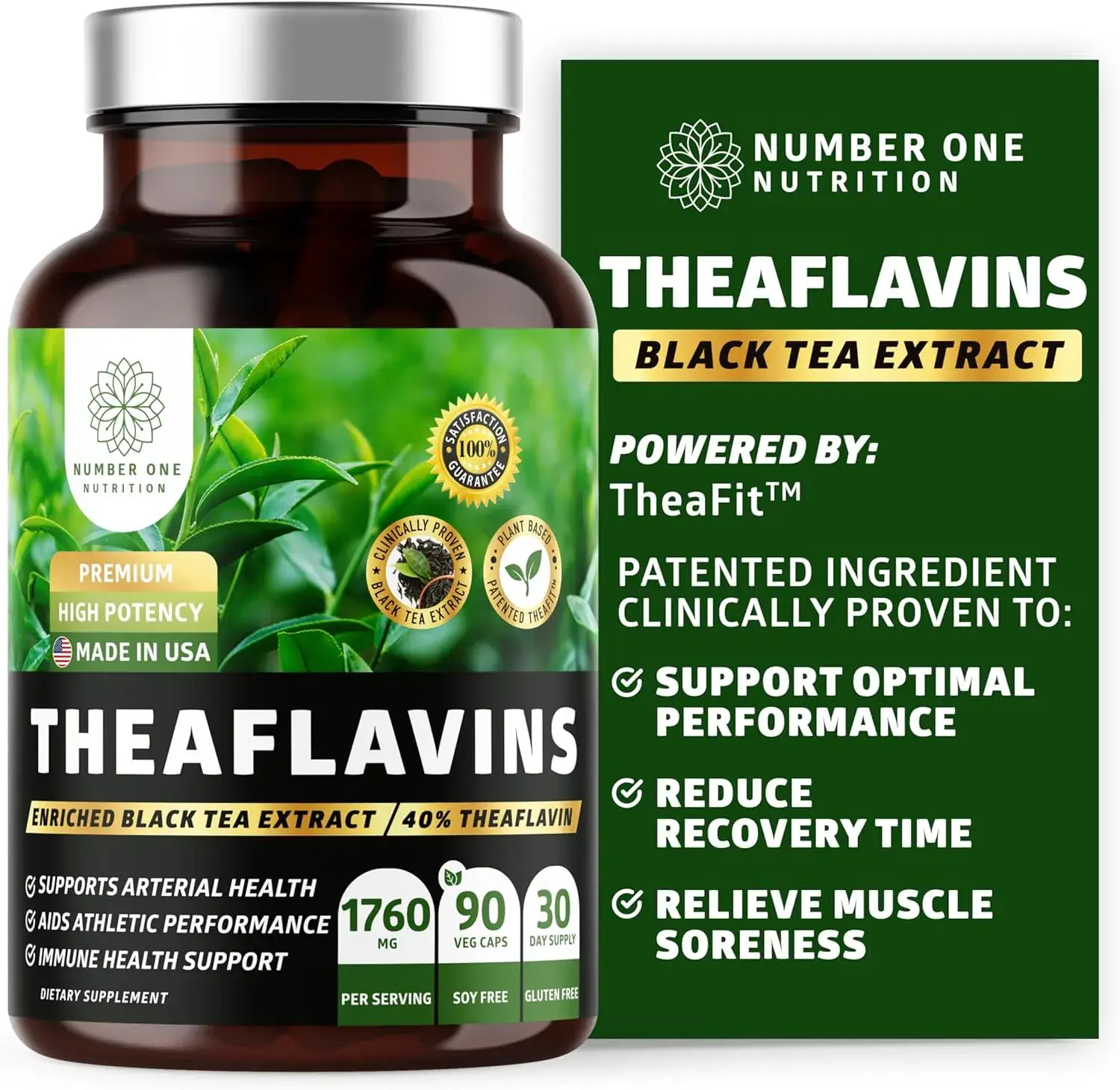
Black Tea Extract that is rich in natural theaflavins and polyphenols that help protect your body from free radicals, promoting overall immune health and well-being
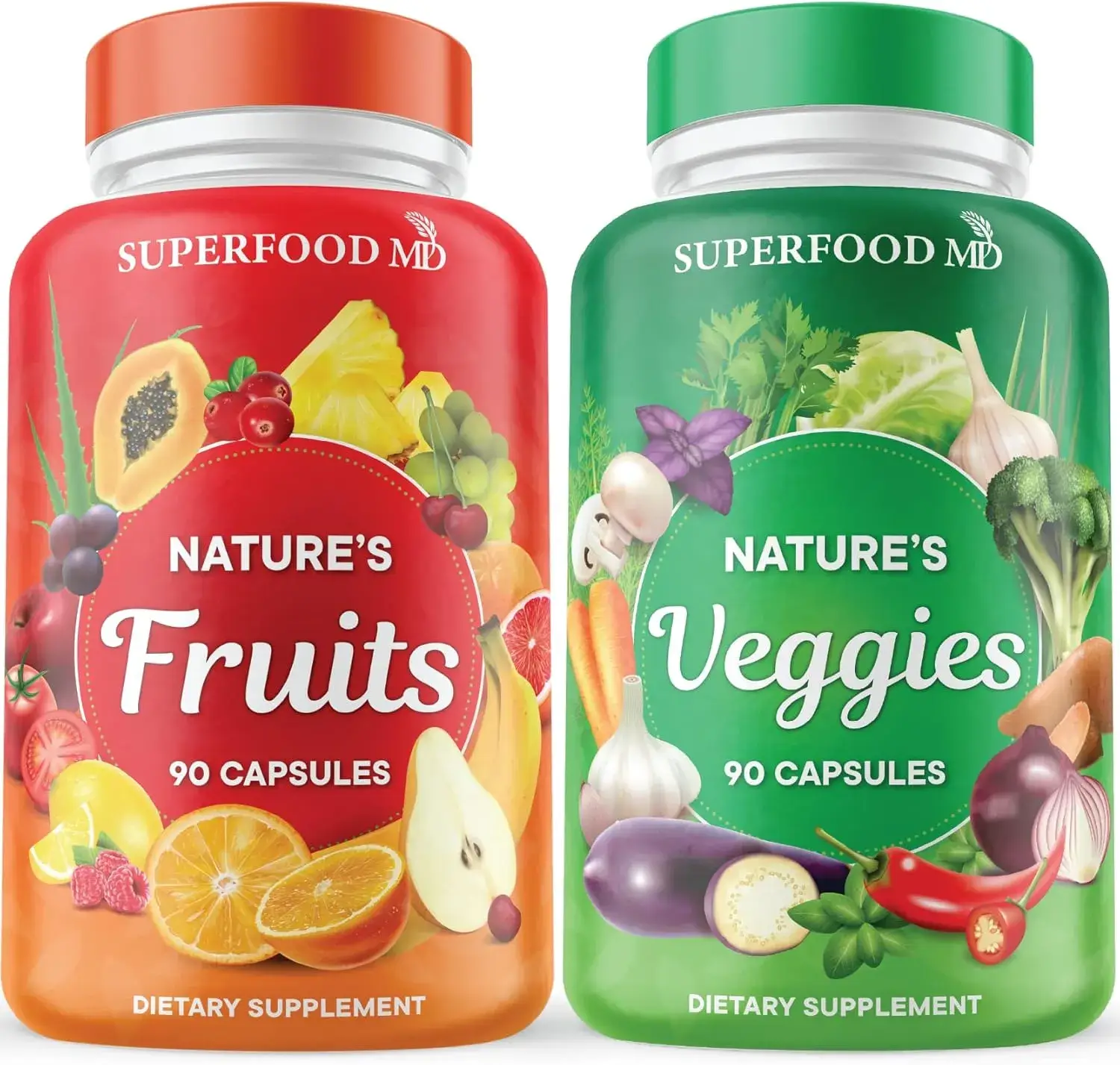
Contains blended amounts of Fruits and Veggies. All natural, with whole foods, fruit and vegetable supplement.Perfect for everyone looking to live a healthier lifestyle.