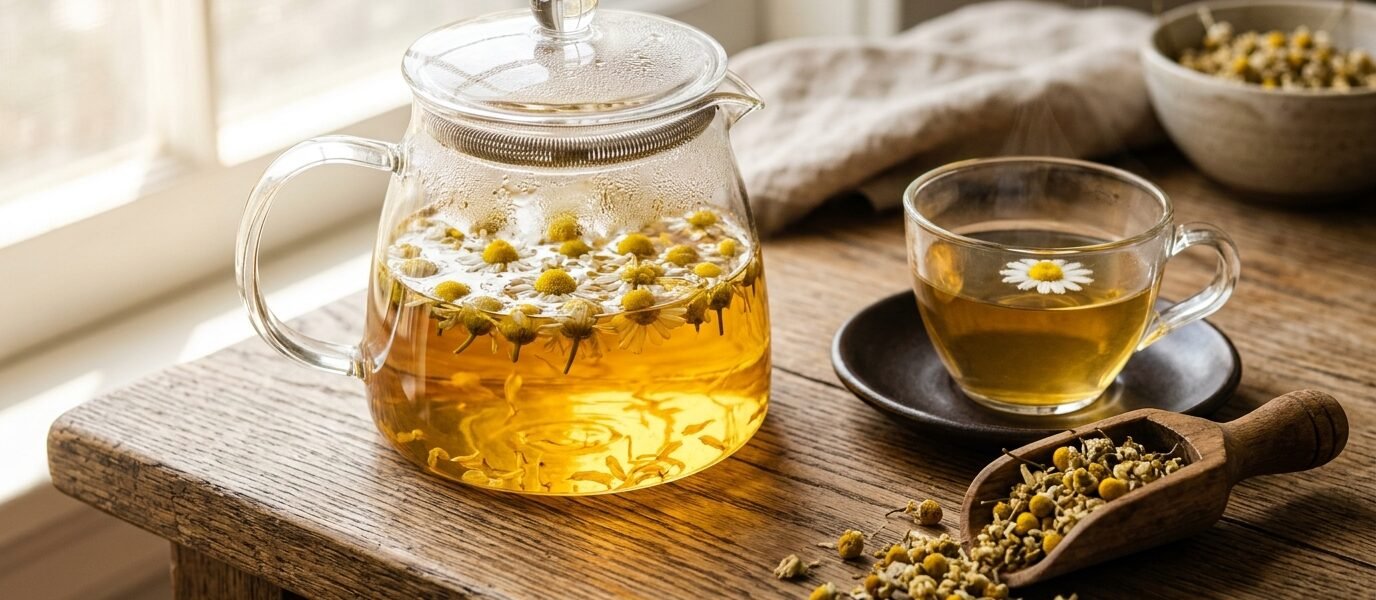
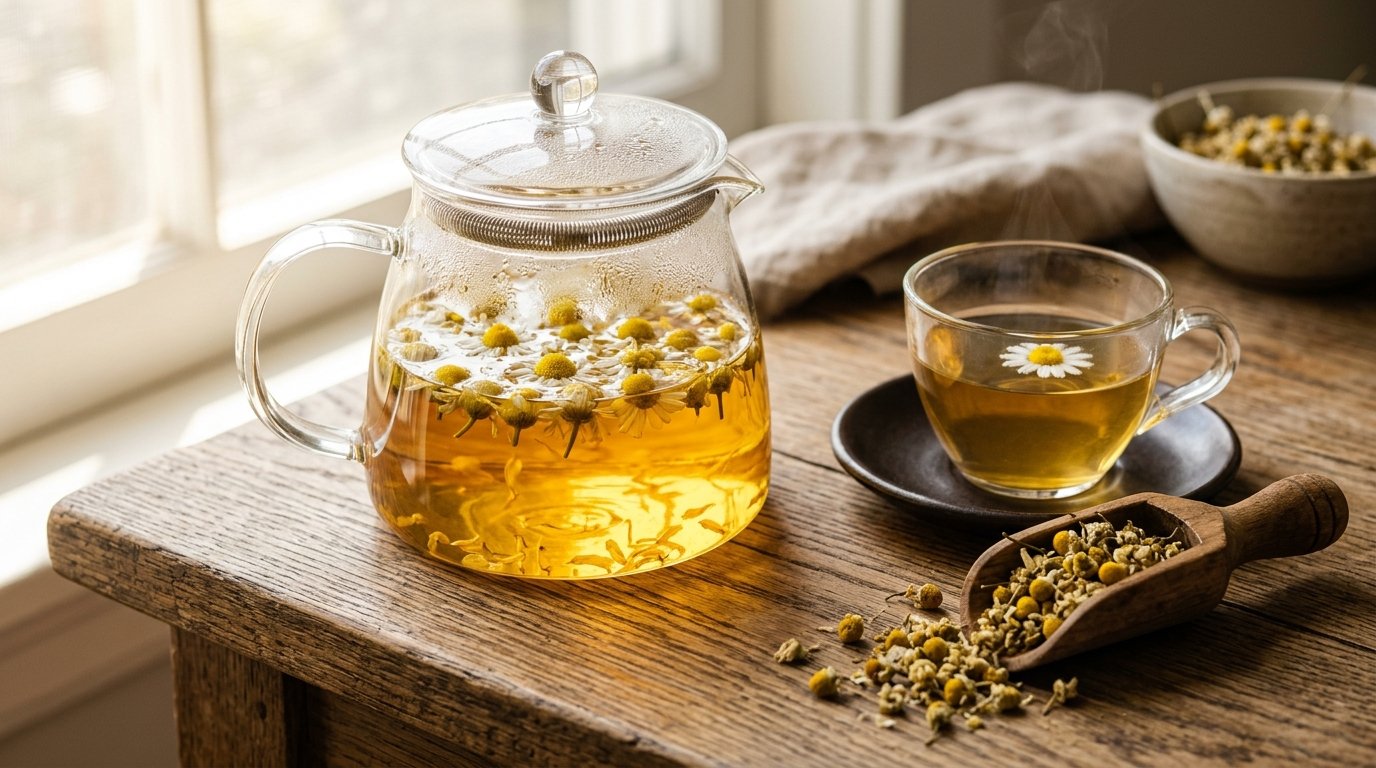
Most people learn how to brew chamomile tea by dropping a dusty paper tea bag into boiling water and leaving it on the counter until it cools. Usually, the result tastes flat, grassy, or slightly bitter rather than crisp and floral.
Learning how to brew chamomile tea properly changes everything inside your cup. By matching the flower grade to the right water temperature, flower-to-water ratio, and covered steeping window, you can pull out natural honey-apple sweetness while keeping harsh plant tannins out of the infusion.
In our tasting tests across whole Egyptian blossoms, fresh garden cuttings, and standard store-bought bags, one detail stood out above all else: covering the vessel while the flowers steep traps the aromatic essential oils that give chamomile its signature warmth. Below, you will find exact ratios, water temperatures, and step-by-step instructions for every style of chamomile.
Which Type of Chamomile Makes the Best Tea?
Direct Answer: Whole-flower German chamomile (Matricaria chamomilla) makes the best everyday cup of tea because its hollow yellow cones hold high levels of sweet bisabolol and chamazulene oils. Roman chamomile (Chamaemelum nobile) produces a more herbaceous, slightly bitter infusion, while standard grocery tea bags contain crushed flower dust that releases astringency quickly.
Before heating your kettle, look closely at what is sitting in your tin or box. Not all chamomile flowers share the same botany, harvest region, or essential oil profile, and those differences directly control how you should steep them.
German Chamomile vs Roman Chamomile
German chamomile, known botanically as Matricaria chamomilla or Matricaria recutita, is the gold standard for beverage brewing. Grown widely in Egypt along the Nile River Valley as well as across Hungary, Croatia, and Germany, this annual plant produces small daisy-like blooms with a dome-shaped hollow yellow center. When steeped at 200°F (93°C), German chamomile delivers a round, apple-like aroma with a clean, honeyed finish. For a deeper look at these flavor notes, explore our guide on what chamomile tea tastes like.
Roman chamomile (Chamaemelum nobile) is a low-growing perennial native to Western Europe. Its flower heads are fuller and flatter, and its volatile oil profile leans toward angelic and tiglic acid esters. In our side-by-side cupping tests, Roman chamomile brewed noticeably sharper and more resinous after four minutes, making it better suited for short digestive infusions than for a sweet bedtime mug.
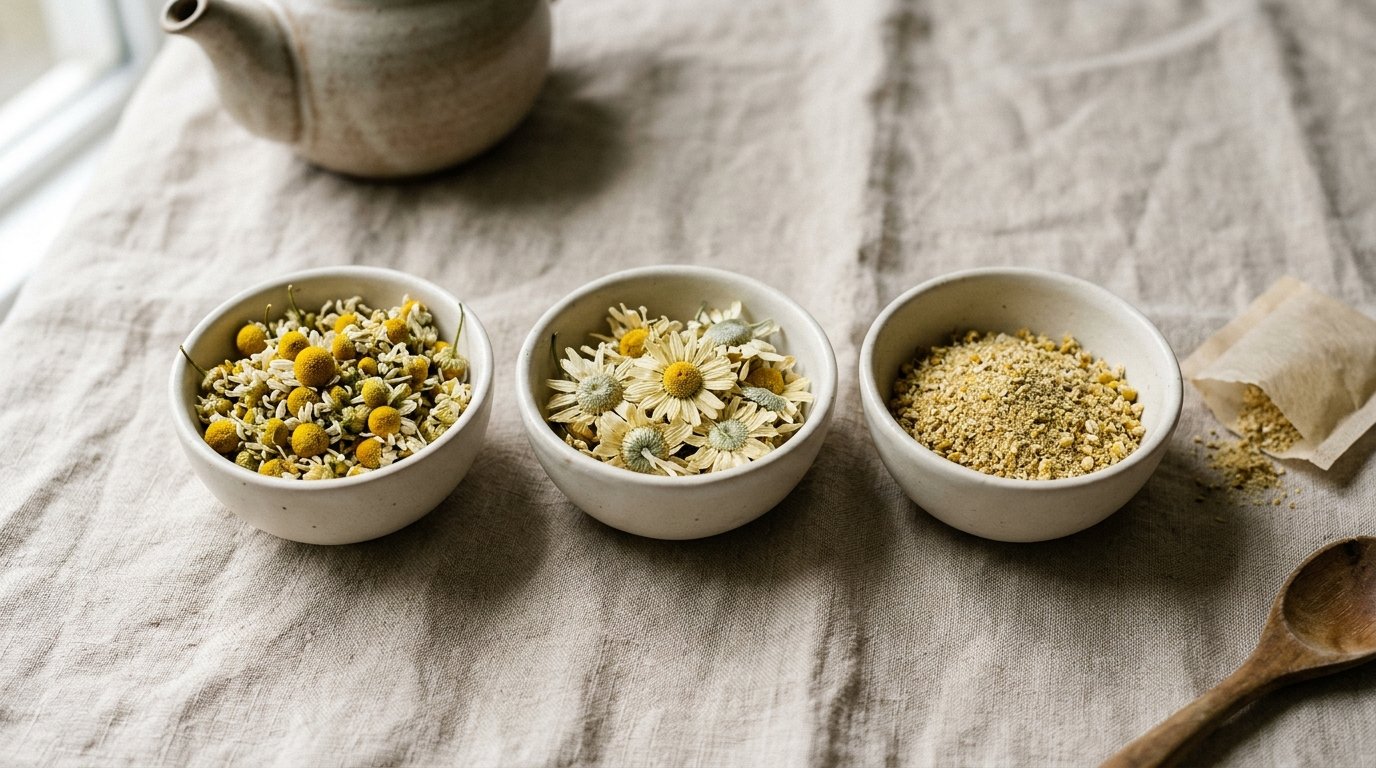
Whole Loose Flowers vs Tea Bag Fannings
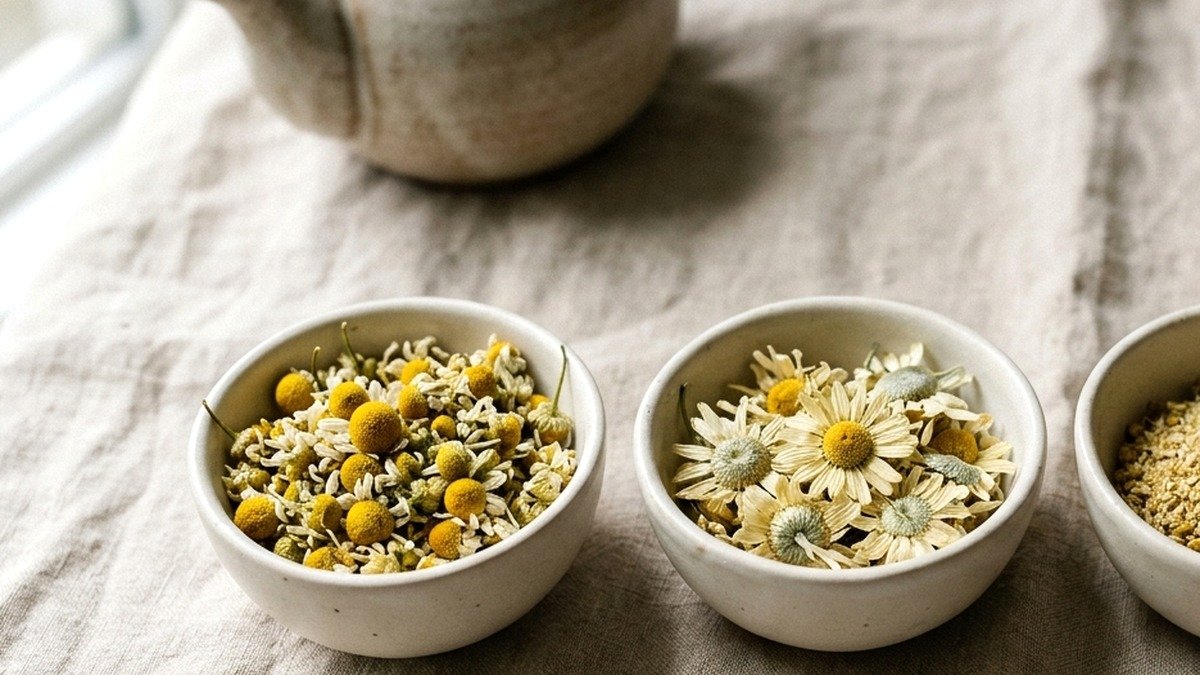
When you open a tin of artisan loose-leaf chamomile from the spring harvest in Egypt’s Fayoum oasis, you see intact yellow flower heads ringed by white florets. Those yellow capitula hold the microscopic oil glands containing apigenin, alpha-bisabolol, and matricin. Because the flower head remains whole, hot water penetrates the cone gradually, releasing sweet aromatics over five to eight minutes without dumping woody stem fibers into your cup.
Commercial tea bags rarely contain whole blossoms. Most mass-market bags are filled with fannings: broken petals, stem fragments, and fine pollen dust left over after whole flowers are sifted for loose-leaf export. Because crushed fannings have a massive surface area and few intact oil glands left, they infuse in three minutes and turn grassy if over-steeped.
What Are the Ideal Ratios, Temperatures, and Steeping Times?
Direct Answer: Mastering how to brew chamomile tea starts with measuring 2 tablespoons (2.5 grams) of whole dried flowers per 8 ounces of water heated to 200°F to 205°F (93°C to 96°C). Steep whole dried flowers covered for 5 to 7 minutes, fresh blooms for 6 to 8 minutes, and tea bags for 3 to 4 minutes.
Unlike delicate true teas made from Camellia sinensis leaves such as Japanese Sencha or Taiwanese Alishan oolong that scorch at high heat, herbal chamomile flowers need near-boiling water to unlock their dense yellow cones.
Chamomile Brewing Reference Chart
Use this side-by-side chart to match your chamomile form to the ideal flower weight, water temperature, and covered steep window:
Chamomile Form
Amount per 8 oz (240 ml)
Water Temperature
Covered Steep Time
Flavor Profile
Whole Dried Flowers
1.5 to 2 tbsp (2.5 g)
200°F to 205°F (93°C to 96°C)
5 to 7 minutes
Crisp green apple, warm honey, silky body
Strong Bedtime Infusion
2.5 to 3 tbsp (4 g)
205°F to 208°F (96°C to 98°C)
8 to 10 minutes
Deep golden liquor, rich floral aroma, soothing finish
Fresh Garden Blooms
3 to 4 tbsp (8 to 10 g)
200°F (93°C)
6 to 8 minutes
Bright meadow aroma, light orchard sweetness
Standard Paper Tea Bag
1 tea bag (1.2 to 1.5 g)
195°F to 200°F (90°C to 93°C)
3 to 4 minutes
Mild hay notes, fast extraction, light body
Cold Brew Pitcher
4 tbsp per 16 oz (475 ml)
38°F to 45°F (3°C to 7°C)
6 to 8 hours chilled
Zero bitterness, clean honeyed apple finish
Why Water Temperature and Vessel Coverage Matter
According to a peer-reviewed pharmacognosy review on chamomile published via the National Institutes of Health (PMC), chamomile flowers contain over 120 chemical constituents, including terpenoids like alpha-bisabolol and flavonoids like apigenin. Apigenin is the bioactive flavonoid that binds to GABA and benzodiazepine receptors in the brain to encourage evening calm and healthy sleep latency.
Extracting apigenin and essential oils from dried flower heads requires water between 200°F and 208°F (93°C to 98°C). However, those same essential oils are highly volatile. If you steep your tea in an open mug, a large fraction of the fragrant bisabolol oil evaporates straight into your kitchen with the rising steam. Placing a saucer or teapot lid over the vessel traps that steam so the condensed aromatic droplets fall right back into your cup.
How to Brew Chamomile Tea Step-by-Step (Loose Flowers and Tea Bags)
Once you know how to brew chamomile tea with covered heat, the daily ritual takes less than ten minutes from kettle to cup. Choose the method below that matches your pantry.
Whole blossoms expand to nearly twice their dry volume once hydrated, so skip cramped metal tea balls and use a glass teapot or a wide stainless steel basket infuser:
Preheat Your Teaware: Swirl a splash of hot tap or kettle water inside your teapot or ceramic mug for 10 seconds, then pour it out so a cold vessel does not drop your brewing temperature below 195°F (90°C).
Measure the Whole Blossoms: Scoop 1.5 to 2 rounded tablespoons (roughly 2.5 grams) of whole dried German chamomile flowers into your infuser basket per 8 ounces (240 ml) of water.
Heat Filtered Water to 200°F to 205°F (93°C to 96°C): Without a temperature kettle, bring filtered water to a boil at 212°F (100°C), turn off the heat, and let it rest for 45 seconds.
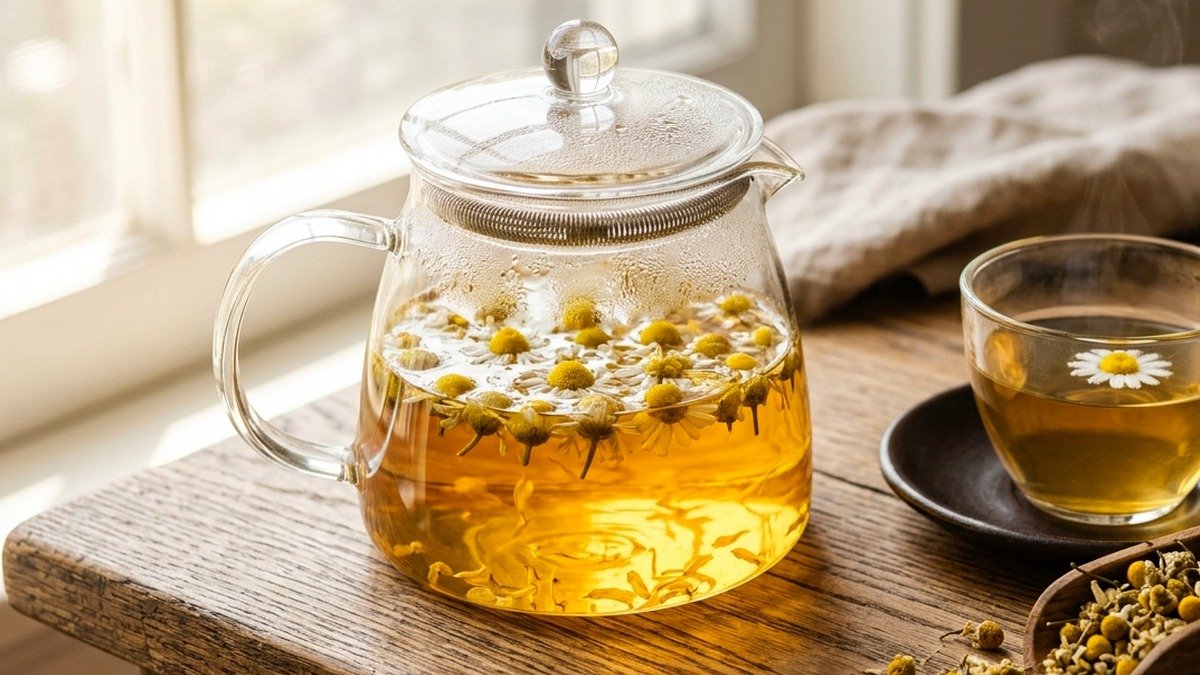
Pour and Cover Immediately: Pour the hot water directly over the floating blossoms so every dry cone is submerged, then cover with a lid or ceramic saucer within seconds.
Steep for 5 to 7 Minutes: Watch the liquor turn bright daffodil gold. For a deeper nightcap, steep whole flowers for 8 minutes; see our guide on drinking chamomile tea before bed for optimal evening timing.
Tilt the Lid and Strain: Tilt the lid so the condensed droplets drip back into the mug, then lift out the basket without pressing the wet flowers.
Method 2: Getting the Most Out of Chamomile Tea Bags
When convenience calls for a paper or pyramid tea bag, three small adjustments prevent a dusty or bitter mug:
Lower the Water Temperature Slightly: Heat water to 195°F to 200°F (90°C to 93°C) so you extract floral oils from the finely crushed fannings without scorching powdered stems.
Use Two Bags for Large Mugs: Standard bags hold only 1.2 to 1.5 grams of herb (sized for a 6-ounce teacup). For a 12-ounce mug, steep two bags rather than over-extracting one.
Cover and Steep for 3 to 4 Minutes: Keep a saucer over the mug and remove the bag at the 4-minute mark before papery cellulose notes develop.
How to Avoid Bitterness and Re-Steep Whole Flowers
When readers ask us how to brew chamomile tea that never turns bitter, three habits make all the difference: never squeeze the wet tea bag or flower basket with a spoon, use low-mineral filtered water, and try a cold brew on warm days. Pressing wet blossoms crushes the softened flower receptacles and forces bitter sesquiterpene lactones into your cup.
While paper tea bags are spent after a single steep, whole loose Egyptian or Croatian chamomile flowers handle a second infusion well. In our kitchen tests, re-steeping wet whole blossoms within two hours using 205°F (96°C) water for 7 to 8 minutes produced a clean, lightly honeyed second cup with roughly 60 percent of the first brew’s aroma.
How to Make Chamomile Tea From Fresh Garden Flowers
Direct Answer: To brew chamomile tea from fresh garden flowers, harvest fully open blooms on a dry morning, rinse them gently in cool water, and use 3 to 4 tablespoons of fresh flower heads per 8 ounces of 200°F (93°C) water. Steep covered for 6 to 8 minutes before straining.
If you grow German chamomile in garden beds or sunny patio pots, learning how to brew chamomile tea from freshly plucked blossoms yields a bright, meadow-fresh cup that dried herbs cannot quite match.
Harvesting and Cleaning Fresh Blossoms
Pick chamomile flowers in the late morning during the spring harvest or early summer bloom, right after the morning dew evaporates but before midday heat drives off volatile oils. Choose blooms where the white petals lie flat or curve slightly backward and the yellow center cone looks plump and golden.
Snip or pinch the flower head cleanly off the stem right below the base of the receptacle, leaving green stems and feathery leaves behind because their chlorophyll turns hot water acrid. Swish the freshly picked heads in a bowl of cool water, drain in a colander, and pat dry on a clean towel.
Adjusting the Ratio for Fresh vs Dried Flowers
Fresh chamomile blossoms contain roughly 75 to 80 percent water by weight, so using the dried-flower measure of 1.5 tablespoons produces a thin, watery cup. Always triple the volume when brewing fresh blooms: measure 3 to 4 heaping tablespoons (about 8 to 10 grams) of fresh flower heads for every 8 ounces of 200°F (93°C) water.
Pour the hot water over the fresh blooms, cover the mug or teapot, and steep for 6 to 8 minutes. The infusion pours a pale, translucent lemon-green with an unmistakable fresh-cut orchard fragrance.
How to Customize Your Cup: Proven Flavor Pairings and Recipes
Once you master the base infusion, chamomile pairs effortlessly with soothing botanicals, raw sweeteners, and steamed milk. According to the National Center for Complementary and Integrative Health (NCCIH), chamomile is one of the most widely used botanical infusions worldwide, frequently blended with gentle herbs for evening relaxation and digestive comfort.
Classic Soothing Additions (Honey, Vanilla, Ginger, and Mint)
Because chamomile has a delicate body, use measured amounts of complementary ingredients so they lift rather than mask its apple-blossom notes:
Raw Wildflower Honey: Let your tea cool to 140°F (60°C) before stirring in half a teaspoon of raw honey. For warm dessert notes, read our guide on honey vanilla chamomile tea benefits.
Fresh Ginger Root: Steep two thin coins of fresh ginger (Zingiber officinale) alongside the chamomile flowers at 205°F (96°C).
Peppermint or Spearmint Leaves: Combine 1.5 tablespoons of whole chamomile flowers with 1 teaspoon of dried peppermint (Mentha piperita) for after-dinner digestion, or check our chamomile and mint tea relaxation guide.
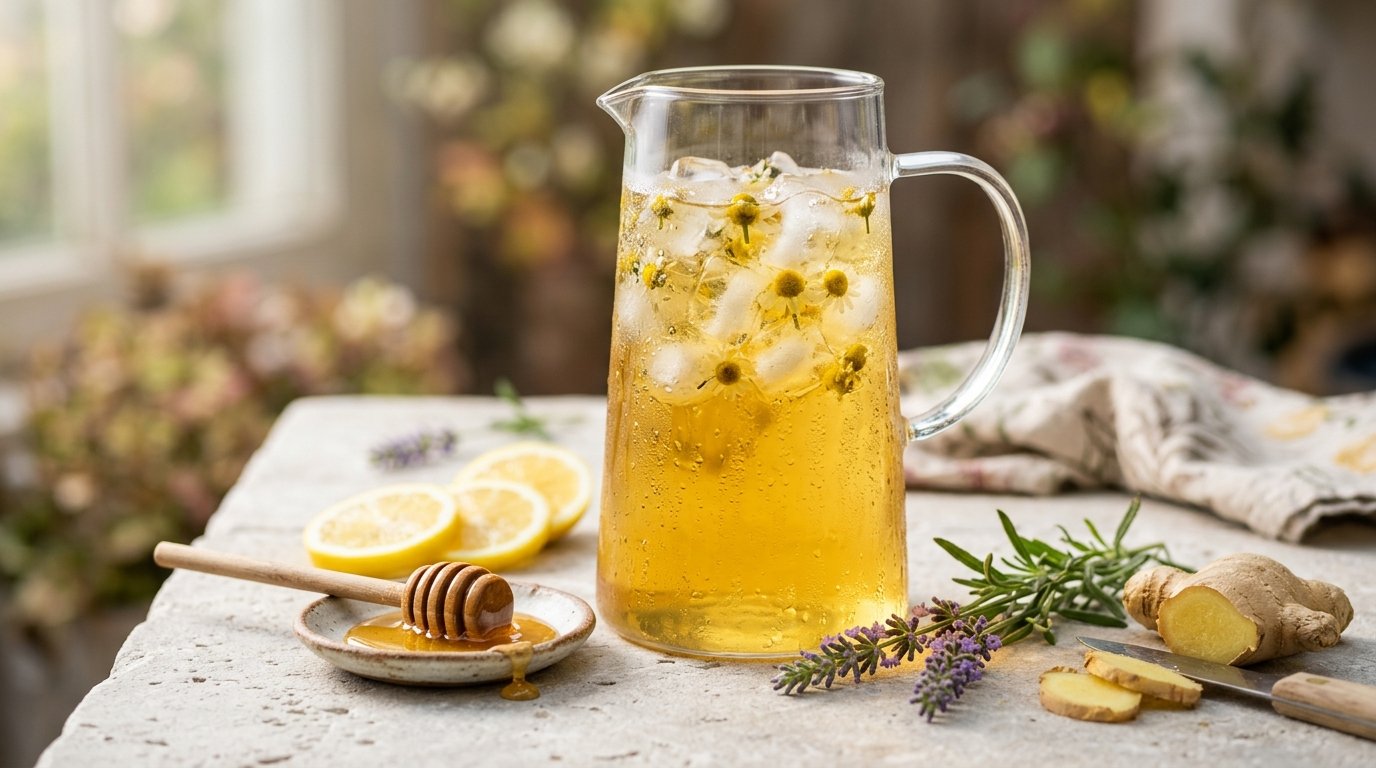
Cold-Brew Iced Chamomile: Steep 4 tablespoons of whole dried flowers in 16 ounces (475 ml) of cold filtered water inside a sealed jar in the fridge at 40°F (4°C) for 6 to 8 hours, then strain over ice with a slice of lemon.
How to Make a Creamy Evening Chamomile Tea Latte
If you crave a rich, café-style nightcap with zero caffeine, a stovetop chamomile latte takes just eight minutes:
Brew a Double-Strength Concentrate: Steep 3 tablespoons of whole dried chamomile flowers in 4 ounces (120 ml) of 205°F (96°C) water covered for 6 minutes, then strain into a warmed mug.
Warm and Froth the Milk: Heat 6 ounces (180 ml) of whole dairy milk or barista oat milk to 150°F (65°C) without boiling, then froth with a handheld whisk for 20 seconds until silky microfoam forms.
Sweeten and Pour: Stir 1 teaspoon of honey and a drop of vanilla extract into the hot chamomile concentrate, pour the frothed milk over the top, and dust with ground Ceylon cinnamon.
Frequently Asked Questions About Brewing Chamomile Tea
Should You Boil Chamomile Flowers Directly in a Pot of Water?
No, you should never boil chamomile flowers over an active burner. Simmering delicate blossoms at a rolling 212°F (100°C) boil drives off volatile alpha-bisabolol essential oils into the room and breaks down the flower receptacles, leaving a flat, bitter decoction. Always heat the water first, turn off the heat, and pour it over the flowers in a covered vessel.
Can You Steep Chamomile Tea Too Long?
It depends on the flower grade. Tea bags filled with crushed fannings and stem dust turn bitter if steeped past 4 to 5 minutes. Whole loose German chamomile flower heads can steep covered for 10 minutes to create a rich, golden evening infusion without turning harsh, provided you do not squeeze the wet blooms when straining.
How Many Cups of Brewed Chamomile Tea Can You Drink a Day?
Most healthy adults enjoy 1 to 3 cups of freshly brewed chamomile tea daily, either after meals for digestion or 45 to 60 minutes before sleep. People with allergies to plants in the Asteraceae family (such as ragweed, chrysanthemums, marigolds, or daisies) should avoid chamomile or consult a physician first.
Does Steeping Time Affect Whether Chamomile Tea Has Caffeine?
No. Pure chamomile is an herbal tisane made from the blossoms of Matricaria chamomilla rather than the leaves of the Camellia sinensis tea plant. Whether you steep the flowers for 3 minutes or 12 minutes, pure chamomile tea remains 100 percent caffeine-free.
Conclusion: Mastering Your Daily Chamomile Ritual
Knowing how to brew chamomile tea properly turns a simple pantry staple into one of the most rewarding herbal infusions you can pour. Once you switch from uncovered boiling-water tea bags to whole dried blossoms steeped under a lid at 200°F to 205°F (93°C to 96°C), harsh grassy notes disappear in favor of honeyed orchard apple and silky warmth.
Quick Checklist for Your Next Cup
Choose whole yellow flower heads (Egyptian or Croatian German chamomile) whenever possible for the highest essential oil content.
Measure generously: use 1.5 to 2 tablespoons of whole dried flowers (or 3 to 4 tablespoons of fresh garden blooms) per 8 ounces of water.
Cover your mug or teapot immediately during the 5 to 7 minute steep so fragrant steam droplets condense back into your cup.
Where to Go Next on Your Herbal Tea Journey
Tonight, grab a small saucer to cover your favorite mug, measure out two full tablespoons of whole blossoms, and taste the difference that trapped aromatics make. When you are ready to explore more soothing caffeine-free infusions.
Medical & Wellness Disclaimer: The content published on Tea World is for educational and informational purposes only and is not intended as medical advice, diagnosis, or treatment. Always consult a qualified physician or healthcare provider before using herbal infusions or botanical supplements, especially if you are pregnant, nursing, taking prescription medications, or managing an existing health condition.
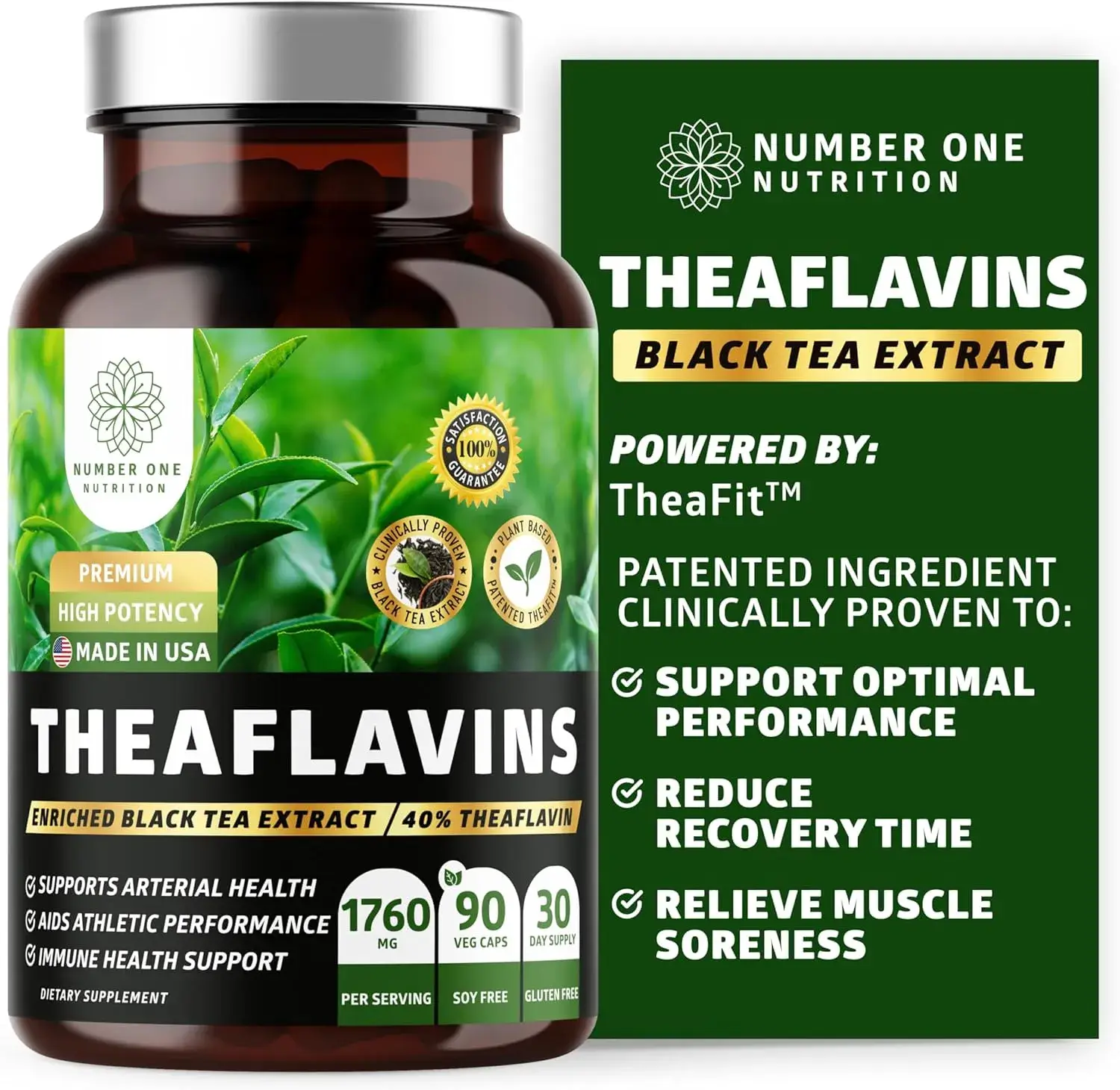
Black Tea Extract that is rich in natural theaflavins and polyphenols that help protect your body from free radicals, promoting overall immune health and well-being
Contains blended amounts of Fruits and Veggies. All natural, with whole foods, fruit and vegetable supplement.Perfect for everyone looking to live a healthier lifestyle.