Ever wonder if your morning cup could taste like a luxury cafe brew without the long wait? Many people struggle to balance a busy schedule with the desire for a rich, satisfying beverage.
Learning how to make tea using milk powder is a total game-changer for your hectic mornings. This simple method transforms basic pantry staples into a creamy, professional-grade drink in mere seconds.
These quick tea recipes are perfect for those who crave comfort without the extra effort. By mastering this technique, you ensure that every sip is smooth, flavorful, and ready exactly when you need it most.
Key Takeaways
Discover the secret to achieving a creamy, cafe-style texture at home.
Save valuable time during your busy morning routine with efficient brewing methods.
Learn why dry dairy is a superior pantry staple for instant flavor enhancement.
Master the art of balancing simple ingredients for maximum satisfaction.
Enjoy professional results without needing expensive equipment or complex steps.
Understanding the Benefits of Using Milk Powder for Tea
Discover why milk powder is a game-changer for your daily tea ritual. It turns a simple cup into a luxurious experience. The milk powder tea benefits are why it’s loved worldwide for brewing at home.
Why Milk Powder is a Pantry Essential
Keeping milk powder in your kitchen is a big plus. It’s incredibly shelf-stable. Unlike fresh dairy, it doesn’t need refrigeration and lasts for months.
This means you’re always ready to make a creamy tea recipe whenever you want. It’s a reliable staple that keeps your pantry ready for guests or quiet mornings. Having a long-lasting dairy alternative is a big comfort.
Comparing Fresh Milk vs. Milk Powder in Tea
Fresh milk and milk powder differ in texture and concentration. Milk powder gives a richer mouthfeel because it’s more concentrated. This lets you adjust the drink’s thickness to your liking.
The table below shows why many prefer powder for their tea:
Feature
Fresh Milk
Milk Powder
Shelf Life
Short (Days)
Long (Months)
Texture
Light/Fluid
Rich/Creamy
Storage
Refrigerated
Pantry/Dry
Choosing powder means you get a consistent result every time. You don’t have to worry about fresh milk diluting your tea’s flavor. These milk powder tea benefits make it easy to create the perfect creamy tea recipe.
Essential Ingredients and Equipment You Will Need
Starting your journey to a creamy, café-style drink is easy. Choose high-quality ingredients and the right tools. This way, you can easily make a professional tea brewing experience at home.
Selecting the Right Type of Milk Powder
The secret to a smooth cup is in the quality of your milk. Look for the best milk powder for tea that dissolves well. This ensures a smooth drink without any grit.
For a rich, velvety texture, choose whole milk powder. It’s like fresh cream. If you’re watching calories, skimmed milk works too. Just use a bit more to get the same taste.
Choosing Your Favorite Tea Leaves or Bags
Not all teas go well with milk. So, pick wisely. Strong teas like Assam or Ceylon are ideal candidates. They stand up to the creamy milk.
For a lighter taste, try Earl Grey or a robust breakfast blend. Make sure your tea is fresh. The aromatic oils in the leaves add depth and balance the milk’s sweetness.
Tools for a Perfect Brew
The right tea brewing equipment makes brewing easier. A small handheld milk frother is key. It helps avoid clumps and creates a smooth foam.
Also, a fine-mesh strainer is a must for loose-leaf tea. It ensures a clean pour. With these tools, you’re ready to make a consistently delicious cup every time.
Step-by-Step Guide on How to Make Tea Using Milk Powder
Follow this tea preparation guide to make your daily tea a creamy delight. Learning how to make tea using milk powder means you’ll never run out of fresh dairy. These simple steps will help you find the perfect balance of tea flavor and creamy sweetness.
Preparing the Tea Base
The secret to a great cup is a strong initial brew. Use a bit more tea than usual to match the milk’s richness. Boil your water until it’s rolling, then pour it over your tea to get those deep flavors.
Mixing the Milk Powder for a Smooth Texture
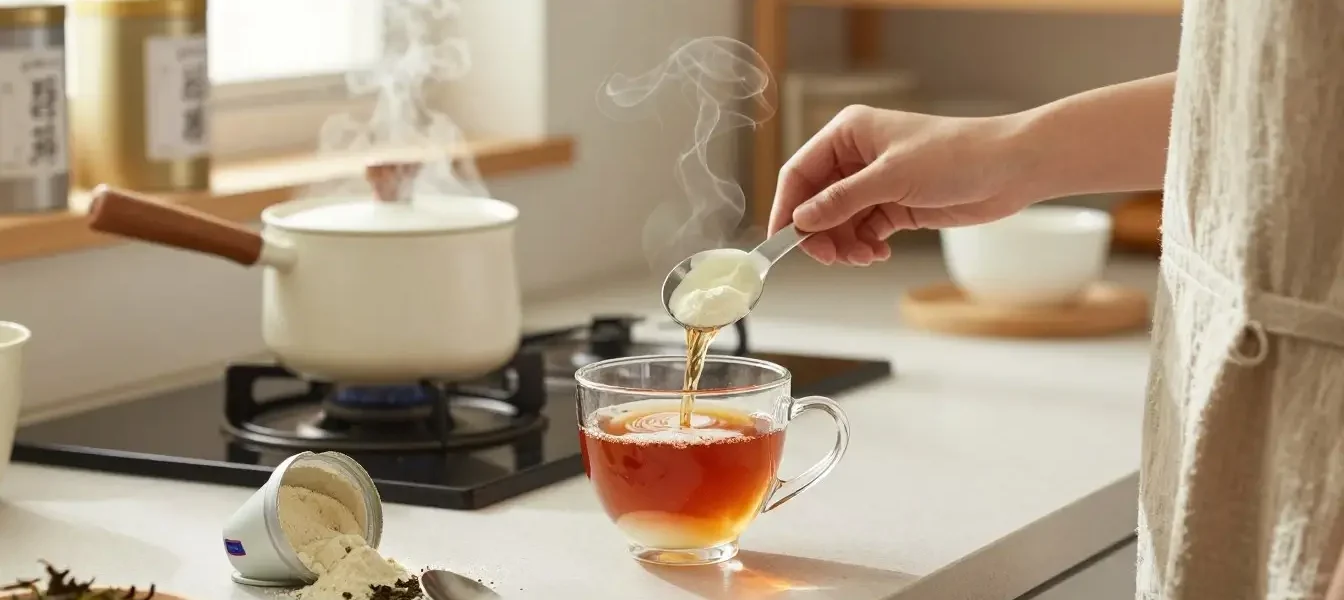
To avoid lumps, mix the milk powder with a bit of warm water first. Make a smooth paste in a separate cup. Stir well until it’s creamy, then add it to your tea.
Combining and Steeping for Optimal Flavor
When your tea base is ready, slowly add the milk mixture while stirring. This blends the flavors without separating. Let it steep for a minute to mix the richness of the milk with the tea, making a balanced drink.
Component
Recommended Amount
Purpose
Tea Leaves
1.5 Teaspoons
Provides the base flavor
Milk Powder
2 Tablespoons
Adds creamy texture
Hot Water
8 Ounces
Acts as the brewing medium
Steep Time
3-5 Minutes
Ensures flavor extraction
This tea preparation guide makes it easy to improve your tea-making skills. Now, you can enjoy a delicious cup every morning with how to make tea using milk powder.
Techniques for Achieving the Perfect Creamy Consistency
Creating a luxurious, velvety texture in your tea is easy with a few simple steps. It’s not just about the quality of the powder. How you mix it into your brew is key. By paying attention to these details, you can turn your tea into a café-style treat.
Preventing Clumping in Your Tea
Finding undissolved bits of powder in your tea can be frustrating. To avoid clumping in tea, don’t dump the powder into hot water. Use the tempering method for a smooth blend.
Create a paste by mixing the powder with a tiny amount of room-temperature water first.
Stir vigorously until the mixture is completely smooth and free of lumps.
Slowly add your hot tea base to this concentrated mixture while stirring constantly.
Adjusting the Ratio of Powder to Water
Finding your ideal milk powder tea ratio is a matter of taste. Some like it light, while others prefer it thick. Start with one tablespoon of powder per eight ounces of water.
If it’s too thin, add half-teaspoon increments of powder. Keep a small notebook to track your favorite measurements. This way, you can make your perfect cup every time.
Temperature Control for Better Dissolution
The temperature of your liquid is key for dissolving milk powder in tea. Boiling water can make the milk proteins denature, leading to a grainy texture. On the other hand, cold water prevents the powder from dissolving properly.
Aim for a water temperature between 160°F and 175°F for the best results. This range ensures the powder hydrates fully without affecting the tea’s flavor. Consistent temperature control is the secret to a professional-grade finish.
Flavor Enhancements and Variations
Ready to try something new? These tea flavor variations will make you see milk powder tea in a whole new light. Mastering the basic recipe is just the start. With a few extra ingredients, you can turn a simple drink into a unique masterpiece.
Adding Spices for Masala Chai Style
Making masala chai with milk powder is a fun way to spice up your day. Start by adding aromatic whole spices to your water. Then, add your tea leaves and milk powder.
Here are some warming spices to try:
Cardamom pods for a floral, citrusy taste.
Freshly grated ginger for a spicy kick.
A small stick of cinnamon for deep, woody warmth.
A pinch of black pepper for a bolder finish.
Sweetening Your Tea Naturally
Looking for ways to sweeten tea naturally? You don’t have to stick to refined white sugar. There are many other options that complement the creamy texture of milk powder.
Here are some alternatives to try:
Honey: Adds a rich, floral depth that pairs beautifully with black tea.
Maple Syrup: Provides a subtle, earthy sweetness that works well in spiced blends.
Agave Nectar: A neutral option that dissolves quickly without altering the tea’s primary flavor profile.
Experimenting with Different Tea Varieties
Don’t limit yourself to standard black tea bags. Different tea bases can completely change your daily cup into a unique experience.
Here are a few varieties to try:
Earl Grey: The bergamot notes create a sophisticated, citrus-forward latte.
Oolong: Offers a complex, toasted flavor that balances the creaminess of the milk powder.
Rooibos: A caffeine-free alternative that provides a naturally sweet, nutty base.
Common Mistakes to Avoid When Brewing with Milk Powder
Making a perfect cup of tea is easy once you avoid common mistakes. Even tea lovers can make errors that change the taste and feel of their tea. Paying attention to your brewing process ensures every cup is top-notch.
Avoiding Over-Boiling the Milk Mixture
One big mistake is boiling the milk too long. Excessive heat can give the milk a scorched or burnt flavor. This ruins the tea’s delicate taste.
To avoid this, heat your liquid gently. When it simmers lightly, take it off the heat. This keeps the milk creamy and sweet.
Managing the Strength of the Tea
Getting the tea’s strength right is key. Too much powder makes the tea thick and cloying. Too little makes it thin and watery.
Always measure your milk powder tea ratio carefully. Start with a standard amount and adjust as needed. This way, you avoid guessing during brewing.
Proper Storage of Milk Powder to Maintain Freshness
Many forget the importance of storing ingredients properly. Knowing how to store milk powder right is key to keeping it fresh.
Keep your powder in an airtight container in a cool, dry spot. This simple step keeps your milk powder fresh and ready for brewing.
Adapting the Recipe for Iced Tea
Making a cold version of your favorite creamy tea is a great way to stay cool in summer. You can turn your hot brew into a tasty iced tea with milk powder. This keeps the flavor rich, so you can enjoy it all year.
Creating a Concentrated Base
To keep your drink flavorful, brew a concentrated base. Use half the water you normally would, but keep the tea leaves or bags the same. This makes sure your tea doesn’t taste watered down when the ice melts.
After steeping your tea, mix in the milk powder while it’s hot. This is a quick way to get a creamy texture without waiting. The heat dissolves the powder smoothly, making a great base for your cold drink.
Cooling and Diluting Properly
Cooling your mix right is key to avoid grainy milk powder. Let it sit at room temperature for a few minutes before chilling it. Never add ice to hot concentrate, as it can mess up the texture.
Once it’s cooled, pour it over ice in a glass. This keeps your drink creamy and smooth. These steps are easy to follow, even on busy days.
Serving Suggestions for Refreshing Results
How you serve your iced tea with milk powder matters. Try adding vanilla extract or cinnamon for extra flavor. A tall glass with a fancy straw makes it feel like a cafe drink.
Experiment with honey or agave to make it even more refreshing. Serve your tea right after adding ice for the best taste. Enjoy it on a sunny afternoon for the perfect treat.
Enjoying a creamy cup of tea? It’s good to know about the nutritional value of milk powder. Knowing what you drink helps you choose better for your health. This way, you can enjoy the milk powder tea benefits that fit your daily life.
Understanding the Nutritional Profile of Milk Powder
Milk powder is packed with important nutrients. It has lots of protein, calcium, and vitamins, just like fresh milk. Because it’s concentrated, it has more nutrients per gram than liquid milk.
Here’s a quick look at what’s in standard whole milk powder per serving. Remember, these amounts can change a bit depending on the brand you pick.
Nutrient
Typical Amount
Health Benefit
Protein
8g
Supports muscle repair
Calcium
280mg
Promotes bone health
Fat
8g
Provides sustained energy
Carbohydrates
12g
Quick fuel for the body
Dietary Adjustments for Different Needs
Maybe you need to change your ingredients for health reasons. Luckily, there are many plant-based powdered alternatives like soy, almond, or coconut milk powders. These let you enjoy creamy tea without dairy.
Want to watch your calories? You can adjust how much powder you use. Trying different amounts helps you get the most nutritional value of milk powder while keeping your tea tasty. Small changes can make a big difference in your health and diet.
Troubleshooting Your Tea Brewing Process
If your morning tea doesn’t taste right, don’t worry. Most brewing mistakes are simple to fix. Even with the best milk powder for tea, small errors can occur. This tea troubleshooting guide will help you find and fix common problems fast. So, you can enjoy every cup without waste.
Fixing a Bitter or Over-Steeped Cup
Bitterness happens when tea steeps too long or water is too hot. If your tea is too harsh, adding a bit of hot water can help. This balances the tannins and softens the flavor.
If bitterness stays, try honey or maple syrup. These sweeteners cover up the bitter taste, making the tea smoother. Remember, small changes in steeping time can make a big difference.
Correcting Texture Issues
Texture problems often come from bad mixing or cold water. To avoid clumping in tea, mix milk powder into warm liquid while whisking hard. A small frother can make your tea silky and smooth.
If you see lumps, don’t worry. Strain the tea through a fine-mesh sieve to get rid of them. This fix keeps your tea creamy and enjoyable.
Adjusting Flavor Profiles on the Fly
At times, your tea might seem flat or lacking depth. Adding a pinch of cinnamon, cardamom, or ginger can fix this. These spices add warmth and depth without needing to start over.
If your tea is too thin, whisk in more milk powder. Add a little at a time to control the texture. These tweaks let you tailor every cup to your liking.
Common Issue
Primary Cause
Quick Solution
Bitter Taste
Over-steeping
Add hot water or sweetener
Powdery Lumps
Improper mixing
Use a sieve or whisk
Thin Consistency
Low powder ratio
Add more milk powder
Flat Flavor
Lack of spices
Add cinnamon or ginger
Conclusion
Making your daily tea ritual better is easy with the right steps. This guide shows you how to make a delicious tea with common ingredients like Carnation or Nestlé milk powder.
You can now tweak the tea’s taste to your liking. Whether you like a strong masala chai or a cool iced tea, your kitchen is set for fun.
Try out different teas and spice mixes to create your own special drink. With this guide, every cup of tea will be perfect. Enjoy making your favorite warm drink at home whenever you want.
Why should you keep milk powder in your pantry for your morning tea?
Keeping a high-quality brand like Nestlé Nido or Peak Milk Powder ensures you never run out of dairy when you are craving a creamy beverage. It offers a consistent texture and a rich mouthfeel that fresh milk sometimes lacks. Plus, it is shelf-stable, meaning it won’t spoil in your fridge.
It is a pantry essential for anyone who wants a cafe-style drink without a trip to the store.
How do you prevent milk powder from clumping in your hot tea?
To achieve a smooth consistency, temper your powder. Mix it with a small amount of warm liquid to create a thick paste first. Once the lumps are gone, slowly stir in the rest of your brewed tea.
Using a Zulay Kitchen handheld frother can also help you achieve a professional, clump-free finish.
Can you use milk powder to make a traditional Masala Chai?
Absolutely! You can elevate a standard cup of Lipton Yellow Label or Wagh Bakri tea by adding aromatic spices like cardamom pods, fresh ginger, and cinnamon sticks. The concentrated nature of milk powder provides the heavy, velvety body that a traditional Masala Chai requires.
Making your home kitchen feel like an authentic chai stall.
What is the best way to store your milk powder to keep it fresh?
To prevent moisture absorption and preserve the delicate flavor, store your powder in an airtight container. Use a Rubbermaid Brilliance jar or an OXO Good Grips Pop Container. Keep it in a cool, dark place away from the stove.
Ensure your brewing journey remains delicious and the powder stays free-flowing for months.
Is it possible to make a refreshing iced tea using milk powder?
Yes, you can transition your favorite drink for warmer weather! First, brew a concentrated tea base using a robust brand like Twinings of London English Breakfast. Ensure the flavor isn’t diluted.
Once you have dissolved your milk powder into the hot concentrate, allow it to cool to room temperature before pouring it over ice. This prevents the mixture from becoming grainy or separating when it hits the cold cubes.
Are there healthy or dairy-free alternatives to traditional milk powder?
If you have specific dietary needs, you can easily swap standard dairy for options like Anthony’s Coconut Milk Powder or BetterThanMilk Vegan Soy Powder. These alternatives provide a boost of calcium and protein while catering to a plant-based lifestyle or those who are lactose-intolerant.
Allowing everyone to enjoy a satisfying beverage.
How can you fix a cup of tea that tastes too bitter or strong?
Bitterness usually happens if you over-steep your tea leaves, such as Bigelow Earl Grey, for more than five minutes. You can troubleshoot this quickly by adding an extra spoonful of creamy milk powder to mellow out the tannins.
Alternately, adding a small amount of Nature Nate’s Raw Honey or Vermont Maid Maple Syrup can help balance the flavor profile with natural sweetness.
What equipment do you need for the perfect blend?
While a simple spoon works, you will get the best results with a small stainless steel whisk or a Vitamix immersion blender. These tools ensure that the milk solids are fully integrated into the liquid tea.
Creating a frothy top and a luxurious texture that mimics a high-end latte from a specialty coffee shop.
Black Tea Extract that is rich in natural theaflavins and polyphenols that help protect your body from free radicals, promoting overall immune health and well-being
Contains blended amounts of Fruits and Veggies. All natural, with whole foods, fruit and vegetable supplement.Perfect for everyone looking to live a healthier lifestyle.