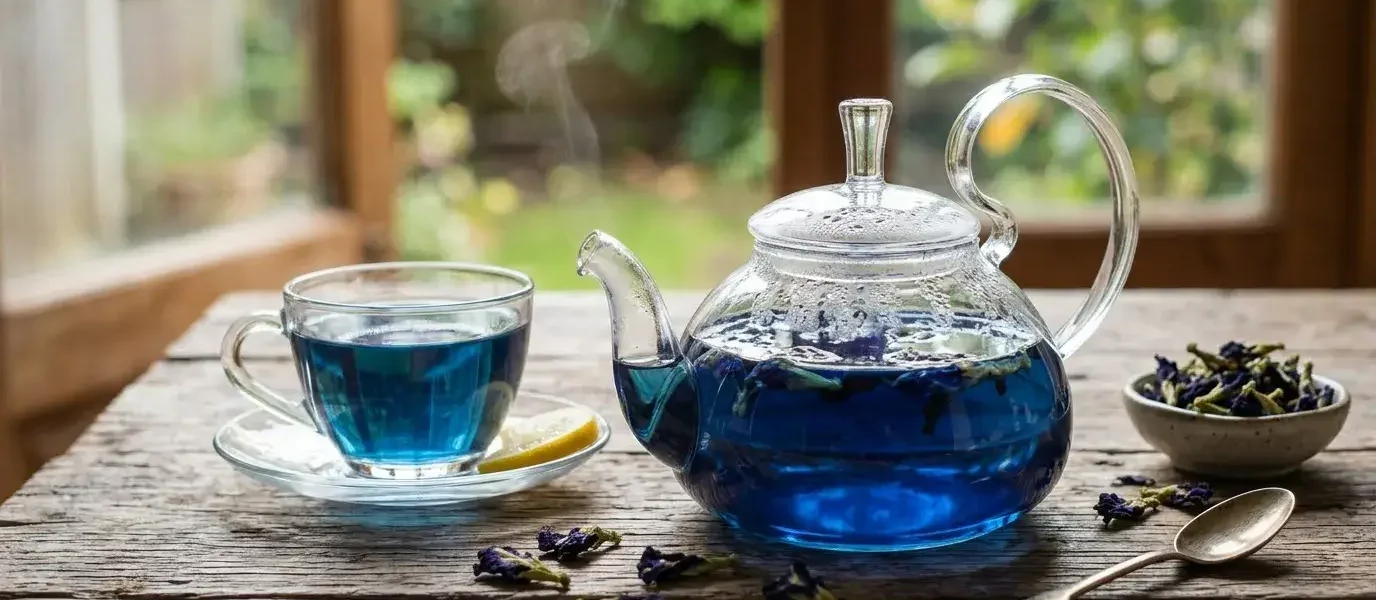
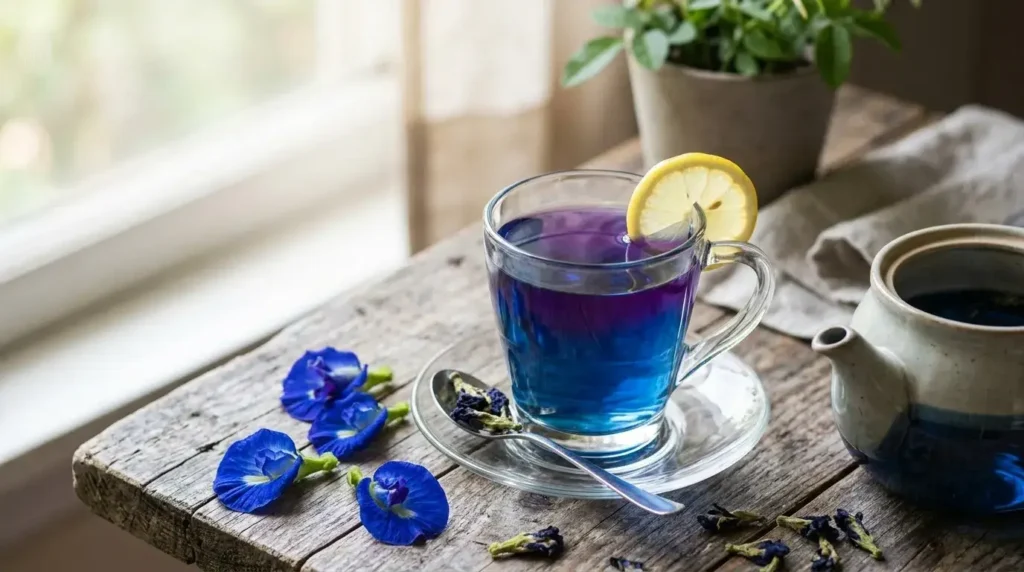
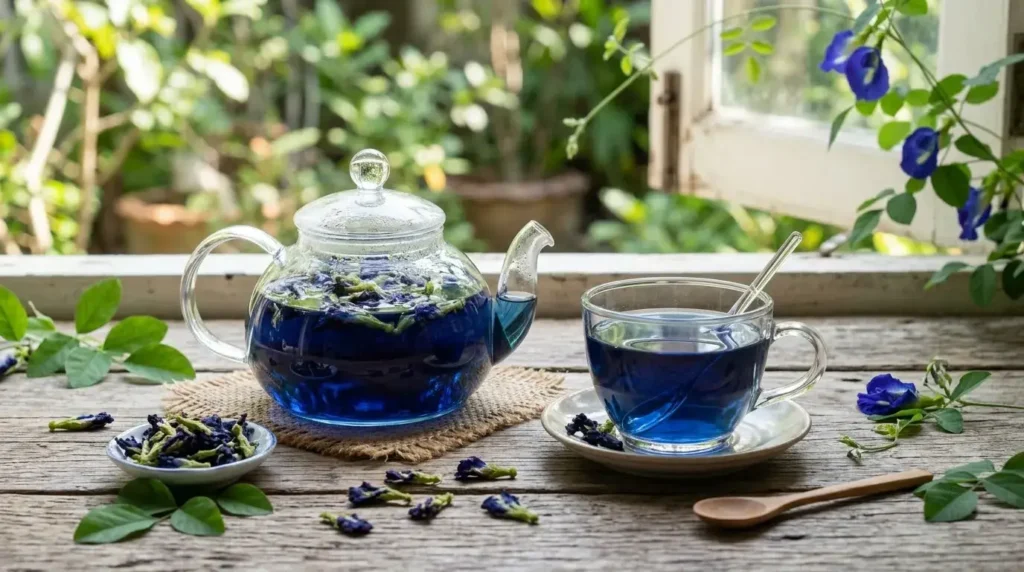
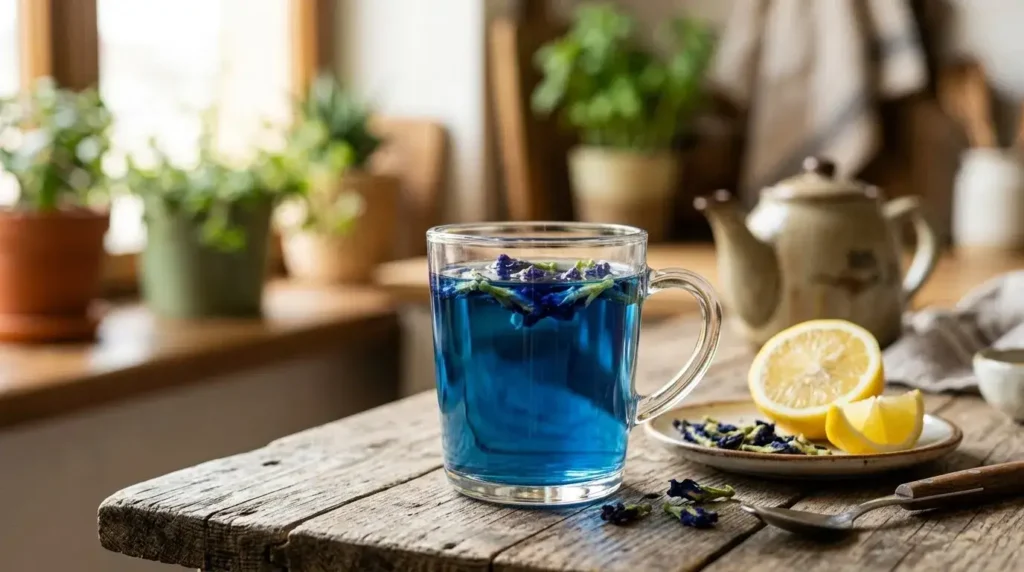
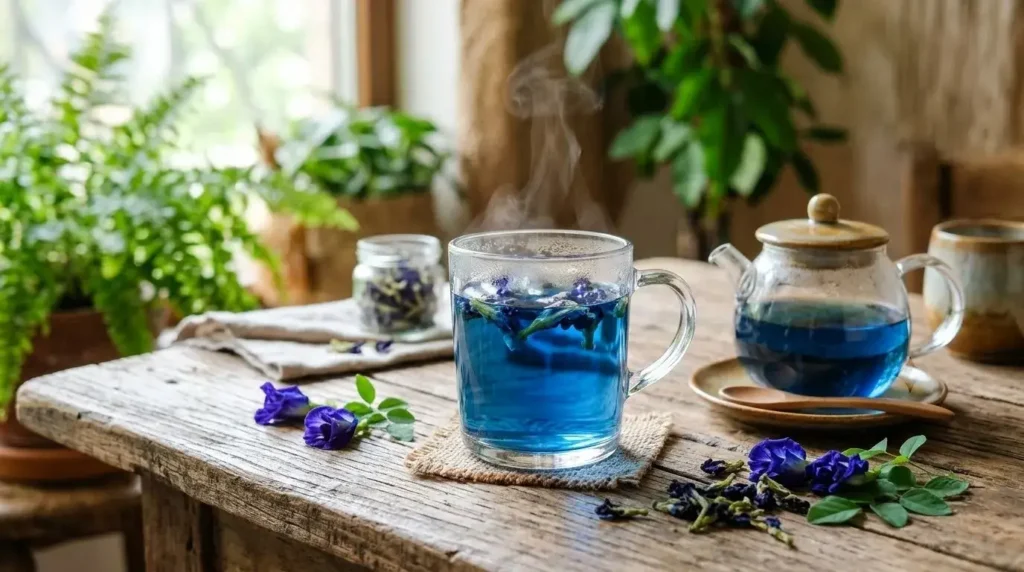
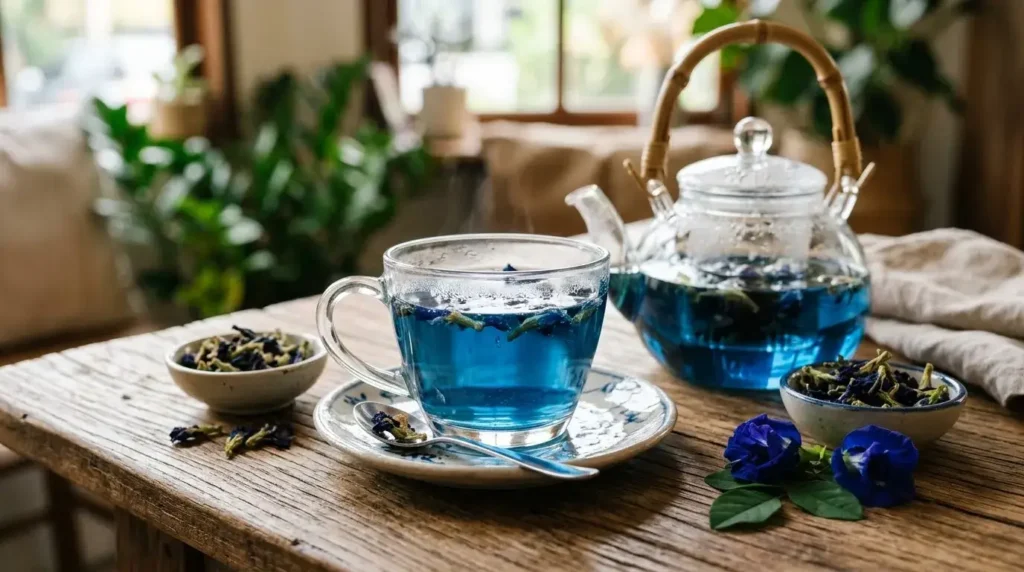
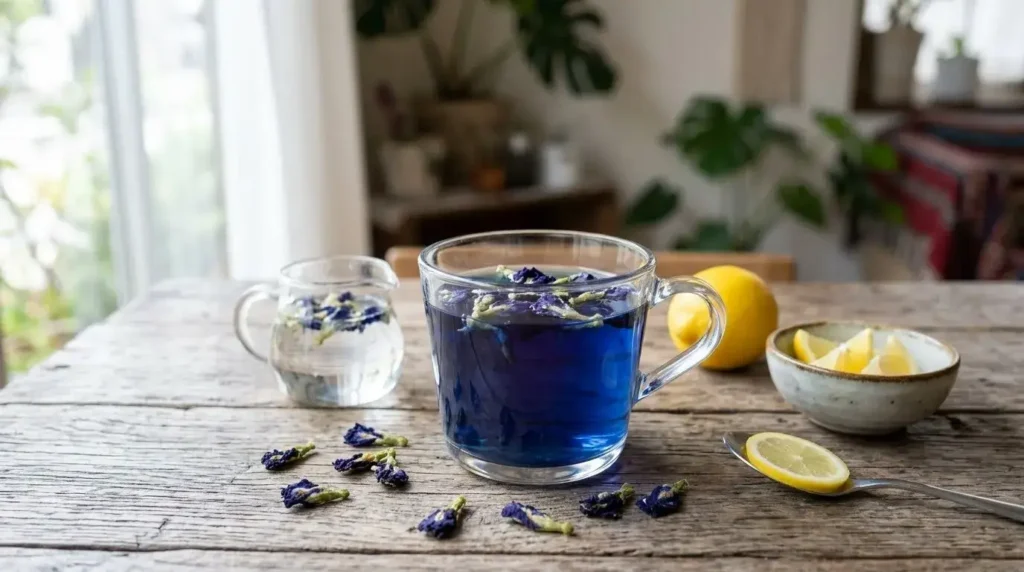
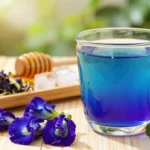
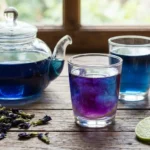
Few drinks look as magical as butterfly pea flower tea. Pour hot water over a handful of dried blue petals and you get a deep, glowing indigo drink. Squeeze in some lemon and it shifts to vivid violet before your eyes.
But the color is only part of the story. Made from the flowers of Clitoria ternatea, a climbing plant native to Southeast Asia, this caffeine-free herbal tea has been sipped for generations in Thailand, Vietnam, Malaysia and India. Today, more women are adding it to their daily routines, and many are searching for butterfly pea flower tea benefits for women in particular.
In this guide, you’ll find the five most talked-about benefits, an honest look at what the research does and doesn’t show, simple ways to brew it, and a clear safety section so you can decide whether it belongs in your cup.
Why the focus on women? Women’s wellness needs shift through the seasons of life, from busy careers and hormonal changes to caregiving, pregnancy and beyond. A gentle, caffeine-free, low-calorie drink that supports hydration, self-care rituals and antioxidant intake naturally appeals to many women looking for simple upgrades to their daily routine.
Quick note: this article is for general education only. It isn’t medical advice, and herbal tea is not a substitute for care from your doctor.
Benefit #1: Antioxidants That Support Healthy, Glowing Skin
The rich blue color of the petals comes from anthocyanins, a family of plant pigments that also show up in blueberries, red cabbage and purple grapes. Anthocyanins act as antioxidants, which means they help neutralize free radicals, the unstable molecules linked to everyday cellular wear and tear.
Why antioxidants matter for skin
Sun exposure, pollution, stress and a poor night’s sleep all increase oxidative stress in the body. Over time, that stress is associated with dull tone, uneven texture and visible signs of aging. A diet rich in antioxidant-containing foods and drinks is one small way to support your skin from the inside.
What the research actually says
Most of the evidence for butterfly pea’s skin benefits comes from laboratory studies on the flower’s extracts, and extracts are far more concentrated than a cup of tea. That’s why butterfly pea extract also appears in some skincare products. A cup of tea is best seen as a pleasant, hydrating addition to a skin-friendly lifestyle, not a replacement for sunscreen, moisturizer or a balanced diet.
Hydration: Drinking enough fluid helps skin look plump and healthy, and a flavorful tea makes it easier to reach your daily goal.
Sugar-free sipping: Swapping a sweetened drink for unsweetened tea cuts down on added sugar, which is often linked to skin flare-ups.
Eye support: Anthocyanins are also studied for eye health, which is one reason the tea is popular in traditional wellness routines.
Simple habits to pair with your tea
Skin responds best to consistency. Combine your daily cup with sunscreen, gentle cleansing, plenty of colorful fruits and vegetables, and enough sleep. Together, these habits do far more than any single ingredient could, and a warm cup of tea makes the routine feel less like a chore and more like self-care.
Benefit #2: Support for Healthier-Looking Hair
In parts of Asia, butterfly pea flower has long been used in hair care. Women have traditionally used the flower as a rinse or in homemade hair masks, hoping for shinier, softer, stronger-looking hair.
The traditional use
The tradition is well documented, and the flower’s antioxidants and flavonoids are the likely reason it earned its reputation. Some early laboratory and animal studies on Clitoria ternatea extracts have also explored effects on hair growth, but that research is preliminary. Strong human trials are still missing.
A realistic way to try it
If you’re curious, there’s no harm in a gentle DIY approach, as long as you do a patch test first.
Brew a strong cup of tea and let it cool completely.
After shampooing, pour it slowly over your scalp and hair.
Leave it in for a few minutes, then rinse with cool water.
Hair health also depends on protein, iron, vitamin D, sleep and stress levels. If you’re noticing sudden or heavy shedding, speak with a healthcare professional rather than relying on a tea rinse.
Benefit #3: A Calming, Caffeine-Free Ritual for Stress Relief
Many women juggle work, family, caregiving and everything in between. A moment of calm can feel like a luxury, and that’s where butterfly pea flower tea shines.
No caffeine, no jitters
Unlike black tea, green tea or coffee, butterfly pea flower tea is naturally caffeine-free. That makes it a gentle choice for the afternoon or evening, and for women who are sensitive to caffeine or trying to cut back on it. Because it won’t stimulate you, it fits neatly into a wind-down routine before bed.
Traditional calming use
In Ayurvedic tradition, butterfly pea has been used as a brain and mood-supporting herb. A few animal studies suggest its extracts may have calming or anxiety-reducing effects, but human research is limited, so it’s fair to call this a promising tradition rather than a proven treatment.
Still, never underestimate the ritual itself. Slowly brewing a cup, watching the color swirl and sipping something warm can lower the pace of your day. For many women, that mindful pause is where the real stress relief happens.
Build an evening wind-down routine
Try pairing your tea with a few other calming habits. Dim the lights, put your phone in another room, stretch for five minutes or write down tomorrow’s to-do list before you sip. Repeating the same small steps each night trains your body to recognize it’s time to slow down, and the tea becomes a comforting cue.
Benefit #4: Helps Support Balanced Blood Sugar and Healthy Weight Goals
Blood sugar balance matters to women at every stage of life, from managing energy dips to supporting long-term metabolic health. Butterfly pea flower has attracted research interest here.
What early studies suggest
In a small human study, healthy volunteers who had butterfly pea flower extract with a sugary drink showed lower rises in blood sugar and insulin after drinking it than those who didn’t. It’s an encouraging result, but it was a small study, it used an extract instead of a regular cup of tea, and the participants were healthy men. Larger studies with women are still needed.
Where weight management fits in
Butterfly pea flower tea is not a fat burner, and no tea will melt away weight on its own. What it can do is support healthy habits:
It contains virtually no calories when served plain.
Its naturally floral, slightly earthy flavor can satisfy the urge for a “special” drink without added sugar.
Sipping a warm cup after meals can become a helpful replacement for a habitual dessert or sweet snack.
A practical tip is to keep your tea unsweetened or lightly sweetened. Adding several spoonfuls of sugar cancels out the benefit of choosing a calorie-free drink in the first place. If you need sweetness, a small drizzle of honey or a few slices of fruit steeped in the pot can go a long way.
Important: if you take medication for diabetes or blood sugar, or you have a condition such as PCOS or insulin resistance, talk to your doctor before making butterfly pea tea a regular habit. It may add to the effect of your medication.
Benefit #5: Anti-Inflammatory and Everyday Immune Support
Chronic, low-grade inflammation is linked to many long-term health concerns, and antioxidant-rich foods are often recommended as part of an anti-inflammatory lifestyle. Butterfly pea flower contains flavonoids and anthocyanins that have shown anti-inflammatory and antimicrobial activity in laboratory settings.
Setting the right expectations
Lab findings don’t automatically translate into results in the body. Drinking butterfly pea flower tea won’t prevent illness, and it can’t treat infections or inflammatory conditions. Think of it as one small, tasty part of a broader routine that includes balanced meals, movement, sleep and regular checkups.
Make it a wellness-boosting blend
You can pair the tea with other everyday ingredients to make it even more satisfying:
Lemon or lime: adds vitamin C and turns the tea a beautiful purple.
Fresh ginger: gives a warm, spicy kick that many people enjoy when they feel run down.
Honey: adds a little natural sweetness if you need it.
Mint or lemongrass: brightens the flavor and makes it even more refreshing.
How to Brew Butterfly Pea Flower Tea (and Who Should Be Careful)
Brewing this tea is refreshingly simple. Dried flowers are sold at many Asian grocery stores, health food shops and online.
The basic recipe
Add 5 to 10 dried flowers (or about 1 teaspoon) to a cup.
Pour in about 8 ounces (240 ml) of hot, not boiling, water.
Steep for 5 to 10 minutes until the water turns a deep blue.
Strain, then add a squeeze of lemon if you want the color to shift to purple.
Easy variations to try
Variation
What you add
Best for
Iced blue lemonade
Cooled tea, ice, lemon juice
Warm afternoons
Blue latte
Strong tea and warm milk or plant milk
A cozy, creamy treat
Ginger-honey blend
Fresh ginger slices and a little honey
Cooler days
Mint cooler
Fresh mint and cold water
Hydration on the go
Buying and storing tips
Look for whole, dried flowers that are a rich, even blue or blue-purple color, with no dark spots, dust or musty smell. Organic options are a good choice when you can find them, since you’re steeping the whole flower in your cup. Check the label to make sure the product contains only butterfly pea flowers, with no added flavors or fillers you don’t want.
Store the flowers in an airtight container away from sunlight, heat and moisture. Kept well, they usually stay fresh for several months, and you’ll notice the color fade if they’ve been sitting too long. You can also brew a large batch, refrigerate it, and enjoy it cold within a day or two.
Who should be cautious
Butterfly pea flower tea is generally considered safe when enjoyed in normal food and drink amounts, but a few groups should be more careful:
Pregnant women: Safety data is limited, and some traditional sources caution against its use during pregnancy. It’s wise to skip it or ask your doctor first.
Breastfeeding mothers: There isn’t enough research, so check with your healthcare provider.
Women taking medication: Especially medicines for blood sugar or blood pressure.
Anyone with an upcoming surgery: Blood sugar effects could matter, so let your care team know.
Some people report mild stomach upset, nausea or diarrhea, particularly with large amounts. Start with one cup and see how your body responds.
Frequently Asked Questions About Butterfly Pea Flower Tea Benefits for Women
How much butterfly pea flower tea can I drink per day?
There’s no official recommended amount. Most people enjoy one to three cups a day. Begin with a single cup, notice how you feel, and increase slowly if you like. Drinking large amounts hasn’t been well studied.
Is butterfly pea flower tea safe during pregnancy?
There isn’t enough reliable safety research, and traditional sources advise caution, so most experts suggest avoiding it or checking with your doctor first. The same goes for breastfeeding.
Can butterfly pea flower tea help me lose weight?
Not on its own. It’s a calorie-free drink that can replace sugary beverages and support healthy habits, and early research on blood sugar is interesting. But sustainable weight management still comes down to food, activity, sleep and stress.
What does butterfly pea flower tea taste like?
It has a mild, earthy, slightly woody flavor, often compared to a very gentle green tea without the bitterness. Because the taste is subtle, it pairs well with lemon, honey, mint and ginger.
Why does the tea change color?
The anthocyanin pigments react to acidity. Plain tea is deep blue, a little lemon or lime juice turns it purple, and more acid pushes it toward pink. It’s a fun science trick and totally natural.
When is the best time to drink it?
Because it has no caffeine, you can enjoy it any time of day. Many women like it in the evening as a calming ritual, or chilled in the afternoon as a refreshing alternative to soda.
Conclusion
Butterfly pea flower tea is beautiful, caffeine-free and packed with plant antioxidants. For women, the most talked-about benefits include support for glowing skin, healthier-looking hair, a calming daily ritual, balanced blood sugar habits and gentle anti-inflammatory support.
It’s important to stay realistic: much of the research comes from lab or animal studies, and results from a single cup of tea will be modest. The real value lies in what the tea replaces and encourages, such as more hydration, less added sugar and a few peaceful minutes for yourself.
If you’re not pregnant, breastfeeding or on medication that could interact, try brewing a cup this week. Start with the basic recipe, add a squeeze of lemon for the color change, and see how it fits into your routine. And if you have any health concerns, check with your doctor first.
Black Tea Extract that is rich in natural theaflavins and polyphenols that help protect your body from free radicals, promoting overall immune health and well-being
Contains blended amounts of Fruits and Veggies. All natural, with whole foods, fruit and vegetable supplement.Perfect for everyone looking to live a healthier lifestyle.