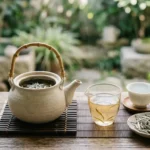
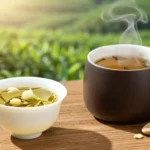
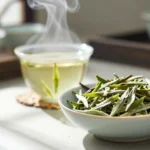
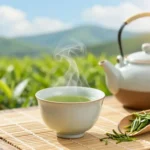
Botanical Origin: Both white tea and green tea originate from the exact same botanical species—Camellia sinensis. The differences in color, flavor, caffeine, and wellness benefits stem entirely from harvest timing and processing methods.
Processing & Oxidation: White tea is the least processed of all true teas, made strictly from immature spring buds and young leaves that are naturally air-withered and sun-dried without rolling or intense heating (~2% minor natural oxidation). Green tea is quickly pan-fired (Chinese style) or steamed (Japanese style) immediately after harvest to deactivate polyphenol oxidase enzymes, completely preventing oxidation (0% oxidation).
Flavor & Aroma: White tea yields a pale golden-yellow liquor with delicate, sweet, floral, and honeysuckle notes and zero vegetal astringency. Green tea produces a vibrant jade liquor with grassy, vegetal, seaweed-like, or toasted nutty notes and a mild, pleasant tannic bite.
Caffeine Content Comparison: On average, white tea contains 15 to 30 mg of caffeine per 8 oz cup (though young Silver Needle bud-only tea can range up to 35 mg due to dense trichomes). Green tea contains 30 to 50 mg of caffeine per 8 oz cup (with whole-leaf matcha reaching 70 mg). Both deliver significantly less caffeine than an 8 oz cup of brewed coffee (95–165 mg).
Antioxidant Profiles: White tea retains the highest concentration of total polyphenols and raw catechins because it experiences zero thermal rolling. Green tea contains the highest concentration of bioavailable Epigallocatechin gallate (EGCG), making it superior for thermogenesis and metabolic rate enhancement.
Optimal Steeping Water Temp: White tea brews best at gentle temperatures of 160°F–175°F (70°C–80°C) for 4–5 minutes. Green tea requires 175°F–185°F (80°C–85°C) for 2–3 minutes; boiling water will scorch green tea leaves and cause sharp bitterness.
White Tea vs Green Tea: Master 10-Attribute Comparison Table
To help you quickly determine which tea aligns best with your palate, caffeine tolerance, and wellness goals, review the head-to-head comparison below:
Feature / Attribute
White Tea (Bai Cha)
Green Tea (Lu Cha)
Best For / Advantage
Harvest Timing & Part
Youngest spring buds & first 2 leaves; covered in silver down (trichomes)
Mature spring, summer, or autumn leaves; buds and open leaf blades
White tea offers prized tender spring rarity
Primary Processing
Minimal: Withering and gentle sun/hot-air drying; no rolling or bruising
Thermal fixation (pan-firing or steaming), rolling, and firing
Green tea preserves vibrant chlorophyll
Oxidation Level
Minimal natural enzymatic oxidation (~1% to 2%)
0% (Oxidation halted by immediate heat denaturing enzymes)
Both are non-oxidized true teas
Caffeine per 8 oz Cup
15–30 mg (gentle, steady stimulation)
30–50 mg (moderate energy boost; matcha ~70 mg)
White tea for late day; Green tea for morning focus
Dominant Polyphenol
High total catechins & flavonoids (epicatechin, epicatechin gallate)
Concentrated EGCG (Epigallocatechin gallate)
White tea for anti-aging; Green for thermogenesis
L-Theanine Content
High (promotes serene mental tranquility)
Moderate to High (synergizes with caffeine for alert calm)
Both require sub-boiling water to avoid bitterness
Steeping Duration
4 to 5 minutes (forgiving; rarely turns bitter)
2 to 3 minutes (sensitive; over-steeping causes astringency)
White tea is far more forgiving to brew
Primary Health Specialty
Skin collagen protection, cellular anti-aging, oral health
Visceral fat burning, metabolic stimulation, cardiovascular support
Targeted wellness: Skin & longevity vs Weight loss
Introduction: The Camellia Sinensis Paradox
Tea lovers around the world often find themselves standing before a teahouse menu debating a timeless question: white tea vs green tea—what is the real difference? While both beverages originate from the exact same plant—Camellia sinensis—their journeys from the high mountain gardens of Fujian, Zhejiang, and Uji to your porcelain teacup could not be more distinct. White tea is celebrated for its ethereal lightness, whisper-soft floral sweetness, and pristine lack of processing. Green tea is renowned for its bold, grassy vigor, vibrant emerald hue, and metabolism-boosting catechins. In this comprehensive master guide, we explore the 7 definitive differences between white tea and green tea, dissect their caffeine and antioxidant chemistry, and provide precision brewing techniques so you can maximize the therapeutic benefits of every cup.
What Is White Tea? The Unprocessed Jewel
White tea leaves and silver-down buds dry naturally under filtered sunshine without rolling or pan-firing.
Historically reserved for Chinese imperial royalty during the Song Dynasty, white tea represents tea in its most untouched, elemental state. The name “white tea” does not refer to the color of the brewed liquor (which is a pale pale-champagne or soft amber), but rather to the dense, silvery-white hairs—called trichomes—that blanket the young, unopened leaf buds in early spring.
The harvest window for premium white tea is extraordinarily narrow, often spanning only a few days in late March or early April. Once plucked, the leaves undergo virtually no mechanical manipulation: no rolling, no crushing, no steaming, and no pan-firing. The tea artisans simply spread the buds across bamboo racks to wither under controlled ambient humidity and dry slowly in the sun. Major classic cultivars include Silver Needle (Bai Hao Yin Zhen), composed entirely of plump terminal buds, and White Peony (Bai Mu Dan), which pairs tender buds with one or two young green leaves.
What Is Green Tea? The Art of Enzymatic Inactivation
Freshly plucked green tea leaves undergo rapid thermal fixation to preserve rich chlorophyll and active EGCG.
While white tea is left to dry naturally, green tea is defined by a crucial craft intervention known as fixation or “kill-green” (sha qing in Chinese). Almost immediately after plucking, tea masters subject the green tea leaves to intense thermal heat. This thermal shock denatures the endogenous enzymes (specifically polyphenol oxidase and peroxidase) that would otherwise react with oxygen to turn the leaves brown, as occurs in oolong and black tea.
The method of fixation produces two distinct global styles:
Pan-Firing (Chinese Style): Leaves are roasted in dry, curved cast-iron woks (e.g., Dragon Well / Longjing, Bi Luo Chun). This imparts a toasted, nutty, chestnut-like flavor and a delicate pale-green infusion.
Steaming (Japanese Style): Leaves are exposed to high-pressure steam for 30–90 seconds (e.g., Sencha, Gyokuro, Tencha for Matcha). This preserves high chlorophyll levels, deep emerald coloring, and a deeply oceanic, grassy, savory umami profile.
White Tea vs Green Tea: The 7 Key Differences Examined
1. Processing Methods & Enzymatic Inactivation
The single most foundational difference between white and green tea is the degree of intervention. White tea undergoes only two steps: withering and gentle drying. It is never shaped, bruised, rolled, or cooked. Because the enzymes are allowed to decline gradually on their own during prolonged withering, white tea experiences a trace amount of spontaneous oxidation (~2%), yielding its warm, honeyed finish. Green tea undergoes steaming/pan-firing, mechanical rolling, and final drying. The rolling step breaks open cell walls, releasing catechins and amino acids directly to the surface so they dissolve rapidly when hot water touches the leaf.
2. Flavor & Aroma Profiles: Floral Sweetness vs Grassy Umami
On the palate, white tea is the epitome of elegance. It features gentle notes of melon, white peach, honeysuckle blossoms, cucumber, and fresh hay. It carries virtually zero astringency or bitterness, producing a light, velvety mouthfeel that leaves a lingering sweet aftertaste (hui gan). In contrast, green tea delivers a bold, crisp, vegetal presence. Depending on origin, you will encounter flavors of fresh garden peas, asparagus, marine seaweed, roasted chestnuts, and toasted grain. If brewed at high temperatures, green tea’s active tannins provide a refreshing astringency that cleanses the palate. For an in-depth look at tea pairings, check our analysis of oolong tea vs green tea benefits.
3. Caffeine Content: How Much Per Cup?
A widespread tea myth claims that white tea is naturally caffeine-free or universally lower in caffeine than all other teas. In reality, the answer is nuanced:
Standard White Tea: Contains approximately 15 to 30 mg of caffeine per 8 oz cup. Because the cell walls are intact and not rolled, caffeine dissolves into the water more slowly.
Bud-Heavy Silver Needle: Interestingly, the young terminal buds contain high natural caffeine as a defense mechanism against insects. A pure Silver Needle brewed with hot water can contain up to 35–40 mg.
Standard Brewed Green Tea: Averages 30 to 50 mg of caffeine per 8 oz cup. Leaf rolling during processing fractures the cells, accelerating caffeine release into the liquor.
Ceremonial Matcha: Because you ingest the entire stone-ground leaf suspended in water, matcha delivers 60 to 70 mg of caffeine per bowl.
Both options contain significantly less caffeine than an 8 oz cup of brewed coffee (95–165 mg). Furthermore, both teas contain high levels of the amino acid L-theanine, which crosses the blood-brain barrier to stimulate alpha brain waves. This creates a state of “calm focus” without the anxiety spikes or crashes typical of coffee. For broader comparisons, explore our guides on Earl Grey tea caffeine levels and Darjeeling tea caffeine vs coffee.
4. Antioxidant Composition: Total Catechins vs Concentrated EGCG
Both teas are antioxidant powerhouses, but their specific polyphenolic profiles differ markedly:
White Tea (Highest Total Polyphenols): Because white tea avoids any thermal cooking or intense friction, studies indicate it retains the highest overall percentage of total polyphenols and raw monomeric catechins. It excels in neutralizing reactive oxygen species (ROS) and preventing DNA oxidation.
Green Tea (Highest EGCG Density): Green tea contains the highest concentration of Epigallocatechin-3-gallate (EGCG)—the most clinically researched catechin in modern science. EGCG has been proven to enhance lipid oxidation, improve arterial health, and downregulate inflammatory cytokines.
5. Targeted Health Benefits: Skin Longevity vs Metabolic Burn
While both teas promote longevity and cardiovascular health, each has a distinct therapeutic specialty:
White Tea for Dermatological Longevity: Groundbreaking research from Kingston University revealed that white tea extract dramatically inhibits the activity of elastase and collagenase—the two primary enzymes responsible for breaking down structural proteins in skin dermis. Drinking white tea regularly supports skin firmness, reduces photo-aging from UV radiation, and strengthens tooth enamel due to naturally occurring fluorides.
Green Tea for Metabolic Activation & Weight Loss: The synergistic combination of caffeine and EGCG in green tea stimulates sympathetic nervous system activity, boosting resting metabolic rate by 3% to 4% and elevating fat oxidation rates during physical exercise. Green tea also assists with blood glucose regulation by improving insulin receptor sensitivity.
6. Market Availability, Harvest Yields & Cost
White tea is far rarer and more expensive than green tea. Producing one kilogram of pure Silver Needle white tea requires hand-plucking tens of thousands of individual unopened spring buds during a very short window. Consequently, authentic loose-leaf white tea carries a premium price tag. Green tea, by contrast, is harvested across multiple seasonal flushes throughout China, Japan, India, and Sri Lanka, making high-quality loose leaves and teabags widely available at every price point.
7. Brewing Temperatures & Forgiveness
Brewing each tea correctly is vital to extract their delicate flavors without releasing bitter tannins:
White Tea (Extremely Forgiving): Best brewed with water at 160°F to 175°F (70°C to 80°C) for 4 to 5 minutes. Because white tea contains very low levels of astringent tannins, it is virtually impossible to over-steep. High-grade leaves can be re-steeped 3 to 4 times, with subtle melon and honey nuances unfolding across each infusion.
Green Tea (Temperature Sensitive): Best brewed with water at 175°F to 185°F (80°C to 85°C) (or as low as 140°F–160°F for delicate Japanese Gyokuro) for 2 to 3 minutes. If you pour boiling 212°F (100°C) water over green tea, the high heat scalds the leaves, causing rapid catechin dumping and overwhelming bitterness.
Which Tea Should You Choose? Practical Buyer’s Guide
Deciding between white tea and green tea comes down to your personal flavor preferences and wellness priorities:
Choose White Tea If: You want a light, delicate, naturally sweet beverage with zero bitterness; you are seeking deep skin elasticity and anti-aging benefits; you are sensitive to caffeine and want a soothing afternoon or early evening tea; or you appreciate rare, artisanal harvest craftsmanship.
Choose Green Tea If: You love crisp, refreshing, grassy, or toasted nutty flavors; you want a clean morning energy boost to replace coffee; your primary wellness objective is thermogenesis, abdominal fat loss, or exercise performance; or you want an affordable, versatile daily pantry staple.
You don’t have to choose exclusively between white tea and green tea. Many tea connoisseurs integrate both into a holistic daily routine: enjoying a crisp, energizing cup of steamed green tea at 8:00 AM to sharpen cognitive focus and stimulate metabolism, followed by a soothing pot of delicate white tea at 3:00 PM to nurture skin health, promote relaxation, and avoid late-day caffeine jitters. Both varieties showcase the extraordinary botanical versatility of Camellia sinensis—delivering exquisite flavor and proven cellular nourishment with every sip.
Medical & Wellness Disclaimer: The content published on Tea World is for educational and informational purposes only and is not intended as medical advice, diagnosis, or treatment. Always consult a qualified physician or healthcare provider before using herbal infusions or botanical supplements, especially if you are pregnant, nursing, taking prescription medications, or managing an existing health condition.
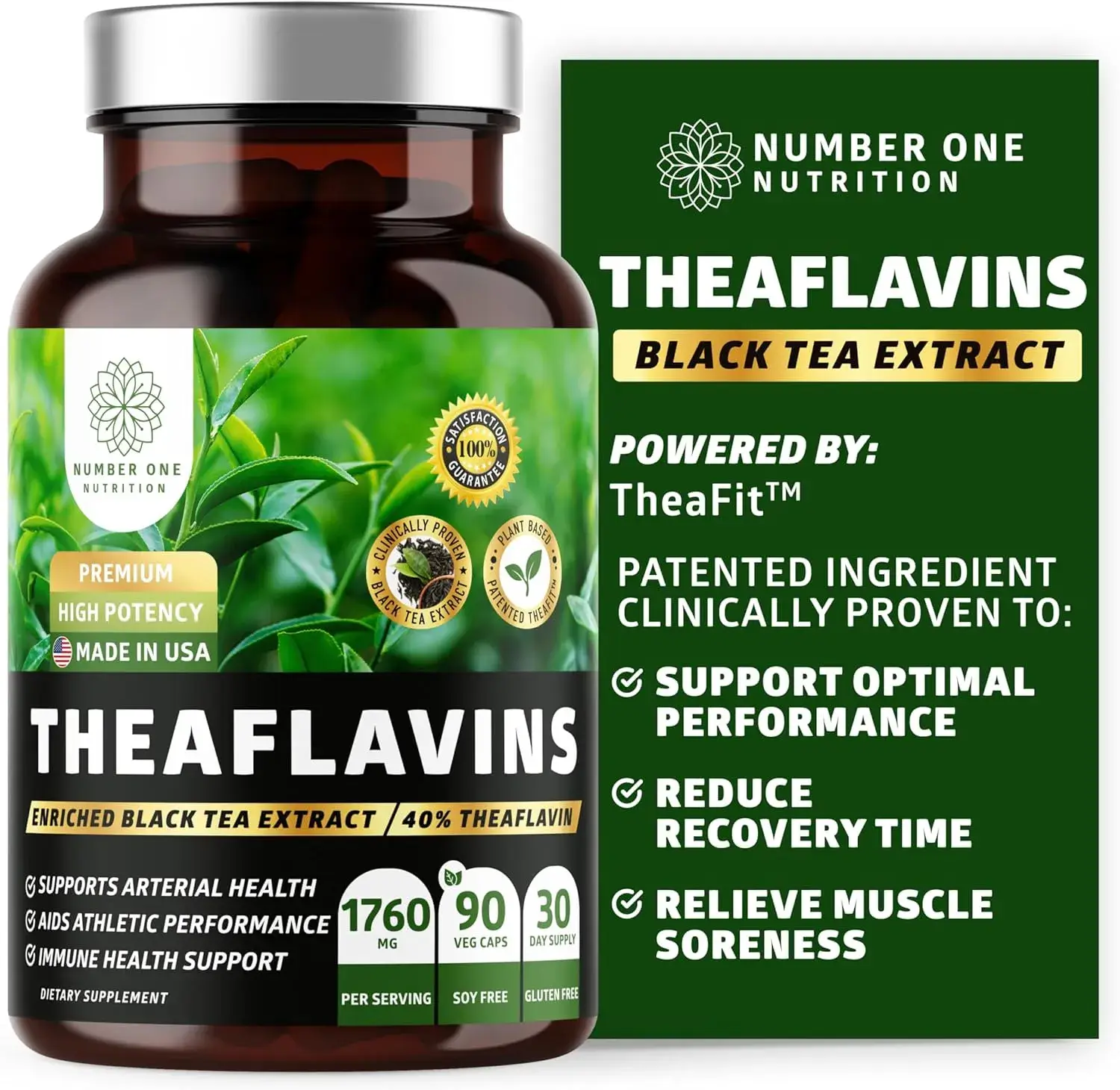
Black Tea Extract that is rich in natural theaflavins and polyphenols that help protect your body from free radicals, promoting overall immune health and well-being
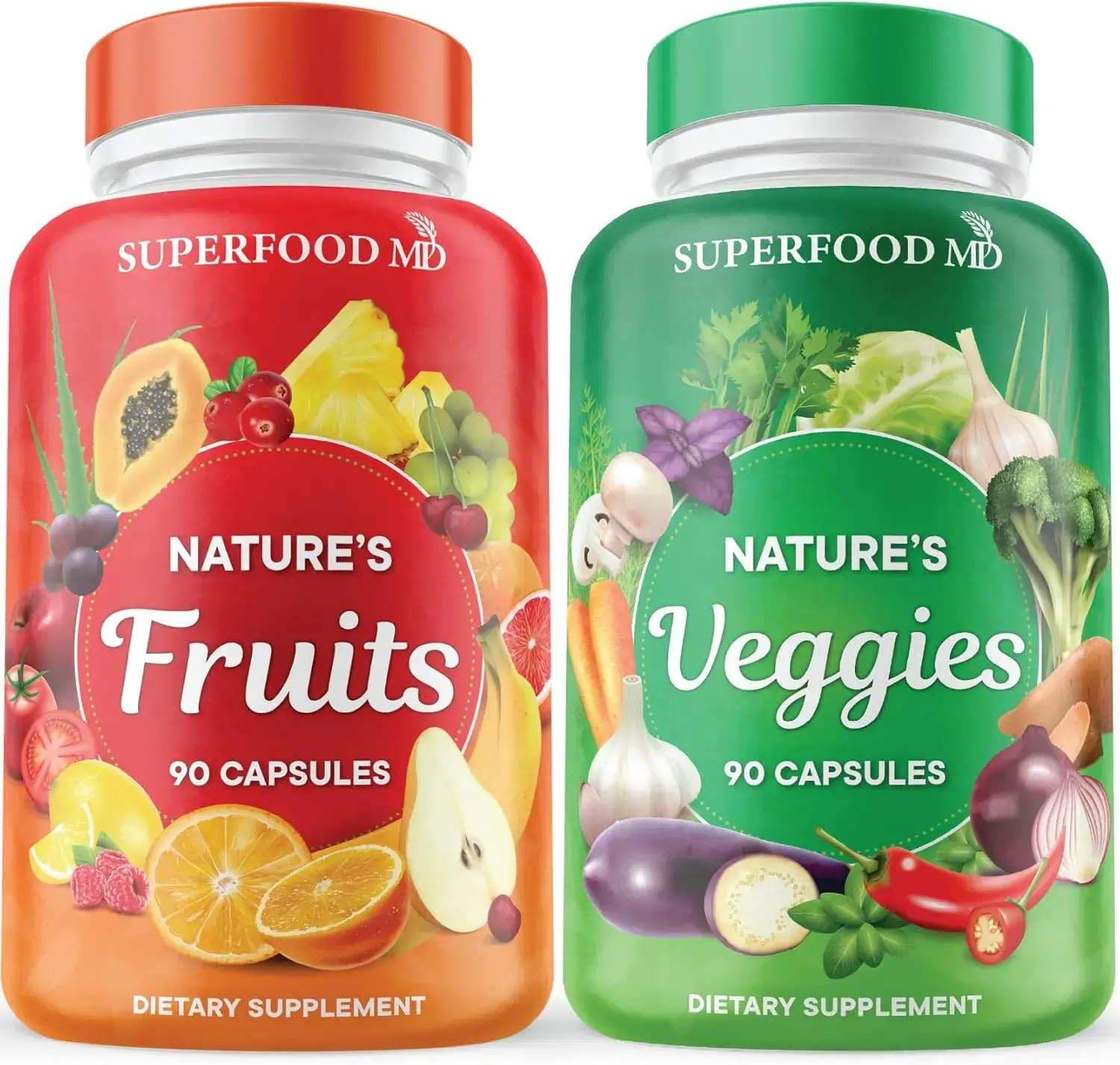
Contains blended amounts of Fruits and Veggies. All natural, with whole foods, fruit and vegetable supplement.Perfect for everyone looking to live a healthier lifestyle.