If you have ever stood in front of your kettle wondering whether to reach for a bag of Darjeeling tea or hit the coffee machine, you are not alone. The question of Darjeeling tea caffeine vs coffee sits at the crossroads of flavor preference, health science, and daily energy strategy. Darjeeling tea — often called the “Champagne of Teas” — is one of the most delicate, floral, and nuanced black teas in the world, grown exclusively in the misty slopes of West Bengal, India. But how does its caffeine punch actually compare to your morning flat white, and which one is genuinely better for sustained, jitter-free energy?
Quick Answer: Darjeeling Tea Caffeine vs Coffee
Darjeeling Tea Caffeine: 50–90 mg per 8 oz cup (average ~60–70 mg), depending on flush, steep time, and water temperature.
Drip Coffee Caffeine: 95–165 mg per 8 oz cup (average ~115 mg) — roughly 1.5 to 2× more than Darjeeling.
The Key Difference: Darjeeling tea contains L-theanine, an amino acid that smooths the caffeine absorption curve, reducing jitteriness and anxiety while sustaining focus for 4–6 hours without the mid-morning crash typical of coffee.
Who Should Choose Darjeeling: Caffeine-sensitive individuals, afternoon drinkers, those prone to coffee anxiety, and anyone who values nuanced flavor over raw stimulation.
Who Should Choose Coffee: Those needing maximum immediate alertness, early-morning heavy-lifters, pre-workout fuel, or people who prefer a stronger, bolder flavor.
Darjeeling Tea vs Coffee: Side-by-Side Comparison Table
Darjeeling tea’s caffeine content varies considerably based on three major factors: the flush season, the steep time and water temperature, and the tea grade (whole leaf vs broken leaf). Understanding these variables is key to managing your daily caffeine intake with precision.
Caffeine by Flush Season: First Flush vs Second Flush Darjeeling
Darjeeling tea is harvested in distinct seasonal flushes, and each flush produces leaves with a different chemical profile:
First Flush (March–April, Spring Harvest): Contains approximately 50–70 mg of caffeine per 8 oz cup. First flush leaves are young, light green-tipped, and exceptionally delicate, with a floral, greenish, and muscatel character. Because the leaves are so tender and spring-grown, they tend to have slightly lower caffeine than later harvests.
Second Flush (May–June, Summer Harvest): Contains approximately 65–90 mg of caffeine per 8 oz cup. Second flush Darjeeling is considered the premium standard — it produces the iconic muscatel (grape-like) aroma and deep amber liquor. The more mature summer leaves have higher caffeine concentration, rivaling some lighter coffees.
Autumn Flush (October–November, Autumnal): Caffeine falls in the 50–75 mg range. The leaves are fuller, more rounded in flavor, and brew to a smooth, low-astringency cup — making autumnal Darjeeling an excellent evening tea option for those watching caffeine intake.
How Brewing Variables Affect Darjeeling Caffeine Extraction
Brewing Variable
Lower Caffeine Result
Higher Caffeine Result
Water Temperature
Lower temp 70–80°C (First Flush optimal)
Higher temp 90–95°C (Full extraction)
Steeping Time
2 minutes (light infusion)
4–5 minutes (maximum extraction)
Tea Grade
Whole leaf FTGFOP1 (slower release)
Broken leaf BOP (rapid, high extraction)
Amount of Tea
1 teaspoon per 8 oz
2 teaspoons per 8 oz
Water-to-Tea Ratio
Large ratio (diluted brew)
Small ratio (concentrated brew)
The L-Theanine Advantage: Why Darjeeling Tea Energy Feels Different From Coffee
This is where the science gets genuinely fascinating. The defining chemical difference between Darjeeling tea and coffee is not simply the milligrams of caffeine — it is the presence of L-theanine in tea.
L-theanine is a rare amino acid found almost exclusively in the leaves of Camellia sinensis (the tea plant). A typical 8 oz cup of Darjeeling tea contains approximately 20–40 mg of L-theanine. At this concentration, L-theanine performs three critical functions:
Alpha Brain Wave Activation: L-theanine directly stimulates alpha brain wave activity — the same relaxed-but-alert mental state associated with meditation, flow states, and calm creativity. This is why tea drinkers often report feeling “focused but not frantic” compared to coffee drinkers.
Caffeine Absorption Rate Modulation: L-theanine moderates how quickly caffeine enters the bloodstream by influencing the absorption rate across the intestinal wall. Rather than a sharp 30-minute spike (as with black coffee), Darjeeling tea’s caffeine arrives in a smoother, more gradual wave over 60–90 minutes.
Cortisol Suppression: Coffee on an empty stomach sharply elevates cortisol (the primary stress hormone), which can trigger anxiety, heart palpitations, and energy crashes. L-theanine in Darjeeling tea counteracts this cortisol surge, keeping the nervous system calmer even as alertness increases. Research published in the Asia Pacific Journal of Clinical Nutrition (PMC/NIH) confirmed that combined L-theanine + caffeine consumption improved sustained attention and reaction accuracy more than either compound alone.
Health Benefits: Darjeeling Tea vs Coffee Beyond Caffeine
Antioxidant Profiles Compared
Both Darjeeling tea and coffee are rich in polyphenols, but their antioxidant profiles differ substantially:
Darjeeling Tea Antioxidants: Rich in theaflavins (formed during oxidation), thearubigins, and residual EGCG catechins. Theaflavins are uniquely potent: studies in the USDA FoodData Central database confirm they exhibit strong anti-inflammatory, anti-carcinogenic, and cholesterol-lowering properties.
Coffee Antioxidants: Dominated by chlorogenic acids, which are pre-roast polyphenols significantly degraded during roasting. Darker roasts have fewer chlorogenic acids than light roasts, making light roast coffee the antioxidant-superior coffee option.
Cardiovascular Health
Darjeeling tea’s theaflavins have demonstrated dose-dependent LDL cholesterol reduction in clinical trials, while maintaining or improving HDL levels. Moderate coffee consumption (2–4 cups/day) is also cardioprotective. However, unfiltered coffee (French press, boiled) contains cafestol diterpenes that actively raise LDL cholesterol — a risk absent from properly brewed tea.
Gut and Digestive Health
Darjeeling tea is significantly gentler on the stomach than coffee. Its mildly acidic pH (~6–7) does not irritate the esophageal lining or trigger acid reflux in most individuals. Coffee, with its pH of 4.5–5.0, frequently triggers gastroesophageal reflux disease (GERD), gastritis, and heartburn, particularly when consumed on an empty stomach.
Bone Density
Long-term heavy coffee consumption (more than 4 cups/day) is associated with reduced calcium absorption and modest reductions in bone mineral density. Darjeeling tea, in contrast, contains naturally occurring fluoride and manganese that actively support bone calcification and density maintenance.
When Should You Choose Darjeeling Tea Over Coffee?
Afternoon Productivity Session: Coffee’s long half-life (5–7 hours) means a 2 PM cup can disrupt sleep until midnight. A second-flush Darjeeling at 2 PM provides real cognitive lift that naturally winds down by 7–8 PM.
Anxiety-Prone or High-Stress Days: Coffee reliably amplifies cortisol and adrenaline. If you are already stressed, Darjeeling tea delivers alertness without compounding the physiological stress response.
Gastric Sensitivity or Acid Reflux: Darjeeling is dramatically less acidic and stomach-irritating than any coffee, making it the superior morning choice for those with GERD or sensitive digestion.
Creative, Flow-State Work: The L-theanine-induced alpha brainwave state is demonstrably superior for open-ended creative tasks, writing, design, and problem-solving compared to coffee’s sharp, narrowly-focused stimulation.
Cardiovascular Concerns: Those monitoring blood pressure or cortisol levels will benefit significantly from switching to Darjeeling, which produces minimal cardiovascular stress spikes.
How to Brew Darjeeling Tea for Maximum Caffeine Control
Unlike coffee’s grinding-and-brewing uniformity, Darjeeling tea gives you direct control over caffeine intensity through simple brewing adjustments:
For Lower Caffeine (~40–55 mg): Use first flush Darjeeling, steep at 75–80°C for just 90 seconds to 2 minutes. Remove leaves promptly. This produces a pale, greenish, extraordinarily aromatic cup with minimal astringency.
For Medium Caffeine (~60–70 mg): Use second flush Darjeeling, steep at 85–90°C for 2.5–3 minutes. This is the classic Darjeeling experience — golden amber color, full muscatel fragrance.
For Maximum Caffeine (~80–90 mg, closest to light coffee): Use an autumn flush or higher-grade broken leaf Darjeeling, steep at 95°C for 4 minutes. Add a splash of whole milk to soften the tannins.
Frequently Asked Questions: Darjeeling Tea Caffeine vs Coffee
Does Darjeeling tea have more caffeine than green tea?
Yes. Darjeeling black tea generally contains 50–90 mg of caffeine per cup, while green tea contains 25–45 mg per cup. Darjeeling is a fully oxidized true tea, and the oxidation process concentrates caffeine. First flush Darjeeling is a partial exception — its caffeine is closer to some green teas because the young spring leaves are lighter and less oxidized at harvest than typical black teas.
Is Darjeeling tea safe to drink every day?
Yes, for most healthy adults. 2–4 cups of Darjeeling tea per day delivers proven antioxidant and cardiovascular benefits well within safe daily caffeine limits (400 mg/day per the FDA). Those pregnant, nursing, or sensitive to caffeine should limit intake to 1 cup and consult a healthcare provider. See our full guide on how much tea to drink daily.
Can Darjeeling tea replace coffee entirely?
For most moderate coffee drinkers (1–2 cups per day), yes — a second-flush Darjeeling provides sufficient caffeine for morning alertness, with the added benefits of L-theanine smoothing, lower acidity, and superior antioxidant theaflavins. Those consuming 4+ cups of coffee daily may find the transition requires 2–3 weeks of gradual reduction to avoid withdrawal headaches.
What does Darjeeling tea taste like compared to coffee?
Darjeeling tea is the antithesis of coffee in flavor character. It offers a bright, floral, delicately muscatel (grape-like) sweetness with mild astringency and a clean, lingering finish. First flush Darjeeling tastes almost green and vegetal, while second flush develops deep amber color with stone fruit, honey, and muscatel grape notes. Coffee, by contrast, is roasted, bitter, and bold. Switching from coffee to Darjeeling requires recalibrating your palate — but most convert tea drinkers describe the flavor transition as revelatory rather than a sacrifice.
Which has more antioxidants — Darjeeling tea or coffee?
Both are excellent antioxidant sources but via different compounds. Darjeeling tea delivers theaflavins, thearubigins, and EGCG; coffee delivers chlorogenic acids (best preserved in light roasts). For anti-inflammatory and cardiovascular benefits, Darjeeling’s theaflavins have more peer-reviewed clinical evidence for LDL cholesterol reduction and arterial health. For blood sugar metabolism, coffee’s chlorogenic acids show comparable benefits.
Conclusion: Darjeeling Tea Caffeine vs Coffee — The Verdict
The Darjeeling tea caffeine vs coffee comparison ultimately comes down to what kind of energy experience you are optimizing for. If you need the fastest, hardest caffeine hit for pre-5 AM workouts or extreme cognitive load, coffee wins on raw milligrams. But if you value sustained, smooth alertness, creative flow, gut health, heart health, and a beverage with one of the most complex and rewarding flavor profiles in the world — Darjeeling tea is the superior daily choice.
With 50–90 mg of caffeine per cup plus 20–40 mg of L-theanine, a cup of second-flush Darjeeling delivers everything you genuinely need from your morning ritual — without the cortisol spike, the acid reflux, the mid-morning crash, or the diminishing returns that come with years of heavy coffee dependence. The Champagne of Teas earns its royal reputation in every dimension.
Medical & Wellness Disclaimer: The content published on Tea World is for educational and informational purposes only and is not intended as medical advice, diagnosis, or treatment. Always consult a qualified physician or healthcare provider before using herbal infusions or botanical supplements, especially if you are pregnant, nursing, taking prescription medications, or managing an existing health condition.
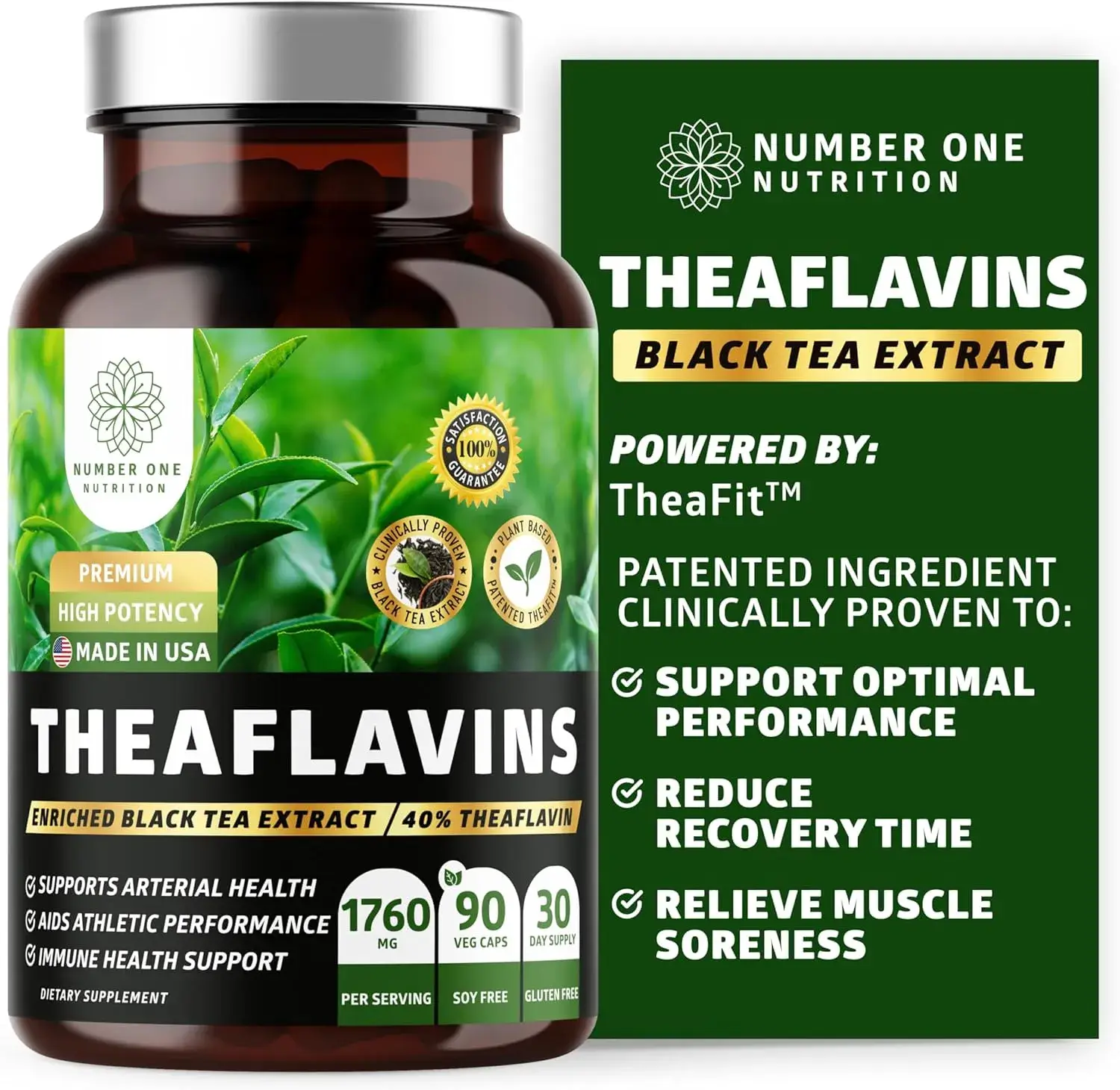
Black Tea Extract that is rich in natural theaflavins and polyphenols that help protect your body from free radicals, promoting overall immune health and well-being
Contains blended amounts of Fruits and Veggies. All natural, with whole foods, fruit and vegetable supplement.Perfect for everyone looking to live a healthier lifestyle.