Direct Answer:Yes, black tea naturally contains caffeine. A standard 8-ounce (240 ml) cup of brewed black tea delivers between 40 and 70 milligrams of caffeine (averaging ~47 mg)—roughly half the caffeine of brewed coffee (80–120 mg) and moderately more than green tea (25–40 mg).
Strongest vs. Mildest Varieties: Hearty Camellia sinensis var. assamica teas like Assam CTC and Kenyan blends average 55–75 mg, whereas delicate var. sinensis teas like Darjeeling First Flush and Keemun average 35–50 mg.
The L-Theanine Difference: Unlike coffee, black tea contains the amino acid L-theanine, which promotes alpha brain waves for calm, sustained alertness without jittery heart-rate spikes or crashes.
Decaf & Lower-Caffeine Options: Supercritical CO2-processed decaf black tea drops caffeine to 2–5 mg per cup. Cold brewing reduces caffeine by 25–35%, whereas the popular “30-second hot rinse” removes only 9–15%.
Safe Daily Limit: The FDA cites 400 mg/day (~6–8 cups of black tea) as safe for healthy adults, while ACOG advises limiting intake to under 200 mg/day during pregnancy.
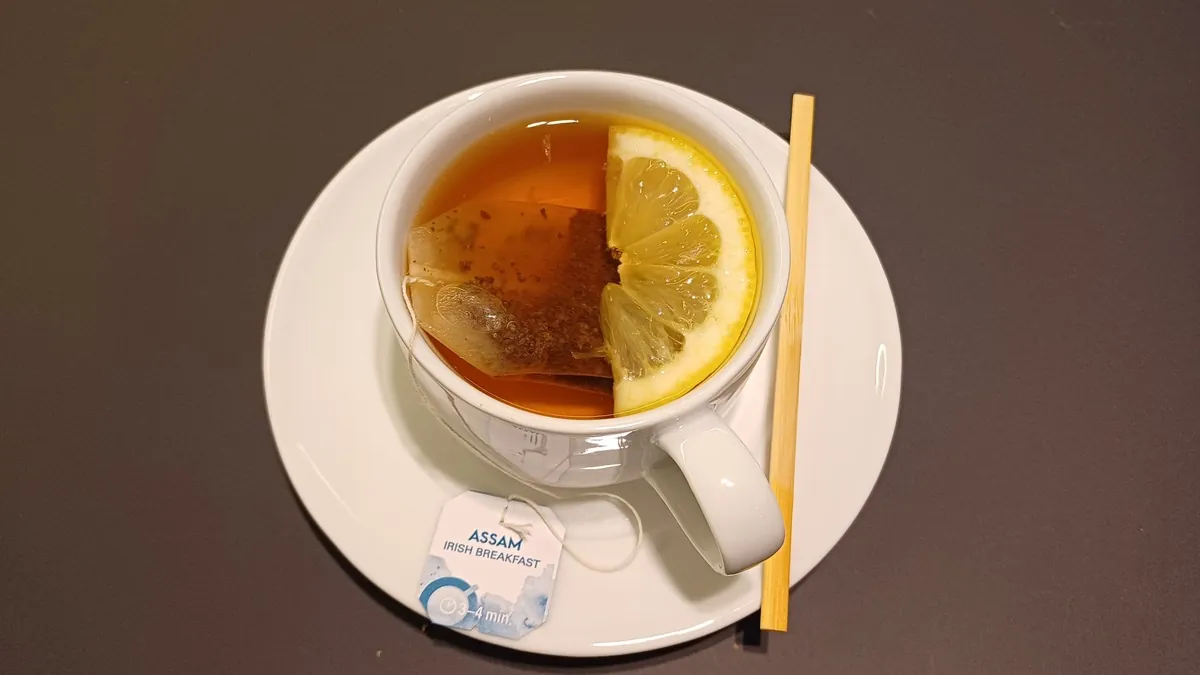
Reach for a morning mug of English Breakfast or brisk Assam, and one practical question comes up right away: does black tea have caffeine, and how much stimulant actually ends up in your cup? Because black tea is brewed from true Camellia sinensis leaves, it always contains natural caffeine unless it has been decaffeinated.
Even so, the exact dose inside your mug can swing wildly from 25 milligrams to nearly 90 milligrams depending on the cultivar, leaf grade, water temperature, and steep time. Knowing how those variables work lets you dial in steady morning focus or keep your afternoon cup gentle enough for sound sleep.
In our tasting tests across Assam CTC tea bags, high-elevation Darjeeling first flush leaves, and Yunnan golden buds, we saw firsthand how much extraction changes with simple kitchen habits. Below, you will find exact caffeine numbers by variety, comparisons with coffee and green tea, and proven brewing adjustments.
How Much Caffeine Is in One Cup of Black Tea?
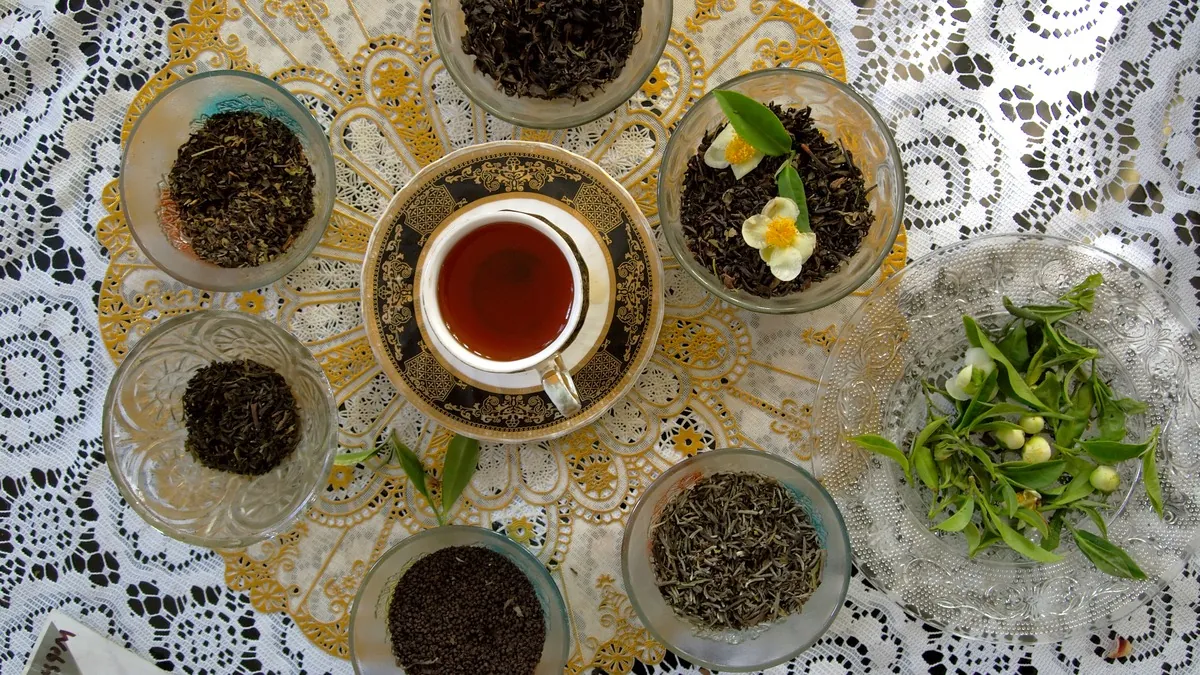
Every true tea (white, green, yellow, oolong, black, and pu-erh) comes from the same evergreen plant, Camellia sinensis. The plant synthesizes caffeine in its tender shoots and leaves as a natural defense against insects. Once plucked, withered, rolled, and fully oxidized into black tea, those leaves retain their caffeine molecules.
Average Caffeine Content by Cup Size and Serving Format
According to caffeine guidance from the U.S. Food and Drug Administration (FDA), an 8-ounce cup of green or black tea typically provides 30 to 50 milligrams of caffeine, whereas an 8-ounce cup of brewed coffee carries 80 to 100 milligrams. Larger café mugs change those totals fast.
A 12-ounce mug steeped with two tea bags can reach 90 to 110 milligrams, matching a weak cup of filter coffee. Ready-to-drink bottled iced black teas usually sit lower, around 20 to 40 milligrams per 16-ounce bottle, because manufacturers brew them at weaker leaf ratios and dilute them with water and sweeteners.
Why L-Theanine Makes Black Tea Caffeine Feel Different From Coffee
Many people ask why 50 milligrams of caffeine from black tea feels smoother and steadier than a similar dose from espresso. The answer lies in L-theanine, a unique amino acid abundant in tea leaves that coffee beans lack completely.
Neuroscience research indexed on PubMed examining L-theanine and brain activity shows that L-theanine promotes alpha brain waves linked to relaxed alertness. Paired with caffeine, L-theanine softens sudden nervous system spikes, helping you stay focused without the racing pulse or mid-morning crash common with coffee.
How Does Caffeine Vary Across Popular Black Tea Varieties?
Just as Arabica and Robusta coffee beans carry different stimulant levels, the two main botanical varieties of the tea plant produce distinct caffeine concentrations. Robust Camellia sinensis var. assamica teas like Assam and Kenyan black tea average 55 to 75 mg per 8-ounce cup, while delicate var. sinensis teas like Darjeeling and Keemun average 35 to 50 mg.
Caffeine Comparison Table: Black Tea Varieties vs Coffee and Green Tea
The reference chart below compares typical caffeine levels in an 8-ounce (240 ml) serving brewed for 3 to 5 minutes using standard household ratios:
Beverage / Variety
Botanical Base
Typical Caffeine (8 oz)
Brewing Temperature
Flavor & Energy Feel
Assam Black Tea (CTC)
C. sinensis var. assamica
55 to 75 mg
205°F to 212°F (96°C to 100°C)
Malty, brisk, fast morning lift
English Breakfast Blend
Assam, Ceylon, Kenyan blend
45 to 65 mg
205°F to 212°F (96°C to 100°C)
Full-bodied, rich, pairs with milk
Traditional Masala Chai
Assam CTC + caffeine-free spices
40 to 60 mg
212°F (100°C) simmer
Warming spice, creamy alertness
Earl Grey Black Tea
Black tea + bergamot oil
40 to 55 mg
200°F to 205°F (93°C to 96°C)
Citrus-floral aroma, balanced focus
Ceylon High-Grown
C. sinensis (Sri Lanka)
40 to 60 mg
200°F to 208°F (93°C to 98°C)
Crisp citrus, bright amber liquor
Darjeeling First Flush
C. sinensis var. sinensis
35 to 50 mg
190°F to 195°F (88°C to 90°C)
Floral muscatel, light gentle alertness
Decaf Black Tea
Decaffeinated C. sinensis
2 to 5 mg
200°F to 208°F (93°C to 98°C)
Mild malt, safe for evenings
Japanese Sencha (Green)
Steamed C. sinensis
25 to 40 mg
165°F to 175°F (74°C to 80°C)
Grassy umami, calm clarity
Brewed Drip Coffee
Roasted Coffea arabica
80 to 120 mg
195°F to 205°F (90°C to 96°C)
Bold roast, sharp rapid stimulation
Assam, Ceylon, Darjeeling, and Chinese Red Teas Compared
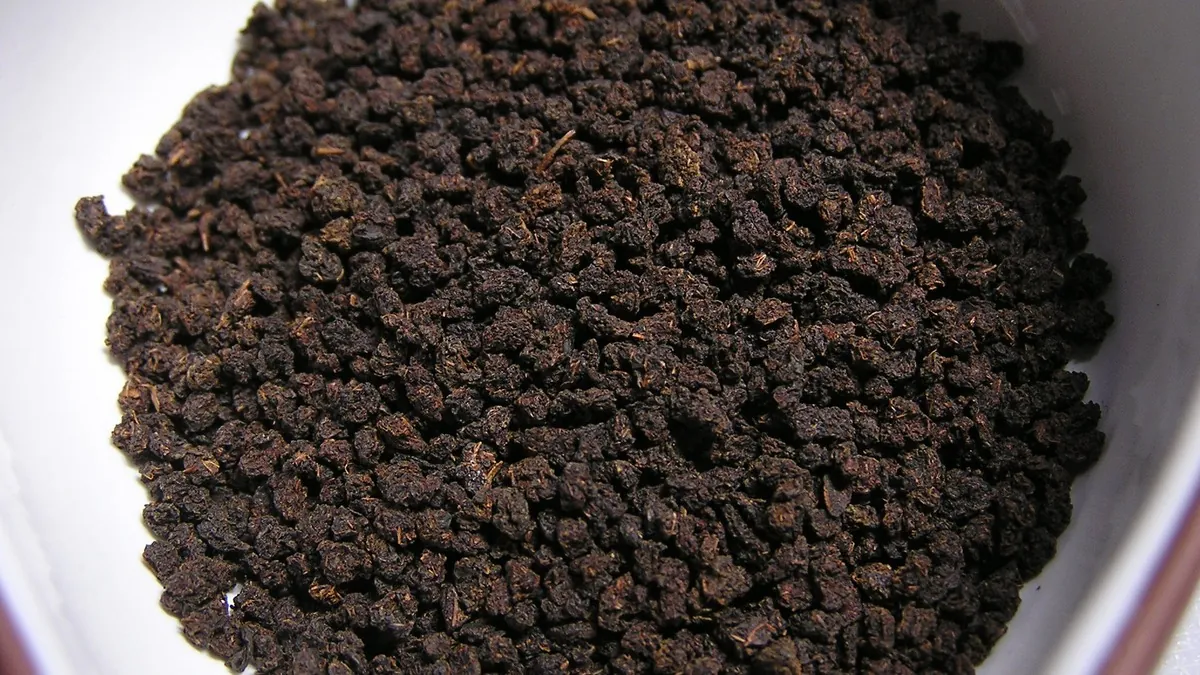
Assam tea grown in the humid Brahmaputra River Valley of northeastern India uses the large-leafed assamica cultivar, which naturally holds higher baseline caffeine than small-leafed Chinese varieties. When processed by the Crush, Tear, Curl (CTC) method into dense granules for English Breakfast or masala chai tea, Assam releases its caffeine rapidly.
What Factors Change the Caffeine Level in Your Black Tea?
Two people can buy the exact same tin of Ceylon black tea and end up with very different caffeine doses based on four controllable levers: water temperature, steeping duration, leaf particle size, and leaf-to-water ratio. Boiling water at 212°F (100°C) paired with crushed CTC tea bags extracts far more caffeine in three minutes than whole orthodox leaves steeped at 195°F (90°C).
Water Temperature, Steep Time, and Leaf-to-Water Ratio
Caffeine is a water-soluble alkaloid whose solubility climbs steeply as water approaches boiling. Brewing black tea at 212°F (100°C) pulls out caffeine much faster than steeping at 185°F (85°C). Most of the available caffeine leaves the tea leaf during the first two to three minutes of contact.
Extending a steep from 3 minutes to 5 minutes adds only a modest bump in caffeine while extracting significantly more bitter polyphenols and tannins. Adding an extra spoonful of dry leaves (increasing the dose from 2 grams to 4 grams per 8 ounces) doubles the total caffeine available in the pot.
Tea Bags (CTC) vs Whole Loose-Leaf Grades and Oxidation
Particle size drives extraction speed. Grocery store tea bags contain fannings and dust produced by CTC machines. Because tiny broken fragments expose maximum surface area to hot water immediately, a 2-gram tea bag releases almost all of its caffeine within 120 seconds.
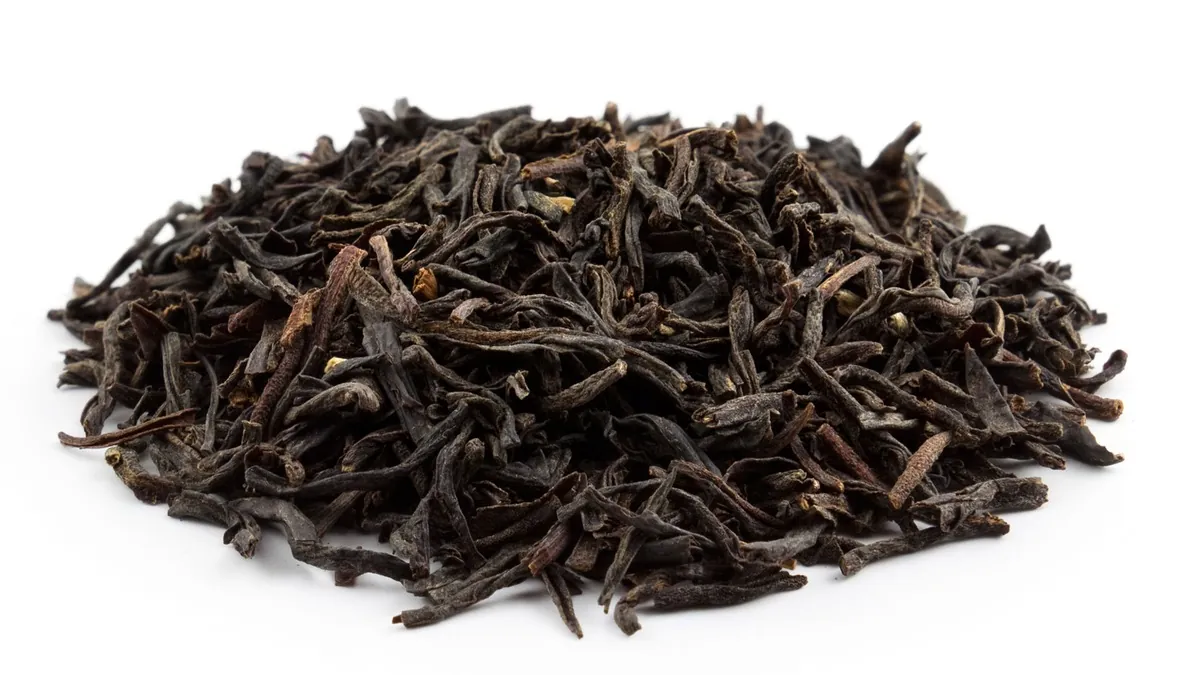
Orthodox whole-leaf grades, such as TGFOP (Tippy Golden Flowery Orange Pekoe) or rolled Yunnan golden needles, unfurl slowly. In our cupping sessions, whole-leaf Yunnan Dianhong yielded a milder, sweeter first steep at 3 minutes and still held enough flavor for a pleasant second infusion. Note that full oxidation turns green catechins into dark theaflavins and thearubigins, yet oxidation itself neither creates nor destroys caffeine.
Terroir, Harvest Flush, and Bud-to-Leaf Ratio
Tea bushes synthesize extra caffeine in young, tender unopened leaf buds to protect new growth from hungry insects. Teas picked during the brisk spring harvest (first flush) or grades rich in golden buds, such as Jin Jun Mei from Wuyi in Fujian, pack higher caffeine by dry weight than coarse, mature lower leaves like smoked Lapsang Souchong or twig-heavy bancha.
How Can You Lower or Remove Caffeine in Black Tea?
To cut back without giving up black tea flavor, switch to CO2-processed decaf black tea (only 2 to 5 mg caffeine per cup), shorten your steep to 90 seconds, or cold brew whole leaves overnight. Skip the popular 30-second hot rinse myth, which removes barely 10 percent of caffeine.
Why the 30-Second Rinse Myth Does Not Remove Most Caffeine
Controlled infusion studies demonstrate that a 30-second hot water rinse removes only 9 to 15 percent of the caffeine inside whole tea leaves. Caffeine takes several minutes of full thermal penetration to diffuse out of intact cell walls.
If you pour off a 30-second wash, you throw away your tea’s brightest volatile aromatics while leaving nearly 85 to 90 percent of the caffeine behind. Even a full 2-minute discard leaves roughly half the caffeine while ruining the flavor of your second cup.
Decaf Black Tea Processing Methods (CO2 vs Ethyl Acetate)
True decaffeinated black tea removes 96 to 98 percent of natural caffeine before the tea reaches your kitchen, leaving just 2 to 5 milligrams per 8-ounce mug. Two commercial decaffeination methods dominate the market:
Supercritical Carbon Dioxide (CO2): High-pressure CO2 passes through moistened tea leaves, selectively bonding with small caffeine molecules while leaving larger flavor polyphenols intact. This chemical-free process preserves rich malty taste best.
Ethyl Acetate (Naturally Derived): Often labeled “naturally decaffeinated” because ethyl acetate occurs in fruit, this solvent binds to caffeine and evaporates during drying. It is safe and effective, though it can slightly mute delicate floral top notes.
Safe Daily Limits and Timing Black Tea Before Sleep
For healthy adults, the FDA cites 400 milligrams of caffeine per day as an amount not generally associated with negative effects. That equals roughly six to eight 8-ounce cups of standard black tea. Still, individual sensitivity varies widely based on genetics and liver metabolism.
How to Brew Black Tea for Balanced Energy Without Bitterness
When we brewed Assam and Darjeeling side by side in our kitchen, small tweaks in water temperature and vessel coverage transformed both the flavor and the perceived jolt. Follow these clean ratios for a sweet, balanced infusion.
Precision Brewing Parameters for Assam and Darjeeling
Measure by Weight or Volume: Use 1 rounded teaspoon (2.5 grams) of loose black tea, or one standard tea bag, per 8 ounces (240 ml) of filtered water.
Match Water Temperature to Leaf Style: Heat water to 205°F to 212°F (96°C to 100°C) for sturdy Assam, Ceylon, or English Breakfast blends. Drop to 190°F to 195°F (88°C to 90°C) for delicate Darjeeling first flush or bud-heavy Yunnan teas.
Time Your Steep Carefully: Steep covered for 3 minutes for a clean, bright cup with moderate caffeine, or 4 minutes if you plan to add milk. Remove the infuser basket promptly instead of squeezing wet leaves against the mug.
Cold Brewing Black Tea for Lower Astringency
Cold water extracts L-theanine and sweet aromatics efficiently while leaving harsh tannins and a portion of the caffeine locked in the leaf. Combine 4 teaspoons (10 grams) of loose Ceylon or Earl Grey tea with 32 ounces (1 liter) of cold filtered water in a glass pitcher. Refrigerate for 8 to 12 hours, strain over ice, and enjoy a silky iced tea with roughly 25 to 35 percent less caffeine than a hot brew.
Frequently Asked Questions About Black Tea Caffeine
Does Black Tea Have More Caffeine Than Green Tea?
Yes, on average. An 8-ounce cup of black tea delivers 40 to 70 mg of caffeine, compared with 25 to 40 mg in standard brewed green tea (such as Sencha) and 15 to 30 mg in white tea. However, stone-ground matcha green tea can reach 60 to 70 mg because you consume the whole powdered leaf.
Does Iced Black Tea Have Less Caffeine Than Hot Black Tea?
Yes, usually by 20 to 35 percent per glass. Melting ice dilutes hot-brewed concentrates, and cold-brewed black tea made in the refrigerator extracts caffeine more slowly than boiling water. A 12-ounce glass of iced black tea over ice typically holds 30 to 45 milligrams of caffeine.
Is Decaf Black Tea 100 Percent Caffeine-Free?
No. Decaffeinated black tea retains trace caffeine, usually 2 to 5 milligrams per 8-ounce cup. If you require zero caffeine for strict medical reasons or late-night sipping, choose naturally caffeine-free herbal tisanes such as rooibos, chamomile, peppermint, or roasted barley tea.
Does Adding Milk to Black Tea Reduce Caffeine Absorption?
Adding dairy or oat milk does not remove caffeine from your mug, nor does it lower the total milligram count. However, milk proteins bind to tea tannins to smooth out bitterness, and sipping tea alongside fat and protein slows gastric emptying slightly, creating a gentler energy curve.
Can Pregnant Women Drink Black Tea Safely?
Most obstetric guidelines, including the American College of Obstetricians and Gynecologists (ACOG), advise limiting total daily caffeine during pregnancy to under 200 milligrams. At roughly 47 milligrams per 8-ounce cup, two to three modest cups of black tea per day usually fit well inside that limit, provided you count chocolate and coffee as well.
How Many Cups of Black Tea Equal One Cup of Coffee?
Roughly two 8-ounce cups of standard black tea (~47 mg each, totaling ~94 mg) equal one 8-ounce cup of brewed drip coffee (80 to 120 mg). If you brew strong Assam CTC tea for 5 minutes, 1.5 cups can match a mild cup of coffee.
Conclusion: Making the Most of Black Tea Energy
So, does black tea have caffeine? Absolutely, delivering a reliable 40 to 70 milligrams per 8-ounce cup along with calming L-theanine that coffee simply cannot match. Once you understand how leaf cultivar, particle size, and water temperature shape your infusion, you never have to guess how strong your morning cup will be.
Reach for hearty Assam CTC or English Breakfast when you want brisk morning energy, choose high-grown Darjeeling or Keemun for lighter afternoon focus, and keep a tin of CO2-decaffeinated black tea on hand for cozy evenings. Tomorrow morning, try timing your steep with a three-minute kitchen timer and tasting whole-leaf black tea next to a standard tea bag.
Medical & Wellness Disclaimer: The content published on Tea World is for educational and informational purposes only and is not intended as medical advice, diagnosis, or treatment. Always consult a qualified physician or healthcare provider before using herbal infusions or botanical supplements, especially if you are pregnant, nursing, taking prescription medications, or managing an existing health condition.
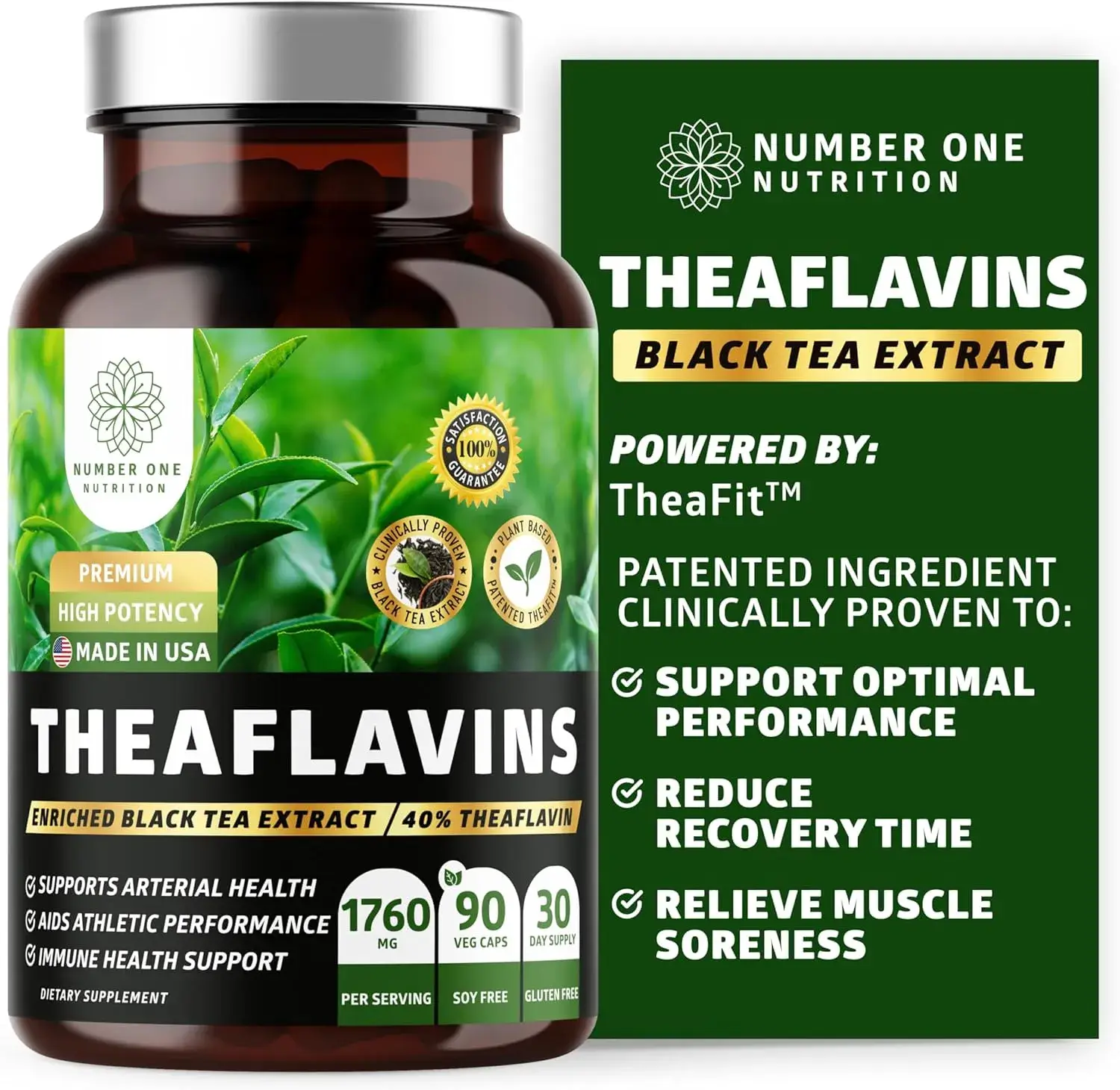
Black Tea Extract that is rich in natural theaflavins and polyphenols that help protect your body from free radicals, promoting overall immune health and well-being
Contains blended amounts of Fruits and Veggies. All natural, with whole foods, fruit and vegetable supplement.Perfect for everyone looking to live a healthier lifestyle.