Walk into a traditional home, izakaya, or teahouse across East Asia, and you will almost certainly be welcomed with a steaming cup or chilled pitcher of roasted grain tea. Among these comforting infusions, the comparison of buckwheat tea vs barley tea remains one of the most popular debates for tea lovers seeking healthy, caffeine-free alternatives to coffee and true tea.
Both beverages deliver satisfying roasted aromas and soothing warmth without relying on Camellia sinensis tea leaves. Yet when you examine their botanical classification, flavor profile, allergen risks, and medicinal virtues, buckwheat tea vs barley tea reveals two distinctly different traditions with unique characteristics.
In our tasting tests across roasted Japanese sobacha, Chinese Tartary buckwheat, and dark-roasted Korean barley, the contrast between them is immediately apparent on the palate. One brew tastes like rich buttered biscuits with warm honey notes, while the other offers a crisp, smoky profile reminiscent of light black coffee. Here is your definitive comparison guide to both infusions.
What Is the Difference Between Buckwheat Tea and Barley Tea?
Direct Answer: The primary difference between buckwheat tea and barley tea comes down to botany and flavor. Buckwheat tea is an herbal infusion brewed from roasted pseudo-cereal seeds that yields a nutty, buttery taste with sweet bakery notes. Barley tea is made from roasted cereal grains, producing a bold, smoky, slightly bitter profile similar to light coffee.
Understanding the core differences of buckwheat tea vs barley tea begins with their botanical origin. Although both are commonly categorized as grain teas, they belong to completely separate plant families with contrasting nutritional structures.
Botanical Roots: Pseudocereal vs Cereal Grain
Barley comes from Hordeum vulgare, a true cereal grain belonging to the grass family Poaceae. Farmers cultivate two-row and six-row barley varieties across cool climates. Six-row barley, prized in East Asia for tea production, contains higher protein concentrations that caramelize during roasting to create deep toasty pyrazines.
Buckwheat is not a grass or true wheat at all. It is a broadleaf pseudocereal belonging to the knotweed family Polygonaceae, sharing close botanical kinship with rhubarb and sorrel. Two primary species produce tea: common buckwheat (Fagopyrum esculentum) and Tartary buckwheat (Fagopyrum tataricum). Tartary buckwheat, grown extensively in the high-elevation Daliang Mountains of Sichuan and Yunnan in China, produces smaller, dark-hued seeds packed with exceptional levels of bioflavonoids.
Cultural Traditions: Japanese Sobacha and Korean Boricha
Both infusions carry centuries of cultural reverence across Asia. In Japan, buckwheat tea is known as sobacha (soba tea). Soba noodle masters historically roasted leftover buckwheat groats to brew a fragrant companion drink for cold soba noodle platters. In China, Tartary buckwheat tea is called kuqiao cha, praised in classic medical compendiums for invigorating circulation and soothing digestive fatigue.
Barley tea holds equal cultural pride. Known as mugicha in Japan, boricha in Korea, and damaicha in China, it serves as the universal hospitality beverage. In Korean households, chilled boricha often fills refrigerator pitchers in place of plain drinking water. You can explore how roasted barley matches other herbal drinks in our guide to barley tea vs corn silk tea.
Sensory Comparison: Nutty Butteriness vs Toasty Roast
When you steep whole roasted buckwheat groats, the dry aroma smells like freshly baked bread, roasted hazelnuts, and warm graham crackers. The resulting liquor shines with a bright, sunny golden-yellow tint. On the tongue, buckwheat tea tastes naturally sweet, silky, and bready without any astringency or palate dryness.
Barley tea presents a darker amber or deep mahogany infusion. Because the whole unhulled barley grains undergo rigorous high-heat roasting, the flavor leans heavily into toasty malt, charred grain, and subtle earthy bitterness. Many drinkers compare its aroma to roasted chicory or mild drip coffee, a topic we explore in detail in our article on why barley tea tastes like coffee.
Side-by-Side Comparison: Quick Reference Table
To help you see how these two beverages stack up at a glance, here is a detailed breakdown of buckwheat tea vs barley tea across botanical profiles, taste markers, culinary traits, and dietary suitability.
Core Nutritional and Botanical Specs
Feature
Buckwheat Tea (Sobacha / Kuqiao Cha)
Barley Tea (Mugicha / Boricha)
Botanical Name
Fagopyrum tataricum or F. esculentum
Hordeum vulgare
Plant Family
Polygonaceae (Knotweed family, pseudocereal)
Poaceae (Grass family, true cereal grain)
Gluten Status
100% naturally gluten-free
Contains gluten proteins (unsafe for celiac disease)
Caffeine Content
0 mg (naturally caffeine-free)
0 mg (naturally caffeine-free)
Dominant Flavor
Sweet, nutty, toasted hazelnut, buttery biscuit
Smoky, earthy, toasted bread crust, nutty malt
Liquor Color
Pale yellow to brilliant luminous gold
Warm copper amber to deep reddish mahogany
Signature Antioxidants
Rutin, quercetin, orientin, vitexin
Alkylpyrazines, chlorogenic acid, ferulic acid
Edible Spent Grains
Yes, tender groats can be eaten directly
No, tough fibrous hulls are discarded
Serving Temperature
Delicious hot; fragrant when warm
Superb cold-brewed over ice; comforting warm
Roasting Styles and Visual Appearance
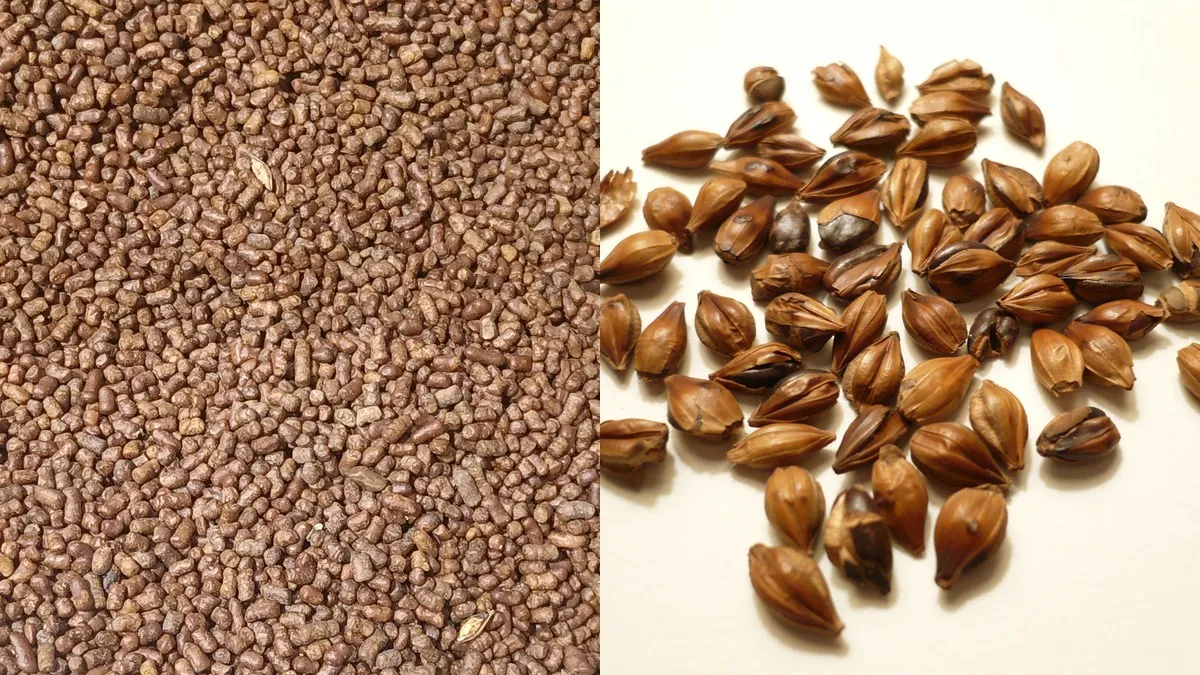
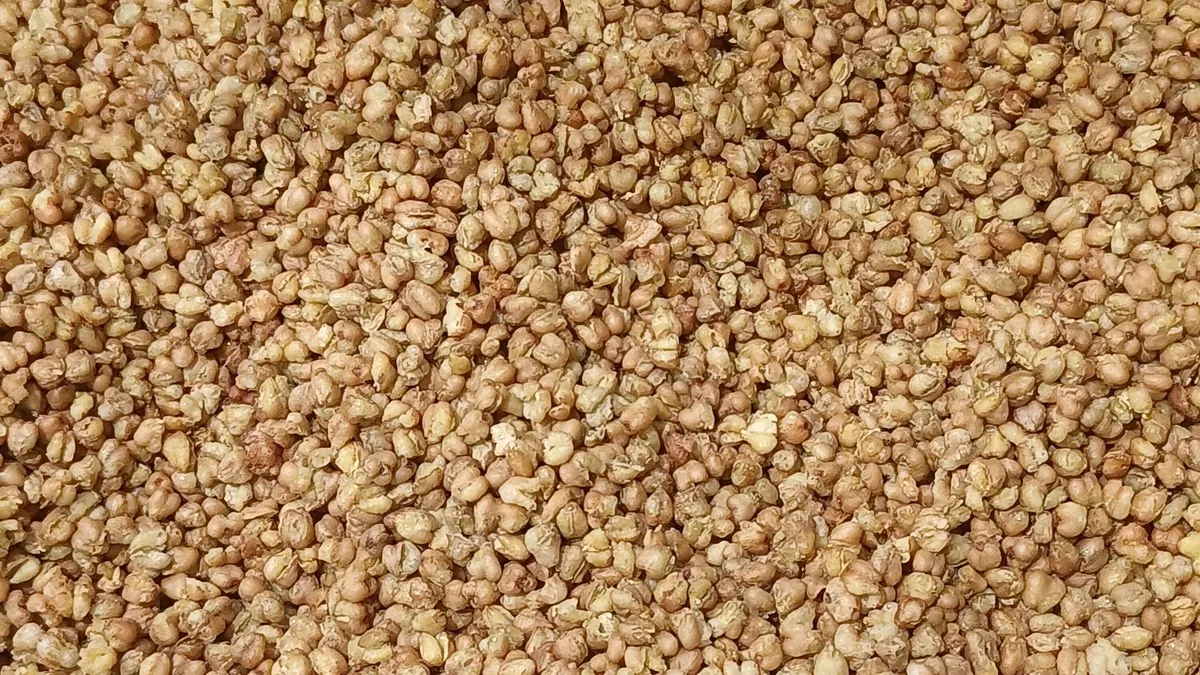
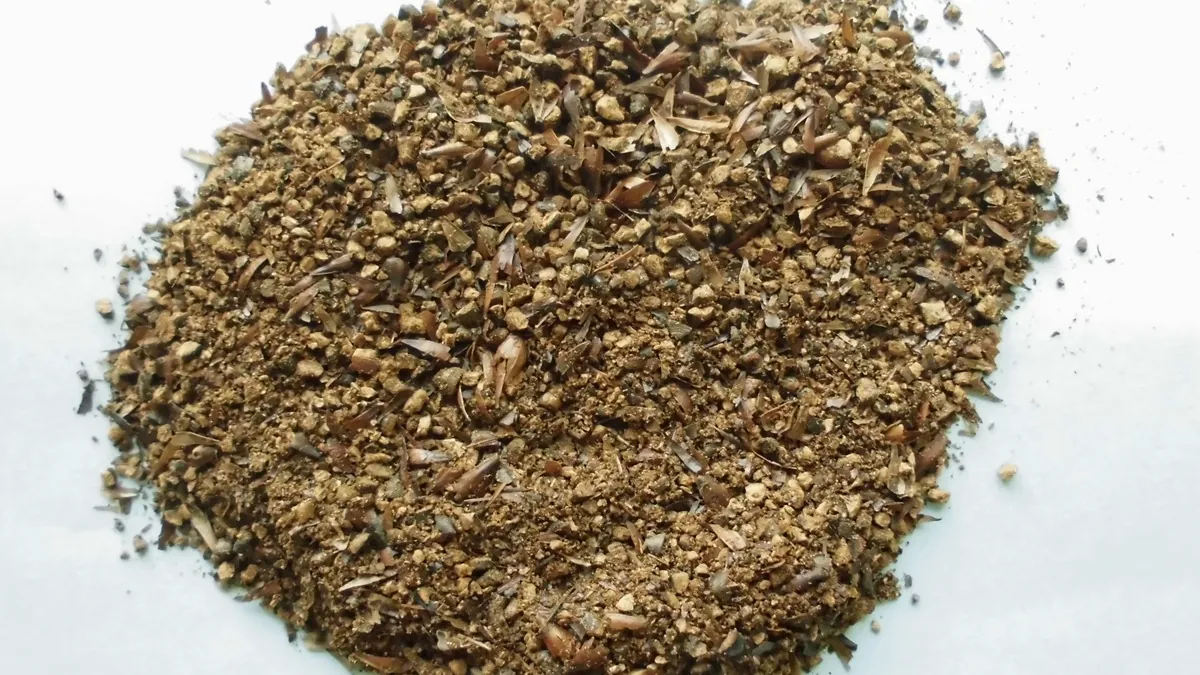
The visual contrast between dry ingredients reveals a great deal about how each tea behaves in the teapot. High-grade Japanese sobacha consists of small, triangular or rounded kernels that have been husked and gently roasted until they turn a warm butterscotch yellow. High-mountain Tartary buckwheat from China often shows dark amber or black outer skins that break away to reveal bright golden groats inside.
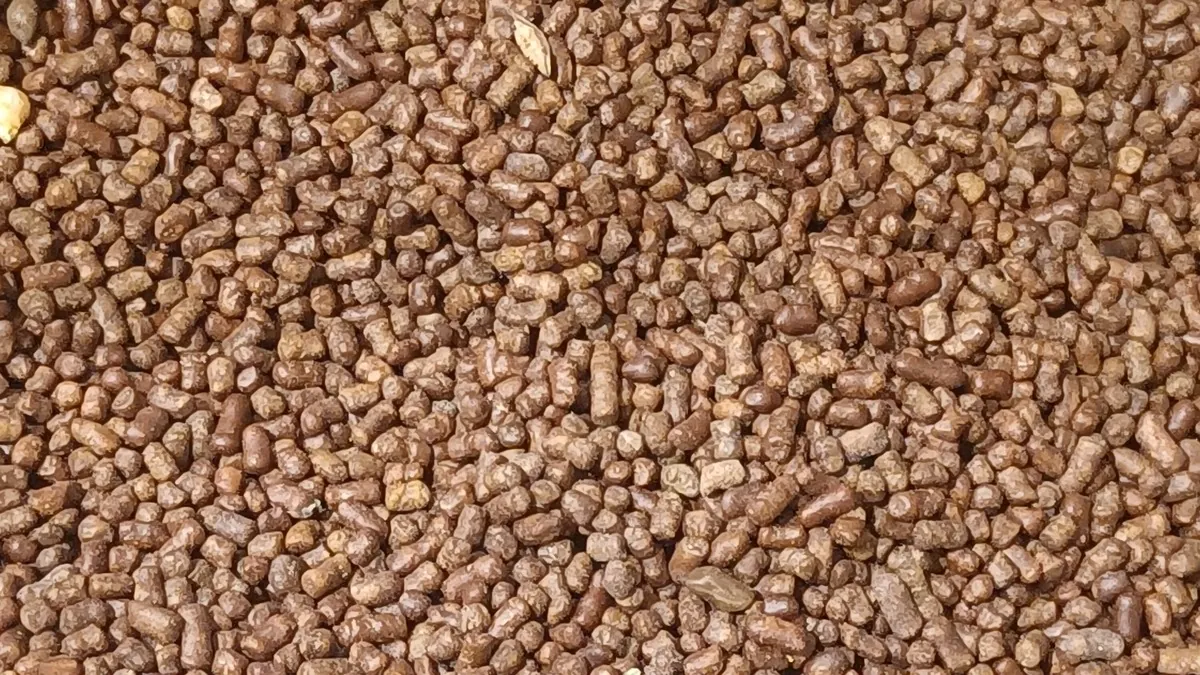
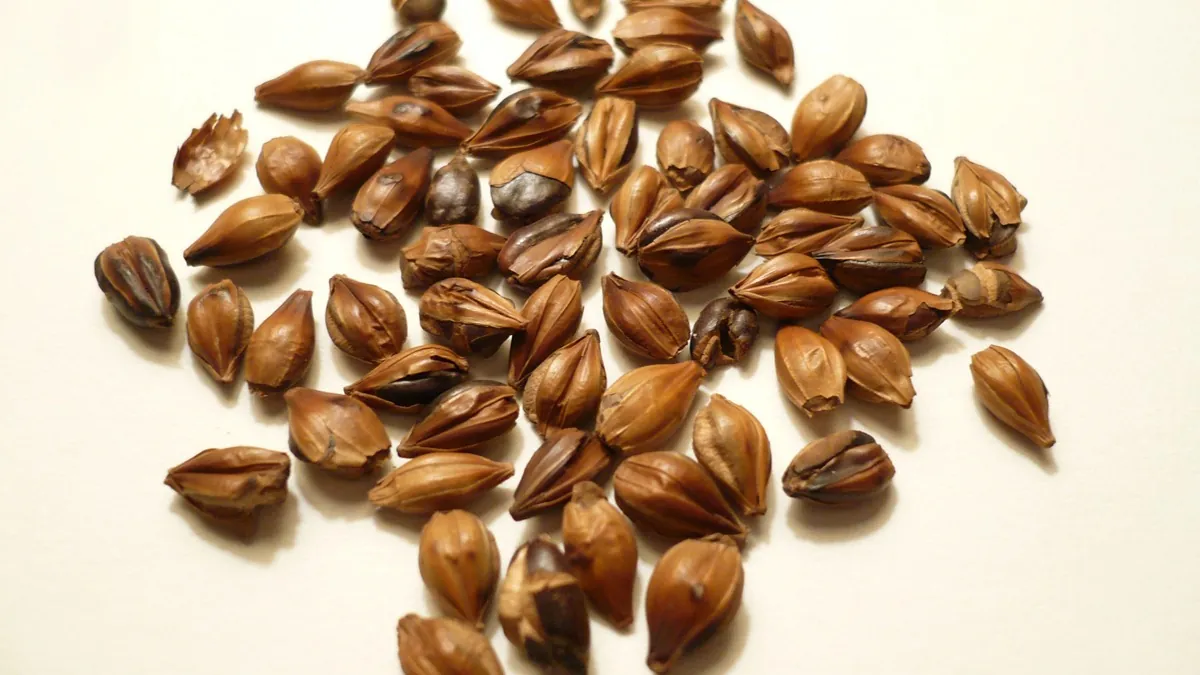
In contrast, whole barley tea is sold with its fibrous outer husks fully intact. The grains are large, elongated, and heavily roasted to a uniform chocolate-brown or dark espresso color. This intense roasting splits the husk open, exposing the caramelized starches that quickly tint brewing water into rich amber.
Health Benefits and Nutrition: How Do They Compare?
Direct Answer: While both grain teas support daily hydration, their medicinal strengths differ. Buckwheat tea stands out for its concentrated rutin, which strengthens blood vessels and enhances microcirculation. Barley tea excels at cooling the body, aiding post-meal digestion, and improving blood fluidity through roasted alkylpyrazine compounds.
When weighing the functional nutrition of buckwheat tea vs barley tea, neither tea contains caffeine or calories when brewed without sweeteners. However, their distinct biochemical compounds provide different therapeutic advantages.
Rutin and Cardiovascular Circulation in Tartary Buckwheat
The defining health benefit of buckwheat tea is its remarkable concentration of rutin, a potent citrus bioflavonoid. Rutin works synergistically with vitamin C to fortify capillary walls, prevent vascular fragility, and maintain healthy blood pressure levels.
Scientific investigations documented in cardiovascular and biochemical research on Tartary buckwheat reveal that Tartary varieties contain up to one hundred times more rutin than common buckwheat varieties. Regular consumption helps protect fragile capillaries in the eyes, kidneys, and extremities while supporting healthy lipid profiles. If you struggle with swollen ankles or poor circulation after long days on your feet, buckwheat tea is particularly rewarding.
Alkylpyrazines and Digestion in Roasted Barley
Barley tea brings its own set of science-backed wellness benefits. During the high-temperature roasting process, sugars and amino acids in barley grains undergo the Maillard reaction, producing aromatic compounds called alkylpyrazines. Clinical studies in Japan have observed that drinking roasted barley tea improves blood fluidity and circulation by preventing platelet aggregation.
In traditional Chinese medicine and Korean folk practice, roasted barley is revered as a digestive restorative. It promotes stomach comfort after greasy meals, reduces bloating, and helps settle acid reflux. Learn more about its holistic profile in our breakdown of organic roasted barley tea health benefits.
Blood Sugar, Inflammation, and Antioxidant Defenses
Both grain infusions show favorable effects on metabolic health. Tartary buckwheat groats contain D-chiro-inositol, an insulin-sensitizing compound that helps moderate postprandial glucose surges by facilitating efficient glucose uptake in muscle cells.
Barley tea counters oxidative stress through chlorogenic acid and ferulic acid. These polyphenols protect endothelial tissues and scavenge free radicals generated during periods of intense exercise or psychological stress. Neither beverage raises blood sugar, making both excellent mealtime accompaniments for diabetic and prediabetic diets.
Gluten, Allergies, and Caffeine: Which Is Safer for Your Diet?
Direct Answer: Buckwheat tea is naturally gluten-free and safe for people with celiac disease, because buckwheat is a pseudocereal seed unrelated to wheat. Barley tea is made from a true cereal grain that contains gluten proteins, making it unsafe for individuals with celiac disease or severe gluten intolerance.
When comparing buckwheat tea vs barley tea, understanding dietary restrictions and allergen safety is essential. The word “wheat” in buckwheat frequently confuses consumers, leading to unnecessary dietary misunderstandings.
Gluten Sensitivities: True Buckwheat vs Hordeum Vulgare
Despite having “wheat” in its English name, buckwheat contains zero wheat genetics. Medical standards from the Celiac Disease Foundation affirm that pure buckwheat groats are completely free from gluten, hordein, and secalin proteins. If you have celiac disease, non-celiac gluten sensitivity, or follow a strict grain-free paleo plan, buckwheat tea is thoroughly safe to drink.
Barley, however, is one of the three classic gluten-containing grains alongside wheat and rye. The hordein prolamin proteins in barley grains leach into hot water during brewing. While the gluten parts per million in a cup of brewed barley tea may vary depending on filtration, it remains strictly off-limits for anyone diagnosed with celiac disease.
Zero-Caffeine Profile for Sleep and Hydration
If you love a warm nighttime beverage but suffer from insomnia, jitters, or gastric reflux from coffee, both grain infusions are wonderful choices. True teas derived from tea bushes like green tea or oolong contain 20 to 60 milligrams of caffeine per cup. Both buckwheat tea and barley tea contain 0 milligrams of caffeine.
You can drink either tea freely before bedtime without disrupting sleep architecture or elevating evening heart rates. For a comprehensive look at sleep safety, explore our detailed analysis on does barley tea have caffeine.
Potential Allergens and Precautions
While buckwheat is gluten-free, it is recognized as a potent food allergen in Japan and Korea. Severe buckwheat allergies are relatively rare in Western countries but can trigger hives, facial swelling, or asthma in sensitive individuals. If you have never consumed soba noodles or buckwheat groats, start with a few sips to ensure tolerance.
Barley rarely triggers sudden IgE-mediated anaphylaxis in adults unless a specific wheat or cereal grain allergy is present. As long as gluten is not a medical concern, barley tea ranks among the gentlest daily beverages known to herbalism.
How to Brew Buckwheat Tea and Barley Tea at Home
When it comes to preparing buckwheat tea vs barley tea at home, roasted grains require none of the fussy equipment or delicate temperature watches demanded by green tea. Here is how to brew both styles for maximum flavor.
Hot Brewing Methods and Optimum Water Temperatures
Because roasted grains possess dense crystalline cellular walls, they thrive under vigorous heat that would scorch delicate spring white tea or first-flush green tea leaves.
To brew hot buckwheat tea, measure 1 to 2 tablespoons (about 8 to 10 grams) of roasted buckwheat groats into a glass teapot or ceramic mug. Heat fresh filtered water to a rolling boil at 205°F to 212°F (96°C to 100°C) and pour 8 to 10 ounces (240 to 300 ml) directly over the groats. Cover and steep for 4 to 6 minutes. The liquor turns a luminous daffodil yellow with an intoxicating baked-bread aroma.
For hot barley tea, place 2 tablespoons of whole roasted barley grains (or one family-size mugicha tea bag) into a small saucepan containing 32 ounces (1 liter) of cold water. Bring the water to a boil, reduce the heat to low, and simmer gently for 5 to 10 minutes. Turn off the heat, let it rest for another 5 minutes to settle the grains, and strain. Discover refined stove brewing steps in our step-by-step barley tea brewing guide.
Cold Brew Techniques for Chilled Summer Refreshment
Cold-brewed barley tea is the undisputed summer cooler across Japan and South Korea. When temperatures climb above 90°F (32°C), nothing quenches thirst like an icy glass of mugicha straight from the refrigerator.
To cold brew barley tea, place one commercial 10-gram cold-brew pouch or 4 tablespoons of roasted barley into a 1-liter glass pitcher of cold filtered water. Refrigerate for 2 to 4 hours, remove the pouch, and serve over clear ice cubes. The cold water selectively extracts clean roasted malt flavors without pulling bitter tannins.
You can also cold brew buckwheat tea. Place 3 tablespoons of roasted buckwheat into 24 ounces (700 ml) of chilled water and let it steep in the refrigerator for 6 to 8 hours. The result is a crisp, refreshing, slightly sweet drink that tastes remarkably like chilled almond pastry.
Eating the Seeds: Edible Buckwheat vs Spent Barley
One delightful bonus of buckwheat tea that few beginners realize is that the infused groats are completely edible. Once the tea is poured, the plumped buckwheat seeds become tender and chewy, tasting like warm, nutty oatmeal. You can spoon them directly out of your teapot, stir them into morning yogurt bowls, or toss them into salads for delicious whole-grain fiber.
Barley tea grains, however, are not edible after brewing. The outer hulls of whole barley grains remain tough, fibrous, and woody even after a 10-minute boil. Always discard spent barley grains into your garden compost bin.
Frequently Asked Questions About Buckwheat and Barley Tea
Can You Blend Buckwheat Tea and Barley Tea Together?
Yes. Combining equal parts roasted buckwheat and roasted barley creates a balanced grain tea blend. The barley provides deep roasted malt notes and pleasant bitterness, while the buckwheat contributes sweet buttery aromas and rich bioflavonoids. Keep in mind that adding barley introduces gluten to the blend.
Does Buckwheat Tea Taste Sweeter Than Barley Tea?
Yes, buckwheat tea tastes noticeably sweeter. Buckwheat naturally contains high concentrations of water-soluble sucrose and aromatic aldehydes that evoke maple, honey, and toasted almonds. Barley tea leans toward dark malt, smoke, and earthy bitterness with very little perceived sweetness.
Which Tea Is Better for Weight Management?
Both teas are excellent for weight management because they contain zero calories when brewed without sugar and offer rich mouthfeel that curbs appetite between meals. Buckwheat tea provides extra support through rutin and D-chiro-inositol, which help balance blood glucose responses, while barley tea helps calm stomach cravings after dinner.
Can Children and Pregnant Women Drink Both Grain Teas?
Yes, both teas are traditionally given to toddlers, children, nursing mothers, and elderly family members throughout Japan, Korea, and China. Because neither beverage contains caffeine or artificial additives, they provide gentle hydration throughout the day. Pregnant women who must avoid gluten should stick with pure buckwheat tea.
Conclusion: Which Roasted Grain Tea Should You Choose?
Both buckwheat tea and barley tea hold treasured places in Asian tea culture for good reason. They transform humble agricultural grains into soothing, aromatic beverages that nourish the body without caffeine crashes or bitter astringency.
When to Reach for Fragrant Buckwheat Tea
Choose buckwheat tea (sobacha) if you need a certified gluten-free drink, want to support cardiovascular circulation with rutin antioxidants, or prefer a naturally sweet, nutty flavor that reminds you of fresh bakery goods. It makes an exquisite afternoon treat and a comforting dessert tea that requires no added honey or sugar.
When to Pour Refreshing Barley Tea
Choose barley tea (mugicha or boricha) if you want a bold, smoky, coffee-like drink to accompany savory meals or keep in your refrigerator for hot summer afternoons. It is affordable, deeply refreshing, and proven to settle digestion after hearty feasts. Whichever cup you choose, you are tapping into a time-honored tradition of wholesome grain wellness.
Medical & Wellness Disclaimer: The content published on Tea World is for educational and informational purposes only and is not intended as medical advice, diagnosis, or treatment. Always consult a qualified physician or healthcare provider before using herbal infusions or botanical supplements, especially if you are pregnant, nursing, taking prescription medications, or managing an existing health condition.
Black Tea Extract that is rich in natural theaflavins and polyphenols that help protect your body from free radicals, promoting overall immune health and well-being
Contains blended amounts of Fruits and Veggies. All natural, with whole foods, fruit and vegetable supplement.Perfect for everyone looking to live a healthier lifestyle.