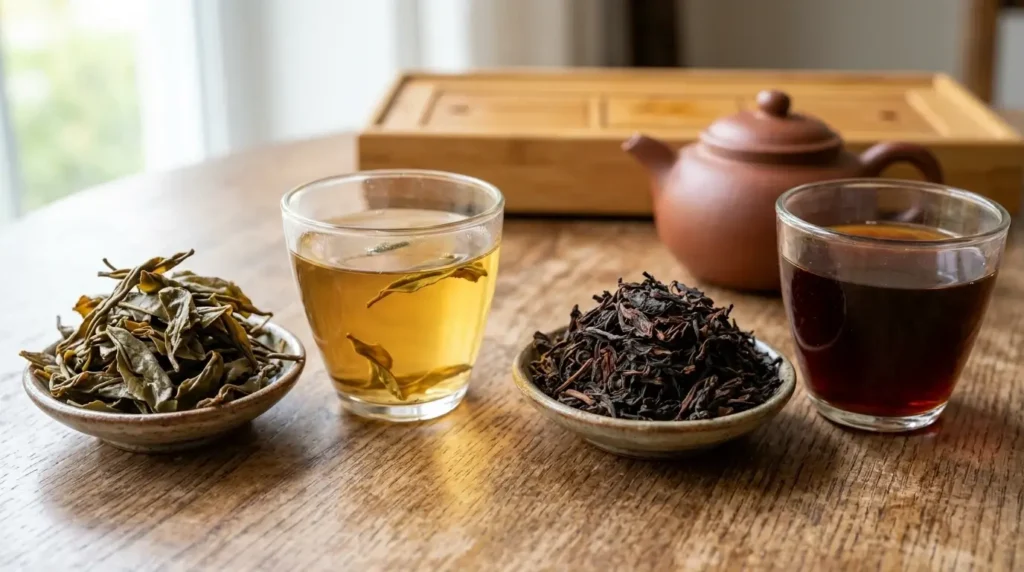
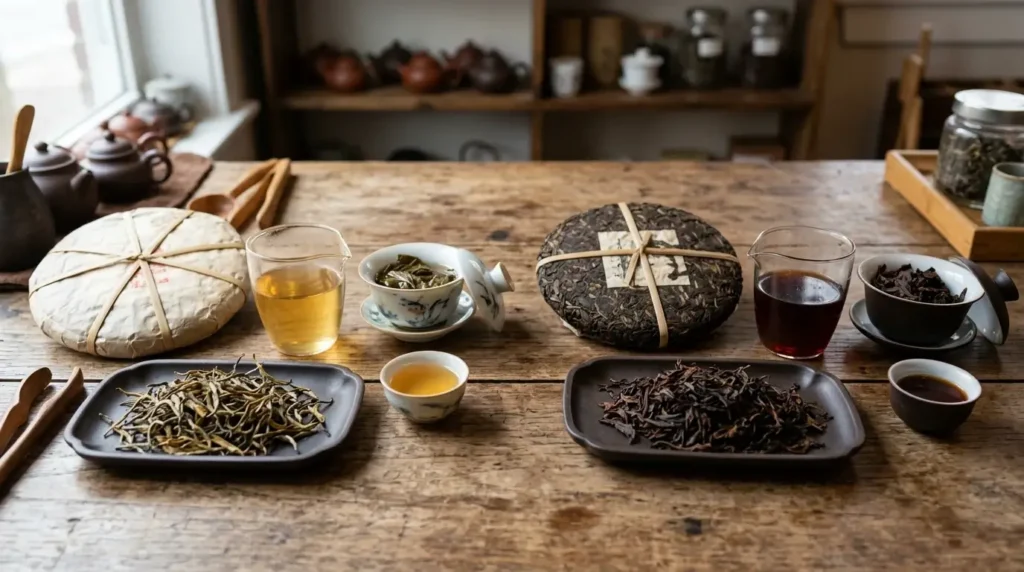
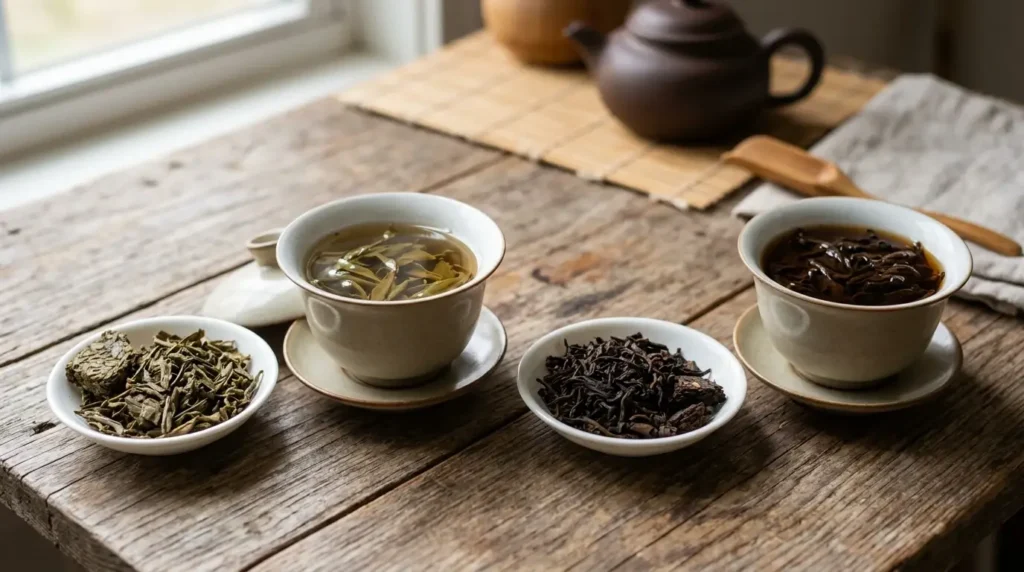
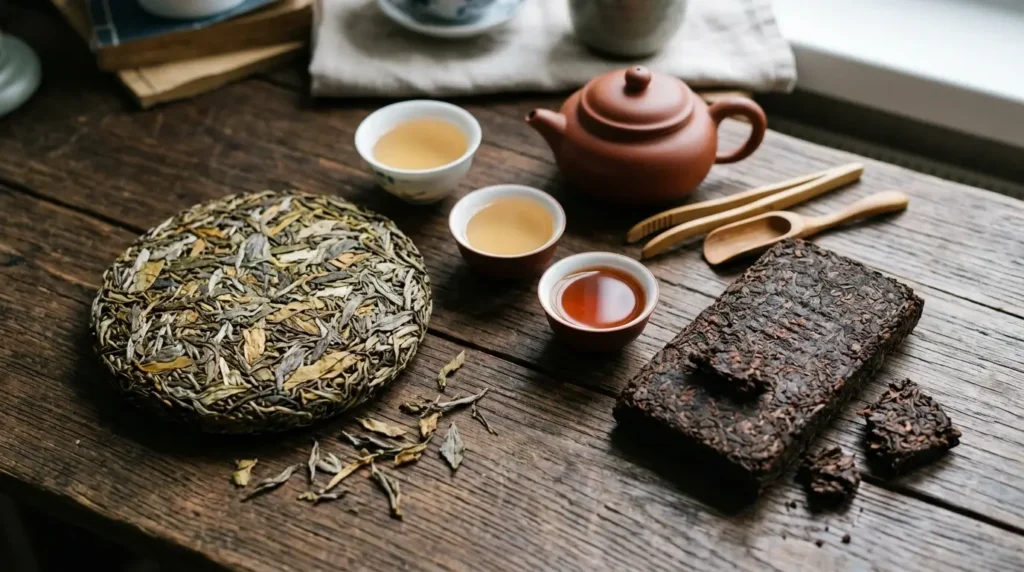
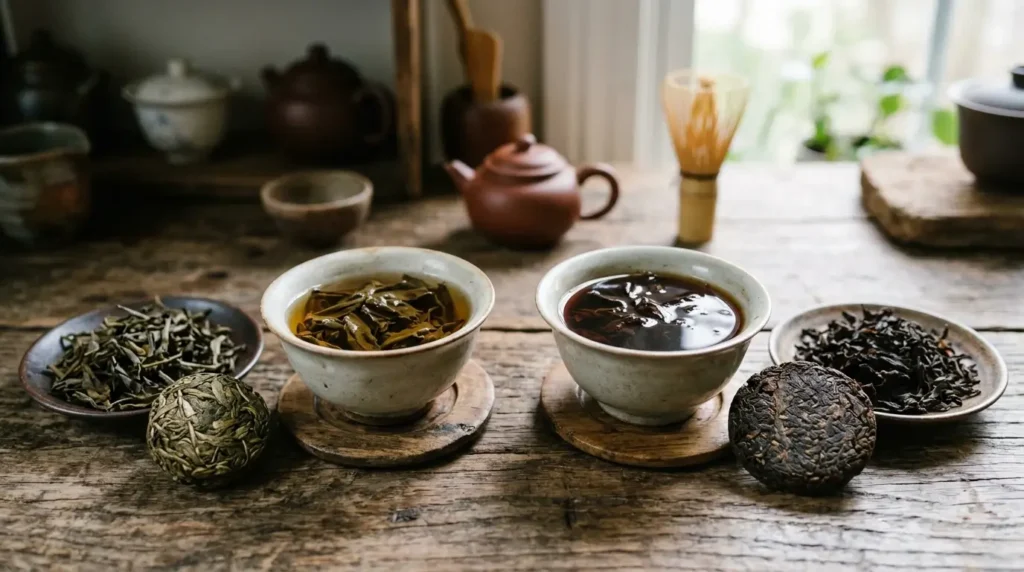
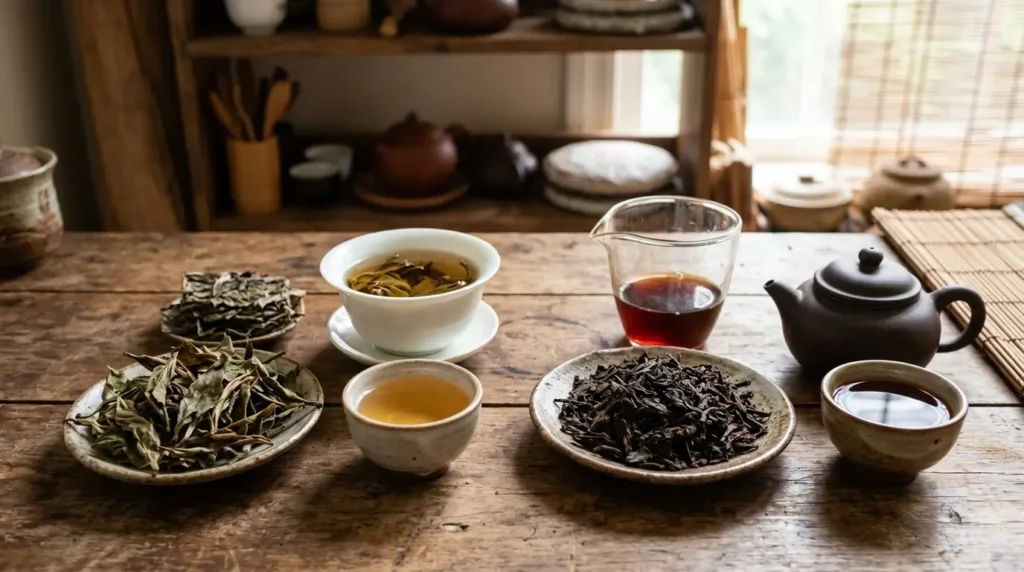
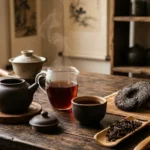
Walk into any serious tea shop and you’ll find an entire wall dedicated to pu erh — stacked cakes, loose leaves packed in paper, ancient-looking bricks, and mysterious labels in Chinese characters. If you’re new to this world, the first question that stops most people in their tracks is the same one: pu erh tea ripe vs raw — what’s the difference, and which one do I actually want?
It’s a fair question, and one that deserves a real answer rather than a vague “it depends.” The truth is, ripe and raw pu erh are so different in flavor, processing, and character that choosing between them is almost like choosing between two completely different types of tea. Understanding both will save you money, frustration, and at least a few cups that end up poured down the sink.
This guide breaks down everything you need to know — from how each type is made to how they taste, their respective health benefits, and a simple framework for deciding which one belongs in your cup.
What Is Pu Erh Tea? A Quick Primer
Origins and a Long History
Pu erh (also spelled pu-er or puer) is a type of tea that originates from Yunnan Province in southwestern China. It has been produced and traded for over a thousand years, historically carried along the Ancient Tea Horse Road — a vast network of trade routes connecting Yunnan to Tibet, Southeast Asia, and beyond. The long journeys meant the tea was often compressed into cakes or bricks for easy transport, and traders noticed that the tea actually improved during the trip, developing richer, more complex flavors over time.
That discovery of aging as an asset is what sets pu erh apart from virtually every other tea in the world. While green tea is best consumed fresh, a well-stored pu erh cake can be aged for 20, 30, even 50+ years and reach extraordinary complexity.
Why Pu Erh Is Unlike Other Teas
Pu erh is classified as a post-fermented tea. Unlike green, white, oolong, or black tea — all of which undergo oxidation as their primary transformation — pu erh undergoes microbial fermentation. This process is driven by bacteria and fungi that break down the leaf compounds over time, dramatically changing the chemistry, flavor, and even the health profile of the tea.
It’s this fermentation that gives pu erh its characteristic earthy, complex character. And it’s also the reason there are two fundamentally different production paths: one that lets nature take its time, and one that accelerates the process.
The Two Main Types: Sheng and Shou
All pu erh tea falls into one of two categories:
Sheng pu erh (生普洱) — also called raw or green pu erh, fermented naturally over years or decades
Shou pu erh (熟普洱) — also called ripe or cooked pu erh, fermented rapidly through a controlled process called wet piling
Everything else — the taste, the price, the brewing method, the ideal drinker — flows from this single distinction.
What Is Raw (Sheng) Pu Erh Tea?
How Raw Pu Erh Is Made
Raw pu erh begins with maocha — sun-dried, minimally processed Yunnan large-leaf tea (Camellia sinensis var. assamica). The leaves are harvested, briefly withered, pan-fired at low temperature to stop some enzymatic activity (but not all), rolled, and then sun-dried. This produces a lightly processed leaf that still contains active enzymes and compounds ready to slowly transform over time.
Most raw pu erh is compressed into cakes, bricks, or tuocha (bowl) shapes using steam and a stone press. These compressed forms are then stored — sometimes for years, sometimes for decades — in carefully controlled environments where temperature, humidity, and airflow allow the tea to slowly ferment and mature.
Taste Profile: From Bright to Profound
This is where raw pu erh gets interesting. Its flavor changes dramatically based on age, and no two young or aged sheng teas taste alike. In general terms:
Young sheng (under 5 years): Vegetal, floral, sometimes intensely bitter or astringent. Notes of fresh apricot, hay, and green herbs. High in tannins. Can be challenging for new drinkers.
Middle-aged sheng (5–15 years): Bitterness mellows, complexity blooms. Orchid, dried fruit, stone fruit, and honey notes begin to emerge. Much more approachable.
Aged sheng (15+ years): Deep, layered, and often surprising. Camphor, dried plum, forest floor, woody spice, leather, and an almost medicinal quality. Sought after by serious collectors.
💡 Tea Tip Young raw pu erh is an acquired taste — even many experienced drinkers find heavily bitter young sheng unpleasant. If you’re new to pu erh, starting with a mid-aged sheng (8–12 years) gives you the complexity without the punishment.
Young vs. Aged Raw Pu Erh: Why Age Matters So Much
The transformation raw pu erh undergoes with age isn’t just flavor improvement — it’s a complete chemical evolution. Catechins break down, tannins polymerize, and hundreds of new aromatic and taste compounds emerge that simply don’t exist in young tea. This is why aged raw pu erh is treated like fine wine by collectors, with rare cakes selling for thousands of dollars.
For everyday drinkers, the takeaway is simple: if you buy raw pu erh, factor in that a young cake bought today might taste best 5–15 years from now. Some people buy young sheng intentionally to age at home — a rewarding but patience-demanding hobby.
What Is Ripe (Shou) Pu Erh Tea?
The Invention of Accelerated Fermentation
Ripe pu erh is a relatively modern invention, developed in 1973 by the Kunming Tea Factory in Yunnan. The goal was practical: aged raw pu erh was in high demand in Hong Kong and Southeast Asia, but waiting 20+ years for natural fermentation wasn’t commercially viable. Researchers developed a process called wodui (渥堆), or wet piling, to simulate decades of aging in a matter of weeks.
How the Wet Piling Process Works
Maocha leaves are piled into large heaps, dampened with water, and covered with cloth. Ambient microbes — primarily bacteria and fungi — rapidly break down the leaf material over 45–60 days as heat and moisture build within the pile. Factory workers rotate the piles regularly to ensure even fermentation and control temperature. When the process is complete, the tea is dried, sorted, and often compressed.
The result is a tea that has already undergone the transformation that would otherwise take 20+ years of natural aging. The trade-off is that wet-piled tea, while immediately mellow and approachable, lacks the layered complexity that genuine long-aged raw pu erh develops.
Taste Profile: Dark, Smooth, and Earthy
Ripe pu erh has a consistent, recognizable flavor profile that most people find immediately comfortable:
Color: Deep reddish-brown to nearly black liquor
Aroma: Earthy, woody, sometimes mushroomy or like dark chocolate or forest soil
Taste: Smooth, thick, warm, with minimal bitterness. Notes of dark cocoa, dried dates, autumn leaves, and damp wood
Finish: Clean and warming, often with a sweet, lingering aftertaste
Many people who’ve never liked tea before find that they enjoy ripe pu erh because it doesn’t have the astringency, grassiness, or bitterness commonly associated with green or black teas. It’s full-bodied in the way a dark roast coffee can be comforting — rich, round, and deeply warming.
Beginners, daily drinkers, those avoiding caffeine
Stomach sensitivity
Can cause discomfort on empty stomach (young)
Gentle on stomach; often recommended for digestive support
Health Benefits: How Do They Compare?
Both raw and ripe pu erh carry a range of health benefits, but their profiles differ due to their different fermentation states.
Raw pu erh is rich in catechins, polyphenols, and antioxidants similar to green tea — especially when young. These compounds have been associated with cardiovascular support, anti-inflammatory effects, and metabolic benefits. As raw pu erh ages, some catechins break down but new beneficial compounds (theabrownins, gallic acid) emerge.
Ripe pu erh has been more extensively studied for its digestive benefits. The microbial fermentation produces statins, GABA, and a variety of probiotic-like compounds. Research has linked ripe pu erh consumption to:
Reduced LDL (bad) cholesterol levels
Support for gut microbiome health
Blood sugar regulation
Reduced bloating and improved digestion after fatty meals (a traditional use in Yunnan and Tibet)
Lower caffeine impact, making it suitable for evening drinking
“In traditional Chinese medicine, ripe pu erh has long been prescribed after heavy meals to aid digestion and ‘warm the stomach’ — a practice now supported by emerging research on its prebiotic and cholesterol-lowering compounds.”
Which Pu Erh Tea Should You Choose?
With all the differences laid out, the choice often comes down to what you want your pu erh experience to be. Here’s a simple decision framework:
Choose Raw (Sheng) Pu Erh If You…
Enjoy complexity and evolving flavors — the kind of tea that rewards attention
Are an experienced tea drinker with a tolerance for bitterness and astringency
Want to explore aging at home and buy young cakes to store and revisit over years
Are drawn to the meditative, exploratory side of tea culture
Prefer higher caffeine teas for morning or focused work sessions
Want a tea experience that changes dramatically every few years as it ages
Choose Ripe (Shou) Pu Erh If You…
Are new to pu erh and want an immediately accessible, enjoyable experience
Prefer smooth, dark, warming flavors without bitterness
Drink tea in the evenings and want lower caffeine
Have a sensitive stomach or digestive issues (ripe pu erh is traditionally used to aid digestion)
Enjoy coffee but want to switch to something less acidic and just as rich
Are looking for consistent, daily-drinking tea without the variability of aging
Tips for First-Time Pu Erh Buyers
If you’re buying your first pu erh, here are a few practical guidelines:
Start with a ripe pu erh sampler. Many reputable tea vendors sell 5–10g samples of different ripe pu erh cakes. This lets you find the flavor profile you prefer before committing to a full 357g cake.
For raw pu erh, skip very young (under 3 years) unless you know what you’re in for. A mid-aged sheng (8–15 years old) gives far more rewarding results for newcomers.
Check the storage history. Pu erh stored in humid conditions (“wet storage”) tastes very different from “dry storage.” Most Western vendors carry dry storage; wet storage teas are an acquired taste even among pu erh drinkers.
Buy from reputable sources. The pu erh market has counterfeits. Stick with well-reviewed vendors who disclose origin, year, and factory details.
Brew it correctly. Both types are sensitive to brewing parameters. More on that below.
Ready to explore the world of pu erh? Start with a curated sampler of both raw and ripe teas to taste the difference side by side.
Pu erh is almost always brewed using the gongfu style — small vessels, high leaf-to-water ratios, and multiple short infusions. Each infusion builds and evolves through the session. You can also use a regular teapot or even a French press for a more casual approach, but gongfu brewing unlocks the tea’s full depth.
Brewing Raw (Sheng) Pu Erh
Parameter
Recommendation
Water temperature
85–95°C (185–203°F) — young sheng prefers lower temps to reduce bitterness
Leaf amount (gongfu)
5–7g per 100ml of water
First rinse
Yes — rinse for 5–10 seconds, discard. Awakens the leaves.
Infusion time (1st–3rd)
15–25 seconds
Subsequent infusions
Add 5–10 seconds each round
Number of infusions
8–15+ depending on quality and age
Best vessel
Porcelain gaiwan (shows off aroma); unglazed clay for aged sheng
Brewing Ripe (Shou) Pu Erh
Parameter
Recommendation
Water temperature
95–100°C (203–212°F) — ripe pu erh loves boiling water
Leaf amount (gongfu)
6–8g per 100ml of water
First rinse
Yes, and do a double rinse — rinse twice, 5 seconds each. Removes any wet pile aroma.
Infusion time (1st–3rd)
10–20 seconds
Subsequent infusions
Add 5–15 seconds each round
Number of infusions
6–10 depending on quality
Best vessel
Yixing clay teapot (absorbs and enhances the earthy character over time)
Common Brewing Mistakes to Avoid
Skipping the rinse: Always rinse pu erh — it removes any surface dust from compression and wakes up the leaves. For ripe pu erh, two rinses help eliminate any “fishy” or overly musty notes that sometimes come from fresh wet-piled teas.
Using water that’s too cool for ripe pu erh: Ripe pu erh needs boiling or near-boiling water to fully release its warm, rich flavors. Tepid water produces flat, hollow brews.
Over-steeping young raw pu erh: Young sheng is unforgiving. Even 15 extra seconds on an early infusion can turn a complex cup into an astringent, bitter shock. Keep the first infusions short.
Drinking on a completely empty stomach: Young raw pu erh especially can cause stomach irritation when consumed before eating. A light snack beforehand helps.
Frequently Asked Questions About Pu Erh Tea Ripe vs Raw
Is ripe or raw pu erh better for weight loss?
Both types have been associated with metabolic benefits and are often marketed for weight management. However, ripe pu erh has more clinical research behind it specifically for lipid metabolism — studies have shown it can help reduce LDL cholesterol and triglycerides. Raw pu erh, particularly young sheng, is higher in catechins (similar to green tea), which support metabolism. Neither is a magic solution, but both can complement a healthy diet. If your primary concern is weight management, ripe pu erh’s digestive and cholesterol benefits make it the more studied option.
Which has more caffeine — raw or ripe pu erh?
Raw pu erh generally contains more caffeine, particularly younger sheng teas which have not yet had their caffeine degraded by long fermentation. Young raw pu erh can be as stimulating as a strong green tea. Ripe pu erh, due to the intense microbial breakdown during wet piling, typically has lower caffeine levels. For this reason, ripe pu erh is a popular choice for evening drinkers or those sensitive to caffeine. Note that individual cakes vary significantly — the only way to know precisely is to test or buy from vendors who disclose caffeine levels.
Can you age ripe pu erh the same way as raw pu erh?
Yes, but the transformation is much less dramatic. Ripe pu erh can be stored and aged, and it does mellow and improve over 5–15 years — earthy notes soften, any rough edges smooth out, and the liquor becomes even silkier. However, ripe pu erh does not have the same multi-decade aging trajectory that raw pu erh does. Most experts suggest ripe pu erh peaks somewhere around the 10–20 year mark. Raw pu erh, in contrast, can continue evolving and improving for 30–50+ years under ideal conditions.
Why does some ripe pu erh have a “fishy” or “pond” smell?
This is a common characteristic of freshly produced ripe pu erh — the wet piling process can leave behind an earthy, slightly musty aroma sometimes described as “pond water” or “compost.” This is normal and not a sign of low quality. It almost always dissipates with a double rinse before brewing, and it fades significantly with 1–3 years of proper aging. If you find the smell off-putting when buying fresh ripe pu erh, simply choose teas that are at least 3–5 years old, as most of this aroma will have settled by then.
Which type is better for a complete beginner?
For most beginners, ripe pu erh is the more welcoming entry point. It’s smooth, consistent, low in bitterness, easy to brew without perfect technique, and immediately enjoyable to the vast majority of people who try it. Raw pu erh — especially young sheng — can be an acquired taste that challenges new drinkers with its bitterness, astringency, and sometimes aggressive character. The best strategy is to start with a quality ripe pu erh, get comfortable with the brewing ritual and general flavor profile of the category, and then gradually explore mid-aged raw pu erh when you feel ready to go deeper.
Do raw and ripe pu erh need to be stored differently?
The basic principles are the same — cool, dark, away from strong odors, with moderate humidity (roughly 55–70% relative humidity). Raw pu erh is more storage-sensitive; too much humidity can accelerate mold growth, and too little will slow aging. Ripe pu erh is more forgiving. Neither should be stored in plastic bags or airtight containers for long periods, as they need some air circulation to continue their slow transformation. Many enthusiasts invest in dedicated pumidor-style storage (an airtight container with a humidity control) for their raw pu erh collections.
Final Thoughts: Two Teas, One World Worth Exploring
The debate of pu erh tea ripe vs raw doesn’t have a single winner — it has two completely different rewards. Ripe pu erh offers immediate pleasure: smooth, dark, warming, and endlessly comforting. Raw pu erh offers a journey: complex, sometimes challenging, and capable of transforming into something truly extraordinary with time.
Most devoted pu erh drinkers end up keeping both in their collection. A reliable ripe pu erh for daily mornings, and a slowly evolving raw pu erh cake tucked away to revisit every few years. That contrast — the immediate and the patient — is part of what makes pu erh such a uniquely rewarding category of tea.
If you’re just starting, begin with a ripe pu erh that you enjoy, learn the rhythm of brewing it well, and let it introduce you to the earthy, complex depth that defines this ancient category. Then, when curiosity strikes — and it will — pick up a small sample of mid-aged raw pu erh and taste the other side of the story.
The world of pu erh is patient. It rewards those who take their time with it.
Black Tea Extract that is rich in natural theaflavins and polyphenols that help protect your body from free radicals, promoting overall immune health and well-being
Contains blended amounts of Fruits and Veggies. All natural, with whole foods, fruit and vegetable supplement.Perfect for everyone looking to live a healthier lifestyle.