If you’ve ever wondered what health benefits does tea have, you’re asking a question that scientists have been studying for decades — and the answers are more impressive than most people realize. From protecting your heart to sharpening your focus, tea is one of the most thoroughly researched beverages on the planet, and it earns its reputation as a health-boosting drink.
In this guide, we’ll break down exactly what health benefits does tea have across every major category: heart health, brain function, metabolism, immunity, and gut health. We’ll also compare tea types so you can choose the right cup for your goals, walk through how brewing method affects the benefits you actually get, and answer the most common questions people have about daily tea drinking.
Tea has been consumed for thousands of years, but it’s only in the last few decades that researchers have been able to isolate exactly which compounds are responsible for its effects. That shift from folk remedy to peer-reviewed science is what makes today’s answer to “what health benefits does tea have” so much more solid than it used to be.
What Makes Tea So Good for You?
Before diving into specific benefits, it helps to understand why tea works the way it does. Nearly every type of tea — green, black, white, oolong, and herbal — comes packed with plant compounds that interact with your body in powerful ways.
Polyphenols and Antioxidants
Tea leaves are rich in polyphenols, a category of antioxidants that includes catechins (especially abundant in green tea) and theaflavins (found in black tea). These compounds neutralize free radicals, unstable molecules that damage cells and contribute to aging and chronic disease.
L-Theanine
True teas (green, black, white, oolong) contain L-theanine, an amino acid known for promoting calm alertness. It’s part of the reason tea feels different from coffee — you get focus without the jittery edge.
A Modest, Steady Dose of Caffeine
Tea typically contains less caffeine than coffee, offering a gentler energy lift that many people find easier on the nervous system and easier to fit into an afternoon routine. A typical cup of black tea has roughly 40–70mg of caffeine, green tea around 25–45mg, and herbal tea usually none at all, compared to 95mg or more in a standard cup of coffee.
Vitamins, Minerals, and Trace Nutrients
Beyond antioxidants, tea leaves contain small but meaningful amounts of manganese, potassium, and fluoride. While tea isn’t a primary source of these nutrients, they contribute modestly to your overall daily intake, especially if you drink several cups a day.
Heart Health Benefits of Tea
One of the most well-documented answers to “what health benefits does tea have” involves the cardiovascular system. Multiple long-term population studies link regular tea consumption with a lower risk of heart disease.
Supports Healthy Cholesterol Levels
Catechins in green tea and theaflavins in black tea have been associated with modest reductions in LDL (“bad”) cholesterol, which plays a central role in artery-clogging plaque formation.
May Help Regulate Blood Pressure
Compounds in tea can relax blood vessel walls, supporting healthier blood flow and potentially contributing to lower blood pressure readings over time, particularly with consistent daily intake.
Linked to Lower Risk of Stroke
Research following large groups of tea drinkers over many years has repeatedly found an association between regular tea intake and a reduced risk of stroke, likely tied to tea’s effects on blood vessel function and clotting.
Heart Health Factor
How Tea May Help
LDL Cholesterol
Catechins and theaflavins may modestly reduce levels
Blood Pressure
Polyphenols support healthier blood vessel function
Stroke Risk
Associated with lower risk in long-term population studies
Overall Cardiovascular Risk
Regular drinkers show lower rates in observational research
Brain Health, Focus, and Mood
Ask any longtime tea drinker what keeps them coming back, and many will mention the mental clarity. This isn’t just anecdotal — there’s real science behind it.
Improved Focus Without the Jitters
The combination of caffeine and L-theanine in tea produces a unique effect: sustained attention and alertness without the anxious spike often associated with coffee. Studies on this pairing consistently show improved reaction time and accuracy on attention tasks.
Potential Protection for Aging Brains
Some research suggests that regular tea drinkers, especially those who consume green or oolong tea, may have a lower risk of cognitive decline later in life, possibly due to antioxidants reducing inflammation in brain tissue.
A Natural Mood Lift
L-theanine has been studied for its calming effects on the nervous system, and many people report that the ritual of brewing and drinking tea itself contributes to stress reduction — a small, mindful pause built into a busy day.
Tea offers something rare: a beverage that can sharpen your mind and calm your nerves at the same time.
If you’re researching what health benefits does tea have with weight management in mind, you’re not alone — this is one of the most searched aspects of tea’s health profile.
May Support a Faster Metabolism
Green tea in particular contains a catechin called EGCG, which some studies suggest can modestly boost the rate at which your body burns calories, especially during physical activity.
Helps Manage Blood Sugar Response
Certain compounds in tea may slow the absorption of sugar into the bloodstream and improve insulin sensitivity, which is why some research associates regular tea consumption with a lower risk of type 2 diabetes.
A Smart Swap for Sugary Drinks
Beyond its active compounds, tea’s biggest weight-related benefit may simply be what it replaces. Swapping soda or sweetened coffee drinks for unsweetened tea removes a significant source of empty calories from your day.
Choose green or oolong tea for the most metabolism-related research support
Drink it unsweetened to maximize benefits
Pair with meals to help moderate post-meal blood sugar spikes
Stay consistent — benefits build with regular, long-term intake
Immunity, Gut Health, and Longevity
Tea’s benefits don’t stop at the heart and brain. It also plays a supportive role in your body’s defenses and digestive system.
Immune System Support
The antioxidants in tea help reduce oxidative stress throughout the body, which supports overall immune function. Some studies also point to antimicrobial properties in certain tea compounds.
A Friendlier Gut Microbiome
Emerging research suggests tea polyphenols may act as a mild prebiotic, encouraging the growth of beneficial gut bacteria while discouraging harmful strains — a balance that’s increasingly linked to overall wellness.
Associated with a Longer Lifespan
Large population studies, particularly in tea-drinking cultures across Asia, have found associations between regular tea consumption and lower all-cause mortality, though lifestyle factors likely play a role alongside tea itself.
Bone and Dental Health
Tea contains fluoride and other compounds that may support dental health, and some studies link tea consumption with better bone density in older adults, possibly due to its phytoestrogen content.
Comparing Tea Types: Which Offers the Most Benefits?
Not all teas are processed the same way, and those differences affect which health benefits stand out most in each cup. Here’s how the major types compare.
Green Tea
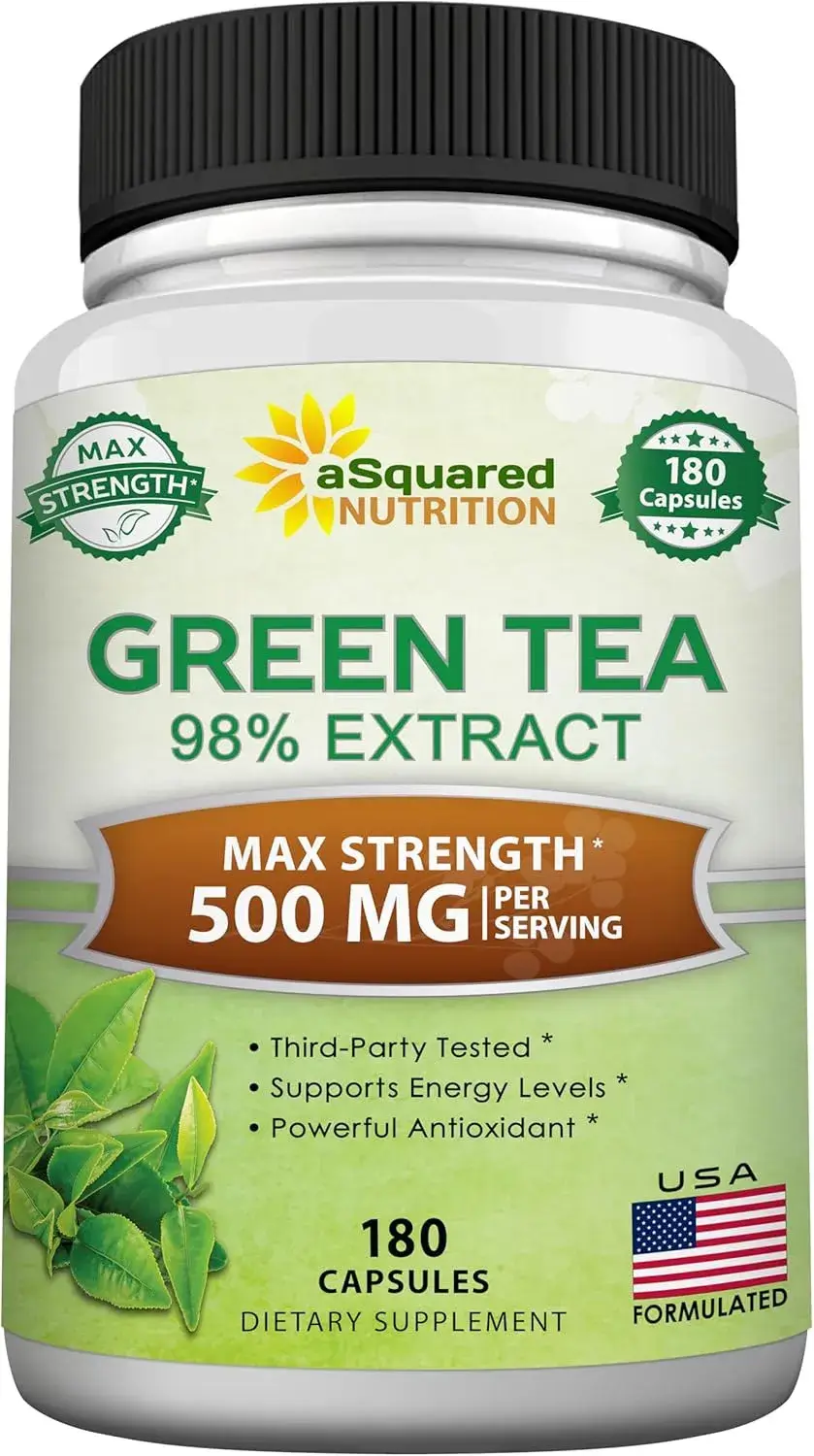
Made from unoxidized leaves, green tea retains the highest concentration of catechins, particularly EGCG. It’s the most studied tea for metabolism support, blood sugar regulation, and brain health, making it a strong default choice if you’re drinking tea primarily for wellness.
Black Tea
Fully oxidized, black tea trades some catechins for theaflavins and thearubigins, compounds linked to cholesterol and blood pressure support. It also has the highest caffeine content among true teas, making it a good middle ground between green tea and coffee.
Oolong Tea
Partially oxidized, oolong sits between green and black tea in both flavor and antioxidant profile. Some research suggests it may offer a helpful combination of metabolism and cholesterol benefits, though it’s less extensively studied than green or black tea.
White Tea
The least processed of the true teas, white tea is delicate in flavor but still rich in catechins. Its gentle processing may preserve more of the original antioxidant content per leaf, though typical serving sizes tend to be smaller.
Herbal Tea
Technically not “tea” at all since it doesn’t come from the Camellia sinensis plant, herbal blends like chamomile, peppermint, hibiscus, and rooibos offer their own unique compounds. Hibiscus, for example, has research behind it for blood pressure support, while chamomile is well known for promoting relaxation and better sleep.
Even the healthiest tea leaves won’t deliver their full benefit if they’re brewed incorrectly. A few simple adjustments can make a real difference in how many antioxidants actually end up in your cup.
Water Temperature Matters
Green and white teas are more delicate and are best brewed with water around 160–185°F (70–85°C); boiling water can scorch the leaves and destroy some of the beneficial catechins. Black and herbal teas can generally handle a full boil without losing much of their benefit.
Steep Longer for More Antioxidants
Steeping tea for 3 to 5 minutes typically extracts significantly more polyphenols than a quick 30-second dip. If bitterness is a concern, try a slightly lower water temperature rather than cutting the steep time short.
Loose Leaf vs. Tea Bags
Loose leaf tea generally has more room for leaves to expand and release their compounds fully, though high-quality tea bags with whole or large-leaf pieces can come close. Finely crushed “dust” found in some low-cost tea bags tends to oxidize faster and lose potency sooner.
Store It Properly
Tea’s antioxidant content degrades over time, especially when exposed to light, heat, and air. Keeping tea in a sealed, opaque container away from the stove or sunlight helps preserve its health-supporting compounds for longer.
FAQ
What health benefits does tea have compared to coffee?
Tea generally contains less caffeine than coffee and offers L-theanine, which promotes calm focus rather than a sharp energy spike. Tea also tends to have a different, often milder polyphenol profile that’s been linked to heart and metabolic benefits.
How many cups of tea should I drink to get health benefits?
Most research associating tea with health benefits looks at people drinking 2 to 4 cups per day. This amount appears to offer meaningful benefits for most healthy adults without excessive caffeine intake.
Does herbal tea have the same health benefits as green or black tea?
Herbal teas (like chamomile, peppermint, and hibiscus) don’t come from the tea plant and lack the catechins found in true teas, but they offer their own benefits, such as digestive support, relaxation, and antioxidants unique to each herb.
Can drinking too much tea have negative effects?
Very high intake can lead to excess caffeine effects like jitteriness or sleep disruption, and tea’s tannins may reduce iron absorption if consumed with meals. Moderation, as with most things, is key.
Does adding milk or sugar reduce tea’s health benefits?
Some research suggests milk proteins may bind to certain antioxidants and reduce their absorption, while added sugar contributes empty calories. Drinking tea plain preserves the most benefits.
Is decaffeinated tea still healthy?
Yes. Most of tea’s polyphenol content remains after decaffeination, so decaf drinkers still get many of the antioxidant benefits, just with less caffeine.
Conclusion
So, what health benefits does tea have? As we’ve covered, the list is genuinely impressive: better heart health, sharper focus, a steadier metabolism, stronger immunity, and a healthier gut, all wrapped up in a comforting daily ritual. Few beverages offer this much research-backed support for your wellbeing in a single cup.
The best approach is simple — pick a tea you genuinely enjoy, drink it consistently, and keep it as close to plain as you can. Whether you reach for green, black, oolong, or a favorite herbal blend, you’re giving your body a meaningful, evidence-based boost, one cup at a time.
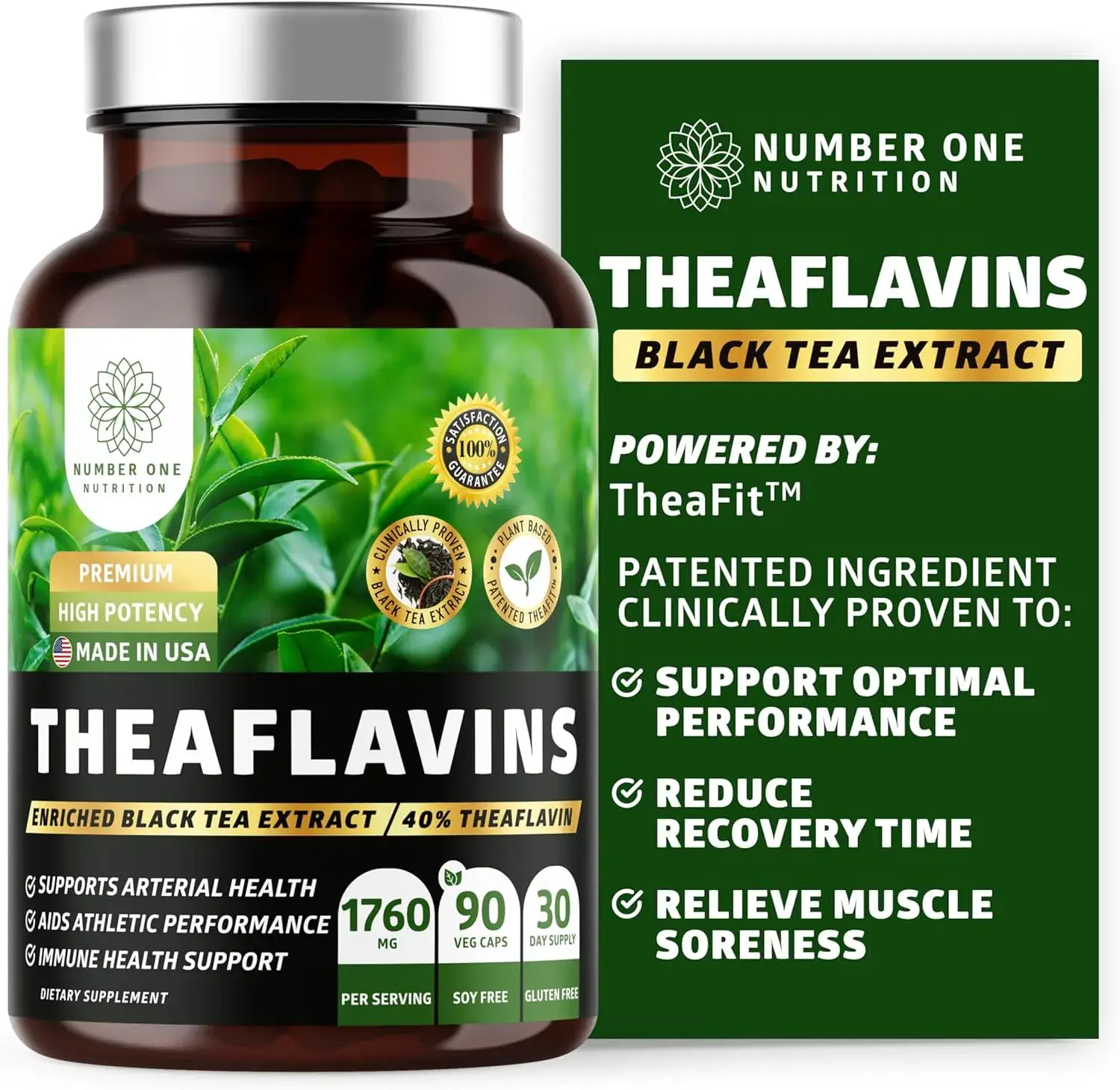
Black Tea Extract that is rich in natural theaflavins and polyphenols that help protect your body from free radicals, promoting overall immune health and well-being
Contains blended amounts of Fruits and Veggies. All natural, with whole foods, fruit and vegetable supplement.Perfect for everyone looking to live a healthier lifestyle.