Ever wondered why some tea tastes like fresh spring flowers while others are rich and muscatel? The darjeeling tea first flush vs second flush comparison is key to mastering your taste. These two harvests showcase the best of the Himalayan foothills.
Each season gives your tea a unique flavor. The early spring harvest is known for its light, floral taste. On the other hand, the summer picking is bolder and more complex, loved by many. Learning to identify these seasonal treasures will change how you enjoy the “Champagne of teas.”
Key Takeaways
The spring harvest offers a light, floral, and brisk flavor profile.
Summer harvests are famous for their signature muscatel grape notes.
Color differences help you identify the harvest season visually.
Proper brewing techniques enhance the unique characteristics of each batch.
Both harvests are considered premium selections from the Himalayan region.
The Seasonal Magic of Darjeeling Tea
Darjeeling tea’s charm starts in the misty mountains, long before it’s in your cup. This famous area is known for its top-quality leaves. It’s all thanks to nature and tradition coming together perfectly.
The Himalayan Terroir and Its Influence
The Himalayan tea estates have a unique geography. This shapes the taste of every tea harvest. High-altitude tea cultivation means tea bushes grow slowly.
This slow growth lets the leaves develop special compounds. These are not found in teas grown at lower elevations. The cool air, rich soil, and mist create a terroir unlike anywhere else.
Why Timing Matters in Tea Production
Knowing about the seasonal tea harvest is key for tea lovers. Each harvest shows a different side of the tea plant. This is due to changes in weather and sunlight.
Following these harvests gives you a deeper understanding. Timing is everything in tea making. A little rain or warmth can change the tea’s aroma and taste a lot.
Understanding Darjeeling Tea First Flush vs Second Flush
To truly appreciate your favorite cup, you must learn the differences between darjeeling tea first flush vs second flush. These two periods are key in the Himalayan tea calendar. Knowing how tea oxidation levels change between them helps you pick the right flavor for you.
Defining the First Flush Harvest
The spring harvest tea happens right after winter, from March to April. These young leaves are very delicate and need careful handling. Producers keep tea oxidation levels low to keep the tea’s natural freshness.
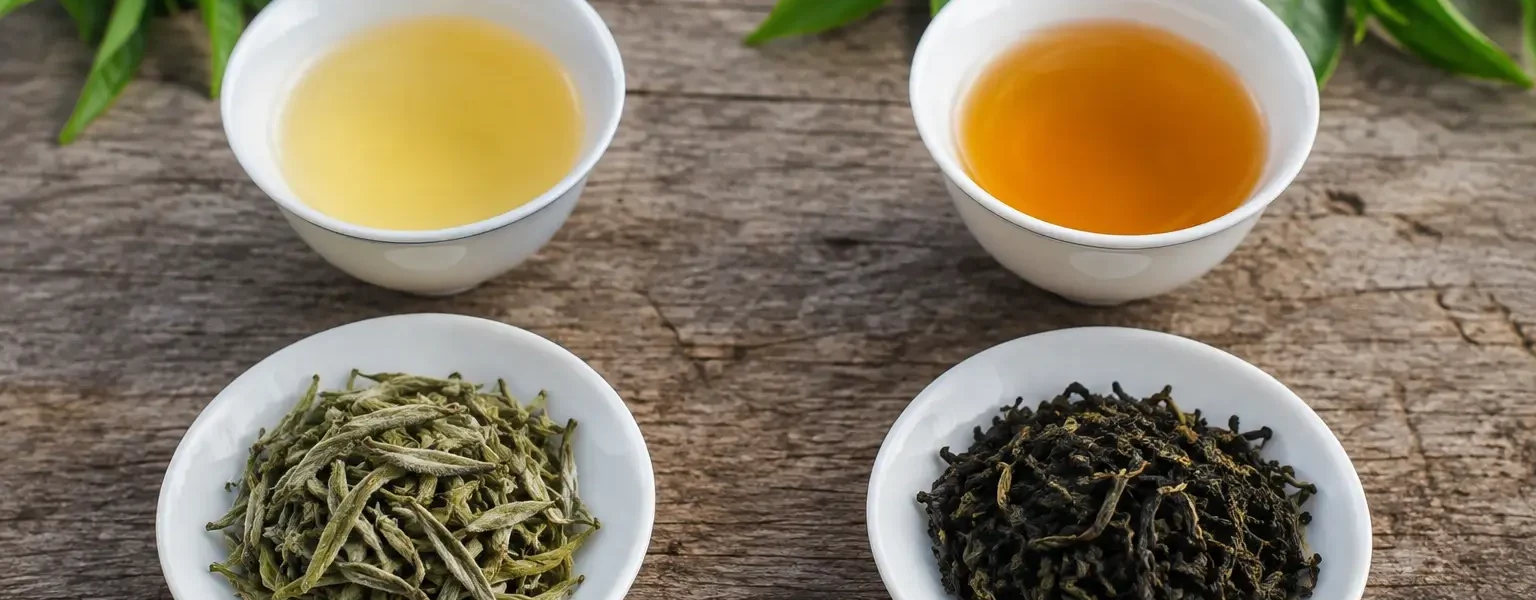
When you brew this tea, you’ll get a light, golden liquid that feels crisp. It’s known for its floral aroma and bright finish. Many see this as the tea bush’s most vibrant form after winter.
Defining the Second Flush Harvest
As May and June come, the summer harvest tea starts. Warmer weather and more sunlight make the leaves more complex. Tea oxidation levels rise a bit, changing the leaf’s character.
This change makes the tea deeper, with an amber color and a muscatel flavor. It’s smoother and more rounded than the spring tea. It has a rich, fruity sweetness that lingers, perfect for those who like a full-bodied tea.
Characteristics of First Flush Darjeeling
The spring in Darjeeling brings life to the hills. This spring harvest tea is a true reflection of the mountains’ awakening. Every sip brings the fresh air of the Himalayas to your taste buds.
The Springtime Awakening
The unique climate of Darjeeling is key to its tea quality. High-altitude tea cultivation lets the bushes grow slowly. This slow growth is what makes the tea so bright and floral.
Appearance and Leaf Quality
The dry leaves of this tea have a special tea leaf appearance. They are smaller and more delicate than later harvests. As a premium loose leaf tea, it’s valued for its young shoots, picked by hand.
Coloration and Texture
The leaves show off light green and silvery colors. Their soft texture shows the plant’s youth in early spring. Look for these signs to find a genuine, high-quality tea.
As summer sun hits the Himalayan slopes, tea bushes change a lot. This marks the start of the summer harvest tea. It’s a big change from the lighter spring teas.
This premium loose leaf tea has a rich and deep taste. The leaves grow slowly in the summer heat. This lets them pack more natural oils and sugars.
The Summer Maturity
The leaves mature differently in Darjeeling’s unique climate. Longer, warmer days make the plants produce more complex chemicals.
More sunlight helps the leaves make more polyphenols.
The slower growth makes the tea more robust and full-bodied.
The leaves look darker and more mature than spring leaves.
The Famous Muscatel Flavor
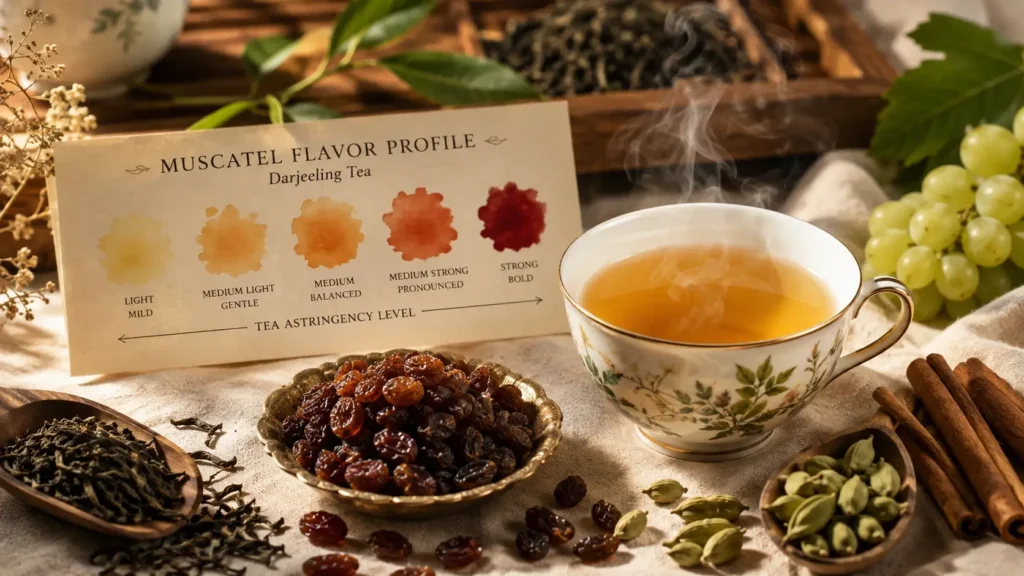
The muscatel flavor profile is the summer harvest’s best feature. It tastes sweet, like grapes, and adds a fancy touch to each sip.
This flavor makes the tea famous worldwide. Drinking this premium loose leaf tea is like tasting perfection.
Why the Muscatel Note is Highly Prized
Tea lovers love the muscatel flavor profile for its perfect balance. It’s not just a taste; it’s a rich experience that stays with you.
This flavor is hard to find, making summer harvest tea a rare find. The natural sweetness and the woody, spicy notes of the leaves are amazing together.
Visual Differences in Dry and Infused Leaves
Learning to spot the tea leaf appearance enhances your tea appreciation. By examining leaves before and after brewing, you grasp the tea’s unique traits. This skill helps you identify different tea harvests with confidence.
Examining the Dry Leaf
Dry leaves show clear differences between the two harvests. First flush leaves are bright and greenish, showing their early spring origin. They are smaller and more delicate.
Second flush leaves are darker and more mature. Look for golden tips for higher quality. These leaves are robust, reflecting the summer sun’s influence.
Observing the Infused Leaf
Hot water changes the leaves, revealing their true nature. Notice how tea oxidation levels alter the wet leaves’ color. First flush leaves turn soft, light green or olive, keeping their fresh taste.
Second flush leaves darken to a coppery brown. This change comes from their longer bush time. This transformation is a rewarding experience that connects you to the tea’s natural cycle.
Color Variations in the Liquor
The final liquid in your cup is key to understanding the harvest. First flush brews have a pale, champagne-like Darjeeling tea liquor color. It’s light and inviting, like springtime.
Second flush brews are richer, with an amber tone. These tea oxidation levels hint at complex flavors. By comparing these visual cues, you can identify your favorite Darjeeling tea.
Comparing Flavor Profiles and Aroma Notes
Your taste buds will find a fascinating contrast when you try Darjeeling teas from different seasons. Each season brings unique qualities that make the tea tasting experience special.
Floral and Delicate First Flush Notes
The first harvest of the year is known for its ethereal and light taste. You’ll notice strong floral scents, like fresh spring flowers and wild herbs.
These teas are crisp and lively. They offer a refreshing taste that shows the pure beauty of the Himalayas.
Rich and Fruity Second Flush Notes
As summer comes, the tea leaves become more complex and mature. This time is famous for the muscatel flavor profile, with a deep, grape-like sweetness.
These leaves make a bolder cup than the spring teas. The aroma is like ripe stone fruits and honey, giving a sophisticated taste.
Comparing Mouthfeel and Astringency
Look at the Darjeeling tea liquor color when tasting. First flush teas are pale, like champagne. Second flush teas are deeper, with an amber color.
Also, notice the tea astringency levels. They change a lot between these two harvests. Here’s a table to show you the differences:
Attribute
First Flush
Second Flush
Aroma
Floral & Fresh
Fruity & Muscatel
Liquor Color
Light Champagne
Deep Amber
Mouthfeel
Crisp & Light
Smooth & Full
Astringency
Moderate
Low to Balanced
Whether you like a bright, energetic tea or a rich, mellow one, Darjeeling has it. Both harvests show the beauty of the region.
Mastering a few simple brewing techniques can transform your daily tea ritual. By focusing on the details, you unlock the hidden nuances of your favorite leaves. Brewing Darjeeling tea is an art form that combines science and sensory pleasure.
Water Temperature Considerations
Using the optimal water temperature is key. Boiling water can scorch the delicate leaves, making the tea taste bitter or flat. For most Darjeeling varieties, aim for a temperature between 185°F and 195°F.
If you don’t have a temperature-controlled kettle, let boiling water sit for about two minutes. This pause helps the temperature drop to a safer level. Consistency here ensures the tea’s natural sweetness is preserved.
Steeping Times for Delicate Leaves
Following a reliable tea steeping guide helps extract the best flavors. For a standard cup, start with three to four minutes of steeping. This time is usually enough to release the tea’s complex floral or fruity notes.
Always watch the clock to avoid bitterness. If you want a stronger brew, add more tea leaves instead of steeping longer. This keeps the flavor vibrant and clean.
Adjusting for Leaf Grade and Quality
Your technique should change based on the tea’s grade. Higher grades, like whole-leaf tippy teas, may need slightly longer steeping times. Broken leaf grades release flavor quickly and require careful monitoring to manage tea astringency levels.
If your tea tastes too sharp, try reducing the steeping time by thirty seconds next time. Adjusting your approach based on the leaf quality lets you customize every cup. Enjoy the journey of finding your perfect balance.
How to Source Authentic Darjeeling Teas
Finding authentic Darjeeling tea is a rewarding journey. It starts with knowing what makes it special. By looking for the right signs, you can build a collection that honors the region’s heritage. This way, every cup you drink will be as good as you expect.
Identifying Reputable Tea Estates
The quality of your tea starts with the Himalayan tea estates where it’s grown. These gardens are known for their unique climates and traditional ways of making tea. Look for estates that are open about their harvest times and how they make their tea.
World-class gardens are known for their quality and consistency over many years. You can find these by researching online or through tea merchants. Choose vendors who tell you where the tea comes from.
Reading Tea Labels and Certifications
When you’re shopping, check the tea certification labels on the packaging. The Tea Board of India has special logos that prove the tea is real and from the right place. These logos help you avoid fake tea.
Look for these details on the label:
The specific name of the tea estate.
The harvest season (First or Second Flush).
The grade of the leaf (e.g., FTGFOP1).
The date of packaging to ensure freshness.
Avoiding Common Market Misconceptions
Many people fall for teas that seem too cheap. Remember, true tea quality indicators come from the Himalayas, not just the name. If a tea is too cheap, it might be a blend, not pure Darjeeling.
Feature
Authentic Tea
Generic Blend
Origin
Specific Estate
Mixed Regions
Certification
Official Logo
None
Flavor
Complex/Distinct
Flat/Uniform
By knowing what to look for, you protect your taste and money. Choosing authentic Darjeeling tea lets you enjoy the mountains’ magic at home.
Storing Your Tea to Preserve Freshness
Storing your tea right is key to enjoying it for a long time. Using tea storage tips helps keep each cup as fresh as the day it was made. This way, you protect the special compounds that make your tea unique.
The Importance of Airtight Containers
Tea leaves soak up smells easily because they are very porous. An airtight container is the best way to keep your tea smelling good. High-quality canisters made of tin or glass with a tight seal are perfect.
These containers block oxygen, which harms tea freshness preservation. Oxygen makes the tea’s essential oils break down, losing their flavor. Keeping your tea sealed keeps these oils safe.
Managing Light and Humidity Exposure
Light and moisture can spoil your tea fast. Sunlight damages the leaves, making the tea taste flat. Store your tea in a dark, cool spot, like a cupboard or drawer.
Humidity is also a problem, as it can cause mold or make the tea ferment too soon. Don’t store tea in the fridge because it can get too wet. Keep it in a dry place to keep the tea quality high.
Ideal Shelf Life for Seasonal Teas
Tea isn’t forever, but it can last a while. First Flush teas are very delicate and should be drunk within six to nine months. Second Flush teas are a bit stronger but should be enjoyed within a year for the best taste.
Storage Factor
Recommended Action
Why It Matters
Container Type
Airtight Opaque Tin
Blocks light and air
Location
Cool, Dark Cupboard
Prevents heat degradation
Environment
Low Humidity Area
Stops moisture absorption
Shelf Life
6-12 Months
Ensures peak flavor
Conclusion
Your journey into Darjeeling tea shows how nature meets your cup. Learning about each seasonal tea harvest makes drinking tea a special experience.
You now know how to spot quality leaves from places like Castleton or Margaret’s Hope. By following these brewing and storage tips, you’ll get the full taste of the Himalayas in every cup.
Continue to explore the different tastes of these harvests. Your taste buds will get better as you try the light spring flavors against the strong summer ones. Share your favorite finds with others to keep the tradition going.
See tea-making as a way to find peace in your busy life. This knowledge helps you pick the best teas. Enjoy the rich flavors that come from a well-chosen seasonal tea harvest.
What is the primary difference in the darjeeling tea first flush vs second flush comparison?
The main difference is when the tea is harvested and how it’s oxidized. The first flush is harvested in spring and is light, floral, and brisk. The second flush, harvested in summer, is full-bodied, fruity, and has a muscatel flavor. Both come from the Himalayas but taste different due to the season.
Why is Darjeeling often referred to as the “Champagne of teas”?
Darjeeling is called the “Champagne of teas” because of its high-altitude cultivation. Like real Champagne, Darjeeling tea must come from a specific place. The unique terroir of gardens like Makaibari or Castleton gives it a special flavor and aroma.
How can I identify a premium First Flush by its tea leaf appearance?
Look for delicate, wiry leaves with light green and silver tones in a premium loose leaf tea. The brewed tea will be pale gold. These signs show the tea is fresh and minimally oxidized, typical of spring.
What exactly is the muscatel note found in second flush teas?
The muscatel flavor is sweet and fruity, like Muscat grapes. It develops in summer when insects bite the leaves. This natural process makes summer harvest teas, like those from Jungpana or Margaret’s Hope, very special.
Do I need to use a specific tea steeping guide for these different harvests?
Yes, adjust your brewing method for each harvest. Use cooler water and shorter times for the first flush to avoid bitterness. For the second flush, hotter water brings out the fruity notes. Adjusting your brewing ensures the best flavor.
How can I be sure I am purchasing authentic Darjeeling tea?
Look for the Tea Board of India’s official certification logo on the packaging. This logo means the tea is from Darjeeling. Buying from reputable sources that name the garden, like Goomtee or Okayti, also ensures quality.
What is the best way to handle tea freshness preservation at home?
Store tea in airtight containers in a cool, dark place. Light and humidity can damage the tea’s aroma. Even the second flush, with its longer shelf life, will stay fresh longer with proper storage.
Black Tea Extract that is rich in natural theaflavins and polyphenols that help protect your body from free radicals, promoting overall immune health and well-being
Contains blended amounts of Fruits and Veggies. All natural, with whole foods, fruit and vegetable supplement.Perfect for everyone looking to live a healthier lifestyle.