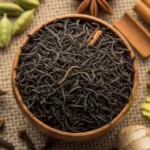
Learning how to make chai tea at home from scratch is one of the most rewarding culinary rituals you can master. Unlike sugary, watered-down coffee shop syrups, authentic Indian chai—traditionally known as Masala Chai (meaning “spiced tea”)—is a rich, creamy, and deeply aromatic brew made by simmering crushed whole spices and robust black tea leaves in a harmonious blend of water and whole milk. Whether you call it brewing or cooking chai, this foolproof 5-step stovetop method delivers cafe-quality warmth and complex flavor in just 15 minutes.
Quick Answer: How to Make Authentic Chai Tea at Home
The Golden Ratio: 1 cup filtered water to 1 cup whole milk (or creamy oat milk), 2 teaspoons strong Assam/CTC black tea, and 1–2 teaspoons natural sweetener (jaggery, turbinado sugar, or raw honey).
Essential Spices (for 2 servings): 4 cracked green cardamom pods, 1-inch fresh crushed ginger, 1 cinnamon stick, 3 whole cloves, and 2 black peppercorns.
The Stovetop Secret: Always crush whole spices coarsely and simmer them in boiling water before adding milk. Milk fats coat unextracted spices and prevent flavor release. Bring the final tea to a rolling boil twice (“double boil”) for silky texture.
Caffeine Content: A typical 8 oz cup provides ~40–50 mg of caffeine. For a comprehensive caffeine breakdown by brewing style, read our guide on do chai teas have caffeine.
Cracked cardamom, ginger, cinnamon, clove, black pepper
8–10 mins total
Jaggery or raw turbinado sugar
Light Everyday Chai (Lower Calorie)
2 : 1 (2 cups water, 1 cup low-fat / almond milk)
Orthodox Darjeeling or Ceylon Black Tea
Cardamom, light ginger, touch of cinnamon
5–7 mins
Raw honey or pure stevia
Creamy Chai Latte (Cafe Style)
1 : 2 (1/2 cup water concentrate, 1 cup steamed milk)
Strong English Breakfast or Chai Blend
Cinnamon-forward with nutmeg & vanilla
10 mins (concentrate)
Brown sugar or maple syrup
Iced Dirty Chai (Espresso Infused)
1 : 1 (Brewed double-strength, cooled over ice)
Assam Black Tea + 1 shot Espresso
Full spice blend + splash of vanilla extract
8 mins
Simple syrup or sweetened condensed milk
Looking to explore how traditional spiced tea fits into broader tea traditions? Check out our complete hub on Chai Tea Guides or learn fundamental kettle techniques in our How to Brew Tea Collection.
What is Chai Tea? Authentic Roots vs Western Interpretations
In South Asia and across the Indian subcontinent, the word chai simply translates to “tea” (derived from the Chinese word chá). When people in Western countries order “chai tea,” they are technically saying “tea tea.” The authentic beverage they are craving is Masala Chai, where masala refers to a fragrant mixture of warming medicinal spices.
Rooted in ancient Ayurvedic wellness traditions dating back over 5,000 years, the original recipe was an herbal decoction brewed without tea leaves to soothe digestion and boost circulation. It was only during British colonial rule in 19th-century Assam that native black tea leaves were added to the pot, giving birth to the iconic morning drink now served on every street corner by Indian chaiwalas.
Ingredients for Authentic Homemade Chai Tea (2 Servings)
To brew a transcendent cup of chai, the quality and form of your ingredients matter far more than fancy equipment:
2 Cups Liquid: 1 cup fresh filtered water and 1 cup whole dairy milk (or barista-grade oat milk). Whole milk provides the necessary fat emulsion to bind aromatic spice oils.
2 Teaspoons Loose CTC Black Tea: CTC (“Crush, Tear, Curl”) Assam tea produces tiny, dense black tea pellets that infuse rapidly with dark color, maltiness, and robust astringency that cuts cleanly through milk. If CTC is unavailable, use loose leaf English Breakfast or 2 quality Assam tea bags.
4 Green Cardamom Pods (Elaichi): The non-negotiable soul of chai, offering citrusy, floral, and herbal notes. Lightly crush the pods with the side of a knife or in a mortar to expose the fragrant black inner seeds.
1 Inch Fresh Ginger Root (Adrak): Peeled and finely grated or bruised. Fresh ginger delivers a zesty, warming bite that powdered ginger simply cannot replicate.
3 Whole Cloves (Laung): Delivers deep warmth and rich eugenol essential oils.
2–3 Whole Black Peppercorns (Kali Mirch): Adds a subtle, tingling throat warmth that balances the sweet milk.
1–2 Teaspoons Sweetener: Traditional unrefined cane sugar (jaggery / gur), turbinado sugar, or honey. Sweetener is essential in chai: it does not just sweeten; it acts as a molecular flavor amplifier that suppresses bitter tannins and opens up hidden spice bouquets.
Step-by-Step Guide: How to Make Chai Tea on the Stovetop
Follow these five precise steps to brew authentic masala chai with rich body and balanced spice extraction:
Step 1: Crush the Whole Spices
Place your green cardamom pods, cloves, cinnamon pieces, and black peppercorns into a mortar and pestle. Pound them coarsely until the pods split open and the seeds crack. Finely grate or bruise your fresh ginger slice. Pro tip: Do not grind spices into fine powder, or your tea will turn gritty and cloudy.
Step 2: Simmer Spices in Water First (Aroma Extraction)
In a small saucepan, combine 1 cup of cold filtered water with your crushed spices and ginger. Bring the water to a vigorous boil over medium-high heat, then reduce heat to medium-low. Allow the spices to gently simmer uncovered for 4 to 5 minutes. You will notice the water turning a pale amber tint and filling your kitchen with intoxicating aromas. Extracting spices in plain water first is vital: water is a polar solvent that pulls out water-soluble botanical compounds without the interference of milk fats.
Step 3: Add the Black Tea Leaves
Add 2 teaspoons of loose Assam CTC black tea leaves (or 2 tea bags) directly into the simmering spiced water. Maintain a gentle simmer for 2 to 3 minutes. Watch as the liquor deepens into a rich, dark mahogany hue. Avoid boiling tea leaves longer than 4 minutes at this stage to prevent excessive bitterness from harsh catechins.
Step 4: Pour in Milk & Sweetener (The Double-Boil Secret)
Pour 1 cup of whole milk and 1 to 2 teaspoons of sweetener into the pot. Turn the heat back up to medium. As the mixture heats, stir gently to dissolve the sugar. Watch the pot closely as it approaches a boil: milk proteins will cause the chai to rise up rapidly with thick frothy bubbles. Just before it boils over, reduce heat to low and let it subside. Repeat this process once more—bringing it to a rolling foam a second time. This traditional double-boil method caramelizes milk lactose, aerates the liquid, and melds the tea and dairy into an ultra-creamy consistency.
Step 5: Strain, Pull, and Serve
Remove the saucepan from the stove. Position a fine-mesh stainless steel strainer over two ceramic mugs. Pour the hot chai through the strainer to catch all tea leaves, ginger shreds, and whole spices. If you want authentic street-style froth, hold the saucepan 6–10 inches above the cup and “pull” the pour into the cup to naturally aerate the beverage. Serve piping hot with traditional Parle-G biscuits, shortbread, or roasted nuts.
4 Common Chai Brewing Mistakes & How to Fix Them
If your homemade chai hasn’t tasted quite as rich as what you get in specialty tea shops, one of these four common stumbling blocks is usually the culprit:
1. Watery, Diluted Taste: Caused by using low-fat skim milk or adding too much water. Authentic chai demands whole milk fats to carry the fat-soluble terpenes in cardamom and cinnamon. If using plant milk, stick strictly to barista-edition oat milk or full-fat cashew milk.
2. Overly Bitter or Astringent Finish: Caused by boiling black tea leaves for more than 4–5 minutes, or turning the heat up too high when tea leaves are in the pot. Simmer spices long, but steep tea leaves quickly.
3. Gritty Sludge at the Bottom of the Mug: Caused by using pre-ground kitchen spice powders (powdered ginger, ground cinnamon). Fine powders slip right through fine strainers. Always use coarsely crushed whole spices.
4. Milk Curdling: Fresh ginger contains natural protease enzymes (zingibain) that can curdle milk if heated improperly. Simmering ginger in water first deactivates these enzymes before milk touches the pot!
Evidence-Based Health Benefits of Spiced Chai Tea
Beyond its comforting taste, every core ingredient in authentic chai delivers scientifically proven wellness benefits:
Digestive Support: Fresh gingerol from ginger stimulates gastric motility and eases bloating, while cardamom volatile oils relax intestinal spasms (PubMed Central).
Blood Sugar Regulation: Cinnamaldehyde found in cinnamon mimics insulin action and improves cellular glucose uptake, helping blunt post-meal sugar spikes (NIH / NCCIH).
Cardiovascular Health: Black tea contains potent theaflavins and thearubigins that support healthy arterial endothelium and promote optimal blood lipid profiles.
Calm Yet Focused Energy: The natural combination of ~40 mg caffeine with L-theanine from black tea provides smooth, jitter-free mental clarity without the crash typical of drip coffee.
Coarsely crushed whole spices should be simmered in water for 4 to 5 minutes before adding tea leaves or milk. This allows water-soluble aromatic oils to extract completely into the liquid. Boiling them longer than 10 minutes can make clove and pepper flavors overpowering.
Why does my homemade chai taste weak or watery?
Homemade chai tastes watery when using too much water relative to milk (stick to a strict 1:1 ratio), when using low-fat skim milk, or when using delicate orthodox tea leaves instead of robust CTC Assam tea. Furthermore, without a pinch of sugar or sweetener, the spice notes cannot fully bloom on your palate.
Is chai tea good for weight loss?
Plain brewed chai tea made with spices and black tea is virtually zero calories and can support metabolism via black tea polyphenols and gingerols. However, traditional chai made with whole milk and sugar contains approximately 90–120 calories per cup. For weight management, use unsweetened almond or oat milk and zero-calorie natural stevia.
Can I make a big batch of chai concentrate ahead of time?
Yes! You can brew a concentrated spiced tea base by boiling 4 cups of water with double the spices and tea leaves for 10 minutes. Strain out all solids and store the spiced concentrate in a glass mason jar in the refrigerator for up to 5 days. When ready, simply mix equal parts chilled concentrate and hot milk.
Conclusion: Enjoy Your Perfect Homemade Stovetop Chai
Mastering how to make chai tea at home frees you from artificial store-bought concentrates and invites rich Ayurvedic wellness into your morning routine. With crushed whole cardamom, pungent fresh ginger, hearty Assam tea, and the double-boil stovetop technique, you now have the exact secrets used by India’s master chaiwalas. Adjust your spices to your personal palate, pour with pride, and savor every aromatic sip!
Medical & Wellness Disclaimer: The content published on Tea World is for educational and informational purposes only and is not intended as medical advice, diagnosis, or treatment. Always consult a qualified physician or healthcare provider before using herbal infusions or botanical supplements, especially if you are pregnant, nursing, taking prescription medications, or managing an existing health condition.
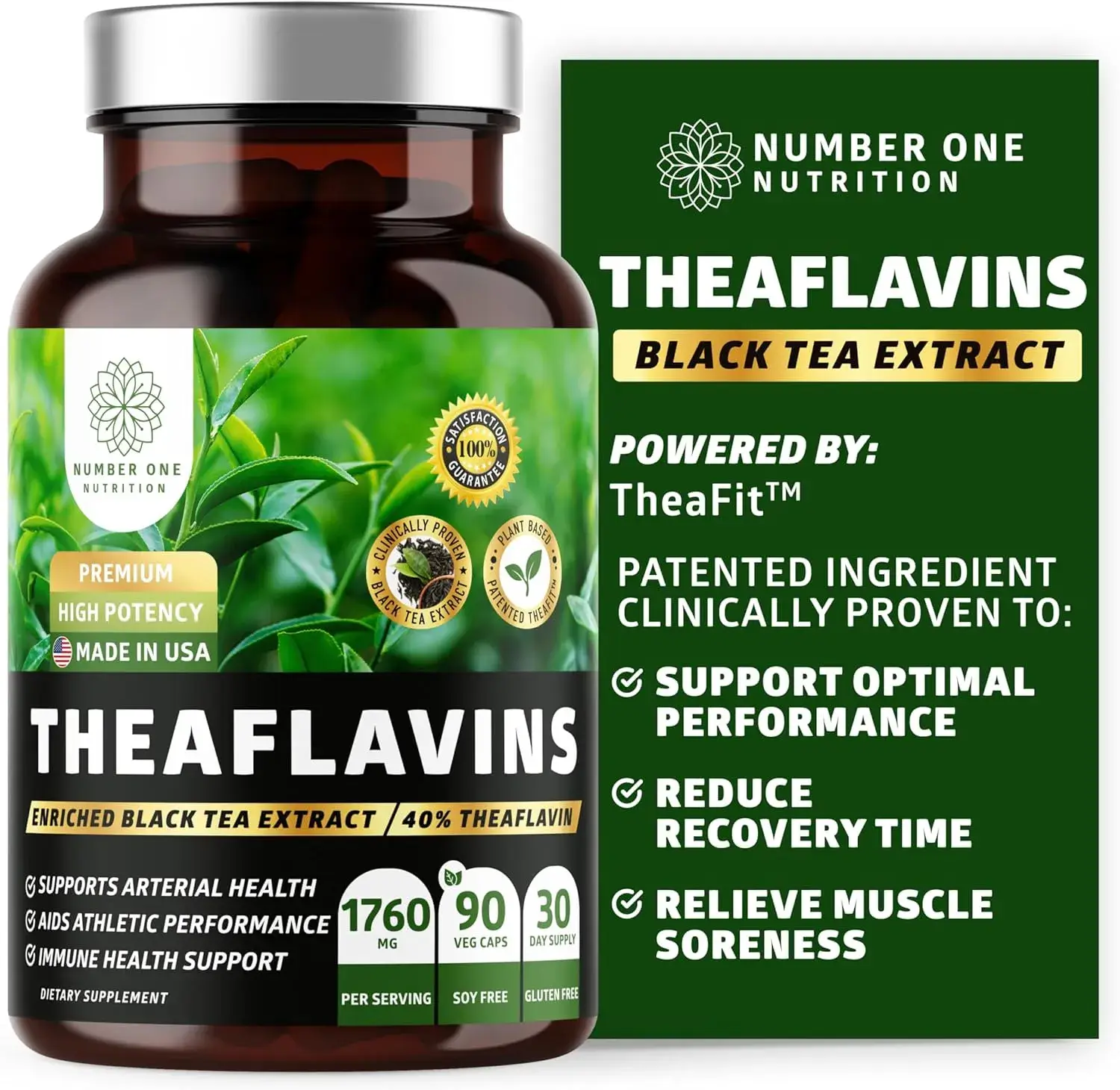
Black Tea Extract that is rich in natural theaflavins and polyphenols that help protect your body from free radicals, promoting overall immune health and well-being
Contains blended amounts of Fruits and Veggies. All natural, with whole foods, fruit and vegetable supplement.Perfect for everyone looking to live a healthier lifestyle.