Exact Milligrams Per Cup: An 8-ounce cup of brewed drip coffee contains 80 to 120 mg of caffeine, whereas a traditional 2-gram bowl of ceremonial matcha delivers 60 to 70 mg (roughly double steeped green tea). However, a 16-ounce café matcha latte (3–4 g powder) reaches 110 to 135 mg, rivaling a tall coffee.
The L-Theanine Difference: Shade-grown matcha supplies 30 to 45 mg of L-theanine per serving (coffee has 0 mg), stimulating alpha brain waves for calm, jitter-free focus over 4 to 6 hours instead of coffee’s rapid 2–3 hour spike and crash.
Stomach Acidity (pH): Matcha sits near neutral (pH 5.5–6.0) without coffee’s harsh chlorogenic acids, making it noticeably gentler on acid reflux and sensitive stomachs.
Grade & Preparation Impact: First-harvest ceremonial grade (32–35 mg/g) holds more caffeine and umami than culinary grade (22–28 mg/g); thick koicha (4 g) doubles the caffeine of thin usucha (2 g).
Safe Daily Limit: Stay under the FDA’s 400 mg/day adult caffeine guideline (or 200 mg/day during pregnancy).
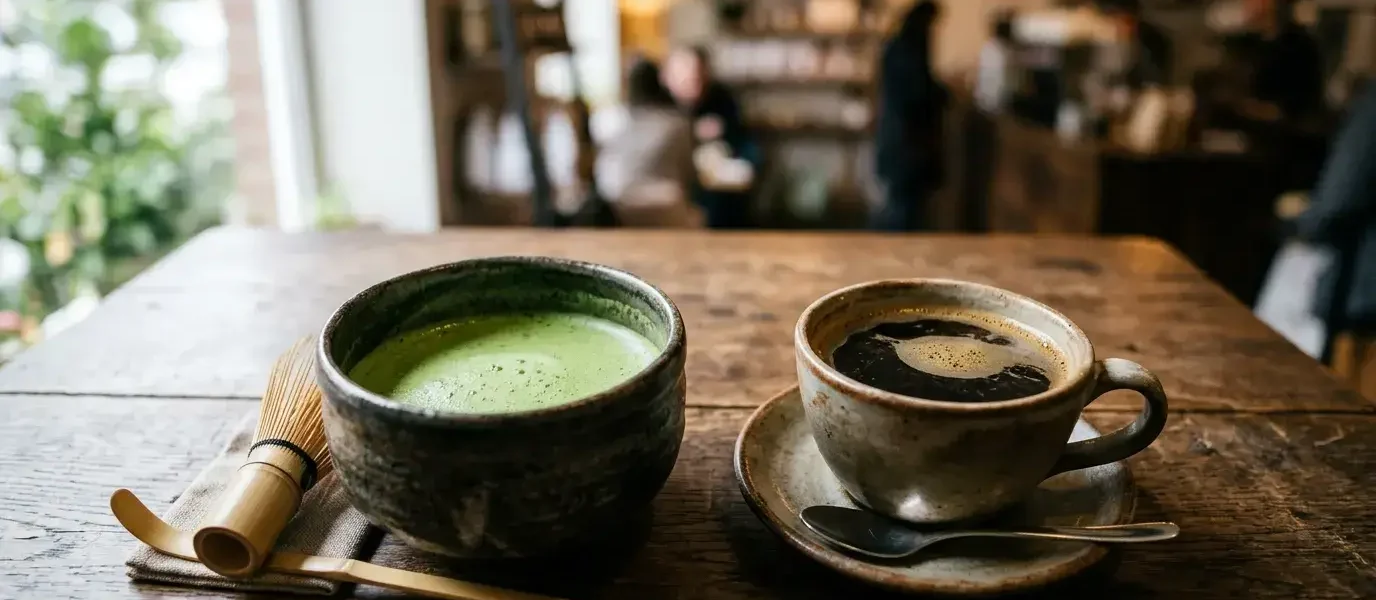
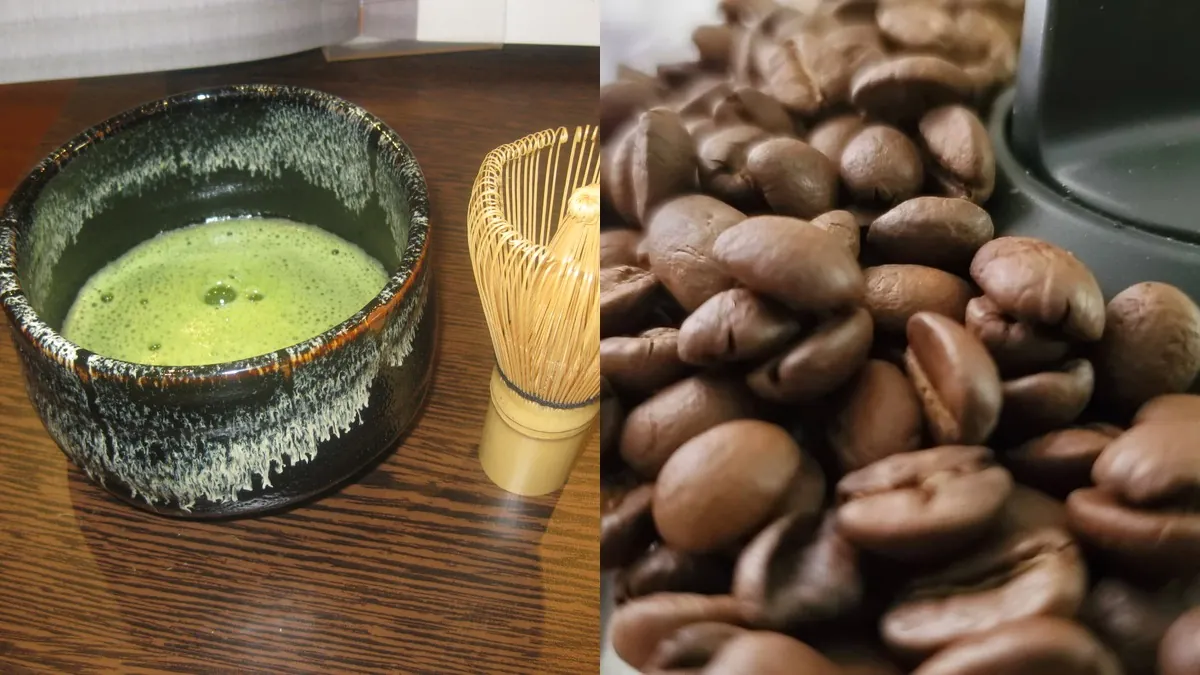
Morning routines often come down to a choice between a steaming mug of coffee and a freshly whisked bowl of jade-green tea. That choice usually sparks one practical question: how does matcha tea caffeine vs coffee actually compare when it comes to energy, focus, and the afternoon slump?
On paper, coffee carries more total caffeine per cup. In your bloodstream, however, matcha behaves very differently because you consume the entire stone-ground tea leaf along with high concentrations of L-theanine and catechins.
In our tasting tests comparing Uji ceremonial matcha against medium-roast drip coffee, the difference showed up within thirty minutes. Coffee delivered a fast, sharp jolt that peaked early, while matcha produced calm, steady concentration that lasted well into the afternoon. Here is how the numbers, chemistry, and brewing habits compare.
Matcha Tea Caffeine vs Coffee: How Much Is in Each Cup?
Many tea drinkers are surprised to learn how close matcha comes to a modest cup of coffee. Unlike regular green tea, where you steep the leaves and throw them away, whisking matcha suspends the entire pulverized leaf in water so you ingest 100 percent of its water-soluble and bound compounds.
Milligrams per Serving: Ceremonial Matcha, Lattes, and Drip Coffee
Portion size and scoop weight drive the exact milligram count in your mug. According to the U.S. Food and Drug Administration (FDA), an 8-ounce cup of coffee averages 80 to 100 milligrams of caffeine, while steeped green or black tea averages 30 to 50 milligrams.
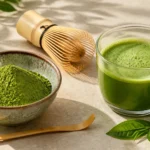
Matcha sits right between those two benchmarks. One standard 2-gram serving (two bamboo chashaku scoops or roughly one level teaspoon) of ceremonial matcha contains about 64 to 70 milligrams of caffeine. A 16-ounce café matcha latte often uses 3 to 4 grams of powder, pushing caffeine to 110 to 135 milligrams, which rivals a tall Americano. You can explore serving breakdowns in our guide on does matcha tea have caffeine.
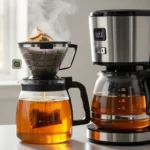
In brewed coffee, water extracts free caffeine molecules quickly, and your stomach absorbs them within 15 to 45 minutes. Matcha powder contains plant fiber and dense polyphenol complexes alongside caffeine. Those tea catechins bind loosely to caffeine in the digestive tract, slowing the speed at which caffeine crosses into your bloodstream and stretching the energy curve over three to six hours.
How Do Matcha and Coffee Compare Side by Side?
When choosing a daily morning ritual, how a drink treats your stomach, focus, and sleep matters just as much as the label on the bag. Matcha offers lower acidity, zero coffee oils, and sustained four-to-six-hour alertness thanks to L-theanine, whereas coffee gives a rapid adrenaline lift within 20 minutes and more frequently triggers jitters or an afternoon crash.
Caffeine, Energy Curve, and Nutrition Comparison Table
Use this comparison table to evaluate matcha tea caffeine vs coffee across standard single servings and café lattes:
Feature
Ceremonial Matcha (2 g / 8 oz)
Café Matcha Latte (16 oz / 3.5 g)
Brewed Drip Coffee (8 oz)
Caffeine Content
60 to 70 mg
110 to 135 mg
80 to 120 mg
L-Theanine Content
30 to 45 mg (high)
50 to 70 mg (high)
0 mg
Peak Energy Onset
30 to 45 minutes (gradual)
30 to 45 minutes (steady)
15 to 30 minutes (rapid spike)
Duration of Alertness
4 to 6 hours, gentle taper
4 to 6 hours, sustained
2 to 3 hours, faster drop
Typical pH (Acidity)
5.5 to 6.0 (mild)
6.0 to 6.4 (buffered with milk)
4.8 to 5.1 (acidic)
Key Antioxidants
EGCG catechins, chlorophyll
EGCG catechins, chlorophyll
Chlorogenic acids
Calories (Plain)
5 to 10 kcal
120 to 240 kcal (with milk/syrup)
2 to 5 kcal
Acidity, Stomach Comfort, and Dental Staining
Roasted coffee beans contain chlorogenic acids and N-alkanoyl-5-hydroxytryptamides that stimulate gastric acid secretion, which explains why black coffee often triggers heartburn on an empty stomach. Pure matcha sits closer to neutral pH and is noticeably gentler on sensitive digestion. Still, strong tannins in low-grade powder can occasionally cause mild nausea before breakfast; read our tips on drinking matcha tea on an empty stomach.
Both drinks can tint tooth enamel over time, though coffee’s dark chromogens stain porcelain and enamel faster than matcha’s green chlorophyll. Rinsing with plain water right after finishing your cup protects your teeth in either case.
Why Does Matcha Feel Calmer Than Coffee?
Farmers do not grow matcha the same way they grow standard green tea. Every step from field shading to granite stone-milling shifts the leaf chemistry toward calm alertness, boosting L-theanine and chlorophyll while smoothing out caffeine’s jittery edge.
How Shade-Grown Tencha Boosts L-Theanine and Chlorophyll
Three to four weeks before the spring harvest (ichibancha), tea growers in Uji and Nishio drape reed screens or dark mesh canopies over their Camellia sinensis bushes, blocking 80 to 90 percent of direct sunlight. Deprived of bright sun, the tea plant stops converting L-theanine into bitter astringent catechins and packs extra chlorophyll into the young leaves.
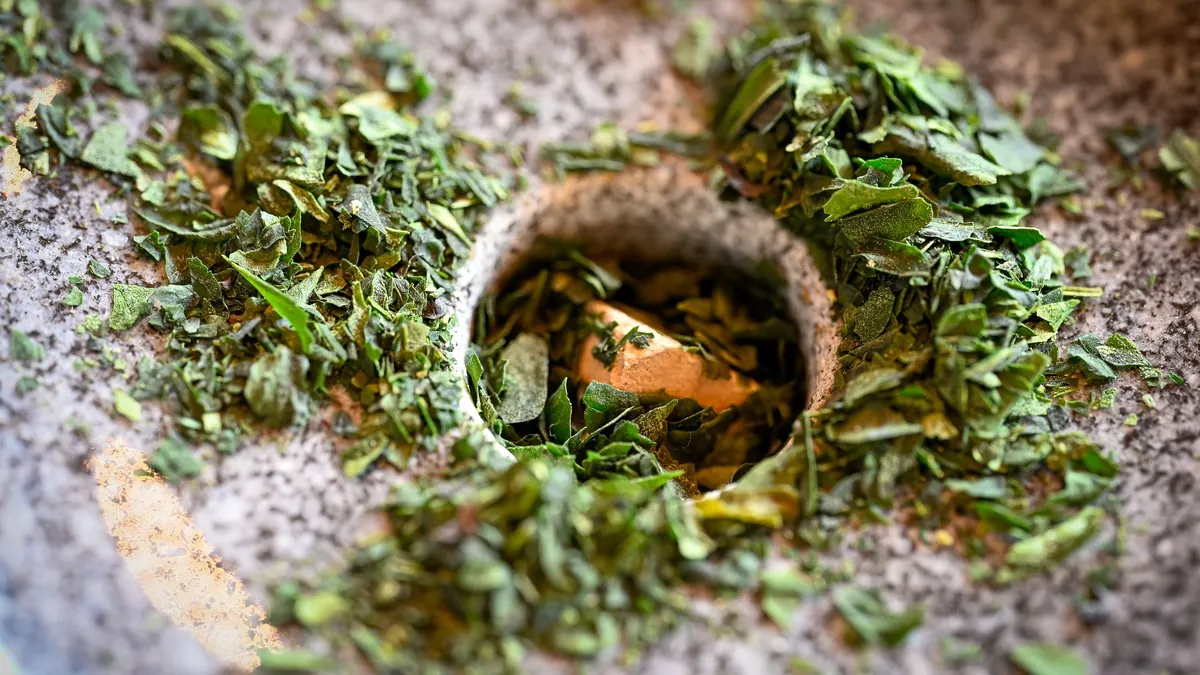
After plucking, the leaves are briefly steamed within hours to prevent oxidation, dried, and destemmed into flat flakes called tencha. Slow-turning granite mills then grind those unoxidized tencha leaves into ultra-fine powder. For more on how this unoxidized leaf compares with steeped leaf tea, see our guide to green tea sencha and matcha benefits.
The L-Theanine and Caffeine Synergy Explained
In coffee, caffeine acts alone by blocking adenosine receptors, which triggers adrenaline and cortisol release. In matcha, 60 to 70 milligrams of caffeine arrive paired with 30 to 45 milligrams of L-theanine.
Clinical trials indexed on PubMed studying L-theanine and caffeine together found that the combination improved speed and accuracy on demanding attention-switching tasks while reducing susceptibility to distraction compared with caffeine alone, and EEG studies on L-theanine confirm increased alpha brain wave activity linked to relaxed alertness.
EGCG Catechins, Blood Sugar, and Cortisol Response
A peer-reviewed matcha green tea nutritional review hosted on PMC (NIH) notes that shade-grown matcha delivers high levels of epigallocatechin gallate (EGCG) alongside rutin and vitamin C. Because matcha causes a smaller acute spike in stress hormones than strong espresso, many people sensitive to cortisol jitters tolerate matcha without sweaty palms or afternoon fatigue.
What Determines the Caffeine Level in Your Matcha Bowl?
Just as a light-roast Ethiopian pour-over differs from dark Italian espresso, not every tin of green powder delivers the same caffeine punch. Three factors control the dose in your bowl: harvest grade, cultivar origin, and powder-to-water ratio.
Ceremonial Grade vs Culinary Grade and Harvest Flush
True ceremonial grade matcha is milled exclusively from tender top buds and first-flush leaves picked in May during the spring harvest. Young shoots naturally synthesize higher caffeine and amino acids to protect delicate new growth, giving ceremonial matcha around 32 to 35 milligrams of caffeine per gram alongside a sweet, savory umami taste.
Culinary grade matcha often blends second-flush or autumn-picked leaves that sit lower on the bush. Those mature leaves hold slightly less caffeine per gram (around 22 to 28 milligrams) and lower L-theanine, resulting in a brisker, more astringent flavor meant to stand up to milk, oat milk, or baking ingredients.
Cultivars, Terroir, and Shading Duration (Uji vs Nishio)
Single-cultivar Japanese teas vary noticeably in amino acid and alkaloid balance. Traditional Kyoto and Uji cultivars such as Samidori, Gokou, and Asatsuyu shaded for 25 to 28 days develop deep umami and velvety L-theanine sweetness that cushions their caffeine. Meanwhile, vigorous Yabukita or Okumidori bushes grown in Kagoshima and Shizuoka produce bright, slightly brisker cups.
Usucha vs Koicha Ratios and Water Temperature
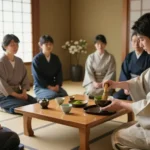
In Japanese tea practice, thin tea (usucha) whisks 2 grams of sifted powder into 2.5 to 3 ounces (70 to 90 ml) of water at 175°F (80°C), yielding roughly 65 milligrams of caffeine. Thick tea (koicha) uses 4 grams of ceremonial powder kneaded into 1.5 ounces (45 ml) of water, jumping to 130 to 140 milligrams in one small bowl. Learn more about traditional preparation in our overview of what is matcha tea.
How to Switch From Coffee to Matcha Without Caffeine Headaches
When we whisked Uji ceremonial matcha beside drip coffee in our kitchen, we noticed that heavy coffee drinkers who quit cold turkey often blame matcha for mild day-one headaches. In reality, dropping from 250 milligrams of coffee caffeine straight down to 65 milligrams triggers classic caffeine withdrawal.
A 7-Day Taper Plan to Avoid Withdrawal
Days 1 to 3 (Replace the Second Cup): Keep your normal morning coffee, but swap your mid-morning or afternoon cup for one 2-gram bowl of usucha matcha.
Days 4 to 5 (Half-Caff Morning): Drink half your usual coffee portion at breakfast, then whisk a 2-gram bowl of matcha 60 minutes later to bridge the gap smoothly.
Days 6 to 7 (Full Switch): Move to a 3-gram ceremonial matcha latte in the morning, and step down to 2 grams once your adenosine receptors adjust over the following week.
How to Whisk Matcha at 175°F for Smooth, Sweet Energy
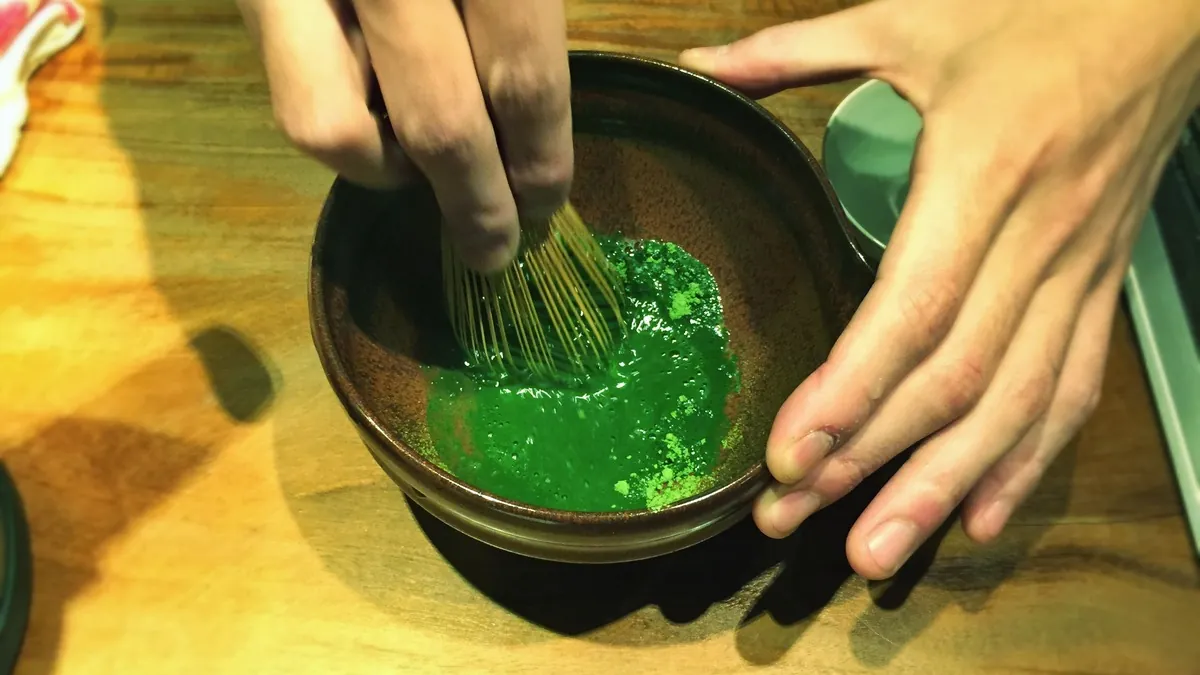
Using boiling water ruins matcha fast. In our cupping tests, water above 195°F (90°C) scorched delicate L-theanine sweetness and turned the liquor flat and bitter. Heat filtered water to 170°F to 175°F (77°C to 80°C), sift 2 grams of powder into a warmed bowl, add 2.5 ounces of water, and whisk briskly in a W-motion with a bamboo chasen for 20 seconds until jade microfoam forms. Prefer creamy drinks? Try our easy matcha tea recipes with milk.
Frequently Asked Questions About Matcha and Coffee Caffeine
Does Matcha Have More Caffeine Than Coffee?
No, per standard 8-ounce serving, brewed drip coffee (80 to 120 mg) has more caffeine than a 2-gram bowl of ceremonial matcha (60 to 70 mg). However, a large 16-ounce café matcha latte made with 3 to 4 grams of powder reaches 110 to 135 mg, matching a standard mug of coffee.
Does Matcha Give You a Caffeine Crash Like Coffee?
No, most drinkers experience a smooth fade rather than a sudden crash. Because matcha contains L-theanine and whole-leaf polyphenols that slow caffeine absorption, blood caffeine levels rise gradually and decline gently over four to six hours without triggering a sharp rebound in drowsiness.
Is Matcha Better Than Coffee for Anxiety and Focus?
Yes, for most caffeine-sensitive people. Matcha pairs 60 to 70 mg of caffeine with 30 to 45 mg of L-theanine, which promotes relaxing alpha brain waves and blunts the adrenaline and cortisol spikes that often trigger coffee jitters or racing thoughts.
Is Matcha Better Than Coffee on an Empty Stomach?
Generally yes. Coffee strongly stimulates gastrin and stomach acid production, which can cause reflux or cramping before breakfast. Matcha has mild acidity and buffers caffeine with amino acids, though people sensitive to green tea tannins still do best pairing ceremonial matcha with a light bite of toast or fruit.
How Many Cups of Matcha Equal One Cup of Coffee?
One and a half standard bowls of usucha matcha (about 3 grams of powder, totaling 95 to 105 milligrams of caffeine) roughly equal one 8-ounce cup of medium-roast drip coffee. A single 16-ounce iced matcha latte made with two teaspoons of powder already matches or slightly exceeds an 8-ounce coffee.
Can You Drink Matcha and Coffee in the Same Day?
Yes, as long as your total daily caffeine stays within safe limits. The FDA notes 400 milligrams per day as safe for most healthy adults. Having one morning coffee (about 100 mg) and an early afternoon matcha bowl (about 65 mg) puts you at roughly 165 milligrams, leaving plenty of headroom.
Conclusion: Should You Choose Matcha or Coffee?
Looking closely at matcha tea caffeine vs coffee makes the trade-off clear. Coffee remains unbeatable when you want an immediate wake-up jolt and roasted flavor, while matcha shines whenever you need hours of calm, distraction-free concentration without stomach acid or an afternoon crash.
Choose ceremonial Japanese matcha on mornings packed with writing, coding, studying, or long meetings, or keep coffee in your rotation for quick pre-workout boosts and social café mornings. Whichever cup fits your morning best, explore our complete matcha and caffeine comparisons across goteaworld.com.
Medical & Wellness Disclaimer: The content published on Tea World is for educational and informational purposes only and is not intended as medical advice, diagnosis, or treatment. Always consult a qualified physician or healthcare provider before using herbal infusions or botanical supplements, especially if you are pregnant, nursing, taking prescription medications, or managing an existing health condition.
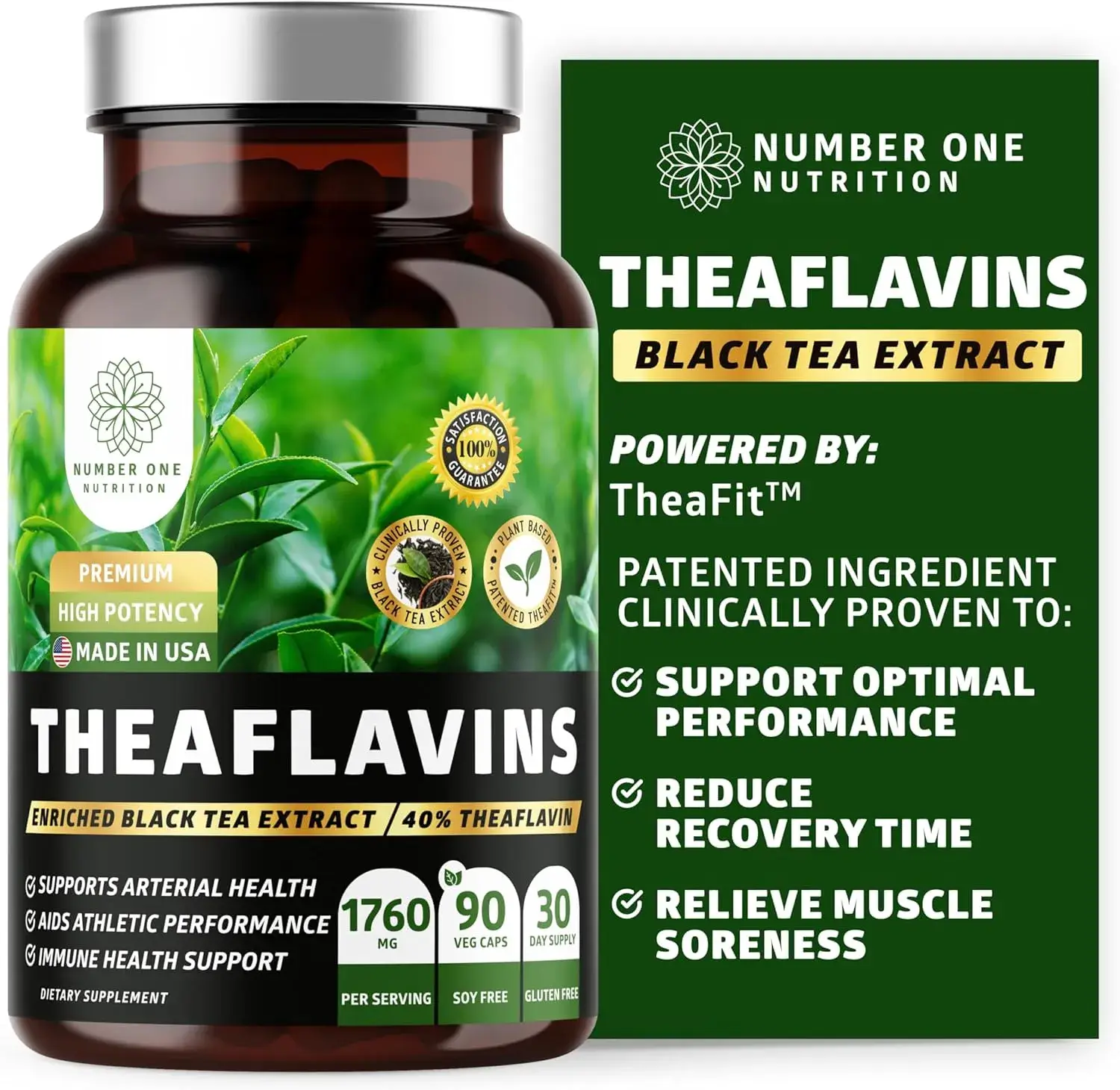
Black Tea Extract that is rich in natural theaflavins and polyphenols that help protect your body from free radicals, promoting overall immune health and well-being
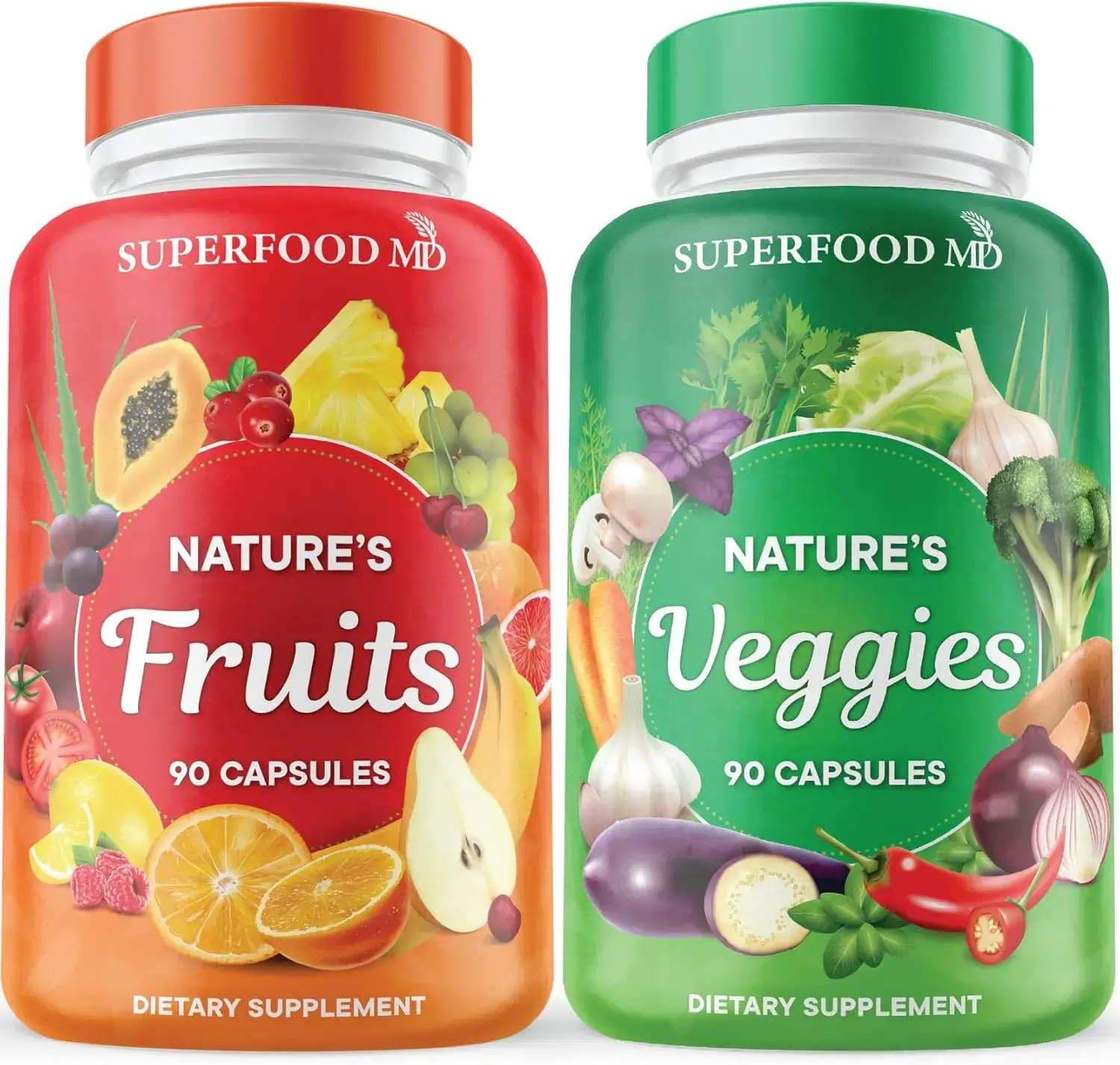
Contains blended amounts of Fruits and Veggies. All natural, with whole foods, fruit and vegetable supplement.Perfect for everyone looking to live a healthier lifestyle.