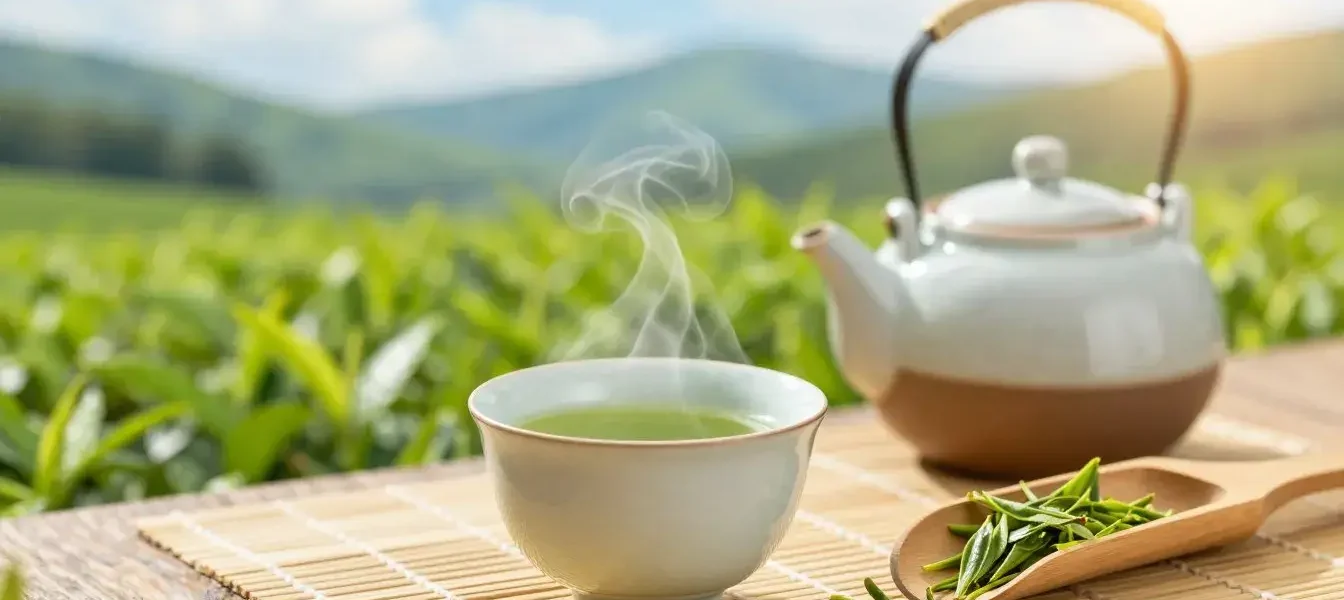
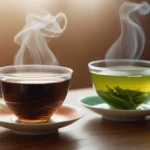
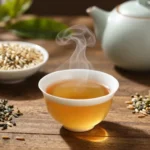
Did you know that nearly 80% of all production in Japan is this vibrant, grassy infusion? If you wonder what is sencha tea made of, you are not alone. This popular Japanese green tea comes from the processed leaves of the Camellia sinensis plant.
Authentic sencha tea ingredients usually include nothing else. A high-quality cup has no added sugar, milk, or artificial flavorings. Careful cultivation, precise steaming, and delicate rolling create its unique flavor.
These natural steps preserve healthy plant compounds and the tea’s bright color. As you brew your next pot, remember this pure, centuries-old tradition relies on nature, not additives.
Key Takeaways
Sencha originates from the Camellia sinensis plant.
It is the most common variety produced in Japan.
Pure versions contain no sugar or artificial additives.
Steaming and rolling define the final flavor profile.
Natural compounds provide the signature grassy taste.
What Is Sencha Tea Made Of?
Learning what is sencha tea made of helps you appreciate its unique flavor. Modern markets offer complex blends, but this Japanese staple remains simple and pure.
Traditional sencha has one primary ingredient
When you buy high-quality sencha tea ingredients, the list is often short. A traditional package contains only processed leaves from the tea plant. This purity lets each harvest’s natural character shine in every cup.
Camellia sinensis leaves create authentic sencha
The foundation of every authentic cup is the Camellia sinensis plant. These specific sencha tea leaves are carefully cultivated to create the drink’s vibrant, grassy notes. Using leaves from one species gives producers a consistent, high-quality experience for tea enthusiasts.
How sencha differs from herbal tea and powdered matcha
Sencha differs from other common beverages. Herbal teas use flowers, roots, or dried fruits, but sencha is a true tea from the tea plant. Matcha uses Camellia sinensis, but its fine powder is whisked into water; sencha steeps whole or broken leaves.
Why traditional sencha usually contains no added flavors
You may notice that plain sencha tea rarely contains artificial additives or flavorings. Traditional processing aims to preserve the delicate amino acids and natural compounds within the leaf. Without extra ingredients, it keeps its signature umami character and refreshing vegetal aroma.
The Tea Plant Behind Every Cup
Every cup of high-quality Japanese green tea starts with one remarkable plant species. This evergreen shrub, known as Camellia sinensis, forms the base of almost all traditional teas made in Japan.
How Camellia sinensis produces green tea leaves
The sencha tea plant thrives in Japan’s unique climate. Misty mountains and distinct seasons support slow, steady growth. As it matures, the plant grows lush, dark green leaves rich in compounds behind tea’s signature flavor.
The role of young leaves, buds, and stems
A premium brew often includes the plant’s most tender parts. Farmers prioritize harvesting the young leaves and buds because they hold the highest levels of amino acids and nutrients.
Mature leaves add body, while younger growth brings delicate sweetness. Some tea grades also include stems, which add a unique, nutty depth.
Differences between Japanese tea cultivars
Like different grapes, various Japanese tea cultivars create very different flavor profiles. These genetic differences help producers make teas for specific tastes and brewing styles.
Yabukita and other cultivars used for sencha
The Yabukita cultivar is Japan’s most famous variety, prized for reliable growth and balanced flavor. Other cultivars, such as Saemidori or Okumidori, are often selected for unique traits that stand out in a competitive market.
How cultivar affects sweetness, bitterness, and umami
Genetics strongly shape your tea’s final balance. Some plants are bred to emphasize umami, the savory quality that defines high-end sencha. Others may favor a more refreshing, astringent profile.
Farmers can influence leaf levels of catechins and amino acids by choosing specific cultivars. This careful choice helps create harmony between sweetness and bitterness in every steep.
How Sencha Leaves Are Grown and Harvested
Your favorite cup begins long before it reaches your teapot. The growing environment and harvest timing shape the final quality of sencha tea leaves.
Spring harvesting and the importance of flush timing
Timing matters greatly in sencha harvesting. Farmers watch spring closely to gather the first flush, made of tender, nutrient-rich buds.
This early harvest is prized for its delicate aroma and bright color. If delayed, the leaves toughen and lose some signature sweetness.
Shade-grown versus sun-grown leaves
Most traditional varieties grow in sunlight, but some farmers use shade to change the plant’s chemistry. Shade-grown sencha develops more amino acids, creating a stronger umami flavor.
Sun-grown leaves offer a refreshing, grassy brightness.
Shaded leaves provide a deeper, savory complexity.
How soil, weather, and farming practices influence the leaves
Local terroir strongly shapes the unique profile of various Japanese tea cultivars. Rich soil, steady rain, and precise temperatures support high-quality production.
Farmers adapt to changing weather to protect plant health. Their careful techniques help each batch maintain a consistent, excellent standard.
First-harvest sencha and later harvests
The first harvest, called shincha, is often considered the highest quality. Later harvests offer a stronger, more astringent profile that many enthusiasts enjoy daily.
Harvest Type
Flavor Profile
Best Use
First Harvest
Sweet and delicate
Special occasions
Second Harvest
Balanced and bold
Everyday brewing
Third Harvest
Strong and earthy
Culinary applications
Organic and conventionally grown sencha
You may wonder whether organic farming changes the plant itself. Organic certification focuses on the farming methods that protect soil and the environment, rather than changing tea plant genetics.
Whether organic or conventional, the quality of sencha harvesting matters most. Both methods can produce excellent tea when managed with care and expertise.
Steaming and Rolling: How Processing Shapes Ingredients and Flavor
Transforming raw tea leaves into a lively brew requires careful control of heat and movement. The methods used during sencha tea processing determine the cup’s quality, color, and flavor.
Steaming stops oxidation soon after harvest
Immediately after the leaves are plucked, they undergo a vital steaming process. This quick heat treatment deactivates enzymes that cause oxidation.
By stopping this natural breakdown, the leaves retain their vibrant green color and fresh, vegetal aroma. This is the key trait of high-quality steamed green tea.
Rolling and shaping release the leaves’ natural compounds
Once steamed, the leaves enter rolling machines. This step breaks down the leaf’s tough cellular structure.
As the leaves roll and twist, they release internal juices and essential oils. This lets brewing water extract rich flavors and nutrients from inside.
Drying concentrates the leaves for storage and brewing
After shaping, workers dry the leaves to remove extra moisture. This stabilizes the tea for longer storage without reducing quality.
The art of tea is not just in the growing, but in the gentle hand of the maker who guides the leaf through its transformation.
Lightly steamed, regular steamed, and deeply steamed sencha
The steaming time creates distinct tea categories. Each style offers a different experience for your palate.
Steaming Style
Leaf Appearance
Brew Color
Flavor Profile
Light (Asamushi)
Needle-like, long
Clear, golden-green
Delicate, floral
Regular (Chumushi)
Balanced
Bright yellow-green
Classic, balanced
Deep (Fukamushi)
Broken, fine
Cloudy, dark green
Rich, savory, thick
Why processing changes color, texture, and flavor
Deeply steamed leaves break apart more easily, creating a cloudier, stronger brew. Lightly steamed leaves stay intact, producing a clearer, more refined cup.
Your processing choice determines the tea’s texture and mouthfeel. You may prefer a light, refreshing sip or a bold, umami-rich experience.
Natural Compounds in Sencha Tea
Each cup of sencha contains natural compounds that shape its unique character. Together, they create the flavor and wellness profile tea lovers enjoy worldwide.
Catechins and other polyphenols
Green tea is known for its sencha antioxidants, especially polyphenols called catechins. These compounds cause the slight astringency you may notice on your tongue. They protect the plant from environmental stress and may offer health benefits.
L-theanine and the savory umami character
If you enjoy tea’s smooth, savory taste, you can thank L-theanine in sencha. This amino acid creates the umami quality found in high-quality Japanese green tea. It also creates a calming effect that balances tea’s energy.
Caffeine and naturally occurring methylxanthines
Like all teas from the Camellia sinensis plant, sencha contains sencha caffeine. This natural stimulant gently supports focus and alertness throughout the day. The leaves also contain methylxanthines, which add to the brew’s overall physiological effects.
Vitamins, minerals, amino acids, and other trace nutrients
Beyond its main compounds, tea provides various micronutrients. It contains small amounts of Vitamin C, beta-carotene, potassium, and manganese. These nutrients remain in the leaf and add to the plant’s nutritional density.
Why the brewed drink does not contain every compound in the leaf
Remember that the liquid in your cup is an infusion. When you steep the leaves, water extracts only water-soluble compounds. Therefore, brewed tea differs from the complete dried leaf, because fiber and fat-soluble vitamins remain in the spent leaves.
Why Sencha Tastes Fresh, Grassy, and Umami-Rich
The signature taste of green tea comes from chemistry, farming, and careful processing. Together, these factors create the unique sencha flavor you enjoy.
Vegetal and grassy notes from fresh green leaves
Your tea’s bright, vegetal character comes from fresh Camellia sinensis leaves. Producers steam them soon after harvest to preserve chlorophyll and natural enzymes. This keeps the grassy notes that make each sip feel fresh.
Umami from amino acids and shaded growing conditions
Umami gives your cup a deep, savory taste. It comes mainly from L-theanine in sencha, an amino acid with a mellow, sweet depth. Using shade-grown sencha techniques can increase these levels because limited sunlight helps the plant retain them.
Bitterness and astringency from catechins and brewing choices
Umami adds sweetness, while catechins create tea’s characteristic bite. These polyphenols provide a healthy, astringent quality that balances savory notes. Steeping too long or using overly hot water can create a stronger, more bitter sencha flavor.
How aroma compounds create marine, nutty, floral, or sweet notes
Volatile aroma compounds add complexity beyond basic tastes. Your tea may offer hints of seaweed, toasted nuts, or fresh spring flowers, depending on its cultivar and processing. These subtle notes add depth to every sip.
Why regional origin and harvest season matter
Where tea grows strongly shapes its final profile. Early spring harvests often have more L-theanine in sencha, creating a smoother, more delicate cup. Meanwhile, shade-grown sencha from specific regions like Uji or Shizuoka shows traits shaped by local soil and climate.
You may enjoy pure green tea, but flavored varieties offer a new sensory experience. Choosing plain sencha tea lets you notice the leaf’s subtle, vegetal notes. Many enthusiasts also enjoy the complexity of creative additions.
Plain sencha versus blended sencha
The main difference is product purity. When you choose plain sencha tea, you drink only the steamed, dried leaves of the Camellia sinensis plant. By contrast, sencha tea blends include ingredients that alter the final brew’s aroma, texture, or flavor.
Common additions such as roasted rice, citrus, mint, and flowers
Producers add botanicals or grains to create a more dynamic cup. These additions can balance the leaves’ natural astringency or add a refreshing twist. Common ingredients include:
Roasted rice: Adds a nutty, toasted aroma.
Citrus peel: Provides a bright, zesty finish.
Mint: Offers a cooling, crisp sensation.
Dried flowers: Introduce delicate floral notes and visual appeal.
How to read an ingredient list on packaged tea
Check the package back to understand what you are buying. A high-quality product lists tea leaves first. A long list of additives may signal heavily processed or flavored tea.
Genmaicha, matcha-iri sencha, and other Japanese tea blends
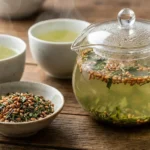
Some traditional Japanese mixtures are staples in many households. For instance, genmaicha is a popular blend of green tea and roasted brown rice, creating a savory, popcorn-like flavor. Another common option is matcha-iri sencha.
It combines standard leaf tea with a dusting of vibrant, powdered green tea for richer color and deeper umami taste.
Blend Name
Primary Additive
Flavor Profile
Genmaicha
Roasted Brown Rice
Nutty and Toasted
Matcha-iri Sencha
Matcha Powder
Rich and Umami
Citrus Sencha
Dried Fruit Peel
Bright and Zesty
Natural flavors, artificial flavors, and sweeteners
When browsing sencha tea blends, note the flavoring source. Some brands use natural essential oils or dried herbs, while others use artificial flavorings to mimic specific tastes. Check for added sugars or sweeteners if you prefer controlling your tea’s sweetness.
Caffeine, Nutrition, and Everyday Considerations
Beyond its fresh taste, you may wonder how sencha affects your body and daily energy. Learning about sencha caffeine and overall sencha nutrition helps you fit this drink into your routine. Sencha is a healthy choice, but knowing key sencha health considerations helps you enjoy each cup.
What determines the caffeine in your cup
Caffeine levels in tea are not fixed; several natural factors affect them. Young leaves and buds often contain more caffeine, which helps protect the plant. The cultivar and harvest time also shape the leaves’ final chemical makeup.
How serving size and brewing time affect caffeine extraction
Your brewing method gives you the most control over caffeine levels. Longer steeping lets more caffeine move from the leaves into the water. Using more dry leaves also makes the drink stronger.
Water Temperature: Hotter water extracts caffeine more efficiently than cooler water.
Steeping Duration: Extending your steep time beyond two minutes will noticeably boost the caffeine content.
Leaf Quantity: Using more tea leaves per cup results in a stronger, more caffeinated brew.
Calories, carbohydrates, and sugar in plain brewed sencha
If you track your intake, plain brewed sencha is a smart choice. It has very few calories, carbohydrates, or sugar when served plain. It offers hydration and rich flavor without sugary sodas or processed energy drinks.
“Green tea is a gift of nature that provides hydration and subtle energy without the burden of added sugars or empty calories.”
Potential concerns involving caffeine sensitivity and medications
Most people enjoy green tea’s gentle lift, but people sensitive to caffeine should watch their intake. If you take stimulants or certain blood thinners, ask your healthcare provider for advice. Your body’s response matters when considering sencha health considerations.
Why tea can affect iron absorption when consumed with meals
Tea contains tannins, compounds that can bind to non-heme iron in plant foods. This may lower the iron your body absorbs during a meal. To support nutrient intake, drink tea between meals instead of with food.
When to choose decaffeinated or lower-caffeine options
If you love tea’s flavor but need less caffeine, you have choices. Teas harvested later in the season naturally contain less caffeine. You can also choose high-quality decaffeinated teas that keep their vegetal notes without stimulating effects.
How Water and Brewing Affect What You Taste
Mastering brewing helps unlock the full potential of your tea leaves. When you learn how to brew sencha correctly, you control your cup’s final profile. Small changes can reveal bright vegetal freshness or deep, savory richness.
Water temperature and steeping time for balanced sencha
For a balanced sencha flavor, use water between 160°F and 175°F. Boiling water can scorch delicate leaves and create a flat, unpleasant taste. A steep of about 60 seconds usually extracts the best qualities without overwhelming your palate.
How hotter water extracts more bitterness and astringency
If you want a bolder cup, you may choose hotter water. Higher temperatures quickly extract catechins and caffeine, which cause bitterness and astringency. Some drinkers enjoy this sharp taste, but it can hide the subtle sweetness of high-quality Japanese green tea.
Why cooler water can emphasize sweetness and umami
Cooler water helps preserve the amino acids behind sencha’s signature umami character. Lower temperatures let sweetness shine while limiting astringent compounds. This method creates a smooth, mellow cup that shows the harvest’s natural quality.
“The preparation of tea is a dance between the leaf and the water, where patience reveals the hidden soul of the harvest.”
Adjusting the brew for lightly steamed and deeply steamed sencha
Your leaves’ processing style guides your brewing method. Lightly steamed leaves, known as asamushi, often need hotter water and more time to open. By contrast, deeply steamed leaves, or fukamushi, release flavor quickly, so use cooler water and shorter steeping times.
How multiple infusions reveal different natural ingredients
Loose-leaf tea lets you enjoy multiple infusions. The first steep captures the most delicate amino acids, while the second and third reveal new flavor layers as the leaves unfold. You will notice the sencha flavor change with each pour, creating a complex journey through the same leaves.
Variable
Cooler Water (150°F)
Hotter Water (180°F)
Primary Taste
Sweet and Umami
Bitter and Astringent
Extraction Speed
Slow and Gentle
Fast and Intense
Best For
High-grade leaves
Robust, daily blends
Conclusion
You now know what is sencha tea made of when you choose high-quality leaves. Authentic Japanese sencha uses only the Camellia sinensis plant. It needs no extra sweeteners or artificial additives.
Each step, from the spring harvest through final drying, shapes the unique profile in your mug.
Your preferences help you choose how to enjoy this bright green tea. Check ingredient labels on brands like Ippodo or Ito En for pure, unadulterated leaves. Remember sencha health considerations if you track caffeine or seek specific nutritional benefits.
Try different water temperatures and steeping times to find the right balance of sweetness and umami. Small brewing changes can greatly alter the flavor profile. Enjoy discovering your favorite cup of tea today.
What are the primary ingredients found in authentic sencha tea?
When you enjoy traditional sencha, you drink an infusion made from processed Camellia sinensis leaves. Unlike herbal infusions, authentic Japanese green tea centers on tea leaves, not roots or flowers. Standard Ito En bags or loose-leaf tins usually contain no sugar, milk, or artificial flavorings.
How does the tea plant cultivar, such as Yabukita, impact your drink?
Like grapes, different Japanese tea cultivars create different flavor profiles. Yabukita is the most famous sencha cultivar because it offers high yields and balanced flavor. Different genetics can change amino acid and catechin levels, shaping savory umami, floral aroma, or refreshing bitterness.
What is the difference between sun-grown sencha and shaded tea leaves?
The sunlight leaves receive changes their chemical makeup. Most sencha grows in sunlight, which encourages catechins that provide pleasant astringency. However, some farmers shade leaves before harvest, raising L-theanine, reducing bitterness, and enhancing rich, savory umami notes.
Does the harvest timing, like first-harvest Shincha, matter for quality?
Yes, the “flush” timing matters; first-harvest sencha, often called Shincha, uses youngest leaves and buds picked early spring. These are the most tender, nutrient-dense leaves, offering a sweeter, more aromatic experience. Later harvests produce sturdier leaves with different natural compounds, often creating robust or earthy flavors.
How does the steaming process define the style of your sencha?
Steaming is the key step that stops oxidation, keeps tea green, and creates three styles: lightly, regularly, or deeply steamed, often labeled Fukamushi. Deep steaming breaks leaves down during rolling, creating cloudy, dark green liquor with a rich, mellow taste. Light steaming produces a clear, golden-green cup with a floral, astringent bite.
What natural compounds like L-theanine and caffeine are in your cup?
Your brewed tea contains several natural compounds. It contains catechins, polyphenols known for antioxidant properties; L-theanine, an amino acid that promotes relaxation; and caffeine. Trace vitamins and minerals are present, but water-soluble extract differs nutritionally from whole-leaf powdered matcha.
Can you find sencha blended with other ingredients like roasted rice?
Absolutely. Plain sencha is the gold standard, but many popular Japanese blends exist. Genmaicha mixes sencha with roasted rice, creating a nutty aroma, while matcha-iri sencha adds matcha powder for extra vibrancy. When shopping for Rishi Tea or Yamamotoyama, check ingredients for citrus, mint, flowers, or natural flavors.
How do brewing factors like water temperature affect the bitterness of your tea?
Your brewing choices give you strong control over the final taste. Hotter water and longer steeps extract more caffeine and catechins, which may increase bitterness. Cooler water and shorter steeps create a sweeter, more umami-rich cup; quality leaves often allow multiple infusions whose flavors evolve.
Does drinking sencha affect iron absorption or have other nutritional considerations?
Plain brewed sencha has negligible calories, carbohydrates, and sugar, but polyphenols can reduce non-heme iron absorption from plant foods. If managing iron levels, drink tea between meals. People sensitive to caffeine should watch serving sizes, especially with early-harvest teas, which may contain more stimulants.
Black Tea Extract that is rich in natural theaflavins and polyphenols that help protect your body from free radicals, promoting overall immune health and well-being
Contains blended amounts of Fruits and Veggies. All natural, with whole foods, fruit and vegetable supplement.Perfect for everyone looking to live a healthier lifestyle.