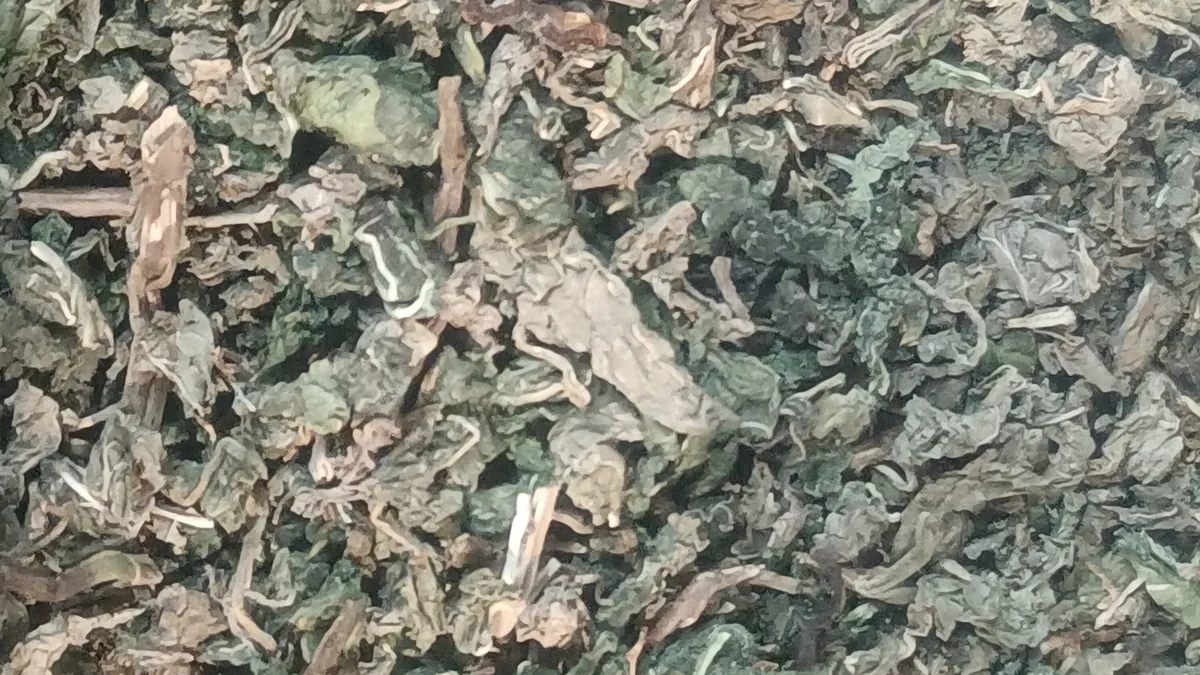
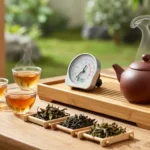
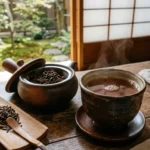
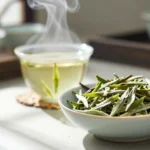
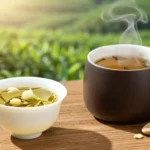
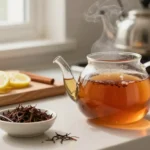
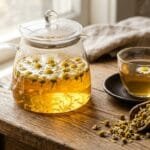
Dried Loose-Leaf (Best Flavor): Steep 1.5 to 2 teaspoons (2 g) in 8 oz (240 ml) of 200°F–208°F (93°C–98°C) water, covered, for 5 to 7 minutes.
Fresh Garden Leaves: Gently bruise 8 to 12 young leaves, steep in 8 oz of 200°F–205°F (93°C–96°C) water, covered, for 5 to 8 minutes (never boil leaves on the stove).
Standard Tea Bag: Steep 1 bag in 195°F–200°F (90°C–93°C) water, covered, for 3 to 4 minutes and remove without squeezing.
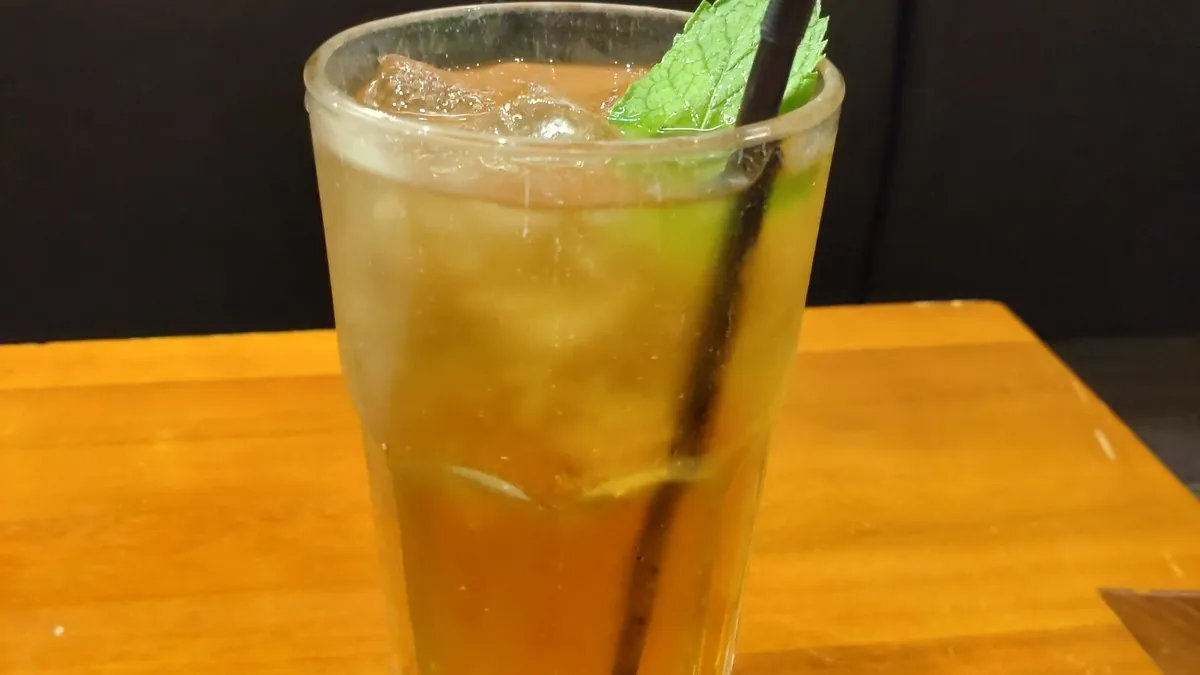
Cold Brew Pitcher: Chill 4 tbsp dried leaves in 32 oz (1 L) cold filtered water for 6 to 8 hours.
Most people learn how to brew peppermint tea by tossing a paper tea bag into boiling water and walking away until it cools. Usually, that habit produces a flat, slightly grassy mug that misses the crisp, cooling menthol aroma peppermint is famous for.
Knowing how to brew peppermint tea properly transforms the cup. By matching the leaf form to the right water temperature, leaf-to-water ratio, and covered steeping window, you trap volatile menthol oils inside the mug while keeping bitter plant tannins out.
In our tasting tests across Pacific Northwest dried peppermint, Egyptian whole-leaf cuts, and fresh garden cuttings, one simple step made the biggest difference: covering the mug or teapot during the steep. Below, you will find exact ratios, temperatures, and step-by-step methods for fresh leaves, dried loose-leaf, tea bags, and cold brew.
Which Form of Peppermint Makes the Best Tea?
Dried whole-leaf peppermint (Mentha piperita) delivers the boldest menthol punch because air-drying concentrates volatile oils in the leaf glands. Fresh garden peppermint brews a brighter, sweeter, slightly lighter cup, while standard grocery tea bags contain crushed fannings that release grassy notes quickly.
Fresh Garden Peppermint vs Dried Loose-Leaf
Fresh peppermint picked from a sunny garden bed or windowsill pot contains roughly 75 to 80 percent water by weight. When steeped at 200°F (93°C), fresh leaves yield a pale emerald-gold liquor with sweet, crisp garden aromatics and almost zero astringency.
Dried whole-leaf peppermint harvested during the summer bloom in Oregon’s Willamette Valley, Egypt’s Nile Delta, Morocco, or northern India loses its moisture while locking menthol and menthone inside tiny trichome oil glands. In our tasting tests, whole-leaf dried cuts from shaded drying barns produced a deeper, more cooling finish than fresh stems.
Peppermint vs Spearmint: Why Cultivar Matters
Many shoppers confuse peppermint (Mentha piperita) with spearmint (Mentha spicata). Peppermint is a natural hybrid of watermint and spearmint containing 35 to 55 percent menthol, which creates that unmistakable icy cooling sensation on the tongue. Spearmint contains almost no menthol and leans toward sweet carvone. You can compare both herbs in our guide on spearmint tea vs peppermint tea.
What Are the Ideal Ratios, Temperatures, and Steep Times?
Unlike delicate Japanese green tea or Taiwanese high-mountain oolong that turn bitter in near-boiling water, peppermint is an unoxidized herbal tisane that needs strong heat (200°F–208°F / 93°C–98°C) to rupture its oil glands.
Peppermint Brewing Reference Table
Use this side-by-side chart to dial in your exact leaf ratio, water temperature, and steeping window:
Peppermint Form
Amount per 8 oz (240 ml)
Water Temperature
Covered Steep Time
Cup Profile
Dried Loose-Leaf
1.5 to 2 tsp (2 g)
200°F to 208°F (93°C to 98°C)
5 to 7 minutes
Rich menthol, clean cooling finish
Fresh Garden Leaves
8 to 12 leaves (4 to 5 g)
200°F to 205°F (93°C to 96°C)
5 to 8 minutes
Bright, sweet, fresh-cut garden aroma
Standard Tea Bag
1 bag (1.5 to 2 g)
195°F to 200°F (90°C to 93°C)
3 to 4 minutes
Brisk, quick extraction, light body
Cold Brew Pitcher
4 tbsp dried per 32 oz (1 L)
38°F to 45°F (3°C to 7°C)
6 to 8 hours chilled
Crisp, zero bitterness, refreshing
Why Covering Your Mug Traps Volatile Menthol
Menthol, menthone, and eucalyptol are highly volatile essential oils. If you steep peppermint tea in an open mug, rising steam carries a large portion of those cooling aromatics straight into the kitchen air. Placing a small ceramic saucer or teapot lid over the vessel traps the steam so condensed droplets drip back into your cup.
According to a clinical review indexed on PubMed on peppermint oil and gastrointestinal comfort, peppermint’s volatile menthol compounds relax smooth muscle in the digestive tract, which is why preserving them in the cup matters so much.
How to Brew Peppermint Tea From Fresh Garden Leaves
Fresh garden peppermint makes one of the cleanest, most rewarding herbal infusions you can pour, especially during late spring and summer harvests before the plant flowers.
Step-by-Step Fresh Leaf Brewing Method
Harvest Young Top Leaves: Snip the top 4 to 6 leaves from healthy stems in the morning after dew dries. Younger upper leaves hold higher concentrations of sweet menthol than woody lower stems.
Rinse and Gently Bruise: Swish the leaves in cool water to remove garden dust, pat dry, and lightly clap or tear them between your fingers to crack the surface oil glands without turning them into mush.
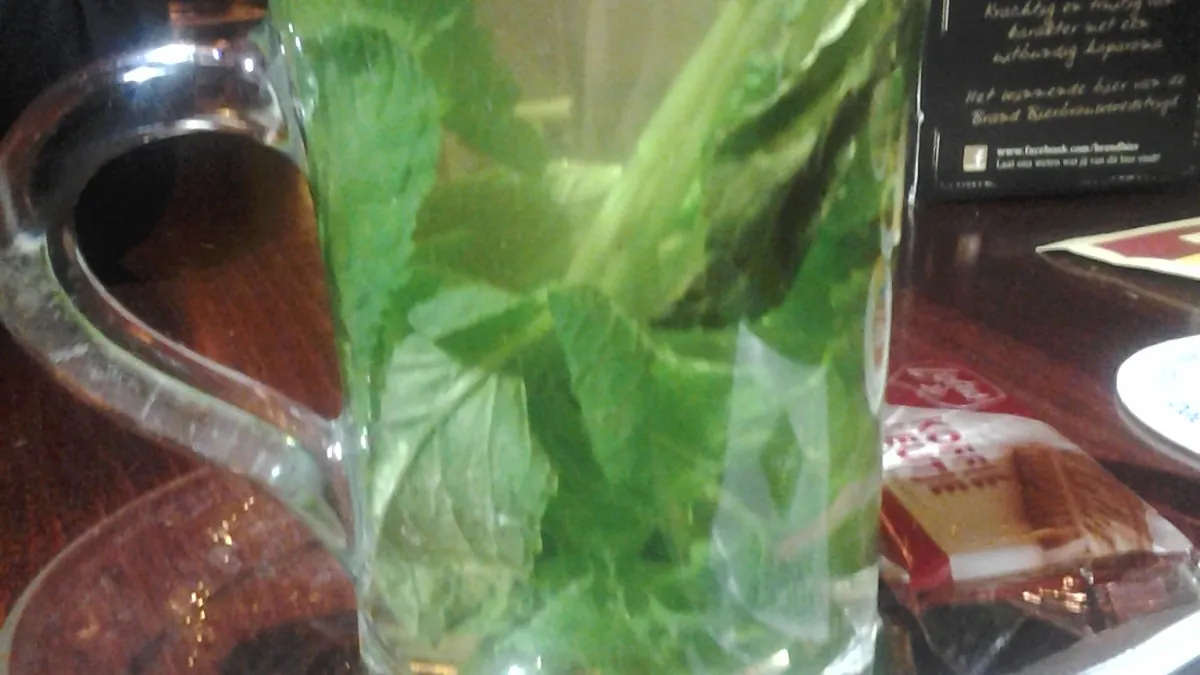
Pour 200°F (93°C) Water and Cover: Place the leaves in a warmed mug or glass teapot, pour 8 ounces of hot water just off the boil, and cover immediately with a lid or saucer.
Steep 5 to 8 Minutes and Strain: Taste at 5 minutes for a light, sweet cup, or wait 8 minutes for stronger cooling intensity. Remove the leaves cleanly without squeezing them.
Common Mistakes With Fresh Mint
Avoid boiling fresh peppermint leaves directly in a pot on the stove. Vigorous boiling at 212°F (100°C) drives off delicate top-note aromatics and cooks the green chlorophyll, leaving a flat, stewed-vegetable flavor. Also skip thick woody stems, which add bitterness without contributing menthol.
How to Brew Peppermint Tea With Dried Leaves or Tea Bags
When you want consistent year-round potency, knowing how to brew peppermint tea from dried loose-leaf or convenient tea bags keeps every cup crisp and balanced.
Loose-Leaf Peppermint Method (Best Flavor)
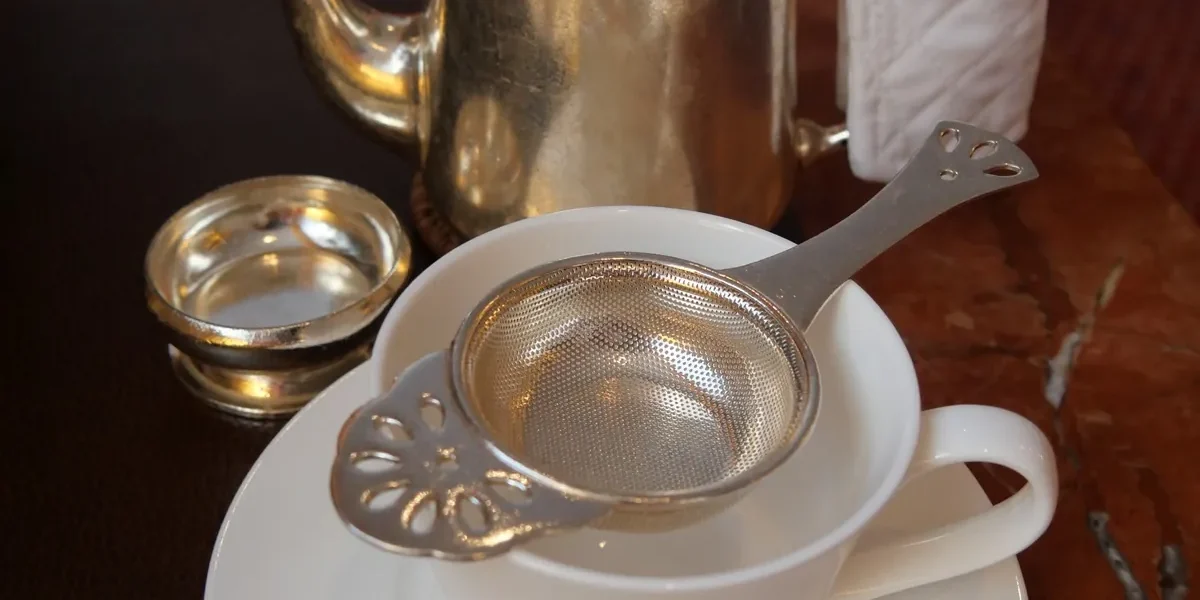
Measure 1.5 to 2 teaspoons (about 2 grams) of dried whole peppermint leaves into a wide stainless steel basket infuser so the leaves have room to expand. Pour 8 ounces of 205°F (96°C) filtered water over the basket, cover with a lid, and steep for 5 to 7 minutes. In our cupping tests, whole-leaf cuts from Oregon produced a noticeably sweeter, rounder aftertaste than finely powdered tea bags. Read more about its everyday uses in our guide on what peppermint and mint tea is good for.
Getting Better Results From Tea Bags
Standard paper tea bags hold crushed fannings with a large surface area, so lower your water temperature slightly to 195°F to 200°F (90°C to 93°C) and steep covered for just 3 to 4 minutes. Never squeeze the wet bag against the mug with a spoon, as pressing forces bitter tannins into the liquor.
Water Quality and Teaware Choices
Because peppermint is a clean, single-herb infusion, hard tap water heavy in calcium or chlorine dulls its crisp menthol lift. Using filtered spring water with low mineral content keeps the liquor bright and sweet. Glass teapots, porcelain mugs, and glazed ceramic infusers work best because they never absorb strong mint oils from previous brews, unlike unglazed clay teapots.
How to Make Iced and Cold-Brew Peppermint Tea
Cold-steeped peppermint is one of the easiest summer refreshers because cold water extracts sweet, cooling menthol slowly without pulling out astringent tannins.
Overnight Cold-Brew Pitcher Method
Add 4 tablespoons of dried loose-leaf peppermint (or 4 tea bags) to a 32-ounce (1-liter) glass pitcher filled with cold filtered water. Cover and refrigerate at 40°F (4°C) for 6 to 8 hours, then strain over ice. Unlike hot-brewed tea poured over ice, cold-brewed peppermint never turns cloudy or bitter, and it stays fresh in a sealed glass carafe for up to 48 hours.
Flavor Pairings: Lemon, Ginger, and Green Tea
Peppermint pairs naturally with a squeeze of fresh lemon juice, two thin coins of crushed ginger root, or a teaspoon of raw wildflower honey stirred in once the cup cools below 140°F (60°C). For a gentle afternoon lift, blend equal parts dried peppermint with Japanese Sencha or Chinese gunpowder green tea, steeped at 175°F (80°C) for 3 minutes, a classic pairing inspired by Moroccan mint tea traditions.
Frequently Asked Questions About Brewing Peppermint Tea
How Long Should You Steep Peppermint Tea?
Steep dried loose-leaf peppermint covered for 5 to 7 minutes, fresh garden leaves for 5 to 8 minutes, and standard paper tea bags for 3 to 4 minutes. Leaving tea bags in for 10 minutes or longer pulls out papery, grassy bitterness.
What Water Temperature Is Best for Peppermint Tea?
Use water between 200°F and 208°F (93°C to 98°C) for dried loose-leaf or fresh peppermint leaves, and 195°F to 200°F (90°C to 93°C) for paper tea bags. Never boil fresh leaves directly on the stove.
Should You Cover Peppermint Tea While Steeping?
Yes. Covering your mug with a saucer or teapot lid traps volatile menthol and menthone steam so the essential oils condense back into your tea instead of evaporating into the air.
Can You Re-Steep Peppermint Leaves?
Yes, whole dried peppermint leaves and fresh garden sprigs can handle a second steep if you pour fresh 205°F (96°C) water over them within an hour of the first cup and extend the steep to 8 minutes. Expect a lighter, softer menthol aroma on the second pour. Paper tea bags are spent after one brew.
Does Peppermint Tea Have Caffeine?
No. Pure peppermint is an herbal tisane made from Mentha piperita rather than Camellia sinensis tea leaves, so it is 100 percent caffeine-free regardless of steep time.
Who Should Avoid Drinking Peppermint Tea?
Because menthol relaxes the lower esophageal sphincter, people with frequent acid reflux or GERD may notice worse heartburn after drinking strong peppermint tea. Check our detailed breakdown on peppermint tea and acid reflux and mint tea side effects before making it a daily habit.
Conclusion: Mastering Your Cup of Peppermint Tea
Once you know how to brew peppermint tea with covered heat and the right leaf ratio, every mug delivers clean, cooling sweetness without grassy bitterness. Keep a small saucer handy to trap those volatile menthol oils, store dried leaves in an airtight jar away from sunlight, and adjust your steep time to match fresh, dried, or iced preparations.
Medical & Wellness Disclaimer: The content published on Tea World is for educational and informational purposes only and is not intended as medical advice, diagnosis, or treatment. Always consult a qualified physician or healthcare provider before using herbal infusions or botanical supplements, especially if you are pregnant, nursing, taking prescription medications, or managing an existing health condition.
Black Tea Extract that is rich in natural theaflavins and polyphenols that help protect your body from free radicals, promoting overall immune health and well-being
Contains blended amounts of Fruits and Veggies. All natural, with whole foods, fruit and vegetable supplement.Perfect for everyone looking to live a healthier lifestyle.